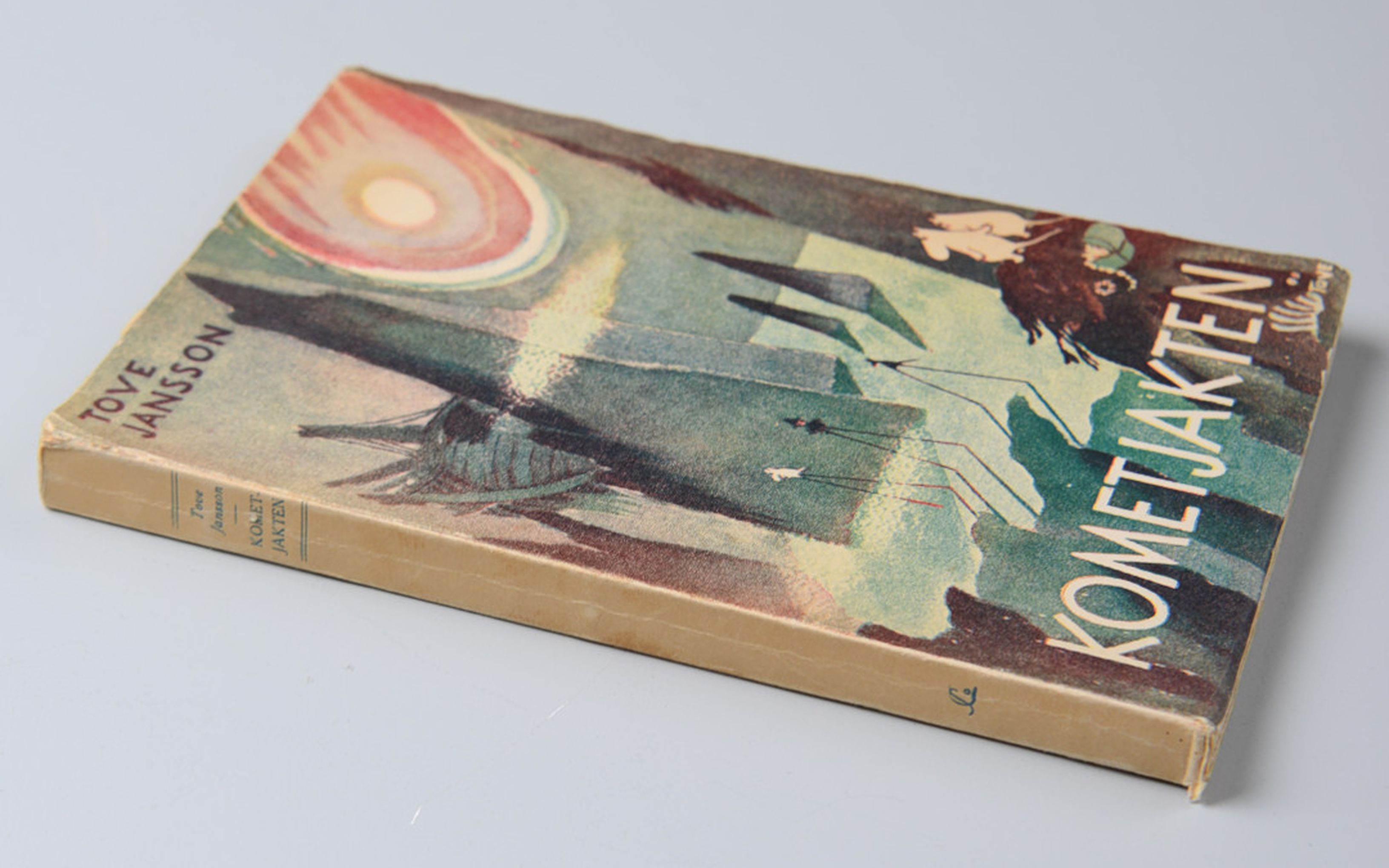
While many associate Moomin collecting with the popular Moomin mugs and merchandise, vintage Moomin books represent another cherished corner of the Moomin universe. These vintage volumes connect collectors to the early days of Moominvalley and are in high demand in the world of children’s literature. Early editions, rare translations and signed copies can command significant attention at auction, especially among the growing global community of Moomin enthusiasts.
A Brief History of the Moomins
Tove Jansson, a Finnish-Swedish artist and writer, introduced the Moomins to the world with The Moomins and the Great Flood (Småtrollen och den stora översvämningen in Swedish) in 1945. The series expanded over the following decades, blending fantasy with reflections on life, belonging and resilience. The Moomin stories quickly became a cornerstone of Scandinavian children's literature and gained international popularity through translations and adaptations.
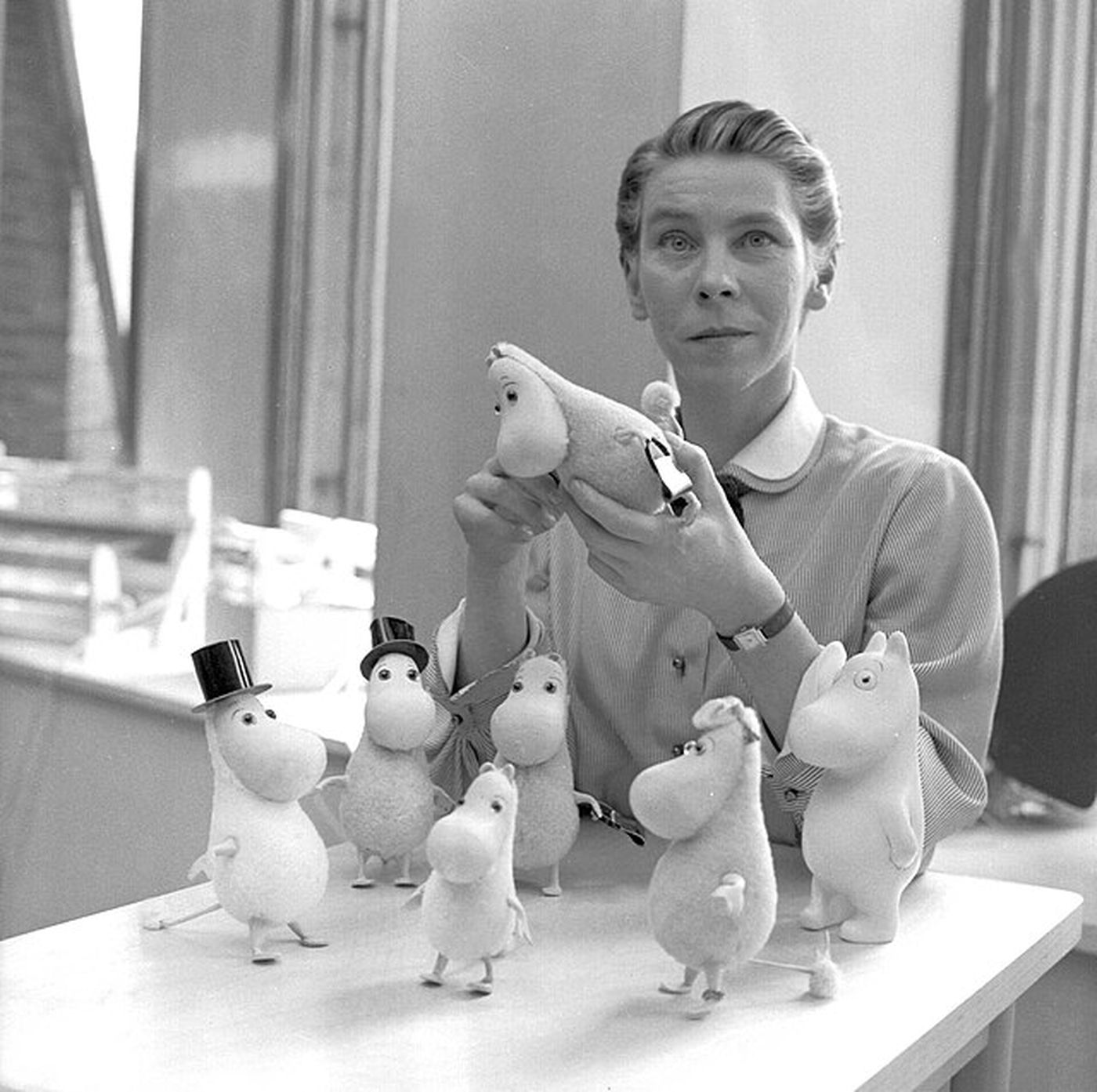
Artist and writer Tove Jansson in 1956. © Wikimedia Commons
What Makes a Moomin Book "Vintage"?
Generally, collectors consider first editions and early printings from the mid to late 20th century as truly vintage Moomins. These books not only represent the earliest visual and literary interpretations of Moominvalley but also often feature design elements that were altered or simplified in later editions. Rarity, condition, original artwork and historical significance all contribute to the desirability and value of vintage Moomin books.
Key Vintage Moomin Books for Collectors
So, which vintage Moomin books should collectors be on the lookout for?
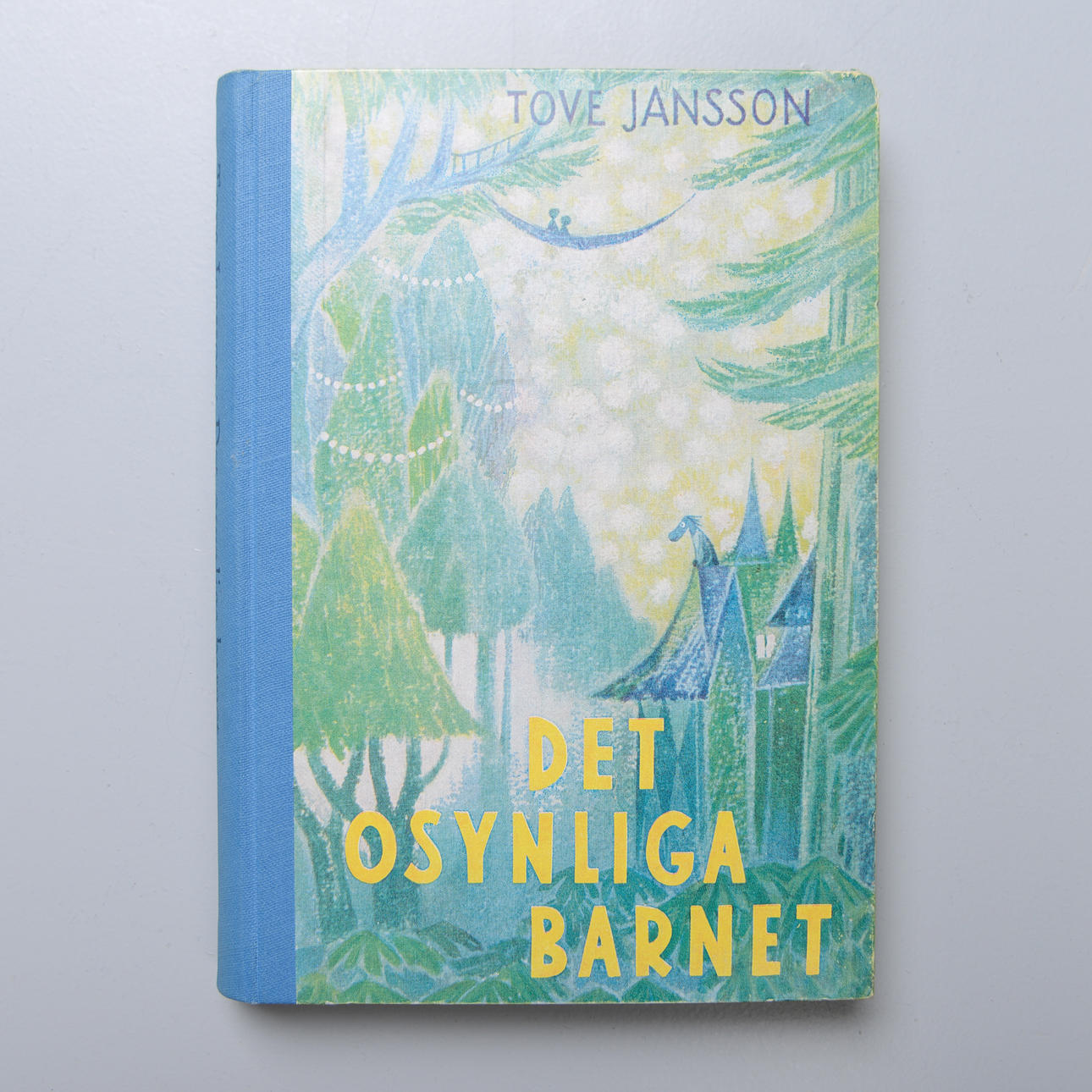
The very first editions (1940s–1950s): The earliest Swedish editions, published by Schildts Förlags Ab (for the very first books) and later Rabén & Sjögren, are highly coveted. Titles like Småtrollen och den stora översvämningen (The Moomins and the Great Flood), Kometen kommer (Comet in Moominland) and Trollkarlens hatt (Finn Family Moomintroll) in their original Swedish printings are key finds.


Early English translations: The first English translations, often published in the 1950s and 1960s by the London-based publisher Ernest Benn Limited in the UK and later by other publishers, are also significant. These early English editions introduced the Moomins to a wider international audience and possess a nostalgic charm for many. Look for first printings with their original dust jackets. The first Moomin book to appear in English was Finn Family Moomintroll (Trollkarlens hatt), published in 1950.
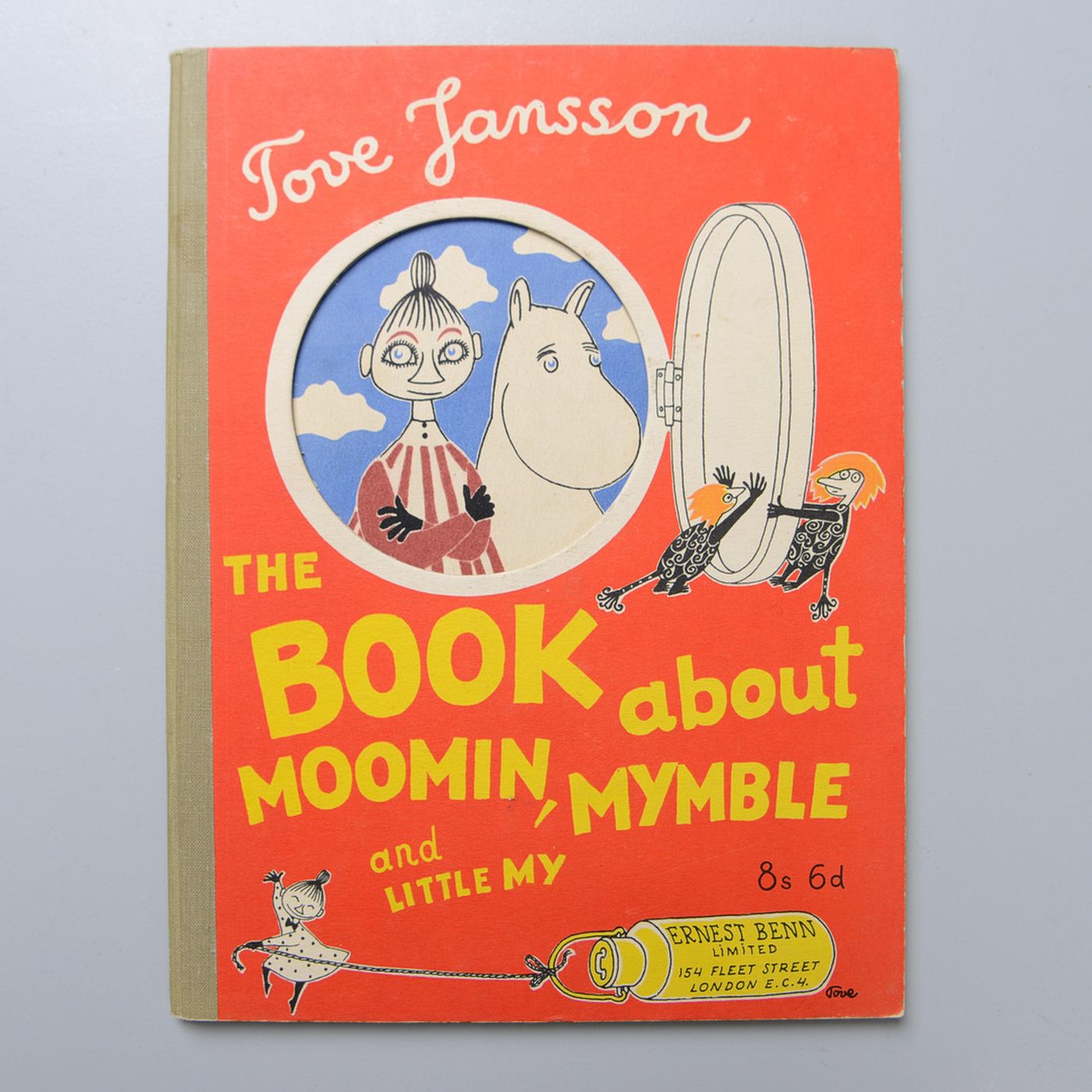
The Book about Moomin, Mymble and Little My. First English edition
Books illustrated by Tove Jansson: Editions where Tove Jansson herself provided the illustrations are particularly desirable, as her distinctive style is so integral to the Moomin universe. This includes not only the early novels but also later picture books and comic strips collected in book form.
Specific titles with unique features: Certain titles might have unique cover art, endpapers or other design elements in their early editions that were later altered. Identifying these variations can lead to valuable finds.
Seasonal and special editions: Keep an eye out for any early seasonal Moomin books or those released for specific events, as these often had limited print runs.
Signed copies: Signed Moomin books by Tove Jansson are exceptionally rare and truly a collector’s gem. A personal signature or dedication can significantly elevate a book's desirability and auction value, especially when combined with early editions or first printings.

Illustrations by Tove Jansson from the books "Who Will Comfort Toffle?" and "The Book about Moomin, Mymble and Little My".
Distinguishing Moomin Publications
Not all vintage Moomin publications are the same, and understanding the difference between novels and comics helps you make informed decisions. When discussing collectable Moomin books, it's common to distinguish between two main categories:
Original literary works: The nine novels and picture books that Tove Jansson both wrote and illustrated from 1945 onwards. These works feature Jansson's distinctive illustrations throughout, which evolved subtly over time. Early editions of these literary works are what most collectors refer to as "vintage Moomin books" and are typically the most sought-after items.
Moomin comic strips: Originally created by Tove Jansson for the newspaper Ny Tid in 1947 and, later, for London's Evening News. From 1961, her brother Lars Jansson took over the illustrating duties for these strips whilst Tove focused on her novels. These comic strips were later collected and published in album format. While these collected comics are valued by enthusiasts, they represent a separate collecting category from the original novels.

Photograph of Tove Jansson. © Wikimedia Commons
The Global Appeal of Vintage Moomin Books
The Moomins’ appeal extends far beyond Scandinavia, attracting dedicated fans and collectors worldwide. Vintage editions in different languages have become important parts of the Moomin collecting world.
Finnish Editions
As Tove Jansson was a Finnish-Swedish author, first editions and early printings in Finnish are highly valued. Finnish collectors often place these editions alongside the Swedish originals in significance, given their deep cultural connection to Jansson's heritage.
Japanese Editions
Japan has maintained a strong love for the Moomins, helped by the success of the Moomin anime series and the opening of Moominvalley Park near Tokyo. Early Japanese translations, some with unique cover illustrations or adapted names, are particularly cherished and occasionally appear at rare book fairs.
The Magic Lives On: Finding Your Own Vintage Moomin Books
Whether you are a lifelong fan or a newcomer enchanted by the Moomin universe, collecting vintage Moomin books offers a special way to connect with the events in Moominvalley.



)