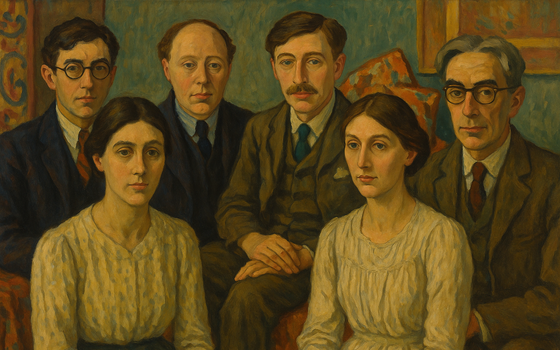
Barely a day goes by without Swedish design from the post-war period being auctioned off for record prices. Sometimes these records are noted in New York, at other times in London. Or, world records are set in smaller Swedish cities such as Sundsvall. The fact that antiques have been pushed aside in favor of modern design is not news to anyone in the interior or auction industry, but in Sweden, this trend may have gone further than anywhere else. One explanation for this can be found in both the Swedish carpentry tradition and progressive societal ideals, but nothing would have happened without a little help from Denmark.
From Machine Aesthetics to Soft Modernism
On a broad scale, the so-called social engineering of the first few decades of the 20th century paved the way for new interior ideals and new types of furniture in new homes. A welfare policy with progressive housing programs could hardly be furnished with anything other than models based on studies of housing habits and the needs of modern people. However, the international tubular steel style that gained ground on the continent became in Sweden more of an aesthetic fashion than an absolute break from traditions. In just a few years, the radical machine aesthetics were translated into a softer Swedish modernism that soon got the name 'Swedish modern.' Cool steel models were too strict for the Swedish audience and became more carriers and conveyors of ideas than physical items for the country's citizens to fill their homes with. With vast forest areas, it was natural to have a developed domestic carpentry whose traditions stretched back centuries, both regarding furniture for the upper class and the common people, in Sweden called “allmogen”. It was more natural to embrace a Swedish modern ideal with rational wooden furniture.
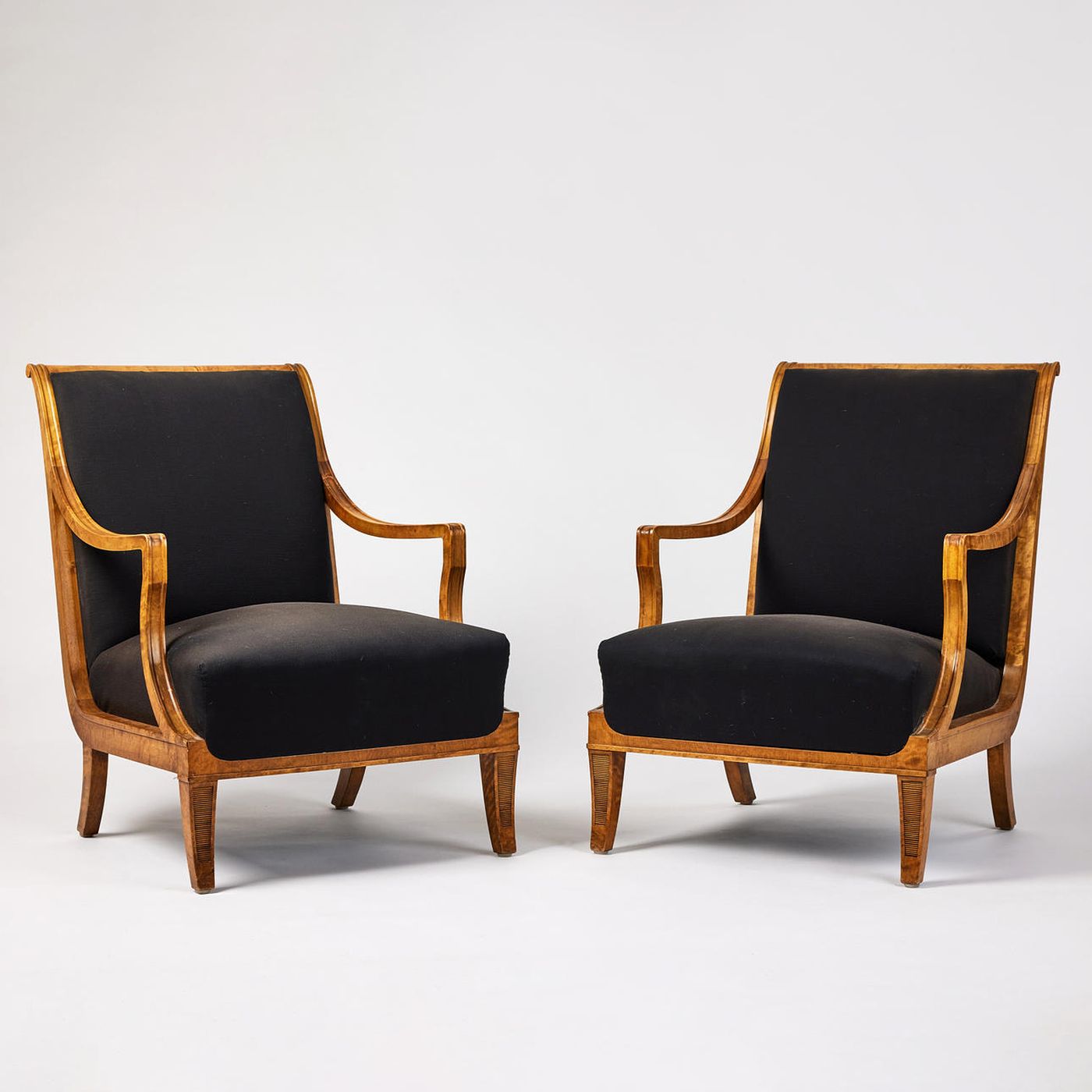
CARL MALMSTEN. Armchairs, pair, Svenska Möbelfabrikerna Bodafors, Swedish Grace, veneered birch, fluted legs, upholstered seats and backs, covered in dark fabric.
The Rise of Danish-Swedish Collaborations
Times had changed, and old furniture ideals were replaced by new ones. Representative style garnitures gave way to functional pieces suitable for the needs of modern people. As the majority of actors in the furniture industry were small, often carpentry shops with a handful of employees, the need for external designers was significant. Several Swedish freelance furniture architects thus provided a plethora of manufacturers with new models. However, many Swedish companies turned to Denmark to update their product range.
By the mid-20th century, modern Danish furniture art had already conquered the world with elegant furniture, primarily in teak, and significantly contributed to putting Scandinavian design on the map. It was not strange that furniture architects based in Denmark were approached by a Swedish furniture industry in transformation. Their contributions to the Swedish market have occasionally been highlighted in overview works but perhaps not given the care they deserve. To some extent, it involved licensed production where Swedish companies took up the production of existing models in Denmark. But above all, the production was characterized by entirely new furniture models that had never seen the light of day before. These were largely influenced by a Danish expression, seemingly without adaptation to what could be said to be a more Swedish taste. The dominant wood types were teak and oak, and later also rosewood. From the second half of the 1950s to the end of the following decade, many Danish names appeared in Swedish product catalogs, and their creations received attention in trade journals and exhibitions.

Børge Mogensen. “Spanish Chair”
Danish Icons Who Shaped Swedish Design
As an example of successful collaborations between Danish designers and Swedish furniture factories, mention should be made of Børge Mogensen and AB Karl Andersson & Söner in Huskvarna. In December 1954, the company's then CEO, Yngve Malmvall, wrote a letter sent to several furniture architects in Denmark. Mogensen responded positively, and already the following year, AB Karl Andersson & Söner could present the first models in the hugely successful Øresund series, which was more sparsely designed than many of those the Danes provided to the Swedish market. In 1961, the same company launched Mogensen's pine series Asserbo, typical of the early 1960s' angular ideals and not quite as Danish compared to his compatriots' contributions. Mogensen became something of a poster name in Sweden. But equally significant were contemporaries like Erik Wørts, who at the time was somewhat unknown to the wider audience.


For several decades, IKEA presented best-selling models designed by Wørts. His name and portrait were seen in the catalogs, but beyond that, he never received much recognition in Sweden. One explanation for that might be that, like a chameleon, he created models in all imaginable styles. For many years at IKEA, he never established his own profile, even though he contributed with several models that are now considered Swedish classics. Alongside these, several other famous Danish furniture creators can be listed. Common to them is a distinctive Danish expression. These include Ib Kofod-Larsen, Hans Olsen, Kurt Østervig, Arne Wahl-Iversen, the couple Tove and Edvard Kindt-Larsen, and Johannes Andersen. The first-mentioned designed furniture for a handful of Swedish factories, but it is mainly his contributions to Olof Persons Fåtöljindustri and AB Seffle Möbelfabrik that are appreciated on the secondary market today.




Scandinavian Crossovers and Enduring Influence
Hans Olsen's name recurs during the 1950s and 1960s; in several cases, these are licensed models, but his name also appears in the early 1970s, then in connection with shapes that have nothing in common with Danish carpentry traditions. Similar descriptions can be given for Kurt Østervig's contributions to the Swedish furniture industry. Several small Swedish furniture companies hired him, and he designed both upholstered furniture, beds, and mirrors for Swedish purposes. When it comes to Arne Wahl-Iversen, he was responsible for several models sold by IKEA for a few years but never left his roots, sticking to furniture in oak and teak. The internationally renowned couple Tove and Edvard Kindt-Larsen collaborated similarly primarily with Olof Persons Fåtöljindustri and AB Seffle Möbelfabrik, which, thanks to them, got some very memorable items in their range.
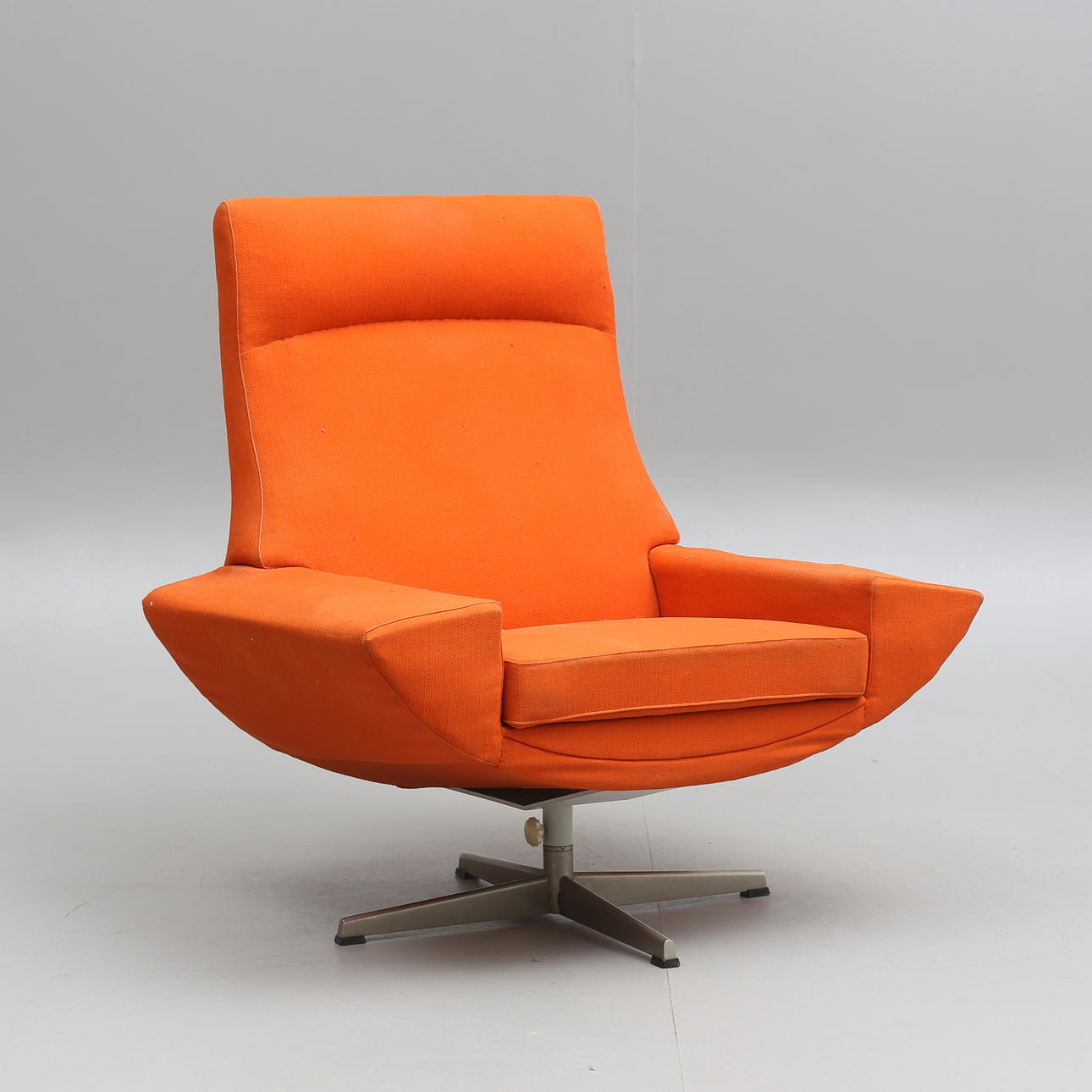
A particularly interesting designer in this context is Johannes Andersen, who, for AB Trensums Fåtöljfabrik, for just over ten years, produced seating groups with a distinctive expression that was immediately associated with its creator. Comfortable sofa groups with particularly eye-catching undercarriages – with curved sofas as his signature – were presented annually at the Swedish Furniture Fair before appreciative furniture retailers and often an enthusiastic group of critics. For AB Trensums Fåtöljfabrik, this transformation of the factory's production meant a total overhaul. It had previously been dominated by stylized garnitures and moderately designed modern pieces. The transformation is indicative of several smaller Swedish furniture manufacturers who, at the time, began hiring Danish furniture architects. For several of them, these external contributions meant the survival of their factories.
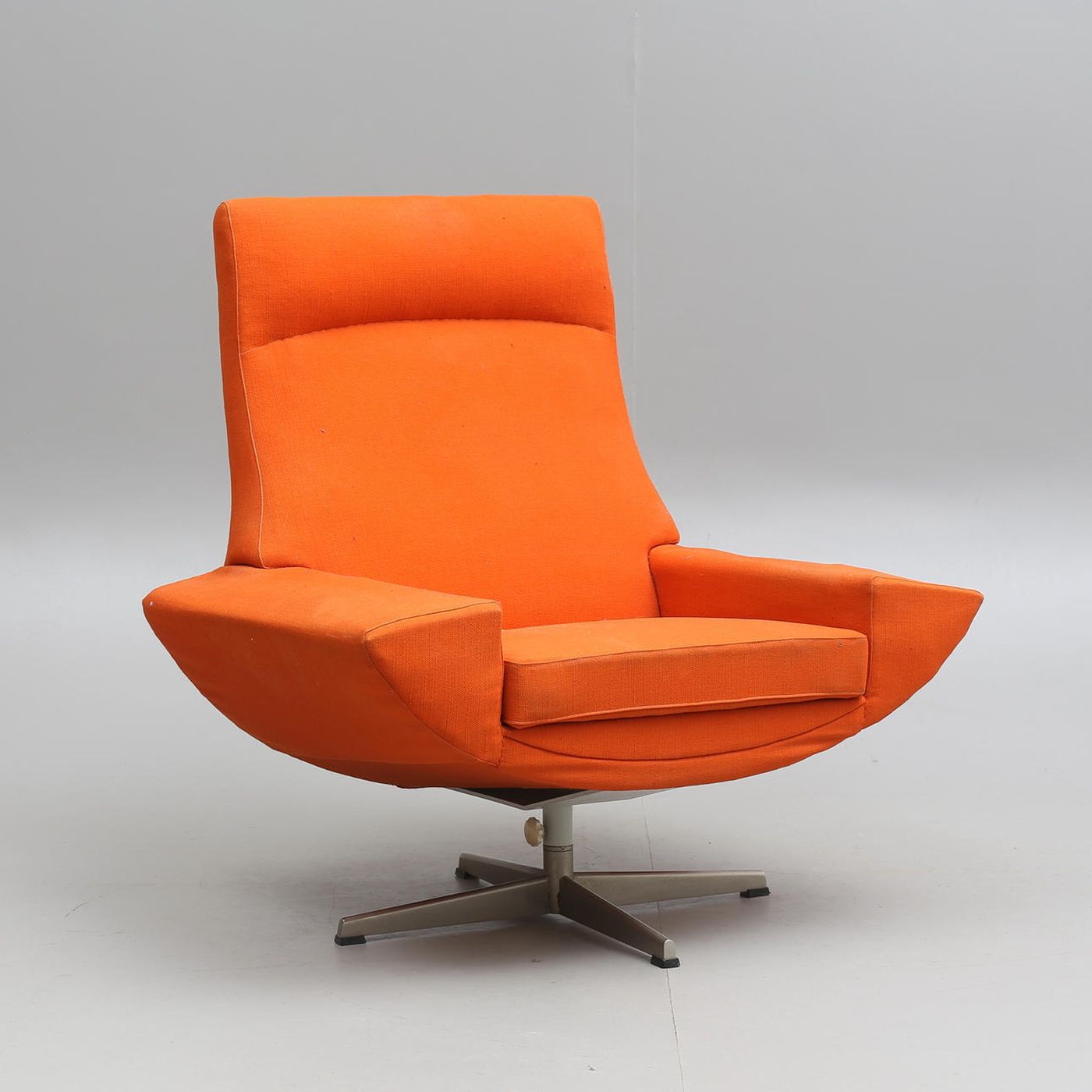
"Capri" Johannes Andersen, Trensum Möbelfabrik
A New Danish Wave: Enter Niels Gammelgaard
Towards the end of the 1960s, Danish contributions became increasingly scarce in the Swedish furniture market. This was likely the result of a changing industry with new materials far from the old craftsmanship ideals that characterized Danish furniture design, in particular. In Denmark, the break was strong and embodied by Verner Panton's marvelous interiors in bright colors.
For Sweden, it would take some time before any Dane had a similar influence. When it finally happened, the year had become 1976. IKEA presented the Folke chair, designed by Niels Gammelgaard. He would later lead the way for the furniture trends of the 1980s and position himself at the forefront with his thin tubular steel furniture. But, as it often happens, that's another story.
Subscribe to the keywords Niels Gammelgaard, Trensum, Ib Kofod-Larsen, Hans Olsen, Kurt Østervig, Arne Wahl-Iversen, Tove and Edvard Kindt-Larsen, Johannes Andersen, Børge Mogensen and we'll notify you when new items by them appears at auction.
)

)