)
Step through the doors of Pitzhanger Manor & Gallery in Ealing, London, and you enter a place like no other. During a recent visit, Auctionet Academy explored this visionary home, designed by Sir John Soane for himself at the turn of the 19th century. Here, every line, curve and shaft of light tells a story about beauty - how it was once imagined, and how it continues to inspire more than two centuries later.

© Pitzhanger, Photo: Andy Stagg
Sir John Soane, Architect of Ideas
The son of a bricklayer, Soane rose through the Royal Academy to become one of the most original architects of the Regency period. His reputation was cemented by major commissions such as the Bank of England, but Pitzhanger gave him the rare chance to build without compromise. Here, he could demonstrate to patrons, pupils and friends how architecture could be stripped of excess ornament yet remain emotionally powerful.
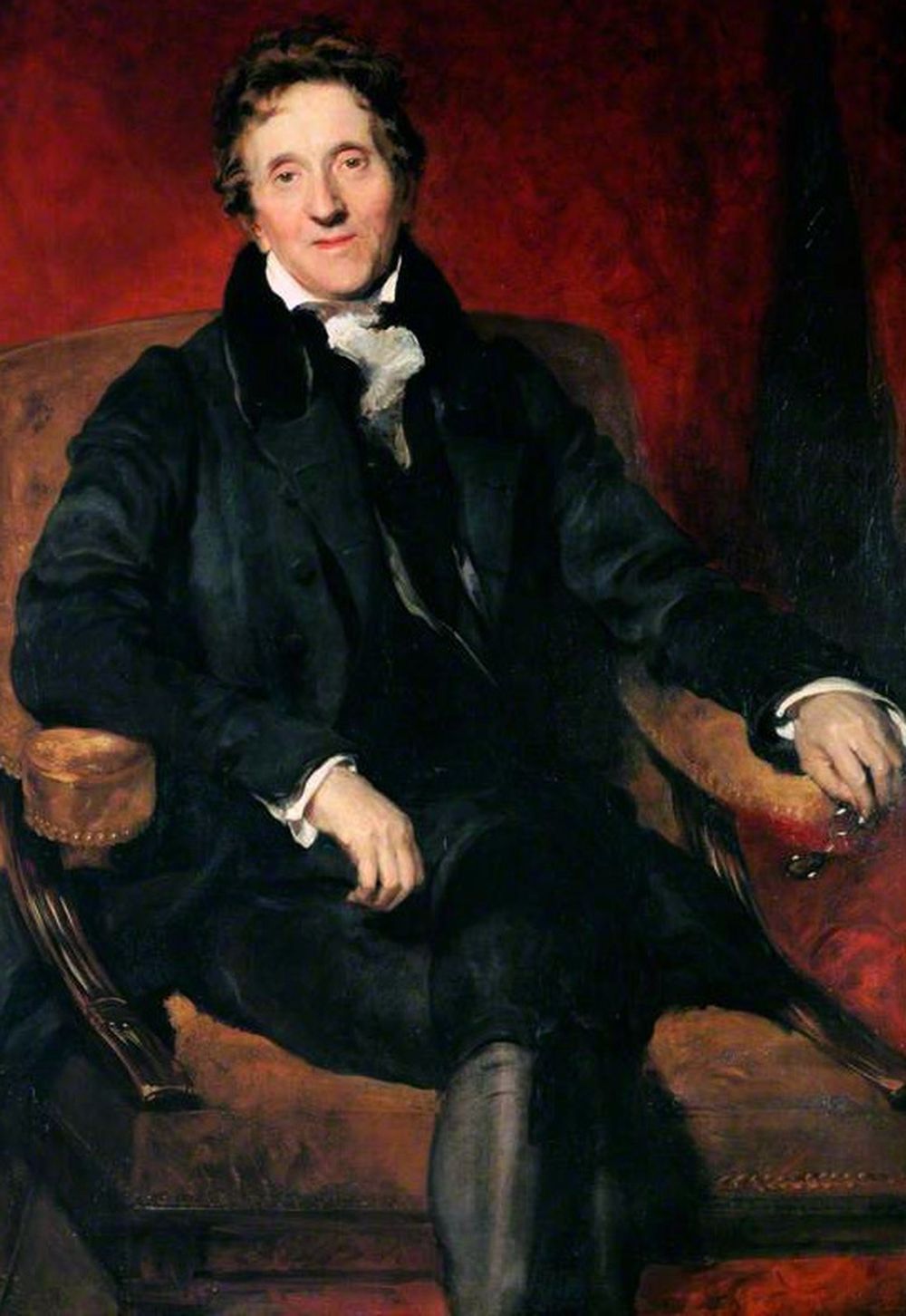
Portrait of Sir John Soane by Thomas Lawrence. © Wikimedia Commons
Pitzhanger – A Vision of the Future
Known for its serene geometry and poetic light, Pitzhanger Manor is Soane’s personal manifesto. He takes the Regency language of domes, arches and classical proportion and pares it back until only the essentials remain. The result is surprisingly intimate, rooms that feel calm, measured and quietly theatrical.

© Pitzhanger, Photo: Andy Stagg
The Poetry Of Space
Walking through Pitzhanger, certain details begin to stand out. The lines are clean and deliberate; surfaces remain simple and orderly, with carefully detailed mouldings and clear edges that allow the structure itself to take focus. Light plays a central role, softened by lanterns, shallow domes and mirrors that guide it gently across walls and curves. As the day moves on, the atmosphere shifts, revealing the building’s changing character.

© Pitzhanger, Photo: Andy Stagg

© Pitzhanger, Photo: Andy Stagg

© Pitzhanger, Photo: Andy Stagg

© Pitzhanger, Photo: Andy Stagg
There is also a remarkable sense of openness. Aligned doorways and framed views create depth and connection between rooms, letting the house unfold naturally rather than divide itself into separate parts. Beneath it all lies a classical order, but one pared back almost to abstraction — a balance of form and restraint that would not look out of place in modern design more than a century later.
From Regency to Modernism
Soane’s understanding of space went far beyond surface and ornament. At Pitzhanger, proportion, shadow and light define how each room feels, revealing an architect more concerned with experience than display. His restraint — allowing form and daylight to carry expression — has led many to regard him as one of the first modernist architects. Pitzhanger stands as both a reflection of its age and a quiet step towards modern design — a lasting expression of simplicity, space, and light as the truest ornaments.


Collecting in the Spirit of Pitzhanger
Regency furniture with classical lines: reeded legs, klismos silhouettes, disciplined mahogany. Egyptian Revival bronzes and clocks: architectural in form, elegant in restraint. Architectural prints, models and fragments that evoke the scholarly curiosity of the Grand Tour.


)