Evolution of Tom Dixon's Design Universe
Tom Dixon’s design journey began in the mid-1980s when he started as a self-taught designer, crafting metal-based furniture from found objects and scrap. His breakthrough came with the S-Chair, which was picked up by the Italian design house Cappellini in 1991, catapulting Dixon into the global design spotlight.
In 2002, Dixon established his own design studio in London. The studio became renowned for bold, sculptural lighting fixtures that feature Dixon's signature use of metals like brass, copper, and aluminium, often polished to a high shine.
His artistic style can be described as a blend of metal engineering, innovative craftsmanship and a nostalgic nod to the 1960s space age.
The studio’s experimental approach, which includes conceptual interiors and installations, has led to Tom Dixon’s inclusion in prestigious collections at the Museum of Modern Art (MoMA) in New York and the Victoria & Albert Museum (V&A) in London.
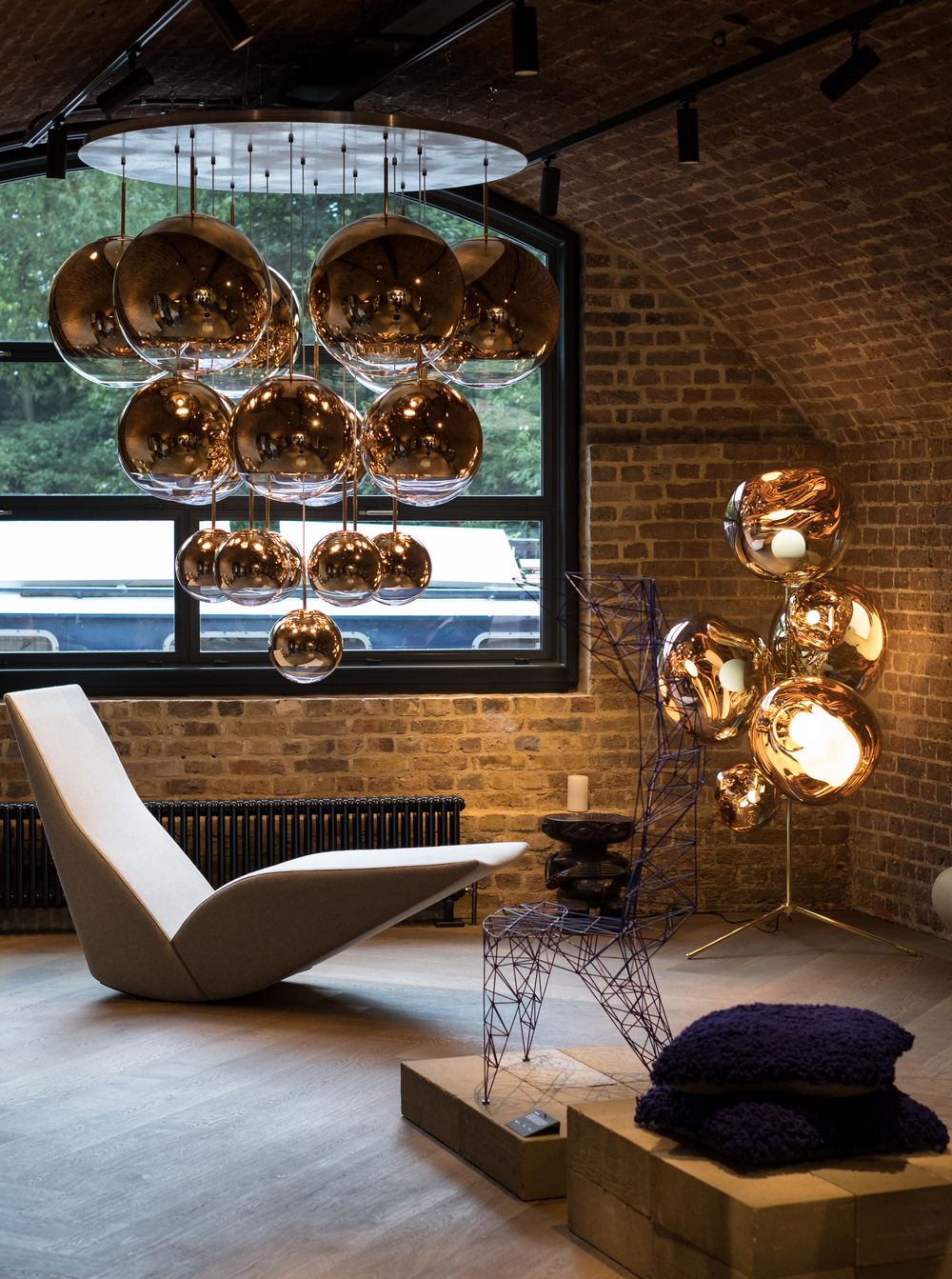
Tom Dixons Studio in London
Three Significant Tom Dixon Lighting Designs
Melt series (2014)
Following in the footsteps of his experimental approach to materials, Tom Dixon introduced the Melt series in collaboration with Swedish design collective FRONT. Inspired by the transformative process of molten glass and metal, Melt captivates with its distorted, almost liquid-like form. When illuminated, the lamps reveal a mesmerizing luminosity that echoes the glow of a hot-blown glass object. The semi-transparent globe, available in several metallic finishes, appears solid when off but transforms into an ethereal, fluid object when lit, reflecting Dixon's mastery of both form and light.
Since its introduction, the Melt series has garnered a legacy as a contemporary classic, becoming a sought-after design icon that brings a dynamic play of light and form into modern interiors.

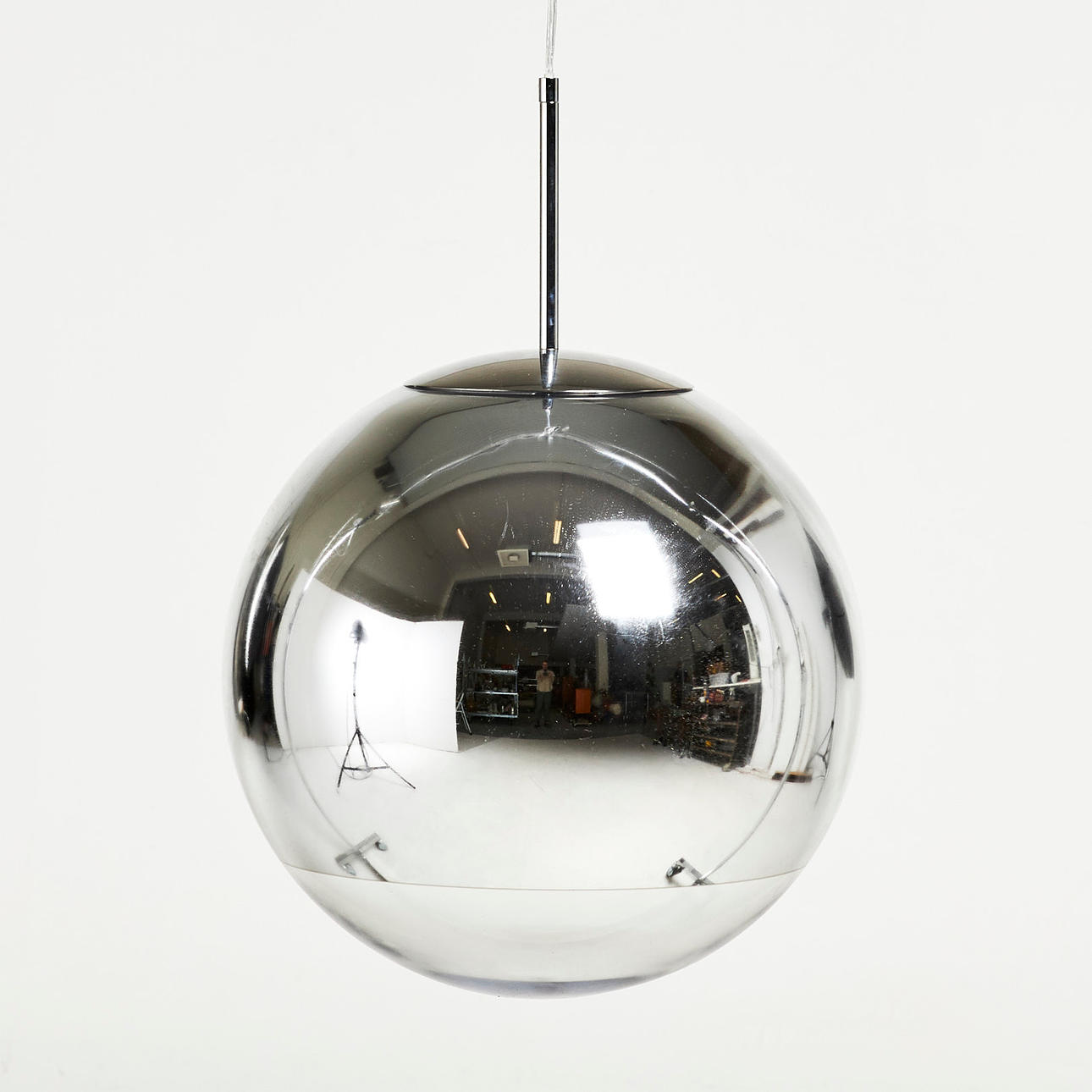
Mirror Ball (2002)
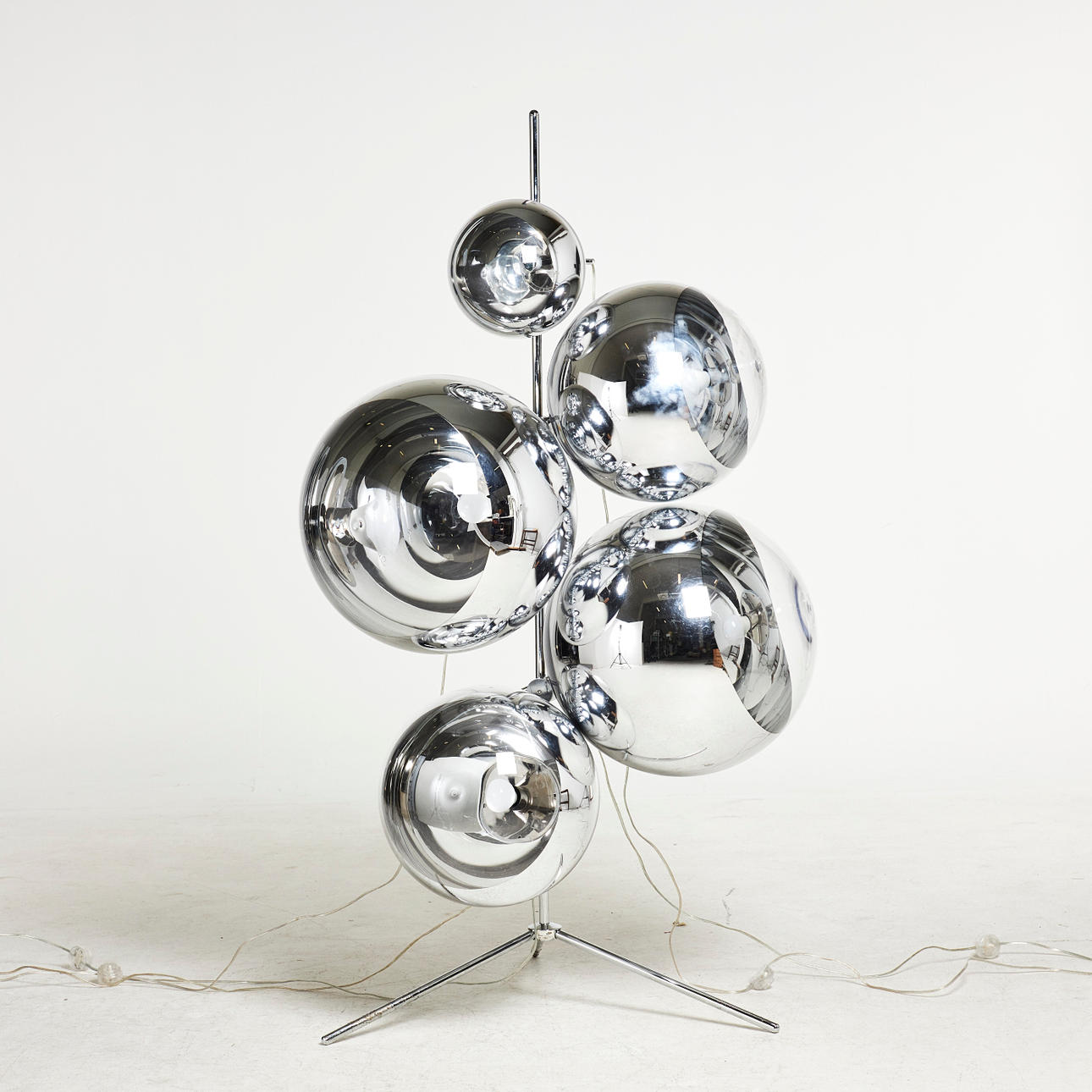
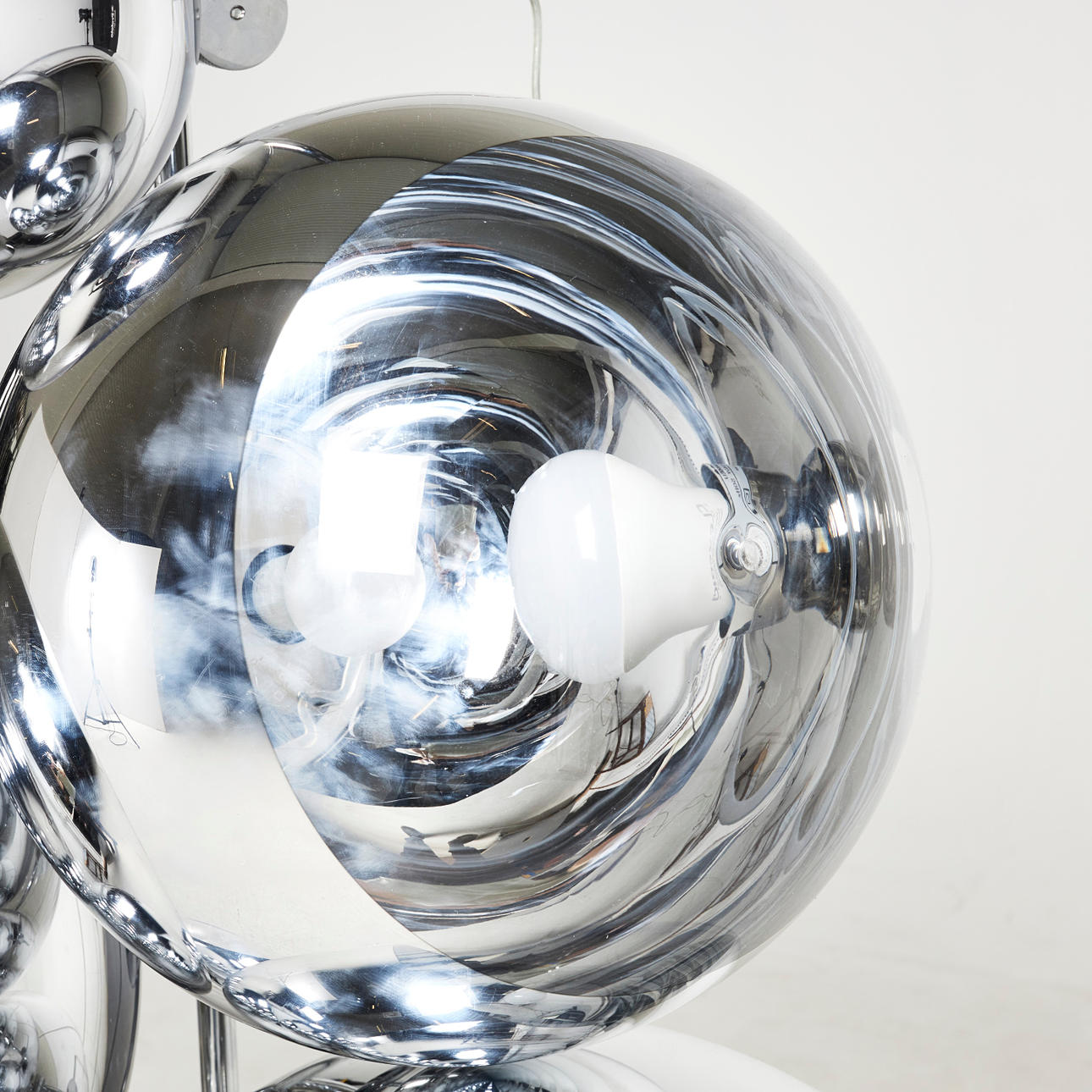
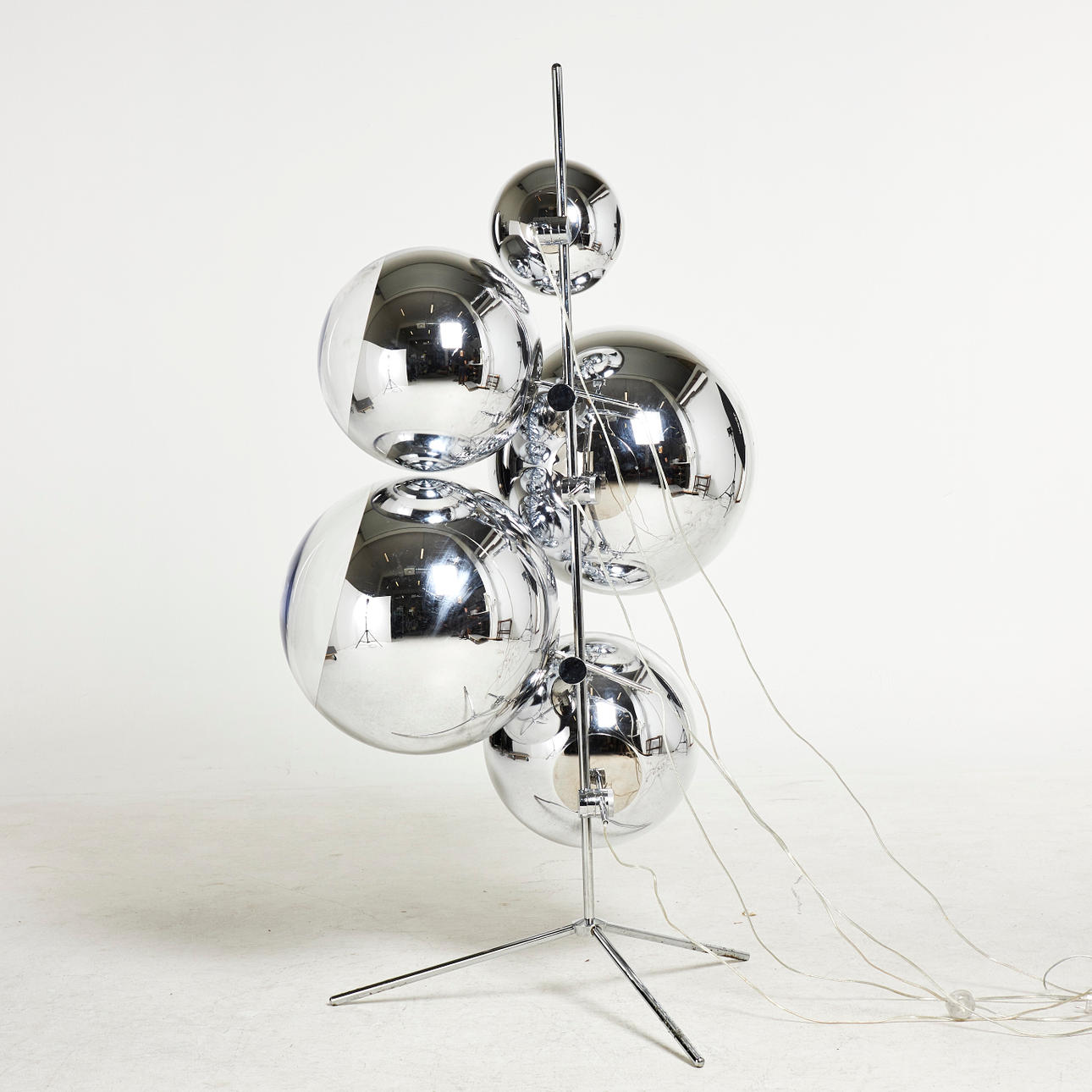
The Mirror Ball series epitomizes Dixon’s fascination with reflective surfaces and simple geometric forms. Made from highly reflective aluminium, the Mirror Ball includes pendant lights, floor lamps, and a Stand Chandelier added in 2016, which consists of seven luminous spheres of varying sizes.
The collection is celebrated for its striking aesthetic, blurring the line between functional lighting and sculpture.
Jack Lamp (1994)
One of Dixon’s earliest forays into plastic, the Jack Lamp is a playful, multi-functional piece that can serve as a light, a side table, or a chair. Its molecular-like form and stack ability make it a versatile design object.
Awarded the Millennium Mark in 1997, the Jack Lamp is already recognized as a classic and is part of the V&A’s permanent collection.

Future Classics
According to Auctionets expert Tom Österman, several Tom Dixon designs show strong potential to become future classics, particularly his lighting creations. Dixon’s Melt Pendant, with its distinctive copper colour and fluid form, frequently appears at auctions and is considered a strong candidate for future classic status.

Tom Österman, Senior Executive Auctionet
Similarly, Österman points to the Mirror Ball Floor Chandelier from 2016, which he believes will stand the test of time due to its sculptural, high-end appeal.
The Screw Café Table has also been gaining attention at auctions, signalling that Dixon's furniture could become highly sought after in the future.
The Dixon Label in the Auction Market
When considering purchasing Tom Dixon pieces from the auction market, it's essential to ensure that the items are properly labelled. Most authentic Dixon designs are labelled, which adds to their value and authenticity. If a label isn't shown in auction photos, it's wise to contact the auction house to verify whether it’s present, as this can impact both the credibility and value of the piece. Even though labels may wear off over time, a labelled item is preferable for collectors.
)