Astrid Lindgren and the Birth of Pippi Longstocking
Astrid Lindgren (1907–2002) is one of the most influential Swedish children's authors of the 20th century. With more than 165 million books sold worldwide and translations in over 100 languages, she created characters that continue to resonate across generations. In addition to Pippi Longstocking, Lindgren is known for series such as Karlsson-on-the-Roof, Emil of Lönneberga, Ronja Rövardotter (Ronia, the Robber’s Daughter) and The Brothers Lionheart.
The story of Pippi Longstocking began in 1941, when Astrid Lindgren invented the character to entertain her daughter, Karin, who was home sick with pneumonia. Karin asked her mother to tell her a story about a girl named “Pippi Longstocking” – a name Karin made up on the spot. Astrid Lindgren later said that because the name was so unusual, the character became equally unconventional.

From Rejection to Success
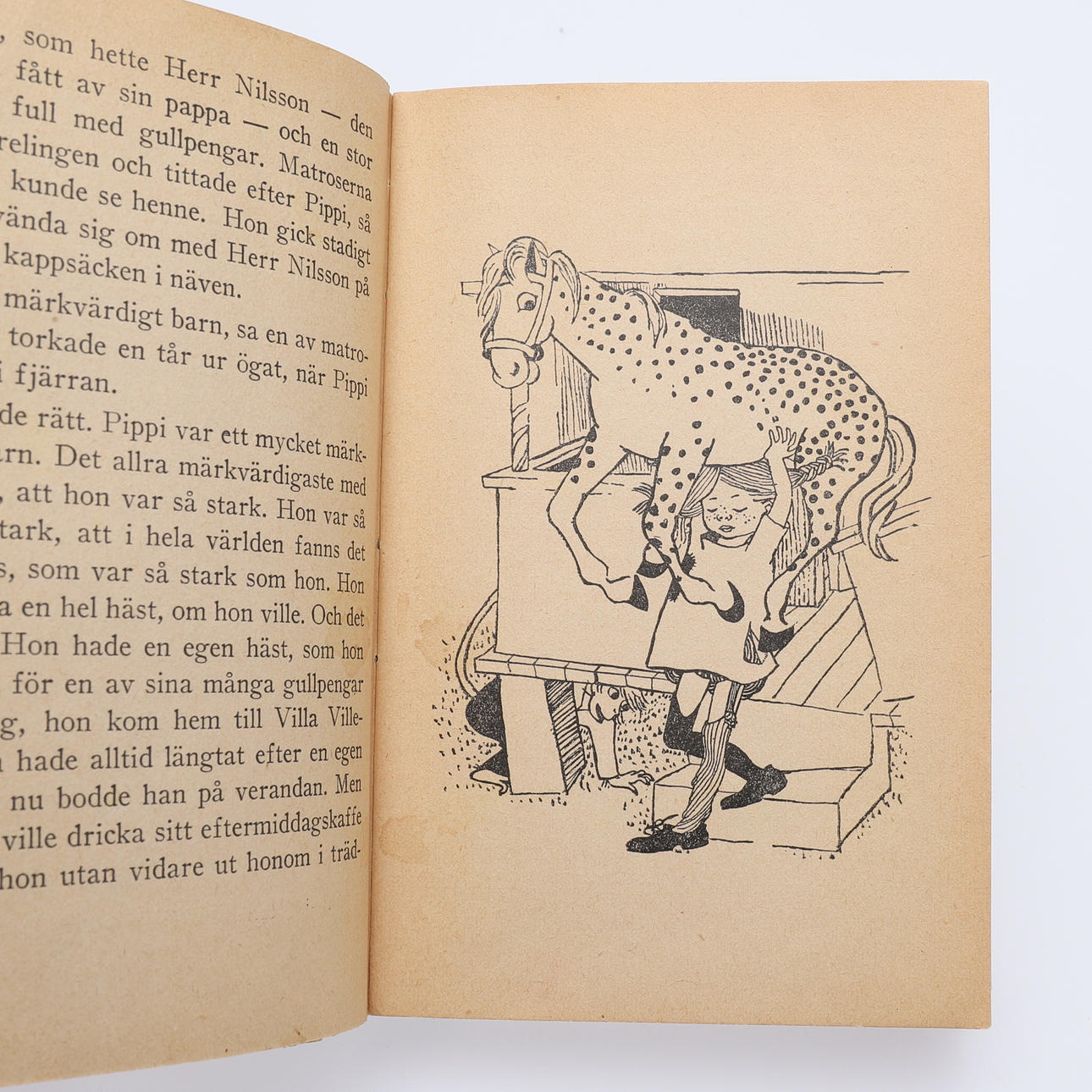
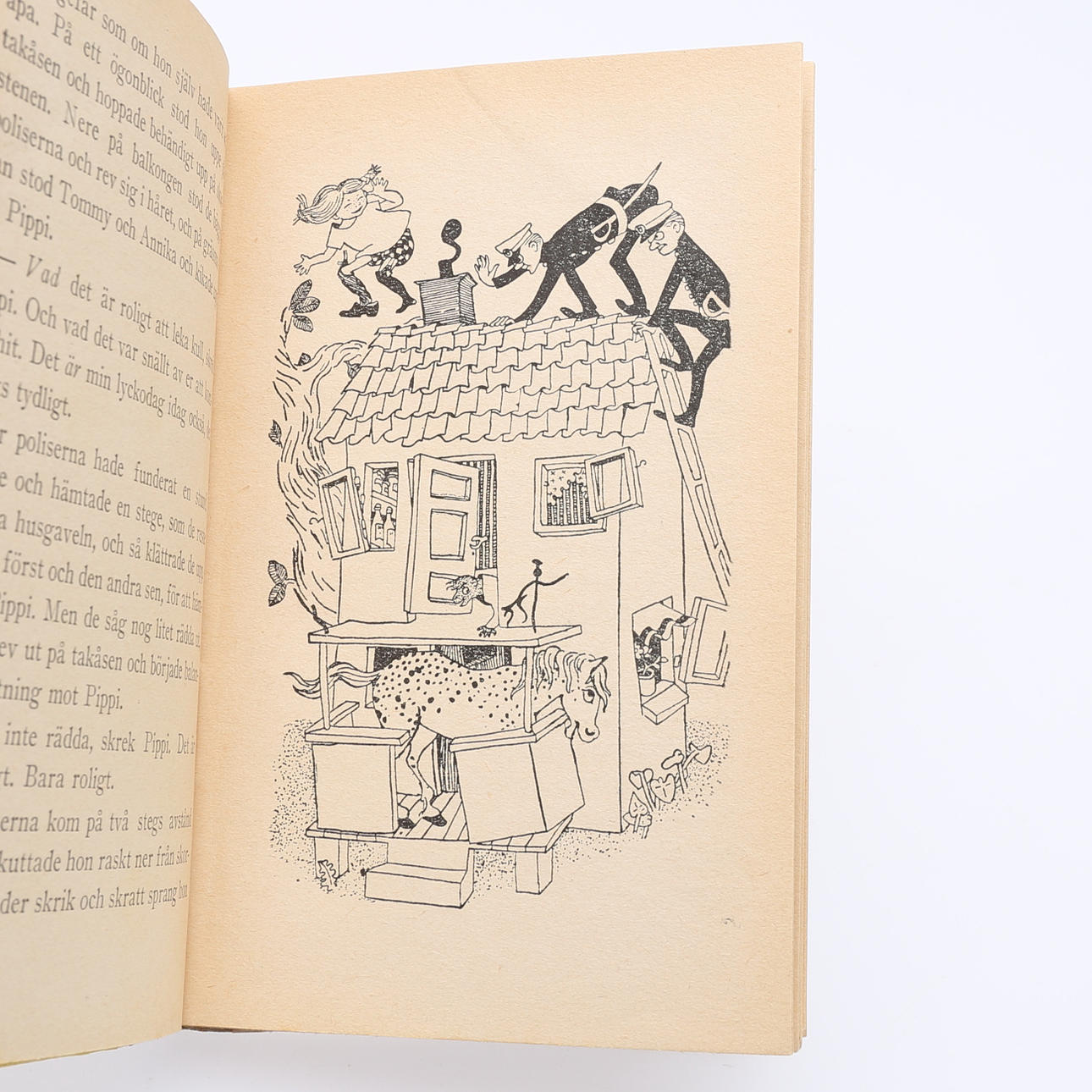
After being rejected by a major publisher, Lindgren submitted her manuscript to Rabén & Sjögren in 1945, where it won a children’s book competition and was published later that year with illustrations by Ingrid Vang Nyman. The success was immediate and overwhelming. By the end of the 1940s, hundreds of thousands of copies had been sold. Pippi had become a household name in Sweden and beyond.
Pippi represents my own childish longing for a person who has power but does not abuse it.
 – Astrid Lindgren
Illustations by Ingrid Vang Nyman
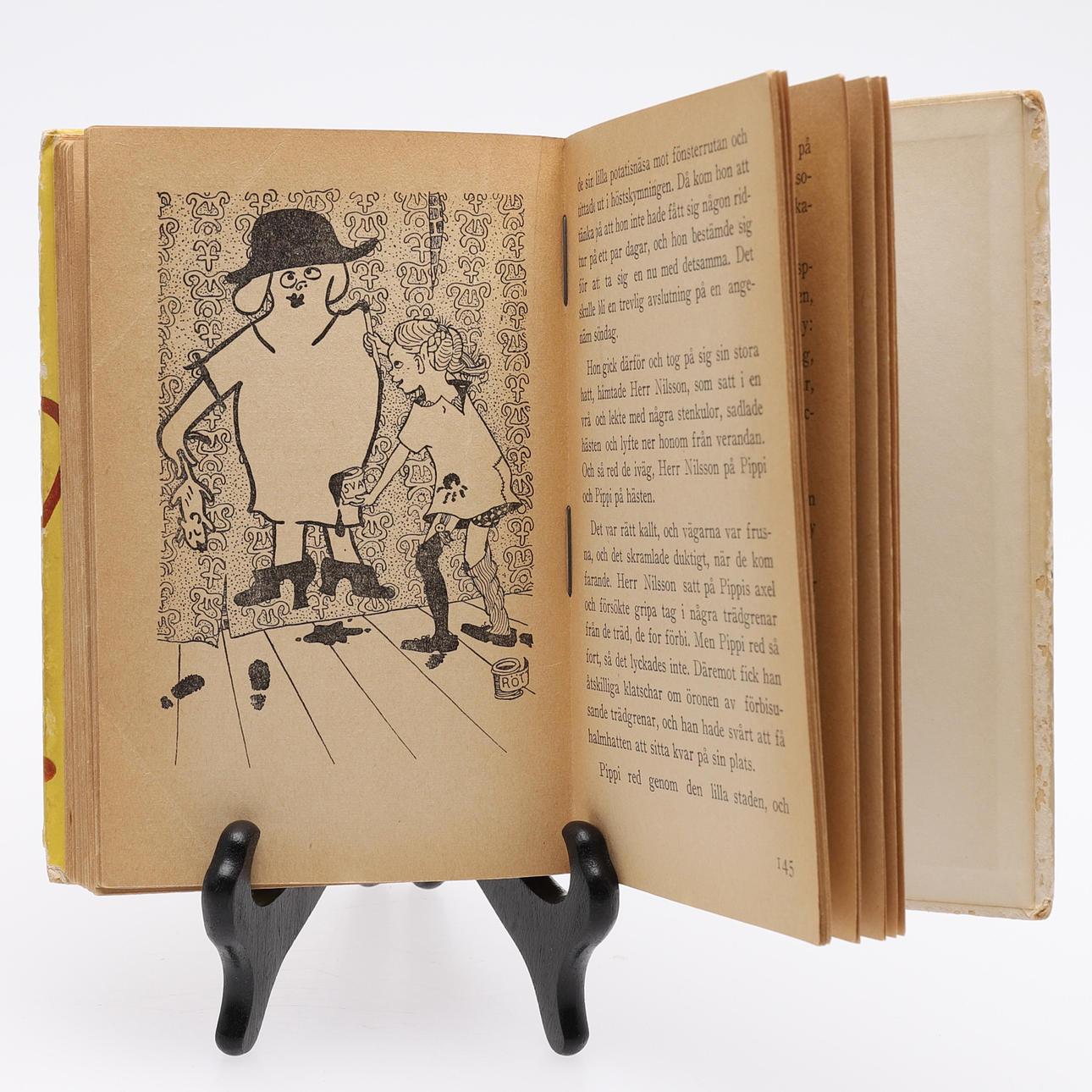

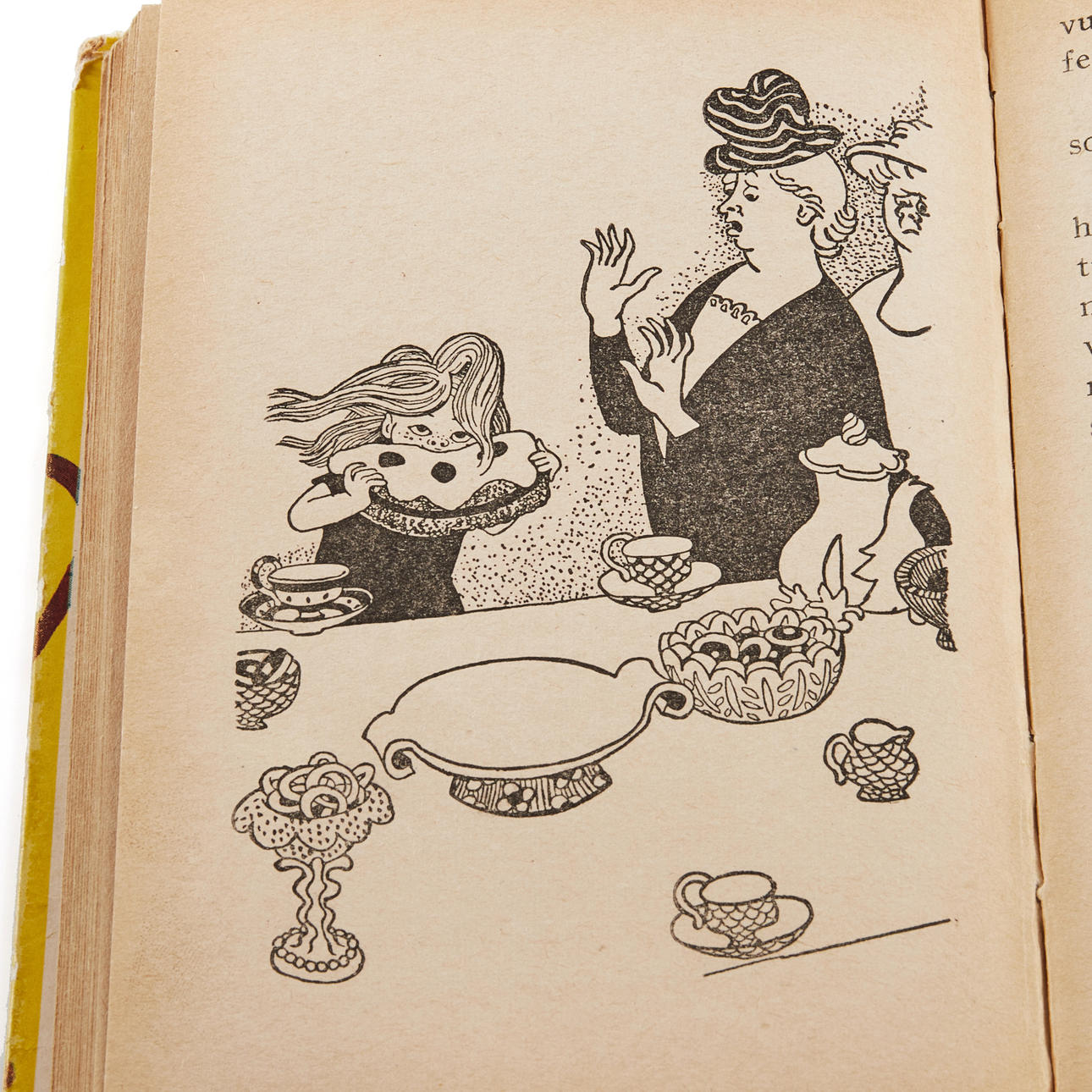
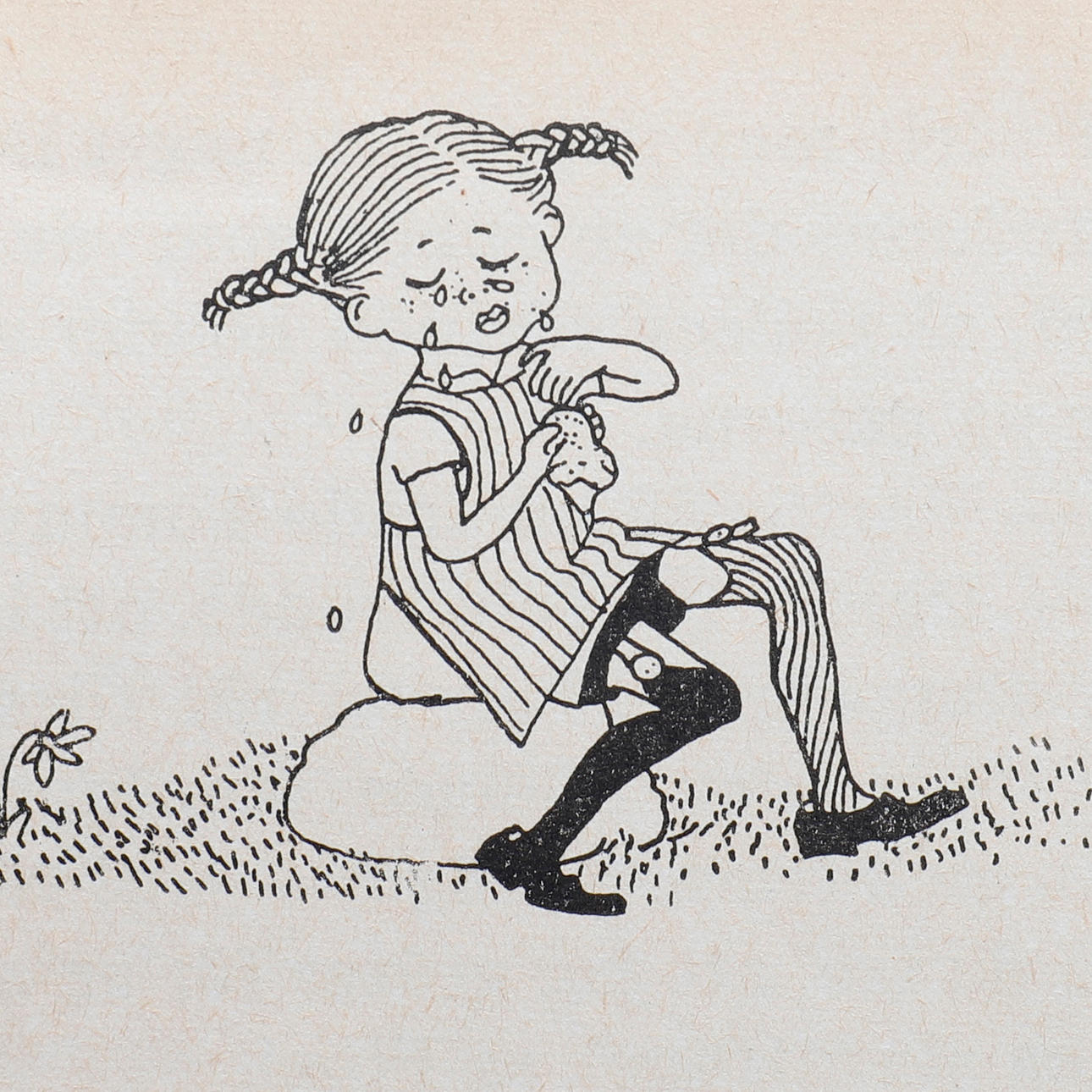
The First Three Pippi Longstocking Books – Rare Editions to Know
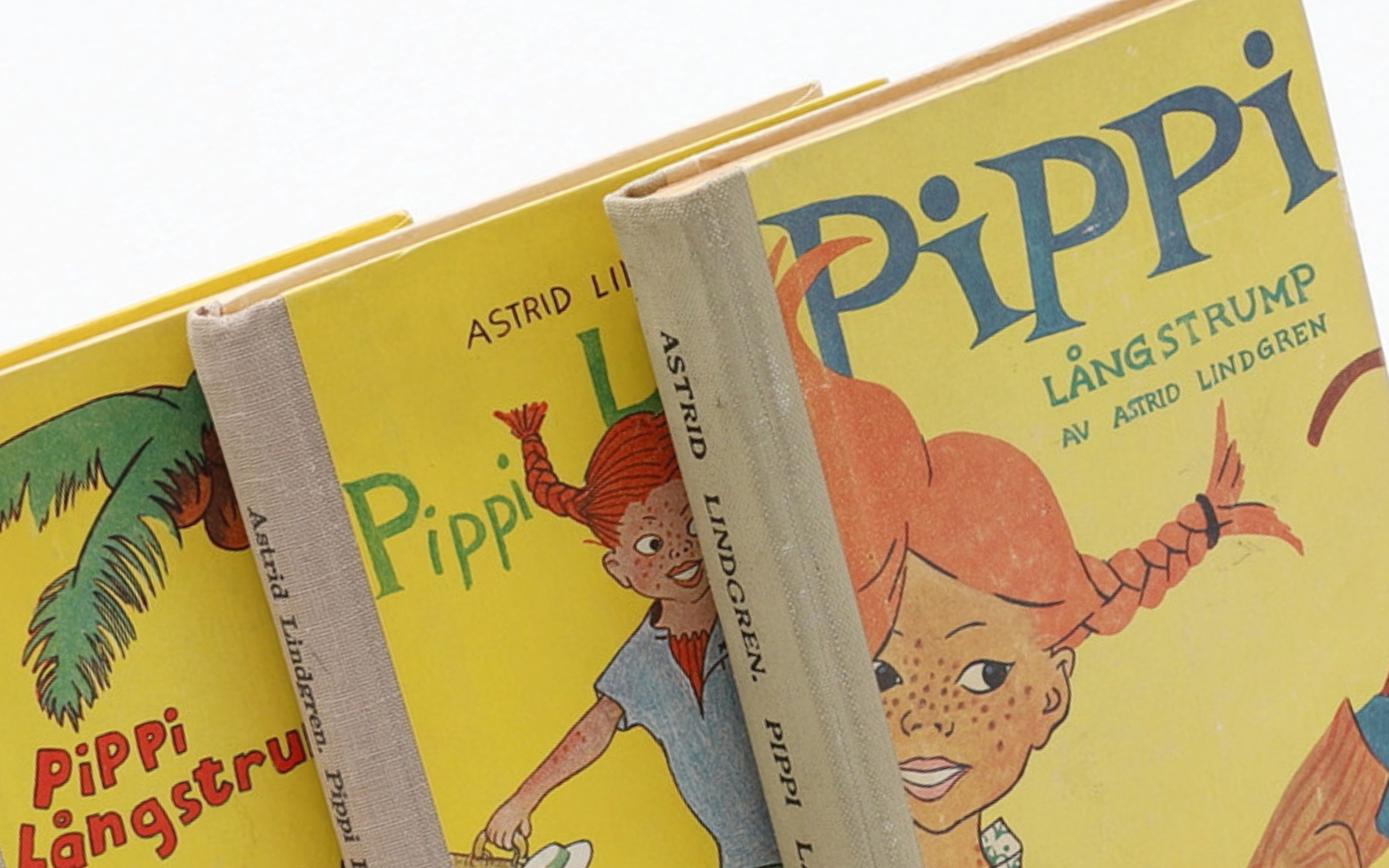
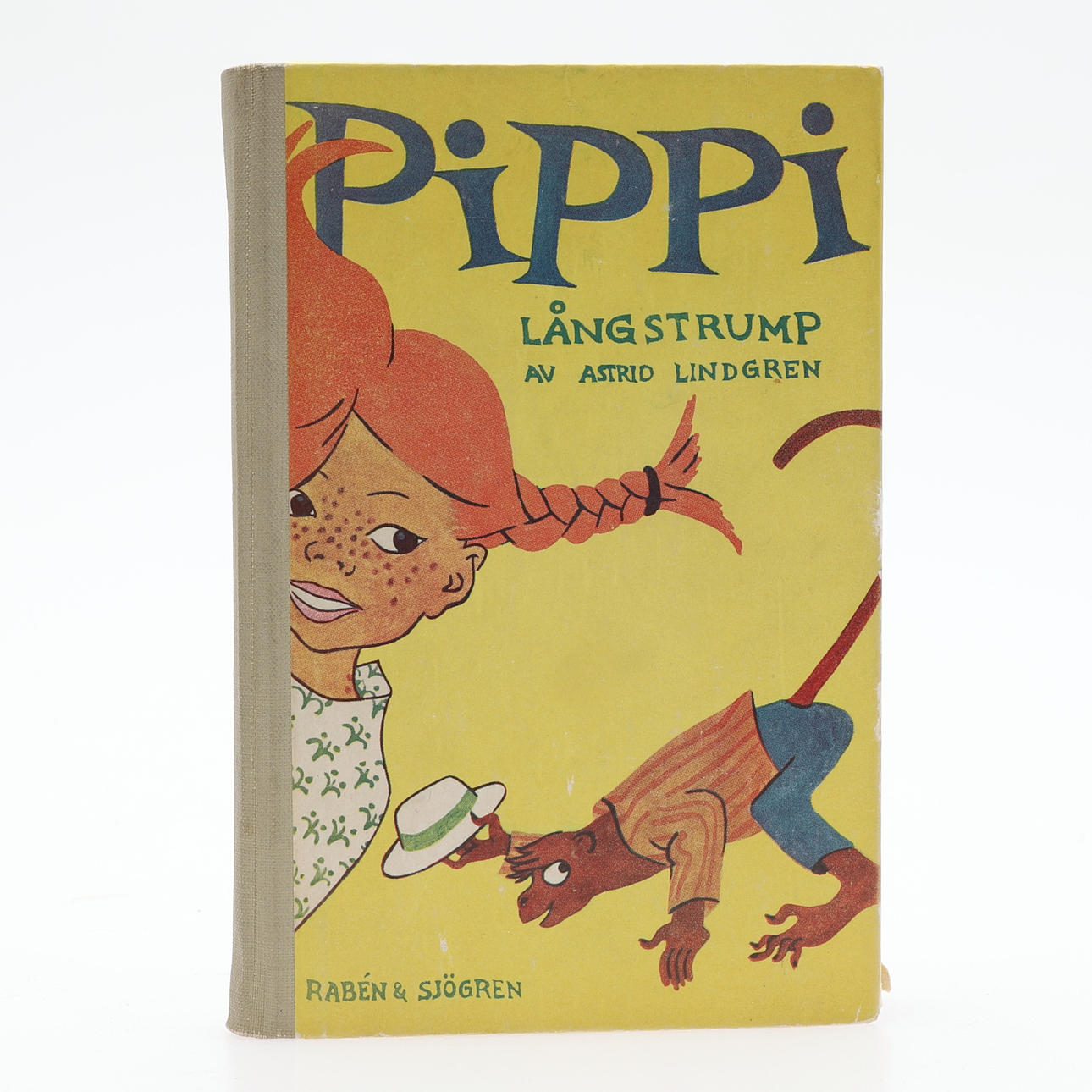
The rarest original Pippi Longstocking books are the first editions of Astrid Lindgren’s classic Swedish trilogy, published by Rabén & Sjögren between 1945 and 1948 and illustrated by Ingrid Vang Nyman. These are Pippi Långstrump (1945), Pippi Långstrump går ombord (1946) and Pippi Långstrump i Söderhavet (1948). These editions are typically bound in pictorial paper-covered boards with cloth spines.
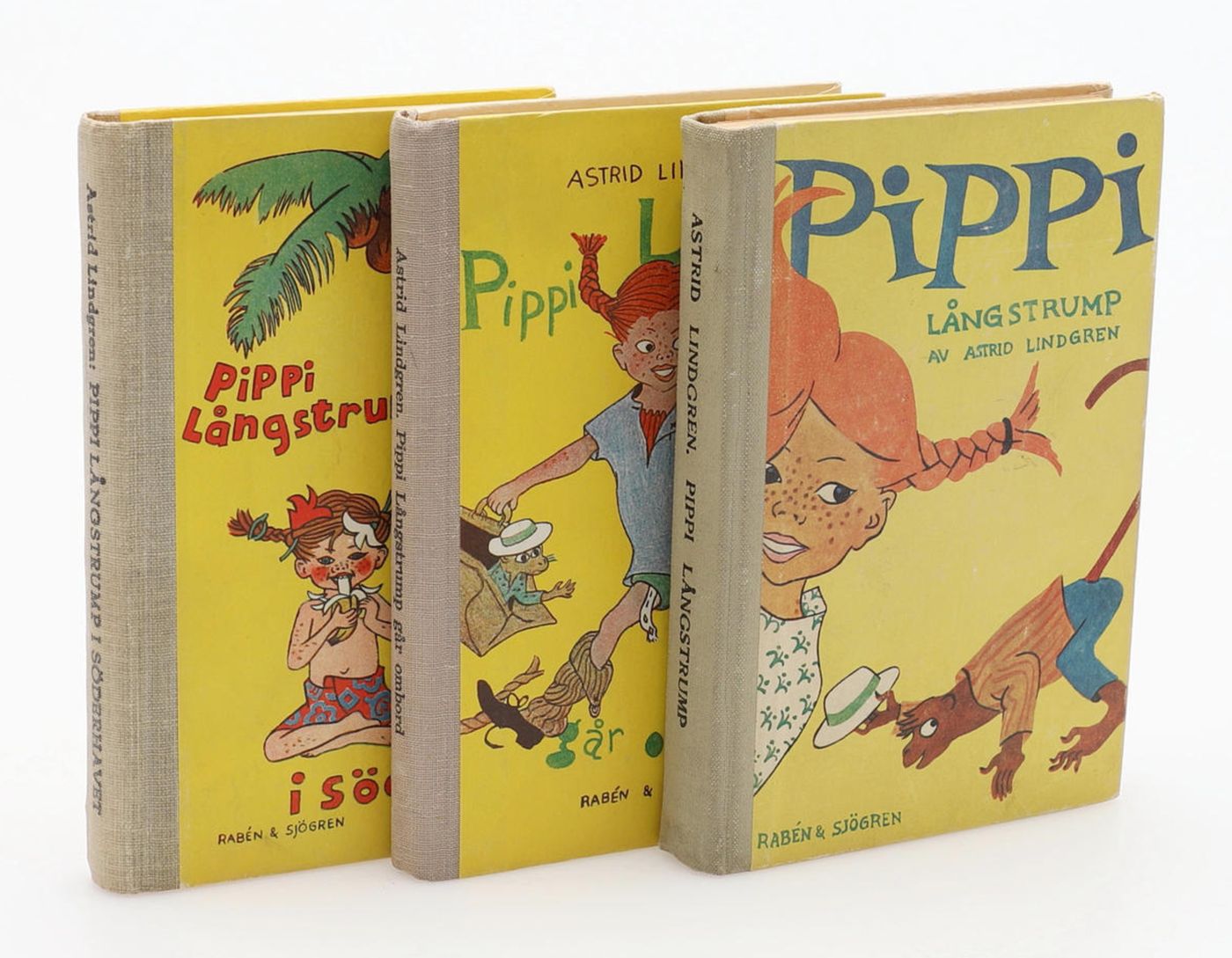
The first three books about Pippi Longstocking in Swedish.
First English Editions
The international popularity of Pippi Longstocking soared with the release of English translations:
Pippi Longstocking (Viking Press, USA, 1950; Oxford University Press, UK, 1954): The first English edition, illustrated by Louis S. Glanzman in the US and by different artists in later versions.
Pippi Goes on Board (1957, USA) and Pippi in the South Seas (1959, USA): These continued Pippi’s adventures in English, often with adapted illustrations and text.
First English-language editions are also prized by enthusiasts of original Pippi books, particularly those in good condition and with original dust jackets.
Ready to start your own collection? Browse our current listings for rare Pippi Longstocking books and bring a piece of literary history into your library.
Other Notable Pippi Books
Beyond the core trilogy, Astrid Lindgren also wrote picture books and additional stories featuring Pippi:
Picture books: Early picture books such as Pippi Moves In (Pippi flyttar in, 1969) and Pippi Longstocking’s After-Christmas Party (Pippi Långstrump har julgransplundring, 1948/1979) are particularly sought after in their first editions, particularly those illustrated by Ingrid Vang Nyman. Later picture books, like Pippi Longstocking in the Park (Pippi Långstrump i Humlegården, 2000/2001), also attract interest, especially when they feature original artwork.
Comic strip albums: Collectors also value the first comic strip albums, which were initially published in magazines and later collected in book form during the 1950s and 60s. The very first appearance of “Pippi Longstocking’s After-Christmas Party” in the Swedish magazine Allers (1948) is considered a true enthusiast’s gem.
What to Look for as a Collector
Condition is key: Original Pippi books in near-fine condition are rare. Look for intact bindings, minimal signs of wear, and, for English editions, the presence of the original dust jacket.
Illustrations: First Swedish editions feature Ingrid Vang Nyman’s distinctive artwork, now highly prized. These illustrations differ markedly from Louis S. Glanzman's artwork in the American first edition (Viking Press, 1950) and the more restrained design of the British first edition (Oxford University Press, 1954).
Edition and printing: Confirm whether the book is a true first edition and printing. Reprints are far less valuable.
Provenance: Signed copies, association copies, or those with notable ownership history can significantly increase in value.
Identifying First Pippi Editions
Pippi lovers seeking first editions of Pippi Longstocking should know what to look for. Many details distinguish original printings from later reissues:
Swedish first editions (1945-1948) feature pictorial paper-covered boards with cloth spines stamped in black, whilst lacking ISBN numbers entirely.
When authenticating potential first editions, examine the colophon page for printing information, check for known typographical errors that were corrected in subsequent printings, and note the binding materials and spine colouration.
Provenance is equally crucial; copies with documented history, particularly those signed by Lindgren herself, command substantial premiums at auction.
Given that the Pippi books were actively read by children rather than preserved as collectibles, first editions in near-mint condition are exceedingly rare.
Find Your Pippi Longstocking Books at Auctionet
Beyond their financial value, these books represent a turning point in children’s literature. Pippi’s irreverent spirit, strength, and kindness have inspired generations.


)
