)
This stunning aesthetic can best be described as a warm form of minimalism, where elements from modern Scandinavian design history (from 1900 onwards) play a key role. It is characterized by simplicity and a sense of playfulness, offering endless possibilities for combining soft pastels, raw natural materials, a love for high-quality craftsmanship, and the concept of Hygge.
Where it All Began
Scandi style, short for Scandinavian style, emerged from the modernist movement at the end of the 19th century, when avant-garde artists sought to break free from old conventions to create something original. The first spark of Scandinavian minimalism is often traced back to Ellen Key’s "beauty-for-all" philosophy, published in 1899. Karin Larsson, wife of the famous painter Carl Larsson, fully embodied this ideal. As their artist’s residence, Lilla Hyttnäs, frequently appeared in Carl’s popular watercolours, Karin’s creative and inviting home decor gained widespread attention.

Karin Larsson in her home, painted by husband Carl Larsson © Wikimedia Commons

Carl Larsson - " Lazy Corner"
Significant Designers and Manufacturers
The International Exposition of Applied Arts in Paris (1925) and the World’s Fair in New York (1939) were instrumental in highlighting Swedish craftsmanship on a global stage. Below are a few key designers and their collaborators:
Anna Petrus became known for her use of unusual materials like cast iron and pewter. She worked primarily with Svenskt Tenn, and several of her designs, often featuring her signature lion motif, are still in production.
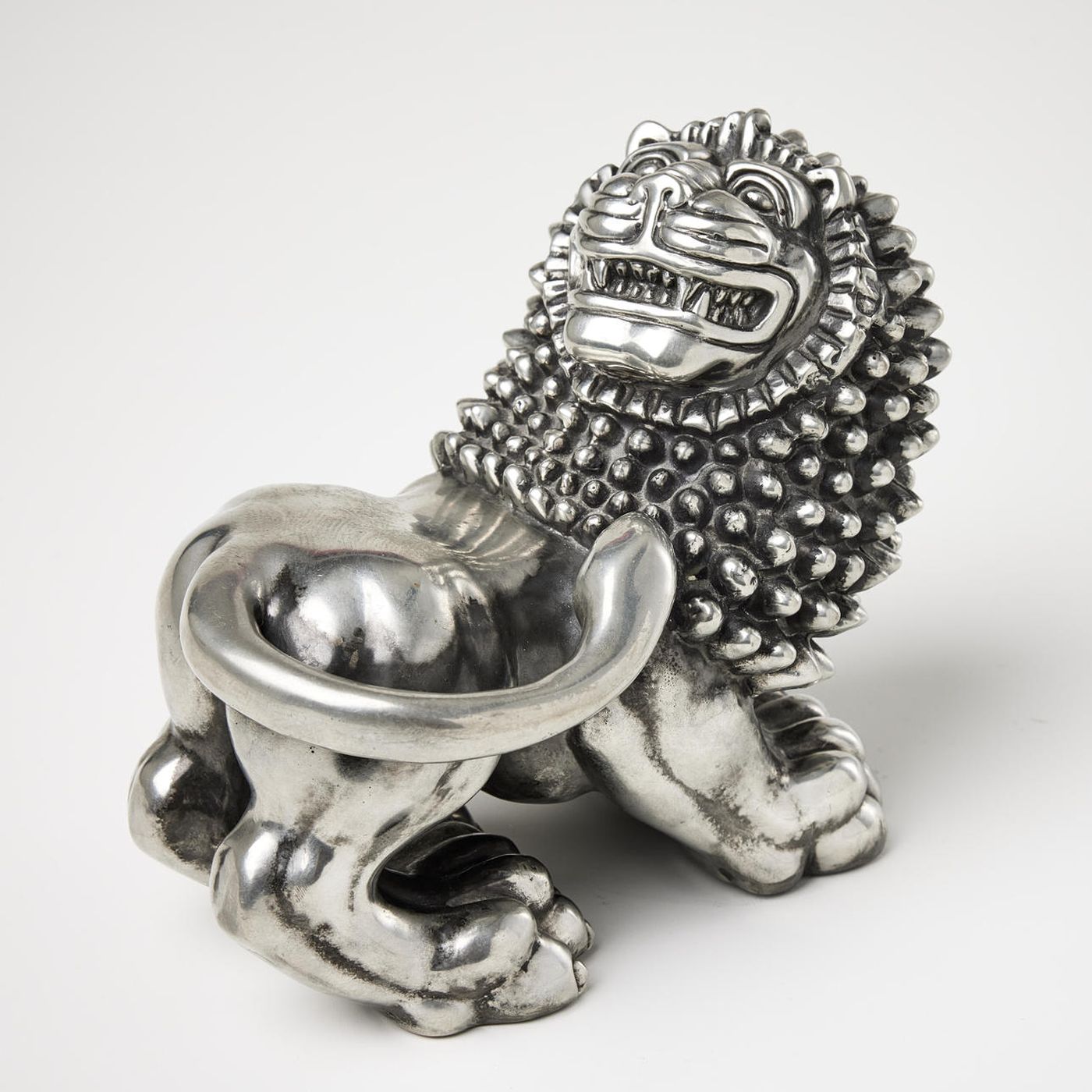
Anna Petrus. Lion, Firma Svenskt Tenn, Stockholm 1985.
Josef Frank, another well-loved designer for Svenskt Tenn, is renowned for his colourful textiles with imaginative patterns, such as Fantasia. Another iconic piece of his is the Diplomat coffee table.

Josef Frank. Sofa, model 968, Firma Svenskt Tenn, from 2022.
Carl Malmsten, a furniture designer, was famous for his exceptional use of wood. He collaborated with various small manufacturers, including O.H. Sjögren. Some of his best-known designs include the Lilla Åland chair and the Samsas sofa.
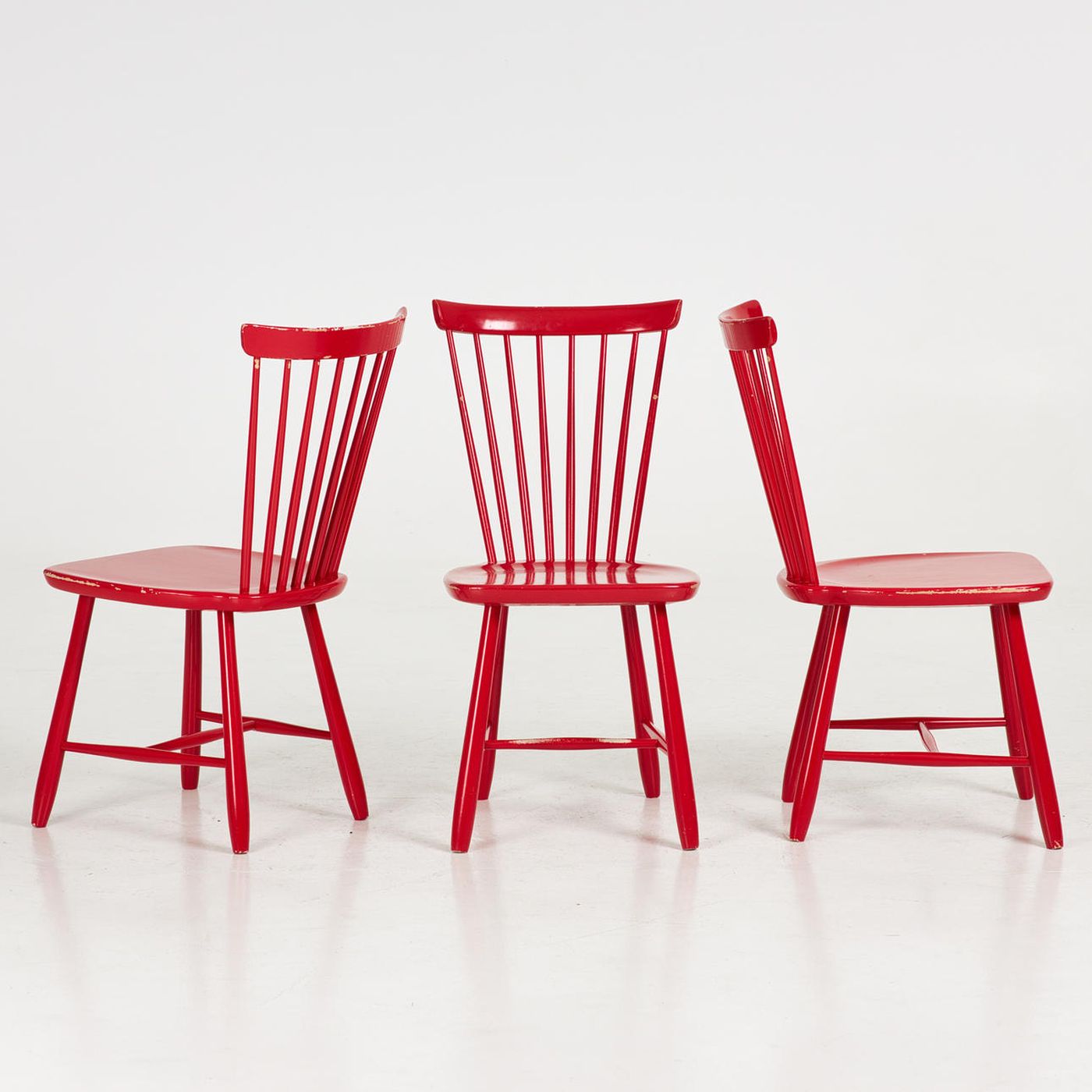
Carl Malmsten. 6 pieces, “Lilla Åland”, painted frame in red, circa 1960s.
How to Capture the Scandi Style
Start out with a colour palette that emphasise light and neutral colours like soft hues of greys or earthy tones. For a more playful expression add some light pink, green or yellow and for the bold ones some details from Josef Frank’s vibrant textile patterns.
A grand theme in Scandinavian design is the love of natural materials, so look for pieces manufactured in woods, like pine, oak and birch, wool, linen, leather and different types of natural stones. Prioritize high-quality craftsmanship and go for a design that is both beautiful and practical, look for vintage pieces from the 20th century or companies that are working in smaller productions. Don’t forget the alluring concept of Danish concept Hygge to maximize a cozy inviting atmosphere - think soft, warm textiles, candles and fireplaces.
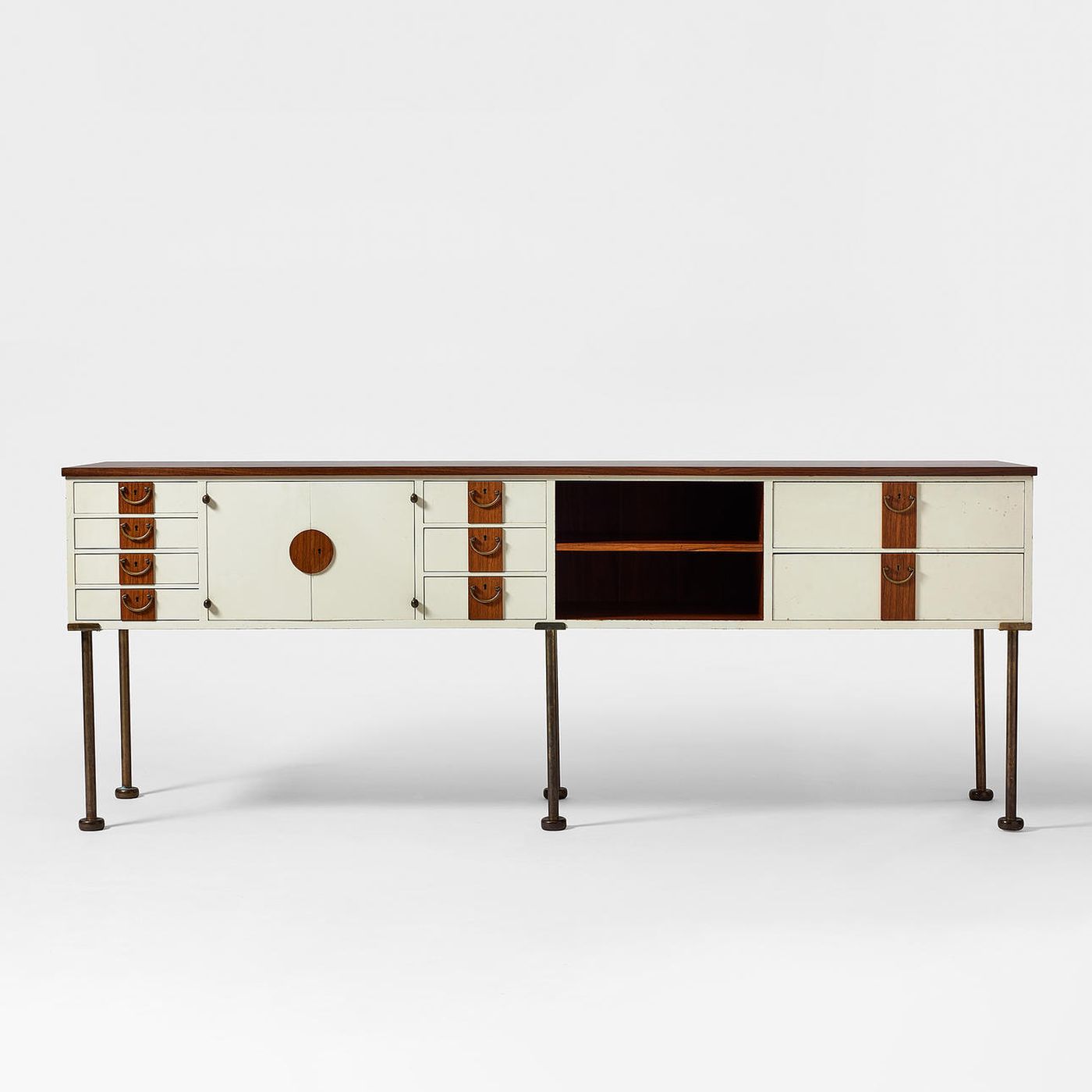
Josef Frank. Sideboard, Firma Svenskt Tenn, special order 1960-61,
Words from a Specialist
Expert Christofer Wikner, Who Are Your Favourite Designers in Scandi Style?
"One of my favourites is Alvar Aalto. To me, he represents the light, functional, and streamlined design with clean lines made from natural materials that many people associate with Scandinavian design. Besides Aalto, I admire Bruno Mathsson's softly curved furniture, like the Pernilla 3, and Arne Jacobsen's timeless shapes in natural materials, particularly the iconic Swan Chair."

Christofer Wikner, Specialist – Modern Furniture, Glass, Ceramics, and Carpets
Are There Any Rare Designs You Think One Should Look for at Auctions?
"My general advice is to look for early pieces by notable designers like the ones I mentioned. It’s also a good idea to familiarize yourself with important manufacturers such as Artek, Fritz Hansen, Nordiska Kompaniet, and Firma Karl Mathsson Värnamo, among others. Don’t miss the viewings! Looking online is helpful, but seeing these pieces in person provides a whole different experience."


)


)