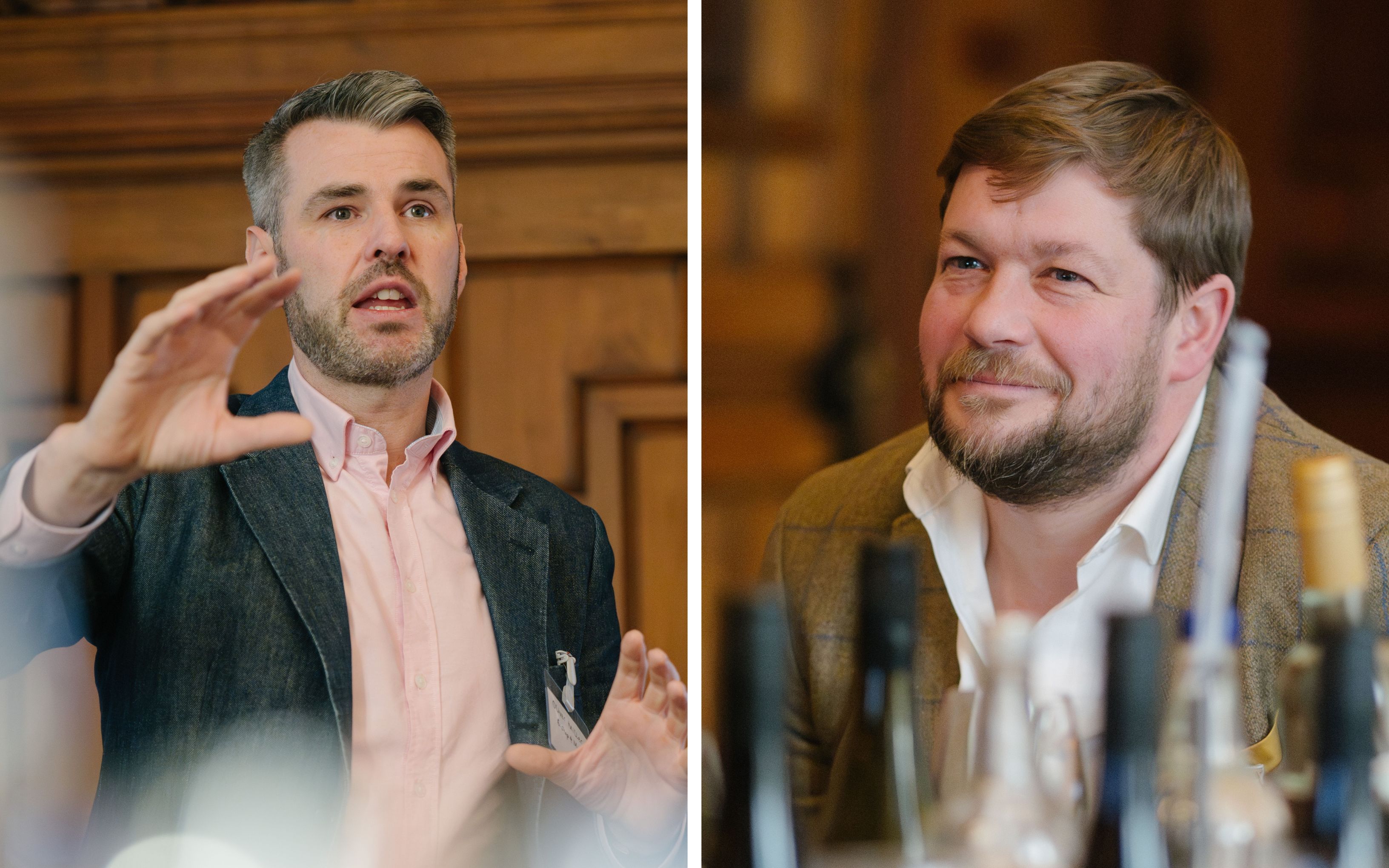
In late November, a group of auctioneers downed tools (and gavels) and headed to Manchester. Auctionet invited over 30 representatives from the auction world to Kimpton Clocktower Hotel for an afternoon of fresh perspectives, fine dining, and conversations designed to build connections that last well beyond the event itself.
)
The Manchester event was Auctionet’s third gathering of the year, guided by the same clear purpose: to bring auctioneers together, create space for shared experience, and send everyone home with fresh ideas for strengthening their businesses, and the future of auctions.
An afternoon at the Kimpton Clocktower
Just off Oxford Street, the Kimpton Clocktower was a natural setting for the occasion. With its high ceilings, soft light, and the understated hum of a city hotel, it set the tone as guests arrived in the Directors’ Suite at midday on 28 November.
)
Coats were hung, coffee cups exchanged for champagne flutes and conversations began almost immediately about recent sales, the changing habits of buyers and the latest “you’ll never guess what walked through the door” stories that only auctioneers can tell.
As everyone settled in for a three-course lunch, Oskar Tornvall, Director of Sales at Auctionet, welcomed his peers and framed the day: this was a moment to pause, compare notes, and look ahead together at where the auction world is heading.

Oskar Tornvall from Auctionet hosted the event.
Three talks, three perspectives
The programme was built around three keynote speakers, each one touching on a different side of the auction trade.
How the world’s oldest auction house looks to the future
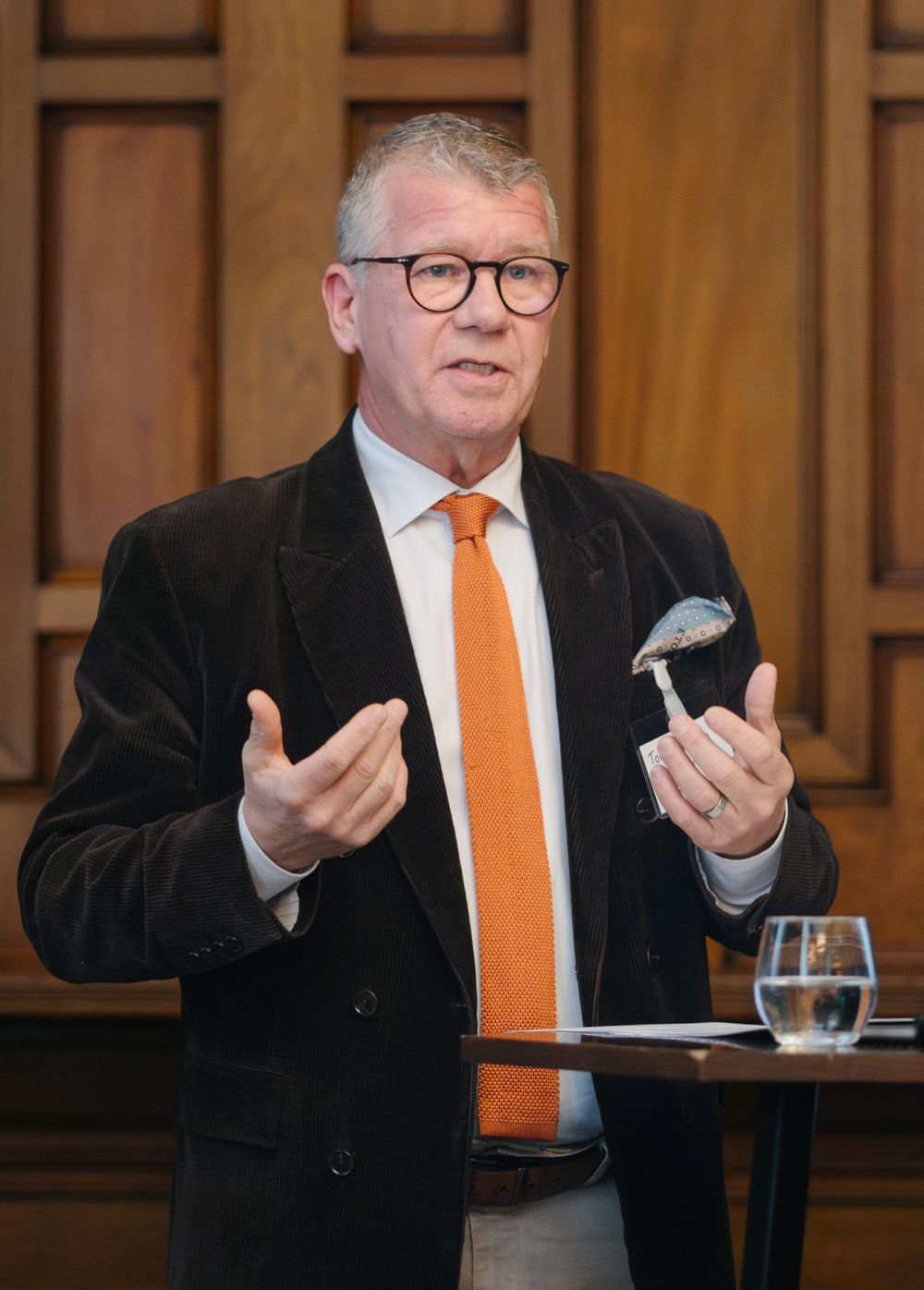
Tom Österman, Auctionet / Stockholms Auktionsverk
Tom opened the afternoon by exploring how a historic auction house (shaped by centuries of stories) can continue to reinvent itself. He spoke about preserving the soul of the business while embracing digital tools, evolving buyer behaviour, and a new generation of online bidders who may never enter the saleroom, yet still expect a seamless experience.
For anyone running or working in a traditional auction house, it was a reassuring reminder: you don’t need to lose your character to move with the times.
LEAN thinking: auctioning smarter, not harder
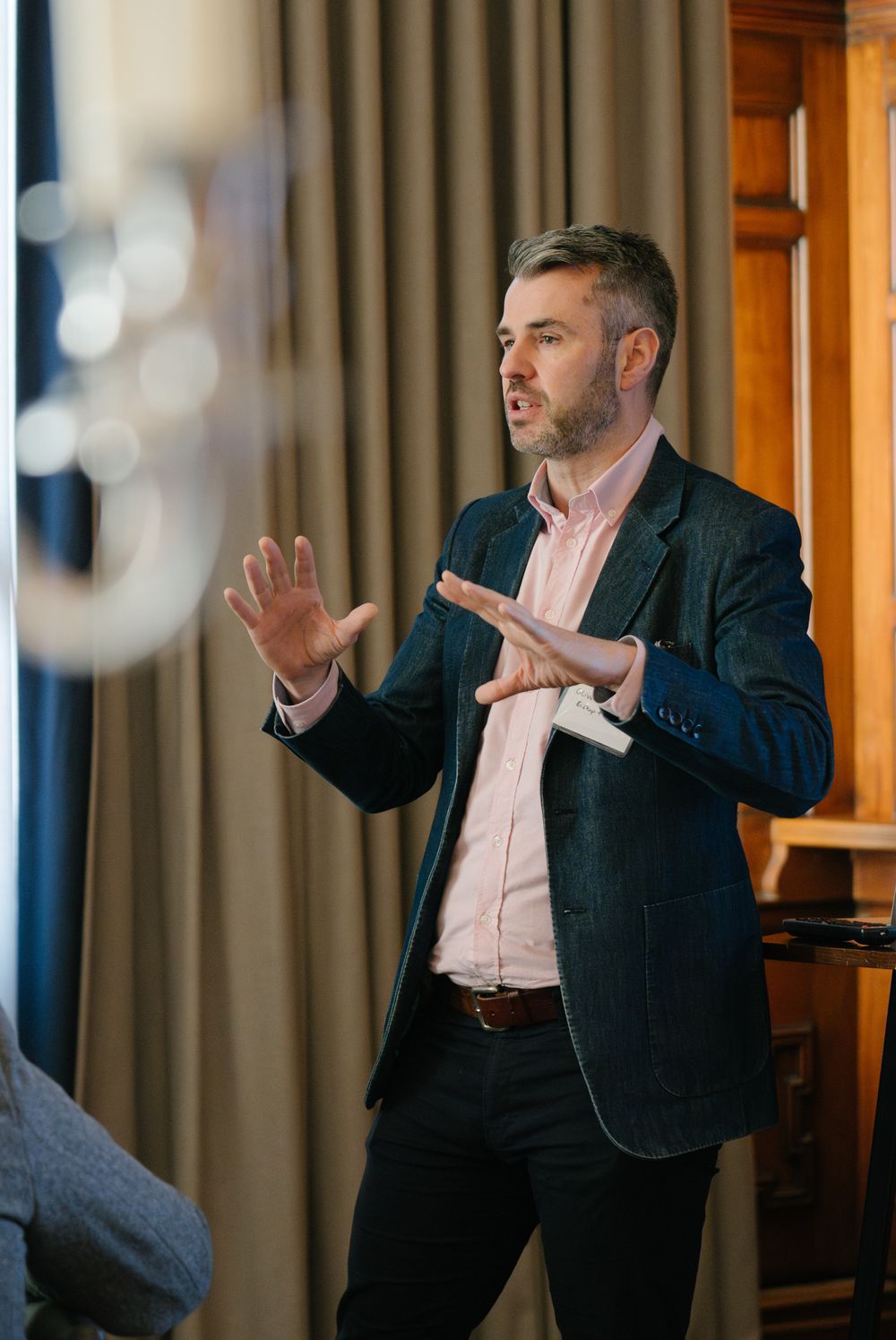
Oliver Miller, Bishop & Miller
Then came something more hands-on. Oliver shared how LEAN principles, often associated with manufacturing and tech, can be used in auction houses too.
From cataloguing and photography to client communication and after-sales, he showed how small improvements in everyday routines can free up time, reduce stress, and ultimately make room for what matters most: looking after clients and curating great sales.
How does the old saying go? ‘Work smarter, not harder’. This has never been more relevant than it is today.
)
The Kew Gardens 50p: the worst and best coin ever made
Matthew Denney, Lawrences Auctioneers, UK
On the surface, this talk was a journey into the world of coins and coin collecting with the story of the now-famous Kew Gardens 50p.
However, it soon became clear that this talk was about much more than loose change. Matthew used the 50p analogy - and the fact that so-called market values online vary by thousands of pounds - to emphasise the importance of knowledge over information. In a world where information is readily available to us all, being able to interpret it and understand its context is an art form that often gets forgotten.
Who were in the room?
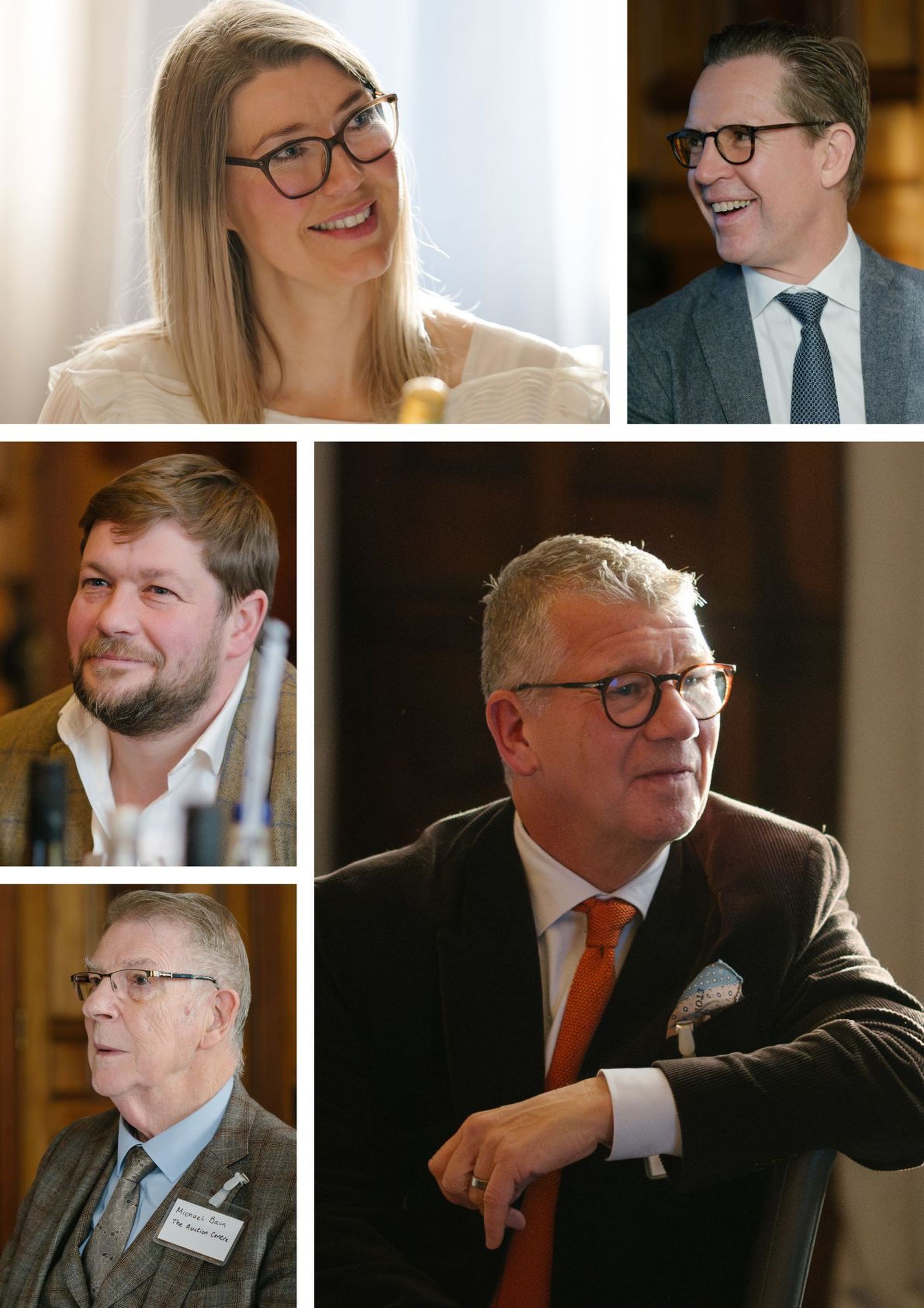
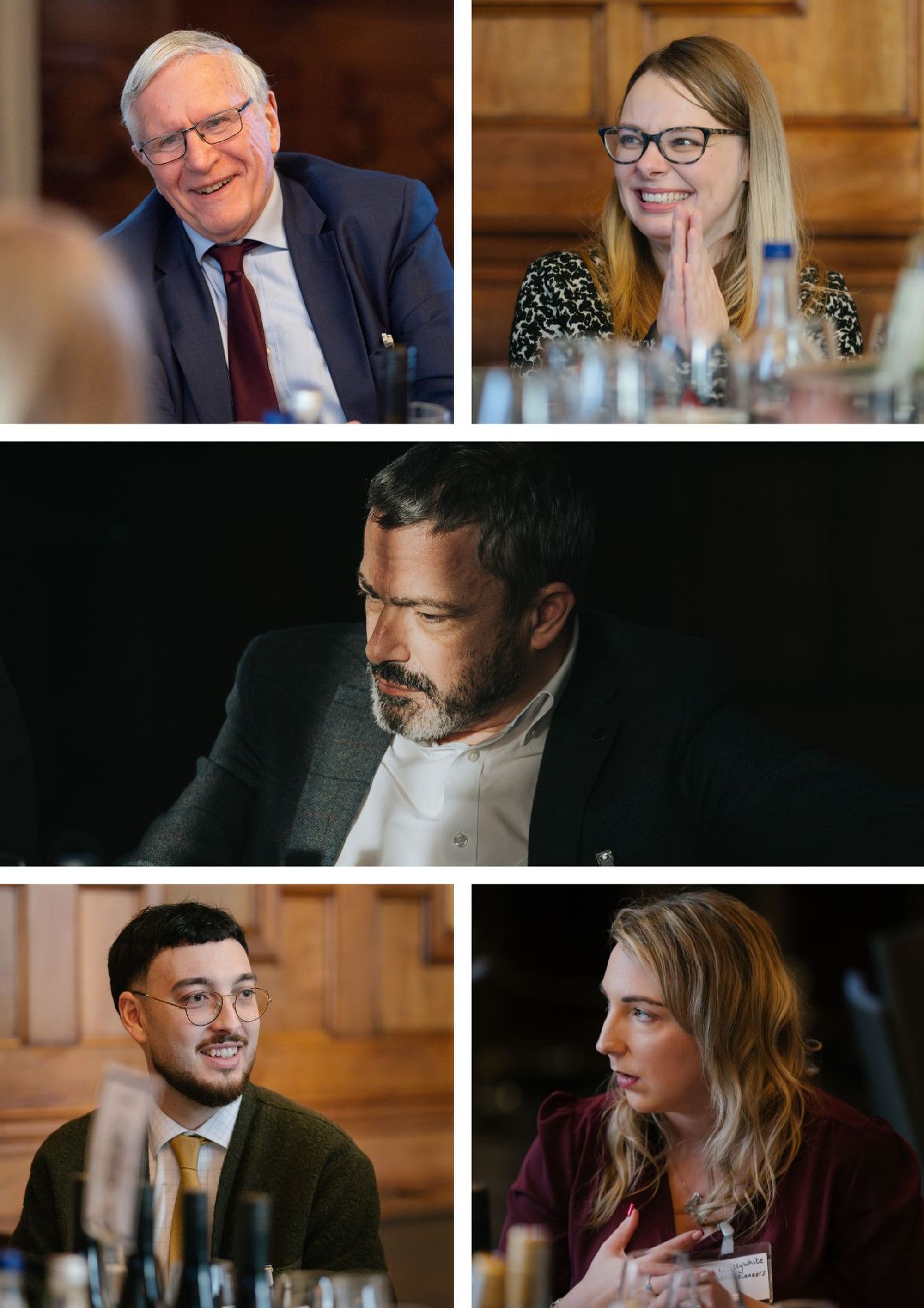
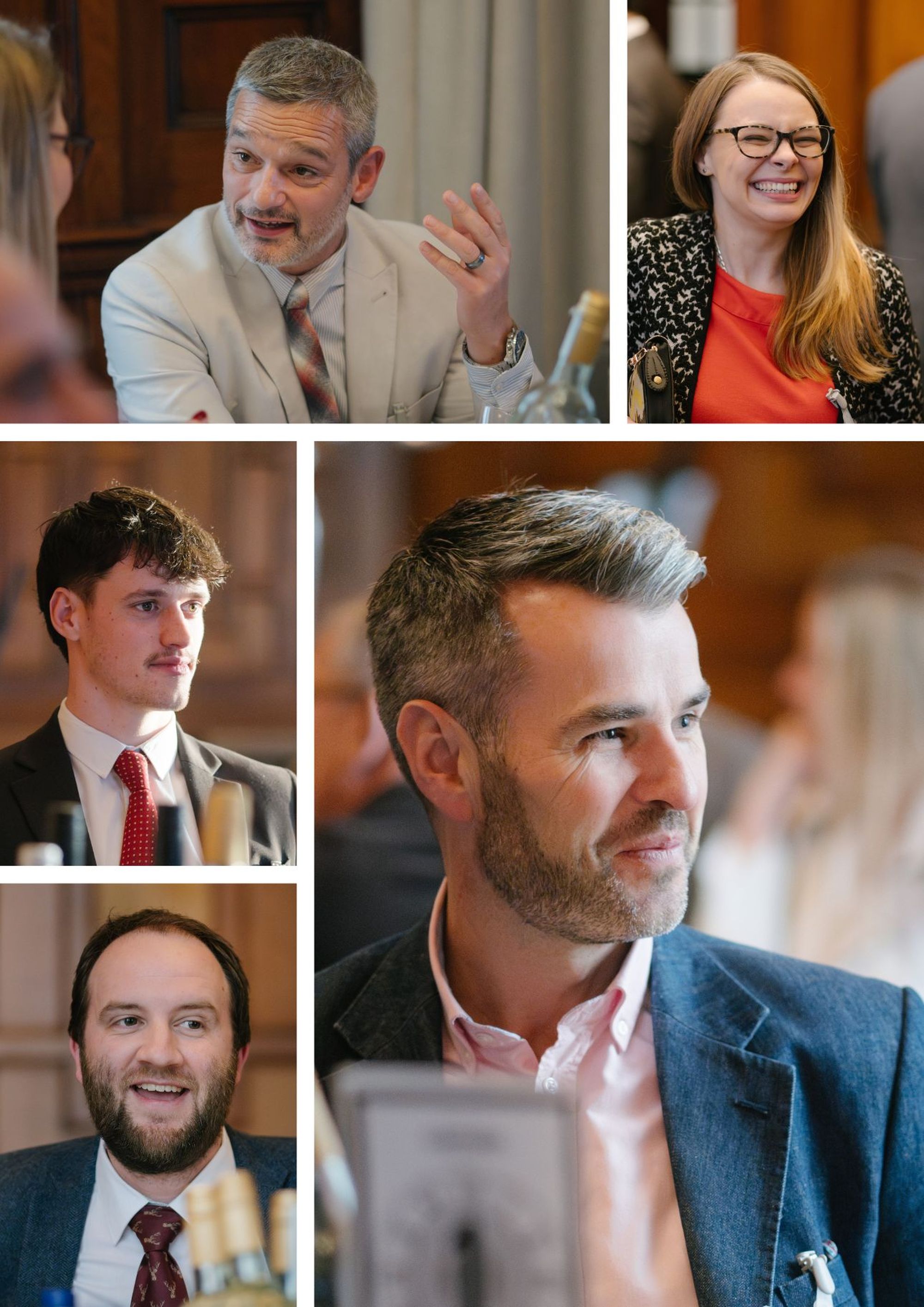
Around the table were representatives from a range of UK auction houses, including:
Capes Dunn, Anderson & Garland, Morleys Auctioneers, The Auction Centre, British Toy Auctions, Lots Road Auctions, Ryedales Auctioneers, Maxwells Auctioneers and Arthur Johnson & Sons.
Some had worked in the trade for decades; others were newer to the industry. What united them was curiosity about their clients, their markets, and how to navigate an increasingly digital future without losing the human touch that makes auctions so special.
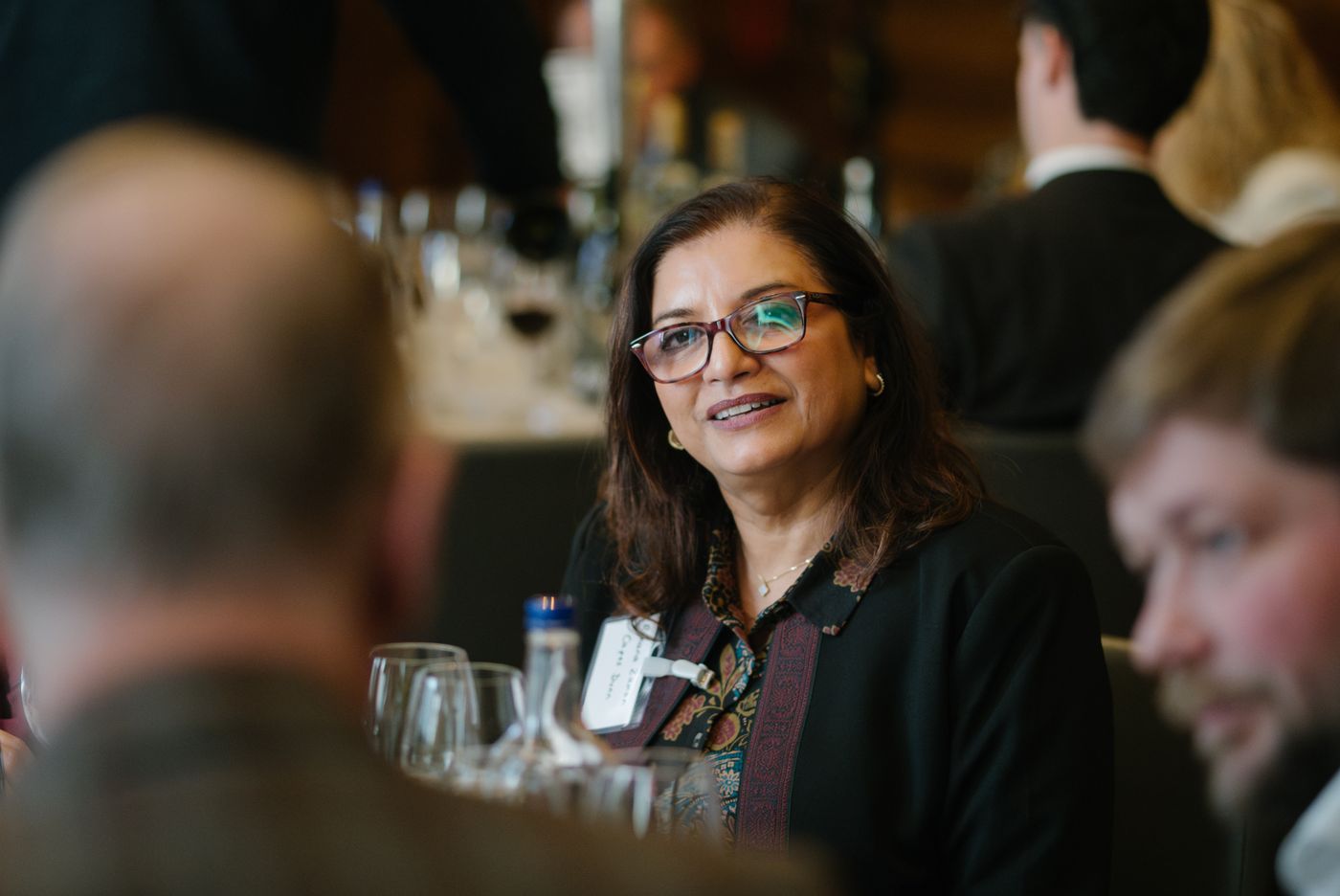
Rihana Zaman, Capes Dunn.
)

Julian Thomson, Anderson & Garland.
Why it matters for our sellers and buyers
So what does all this mean if you’re thinking of selling through an auction house, or if you simply love browsing online catalogues?
It means the people behind the scenes are actively rethinking how to make the process easier and more convenient for you, the customer.
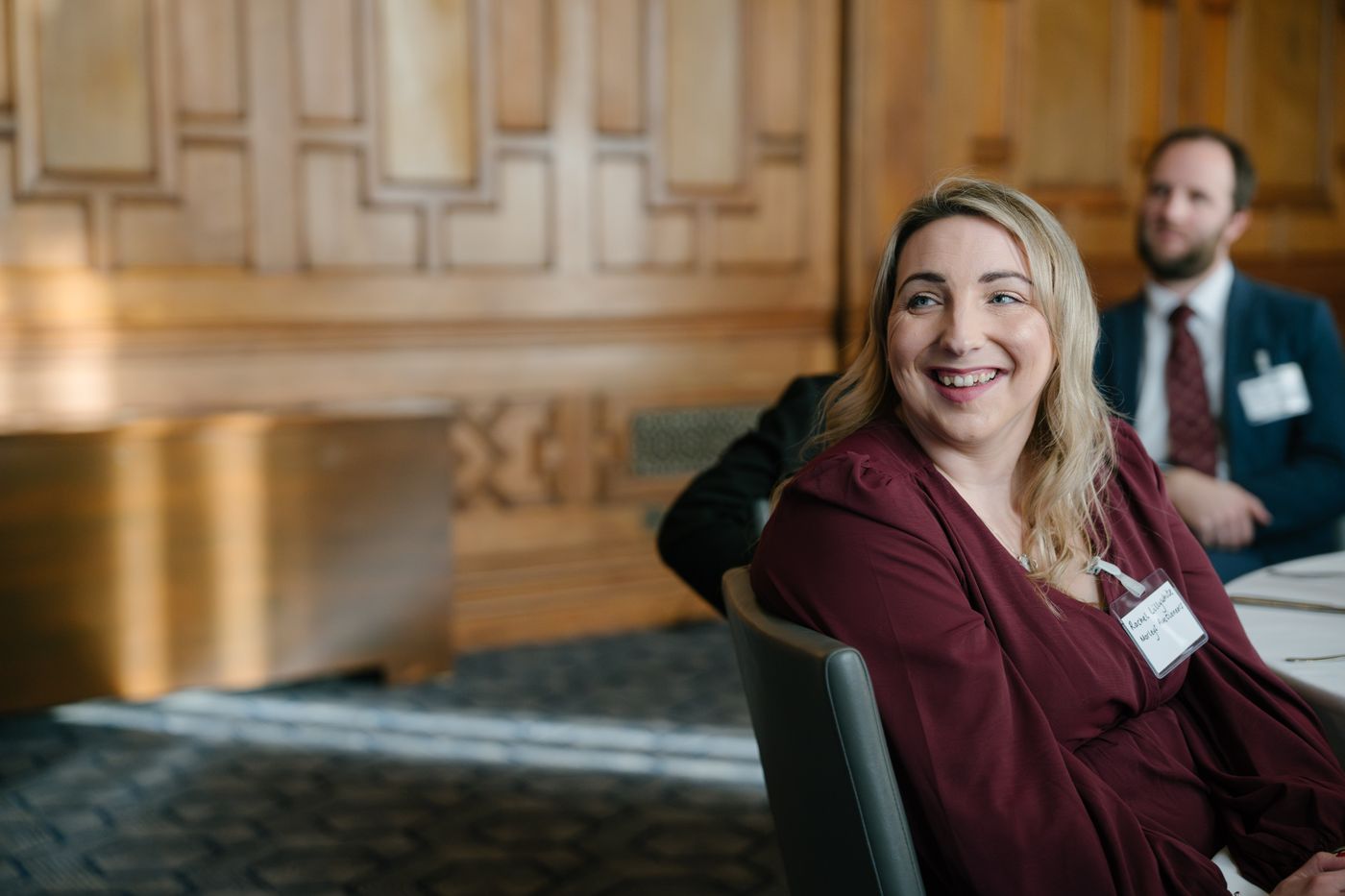
Rachel Lillywhite, Morleys
More efficient processes means more time spent engaging with customers. Smarter digital tools mean better catalogues, clearer images and smoother online bidding. An eye on changing markets means your items are more likely to reach the right buyers, wherever they are. A more tailored experience, for all involved.
Looking ahead
The Manchester afternoon was part of an ongoing series of gatherings, following earlier events in London. Each one adds new voices, new ideas, and new connections.
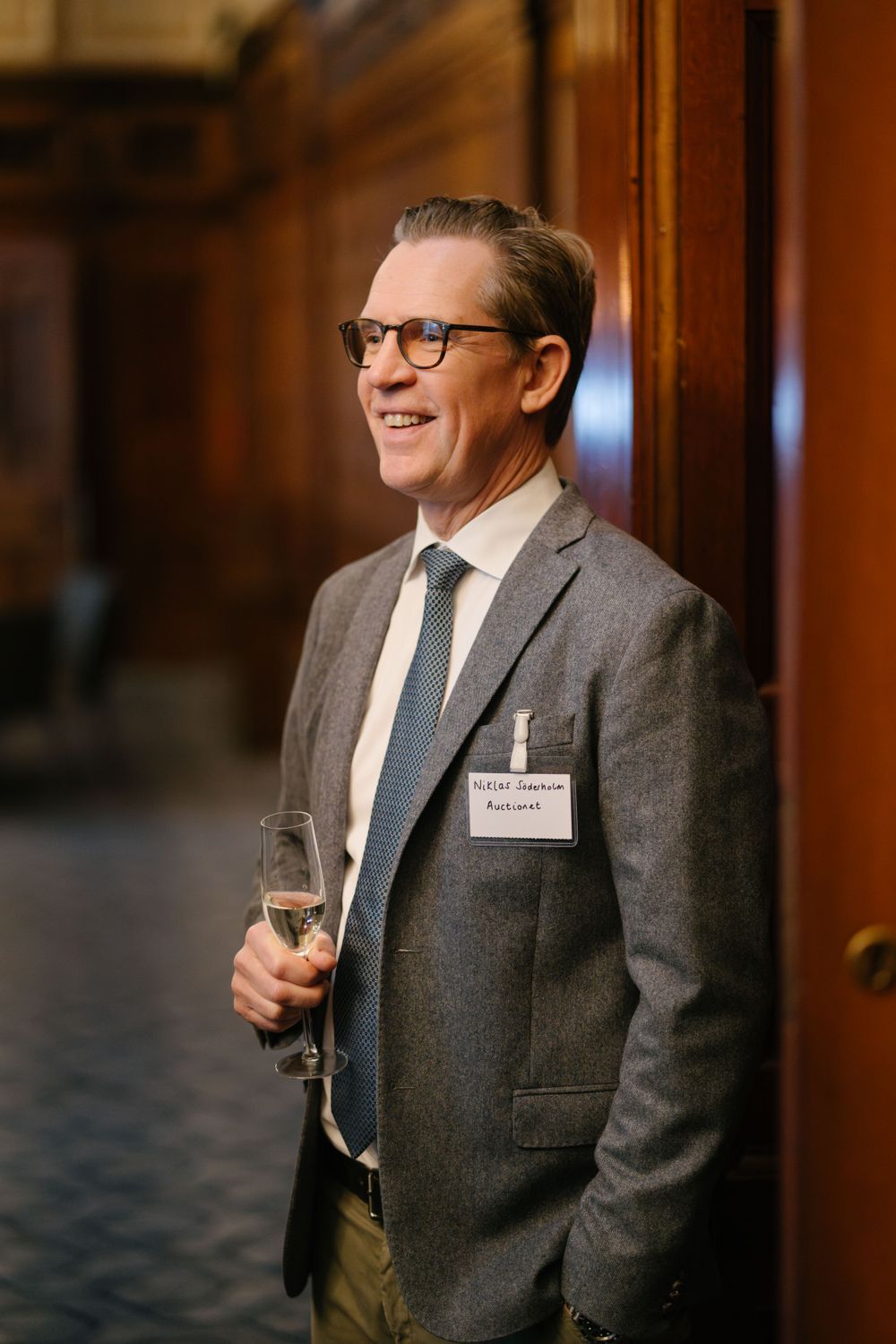
Niklas Söderholm, CEO of Auctionet, is passionate about discussing the future of auctions.
And while the venue (and city) may change, Auctionet’s aim remains the same: to connect auctioneers, share ideas and discuss challenges to ensure we are all better equipped for what the future has in store.

)
)
)