Of the most famous Swedish furniture designers of the 20th century one finds names such as Carl Malmsten, Estrid Ericson and Bruno Mathsson - and one of the brightest shining stars of them all - architect Greta Magnusson Grossman.
Greta Magnusson Grossman - a Swedish Export
Despite the fact that Greta Grossman designed some of the most recognizable iconic furniture in Swedish design history, worked as an architect and found success on the other side of the Atlantic – her name is often omitted.
– One reason is that she lived in the USA for the greater part of her career, and as she did not have any children, who could have told her story, her legacy may have become somewhat forgotten, says Tom Österman, specialist at Auctionet.
After her exams she sought a position with Axel Einar Hjorth at NK, but was not awarded the place, as the workplace lacked changing rooms for women
Grossman was born in Helsingborg in 1906, but was educated in the 1920s at Konstfack in Stockholm. After her exams she sought a position with Axel Einar Hjorth at NK, but was not awarded the place, as the workplace lacked changing rooms for women. She subsequently moved to Los Angeles, where she opened up a shop and also had great success as an architect.
– Greta Grossman’s genius lies in her clean lines and exciting architecture. There was a desire for experimentation in everything she did and the house she made for herself in Beverly Hills is magical, Tom Österman continues.
Grasshopper - Standing the Test of Time
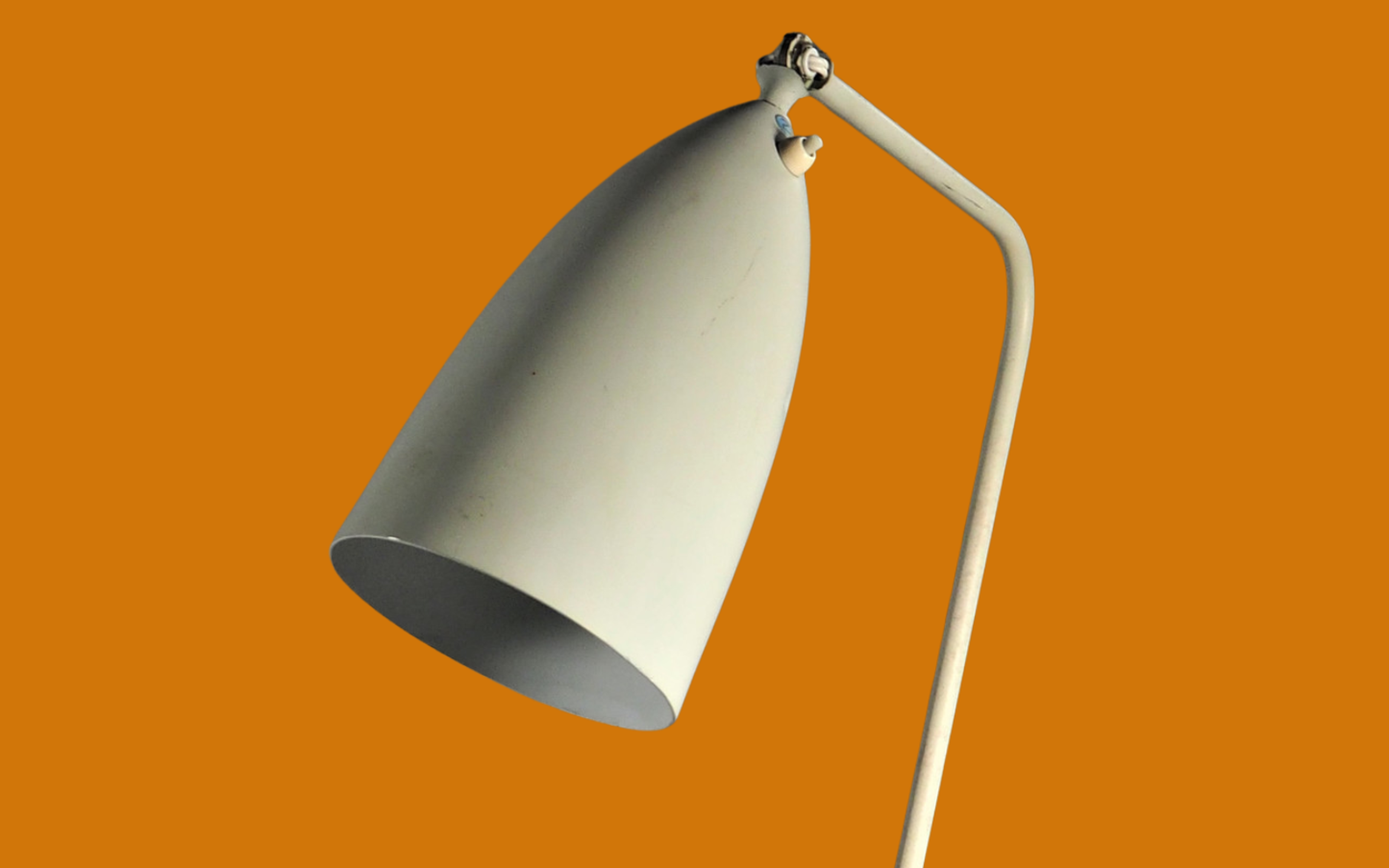
One of her most famous pieces is the three-legged floor lamp G-33. The lamp, which was designed in 1947, is better known under its other name, the Grasshopper.


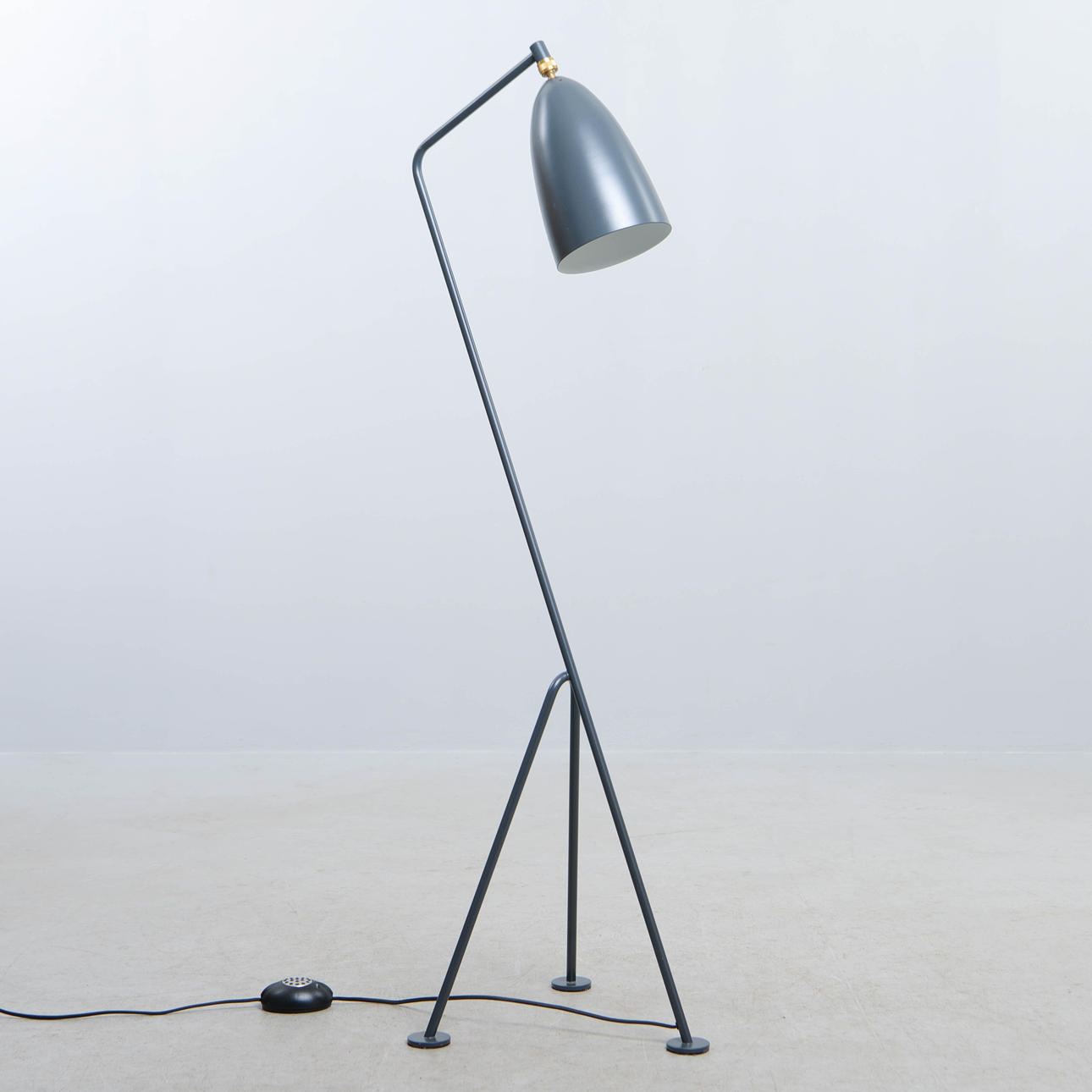
– Grasshopper is a fantastic lamp – beautiful and sculptural. For it to become such an icon, the design needs to stand the test of time, which the Grasshopper has done without a doubt.
At auction a good example of Grossman’s original lamp can sell for around 3000 Euro. Since Gubi started producing the Grasshopper lamp again, it has found a wider audience.
– The lamp is most likely best suited to a minimalist home. It commands space in the room bearing in mind its sculptural form, Tom Österman declares. The Grasshopper is more than just a lamp.
Dreaming of a Grasshopper? We've got you! Just subscribe to the search word Grasshopper and we'll notify you when there are one available at auction.
How to Tell an Original Grasshopper Lamp from a Modern Production
Distinguishing a vintage Grasshopper lamp, designed by Greta Grossman in 1947, from a newer production requires a close look at materials, construction, and signs of age. While contemporary versions, such as those produced by GUBI, stay true to the original design, key differences can help identify an authentic mid-century piece.
Label & Markings
Original Grasshopper lamps may have labels or engravings from their early manufacturers, such as Bergboms (Sweden) or Ralph O. Smith (USA). Many vintage labels have worn away over time, but if intact, they are a strong indicator of authenticity. Modern GUBI reissues feature contemporary branding, usually located under the shade or on the cord.
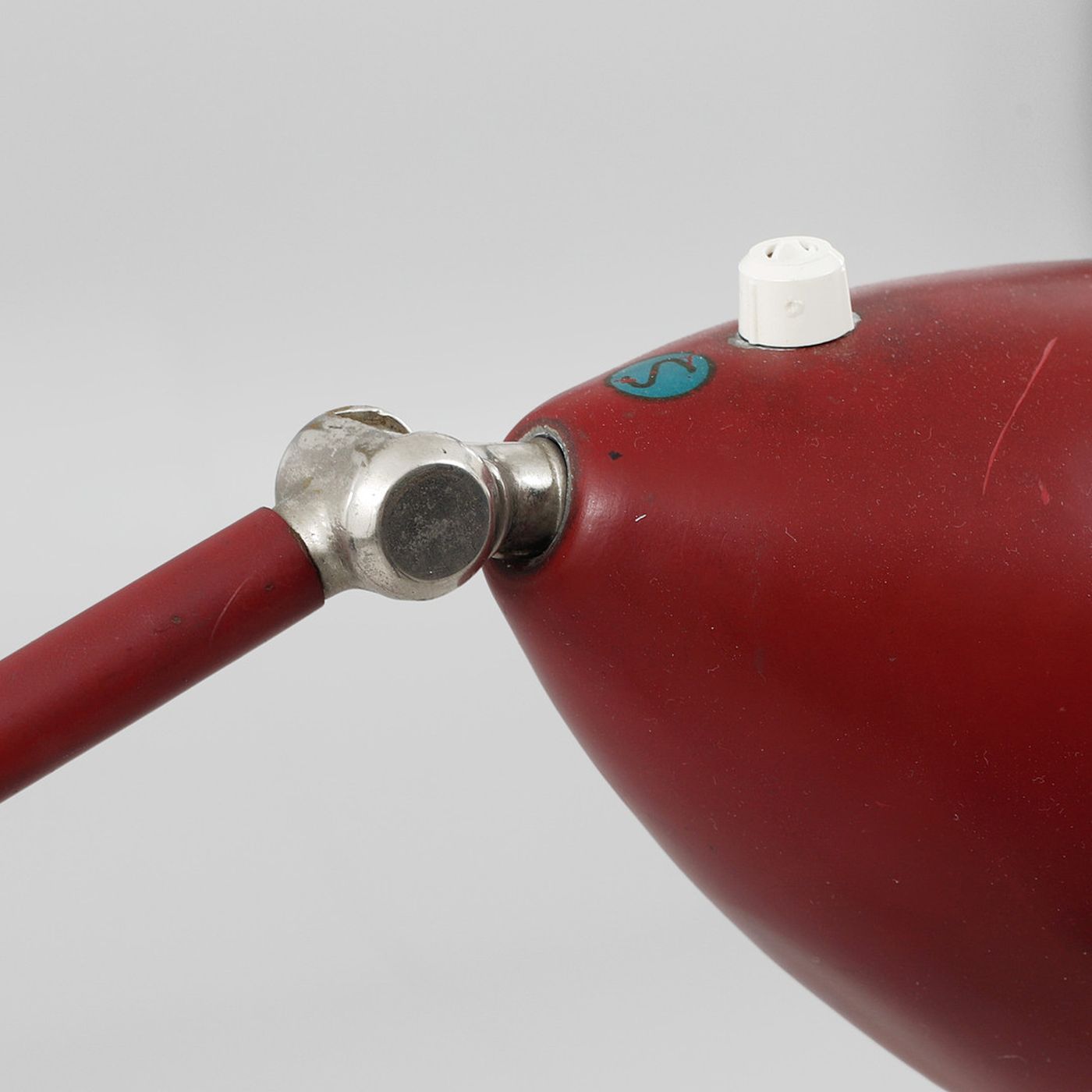
Grasshopper by Bergboms
Materials & Aging
Over decades, vintage lamps develop a natural patina with minor wear, subtle rusting, or chipping on the powder-coated steel or aluminum. Reproductions, in contrast, have flawless surfaces with no signs of aging.

Shade & Diffuser
Early models often have a heavier, more sturdy metal shade that may show small dents or interior discoloration. Newer versions tend to have a slightly lighter, smoother construction.
Wiring & Switch
Older models typically feature Bakelite switches or period-specific toggles, while modern versions are equipped with updated wiring and contemporary switches for safety compliance.

Base & Feet
Vintage tripod feet may show signs of wear, particularly on the rubber or metal tips, whereas reissued models will appear untouched.
Color Differences
Some original colors vary slightly from today’s reproductions. Additionally, GUBI has introduced new finishes that weren’t part of the original lineup.
Find "Grasshopper" in Auctionet's archive