)
Carl Larsson's accomplishments are impressive. At just 33, the Swedish art dealer and private advisor, based in Los Angeles since 2017, has over a decade of global experience. His notable resume includes sales of works by Helen Frankenthaler, Andy Warhol, Anish Kapoor, and Edvard Munch. As well as exhibitions featuring Helen Pashgian, Larry Bell, and Cairo Dwek.
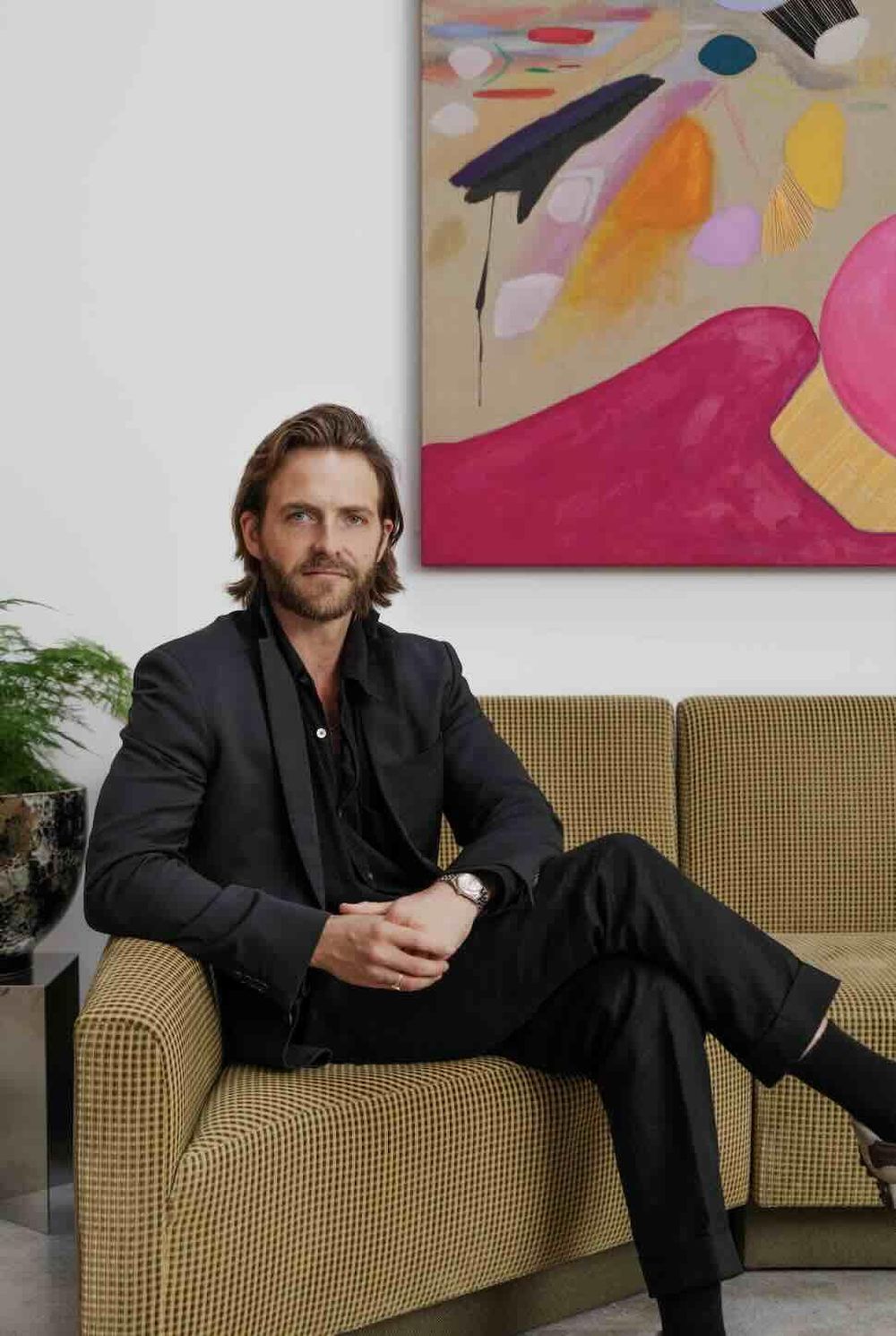
Carl at his current exhibition "New Boundaries" at Invisible Dynamics Studio in Los Angeles. The exhibition goes until December 20th. Photo by: JJ Geiger
A Book with Great Impact
However, it began with a fellow Swede, the post-war artist Madeleine Pyk, celebrated for her vibrant originality. “At 15, I spent my savings on a small Pyk painting and showcased it at an antiques fair in Sweden. After pitching it for a week, I sold it—to my maternal grandmother,” Larsson recalls with laughter. Around that time, he also read about Joseph Duveen, hailed by the New York Times as “the most spectacular art dealer of all time.” “The book had a great impact on me,” Larsson says. “It made me realise I wanted to dedicate my life to this.” It’s a sweet story—that depicts Carl's rare talent for discovering exceptional art and making great deals.
Growing up in Karlstad, a small town in the Swedish province Värmland, Carl Larsson was immersed in an art-centric family.
Although, it might be a stretch to say it “started” with a Madeleine Pyk painting and Joseph Duvven book. Growing up in Karlstad, a small town in the Swedish province Värmland, Carl Larsson was immersed in an art-centric family. Both his paternal grandfather and father were—still are—art dealers. From birth, he attended auctions and art fairs. “Just being there with my family taught me a lot about art,” he reflects. Larsson admires his grandfather's business acumen and father's love for art, observing how he's merged the two in his own career. “With an international perspective on contemporary art,” he adds as his family specialises in Scandinavian masters.
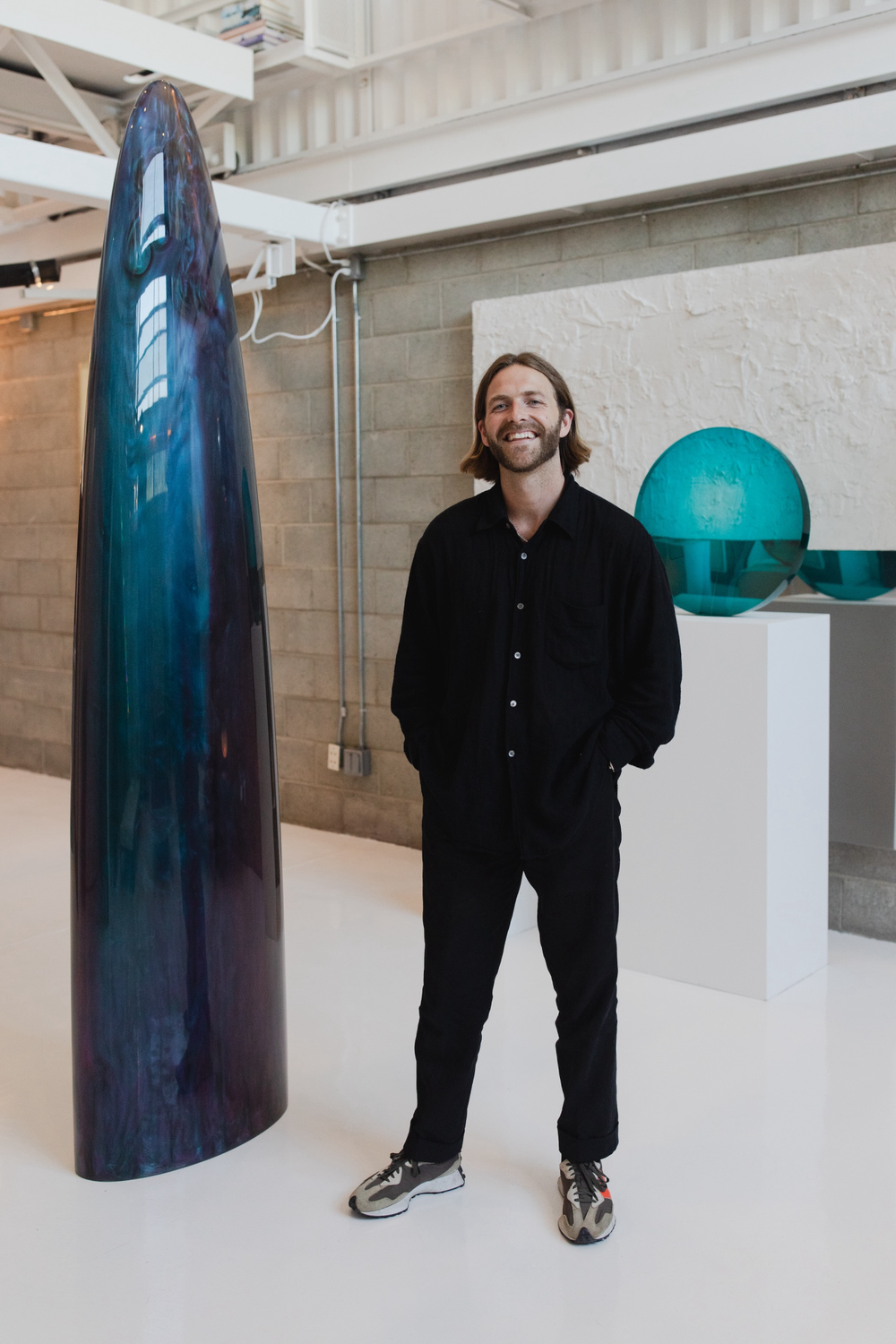
Carl next to works by Gisela Colon and Helen Pashgian in his light and space "HEIST" at Giampiero Tagliaferri Studio in Los Angeles earlier in May this year. Photo by: Alex Welsh.
Carefully Chosen Pieces
Making an impact on the global art market requires unique expertise and character. Carl Larsson exemplifies both. Speaking to Auctionet Magazine on the phone from his house in West Hollywood, his friendly demeanour and generous spirit are evident. He shares the colourful space among lemon and palm trees with wife Valerie Wigardt and their young son. Larsson hesitates calling himself an art collector, yet their home is filled with carefully chosen pieces. “They serve as memories from my projects,” he shares, mentioning works by Alexis Soul Grey, Brendon Reis, and Jessalyn Brooks. Carl Milles’ 1920s bronze sculpture “The Sun Singer” harmonises with Jim Thorell’s “Shady Pineapples” and “Conundrum” by Carl Hammoud. “Thorell and Hammoud are two of my favourite contemporary Swedish artists,” says Larsson.
In the living room, a round wall sculpture by minimalist Otis Jones from Texas is presented. Nearby hangs a vintage 1969 neon piece by L.A. artist Laddie John Dill, a key figure in the California Light and Space Movement. Interest in these light-based artworks is rising, influenced by James Turrell's famous installations being displayed world-wide as well as in celebrity homes like the Kardashians’. In May 2024, Larsson showcased this trend at his site-specific exhibition Heist at Studio Giampiero Tagliaferri in Los Angeles. Prices are now climbing toward the million-dollar mark. “I have previously advised clients to invest in works under $15,000,” Larsson discloses. Then, just years later, “a piece by Peter Alexander sold for $150,000 at the prominent Pace Gallery”, shortly after Alexander’s passing in 2020.
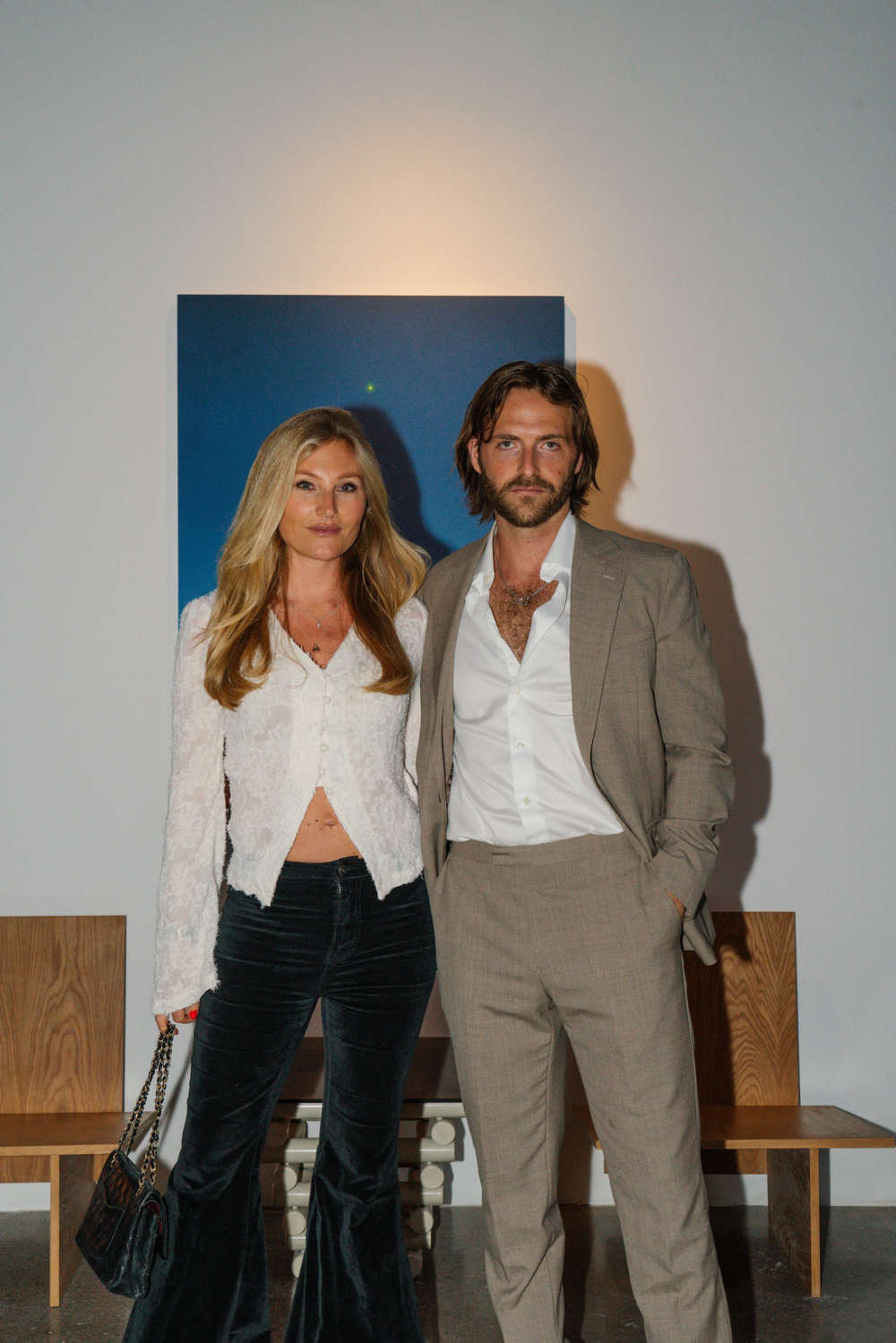
Carl Larsson and Valerie Wigardt at their latest joint exhibition, "New Boundaries", in Los Angeles that goes until December 20th. Photo by: JJ Geiger.
From Stockholm to Los Angeles
But how did Carl Larsson evolve from a young art dealer in rural Sweden—to this savvy, independent advisor in Los Angeles, well-versed in global 20th-century art? On the one hand, his path was relatively straightforward. He worked in the family business, where as a teenager he documented auction prices. “Tracking sales taught me about the market’s arbitrage opportunities, insights that later enabled me to deeply explore artists’ portfolios.” After school, he took some art history courses at Stockholm University. Years was then spent at Bukowskis auction house, cultivating important connections with senior advisors like Tom Österman, who later founded Auctionet.
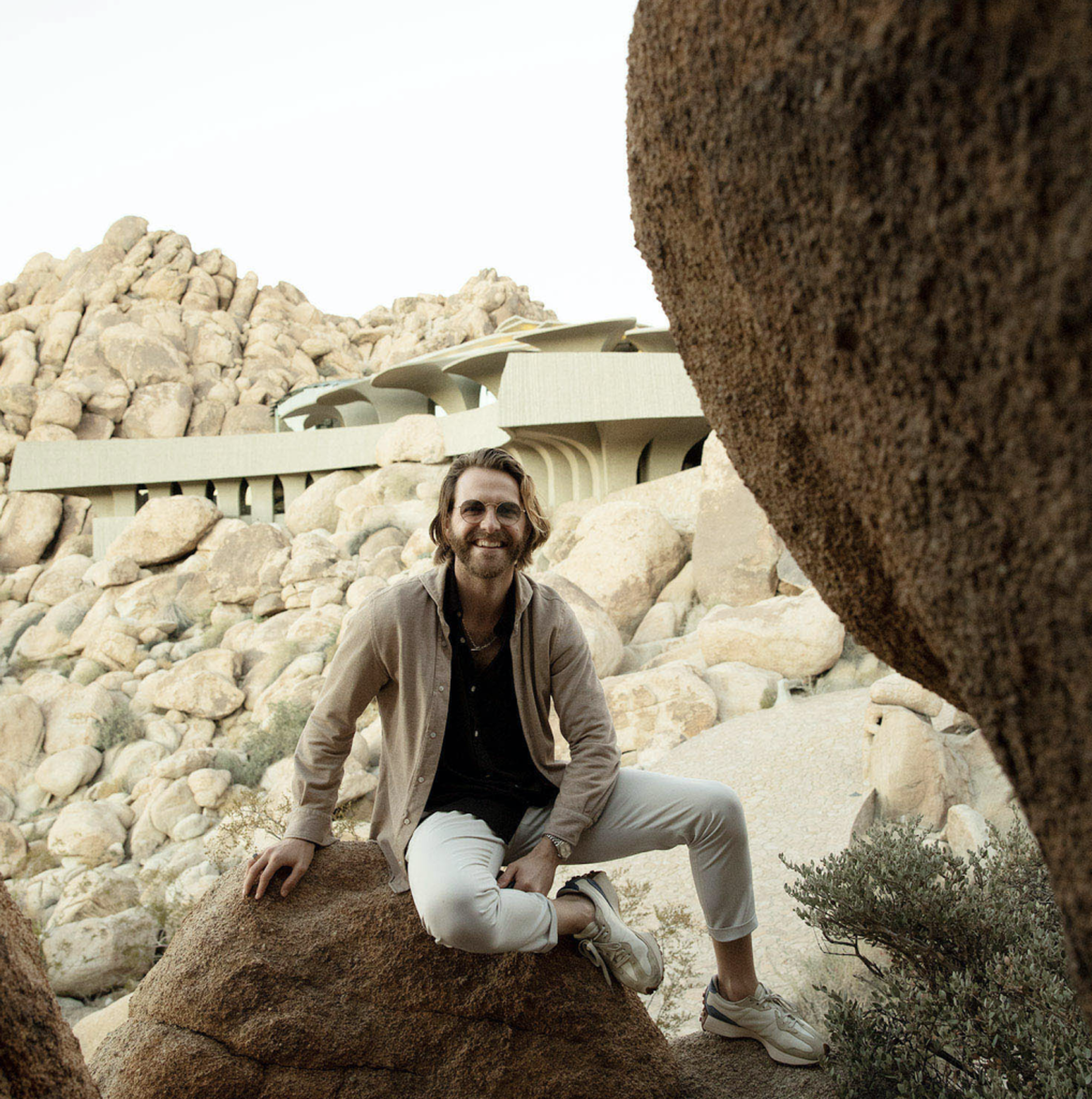
Carl outside the architectural masterpiece, The Doolittle House, where his exhibition "Full Circle" took place in December 2021 in the Joshua Tree Desert. Photo by: Daniel Sternerud.
On the other hand, Larsson’s journey is filled with fascinating twists that expose his rare hustling skills. At 21, he took his first professional steps the U.S., aspiring to become an art dealer in New York City—a very Joseph Duveen aspiration, one might add. “I bought a one-way ticket and had three months to find my way,” Larsson recalls, stating he was relentlessly dismissed while visiting galleries. Adversity was not a source of dissuasion though—it motivated him. One afternoon in a white cube gallery, Larsson contemplated how to gain their respect. Having previously done some art writing, he decided to launch the Tumblr website The Art Reporter, filling it with news updates. He printed business cards, donned a stylish jacket, and started introduced himself as an art writer. “I requested to be added to various galleries’ press lists, and while at it I sought meetings with directors,” he explains. “Suddenly I heard staff call management and say, ‘We’ve got Carl here from The Art Reporter—do you have five minutes?’”. He laughs at this memory but recognizes it was pivotal for connecting with gallery owners and learning how to succeed in the art world.
A big part of my job is tracking the market for my clients, and Auctionet provides precious, real-time overviews
Around that time, Larsson also started using a new social media platform: Instagram. “This was 2010; it was only three months old when I set up my profile.” It quickly gained traction and drew gallery interest as The Art Reporter amassed thousands of followers. “It became a fantastic way to connect with people.” Now, he has over 73,000 followers. “It’s still my digital calling card where I meet most of my clients.” While some traditional galleries and dealers resist social media, Carl views it as a valuable tool for exposure. “Years ago, working with my dad meant traveling to Paris just to find and view artworks—most dealers didn't even have websites,” he recalls. “That began to change in 2011 with the rise of online auction platforms.”
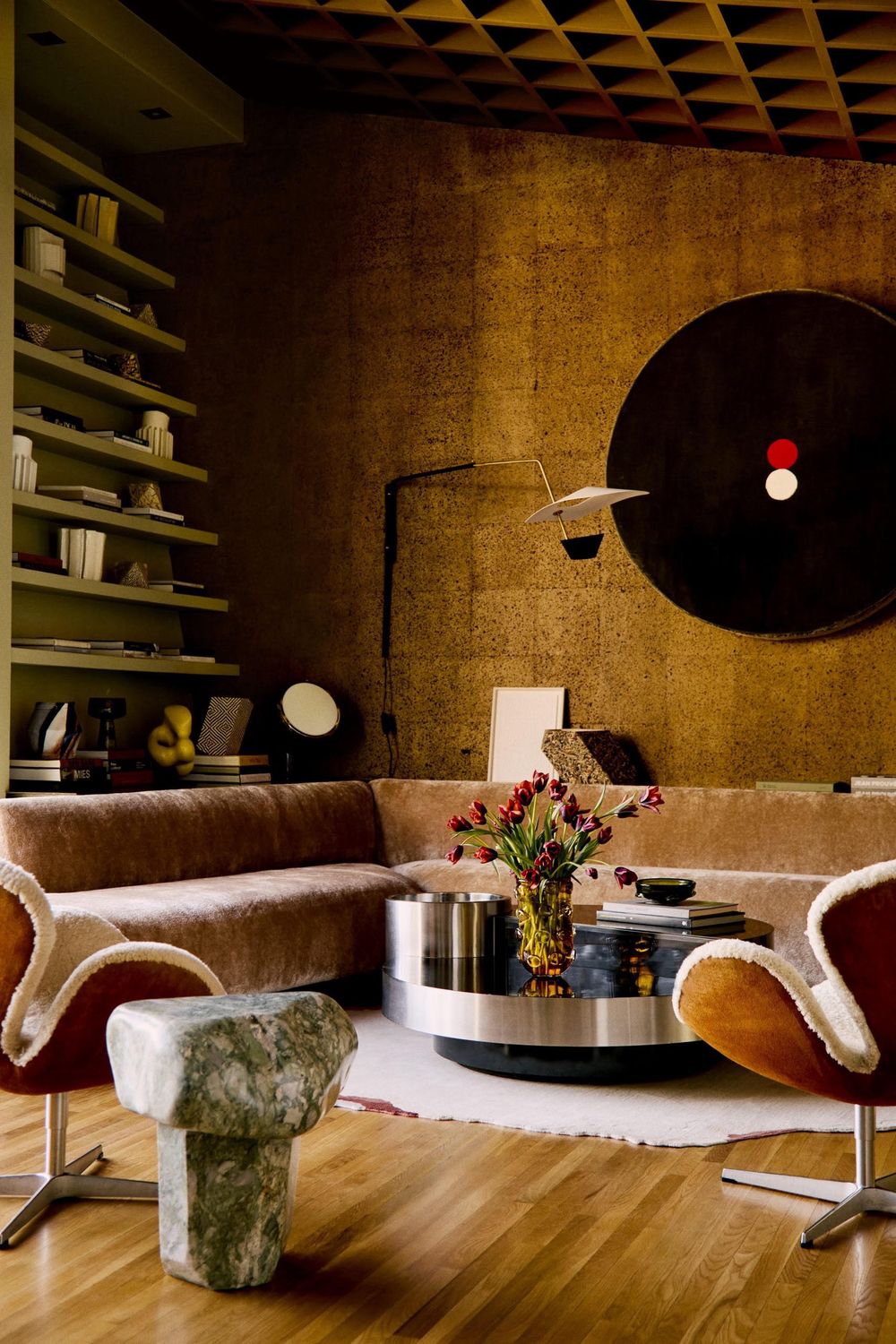
A round work by Otis Jones on the cork wall in Carl's collectors home in Hollywood Hills. Photo by: Billal Taright.
Tracking the Market
Thirteen years on, Larsson has seen how search engines like Auctionet have revolutionised the industry. They connect auction houses—offering design, furniture, antiques, collectibles, and art—with a knowledgeable, demanding audience such as Larsson’s clients. They are also commercially viable. Gone is the notion that online auctions only deal with low-value items. Prices often match or surpass those in terrestrial. As an advisor, these sites offer invaluable insights for Larsson: “A big part of my job is tracking the market for my clients, and Auctionet provides precious, real-time overviews”. It’s a modern take on his teenage experience with auction catalogues—now instant and globally expansive beyond established artists' works. Larsson’s week also consists of visits to art fairs and galleries. “I’m evolving my shows into complete art experiences, enhancing value for clients and artists,” he notes, praising his wife’s influence. Valerie Wigardt, who herself works as a marketing executive and yoga teacher, has been “the initiator” in launching site-specific exhibitions alongside his art advisory.
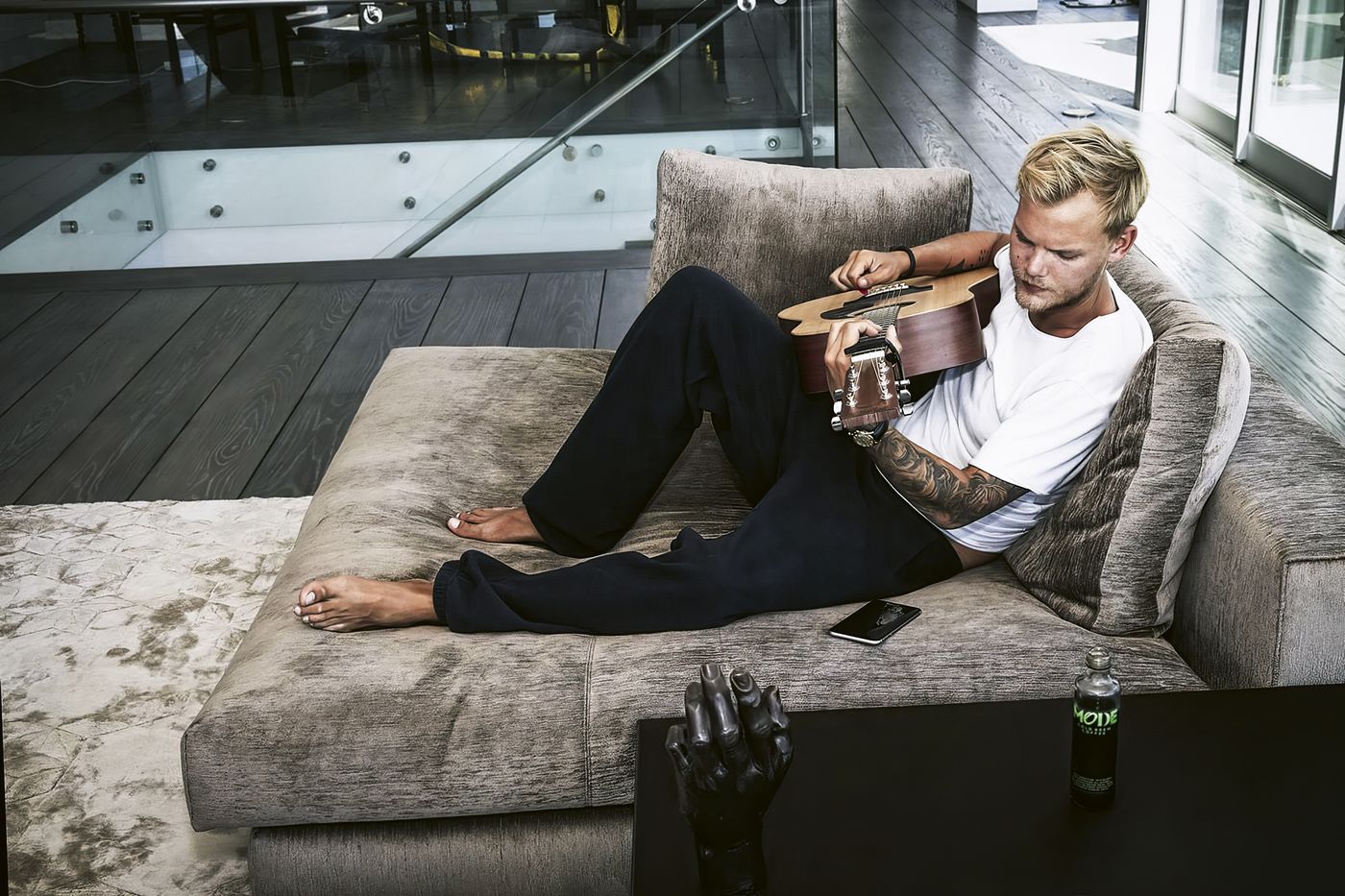
Larsson credits Tim "Avicii" Bergling for impacting his career. © Sean Eriksson
Larsson also credits Tim Bergling, better known as the late DJ and musician Avicii, for impacting his career: “In 2016, after Tim bought a house in Hollywood Hills, a mutual friend asked me to assist him with his fresh interest in art collecting.” Before then, Larsson had never been to Los Angeles but quickly fell in love with the city. Within a year he had relocated. While New York is still the epicentre of the global art scene, Los Angeles has become a vital market. Larsson has witnessed this transformation first-hand; his excitement is palpable. “The local art scene has evolved from almost non-existent to hosting some of the world’s key galleries,” he says, calling it a golden age for new artistic infrastructure. “The client base is eager to learn and culturally hungry, which drives my decision to stay here—there are so many people to educate.”
At the core of Carl Larsson's mission is exactly this: educating others about quality art. He is firm in his belief in objectively good art, defined as “art of high quality that holds future relevance.” As an advisor, Larsson explains, “I can't comment on individual taste. My clients invest significantly; I guide them with facts and market analysis—an analysis I've done continuously since age 15. You can train your eye to recognise it, much like any other industry.” He cites his current exhibition, New Boundaries: “It showcases contemporary young talent in Los Angeles, emphasising current creations by artists like Nicolas Shake, Nabilah Nordin, and Aryo Toh Djojo. Who, I advise, undoubtably will be relevant in the future.”
We trust his perspective. After all, Carl Larsson’s insights on art are internationally renowned—and valued at millions.
Text: Linda Iliste

)

)