- All items
- /
- Auktionshuset Kolonn
- /
- Asiatica
- /
- Other
- /
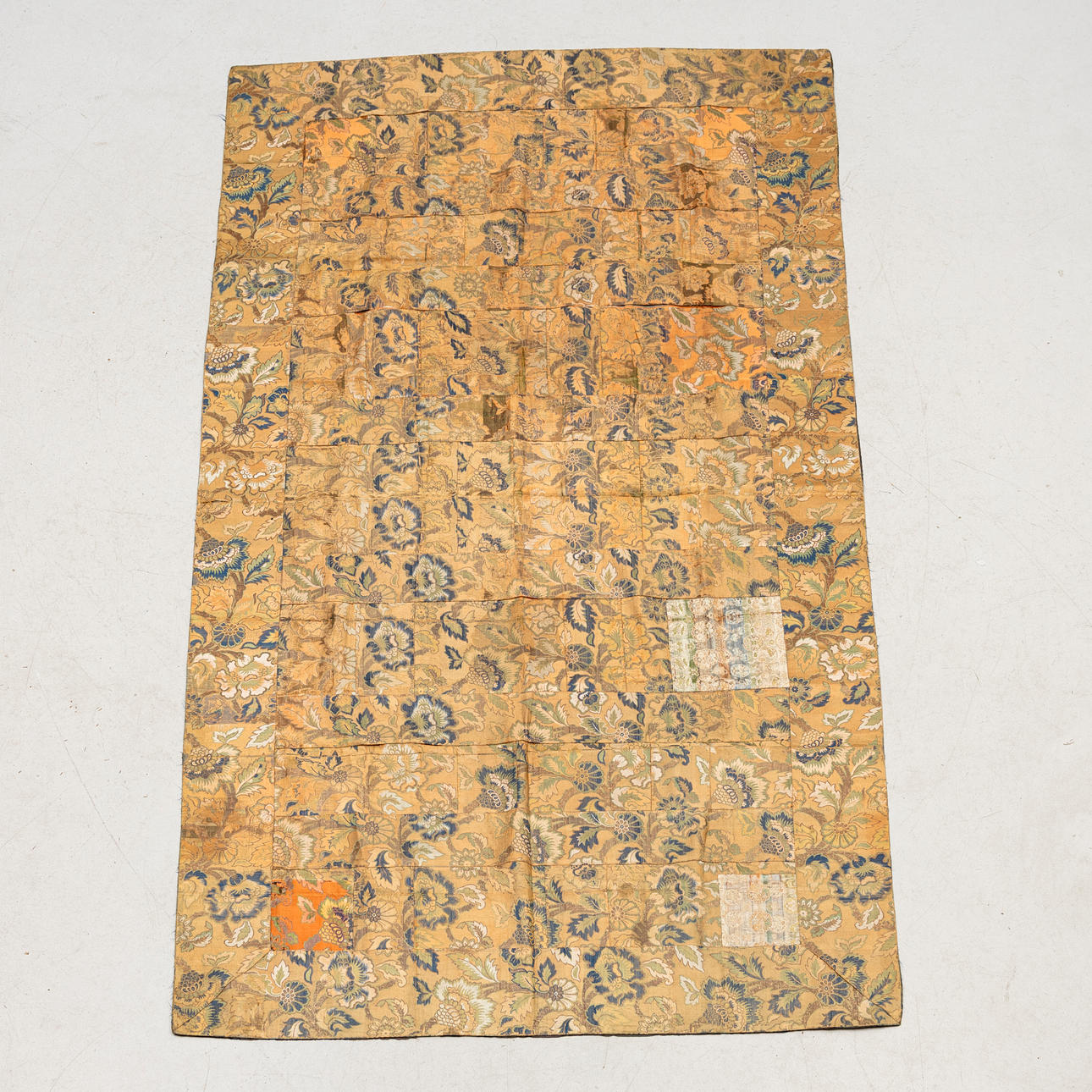
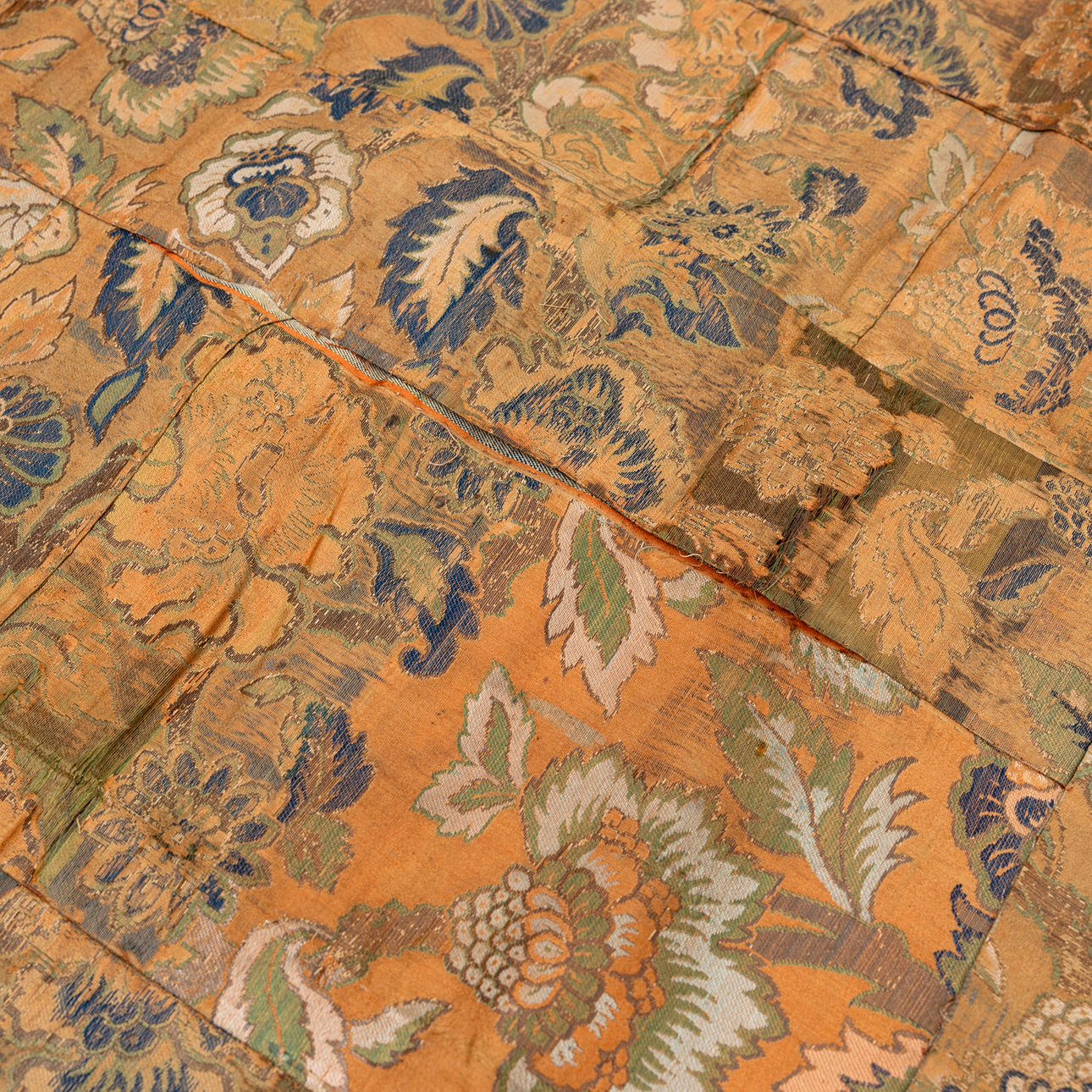
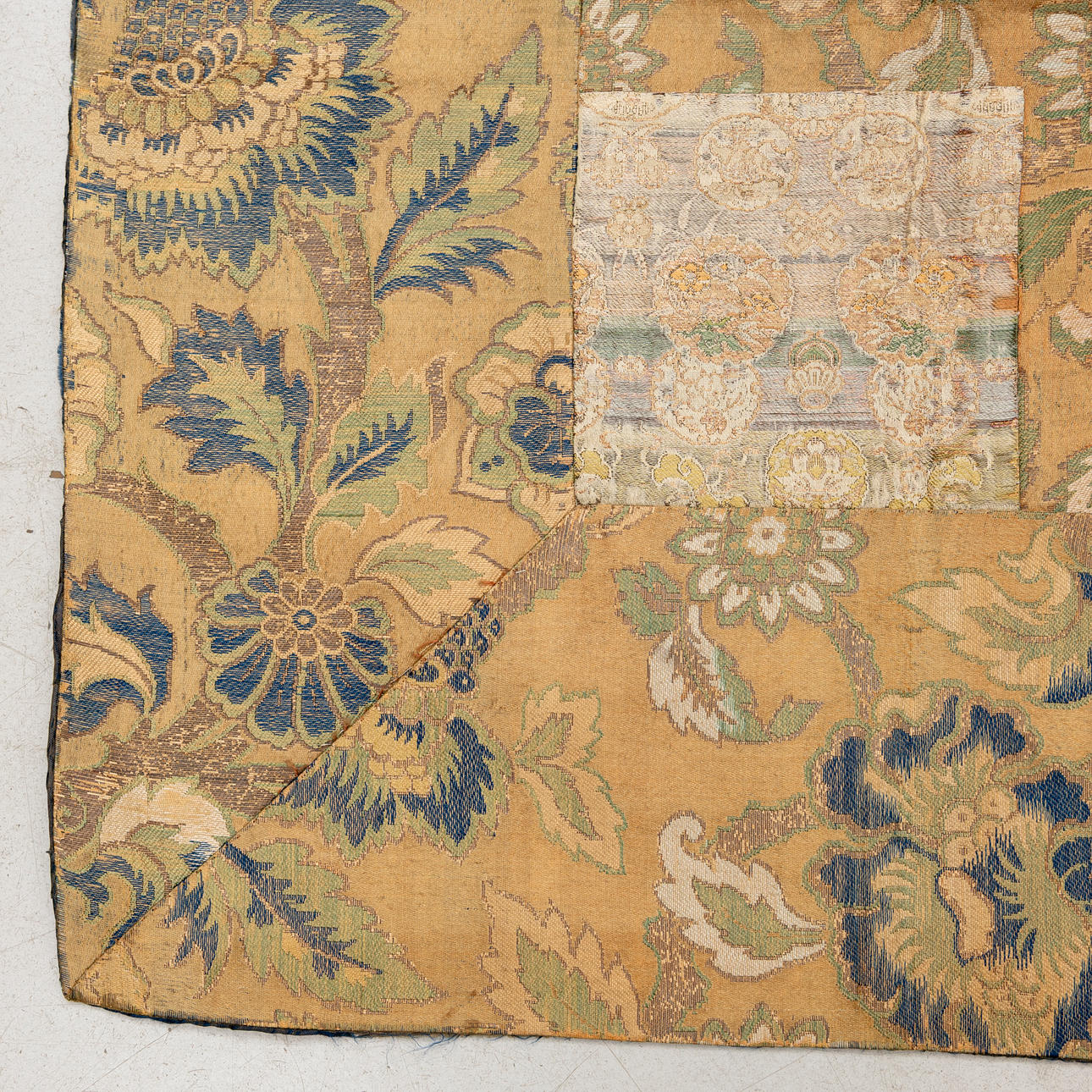
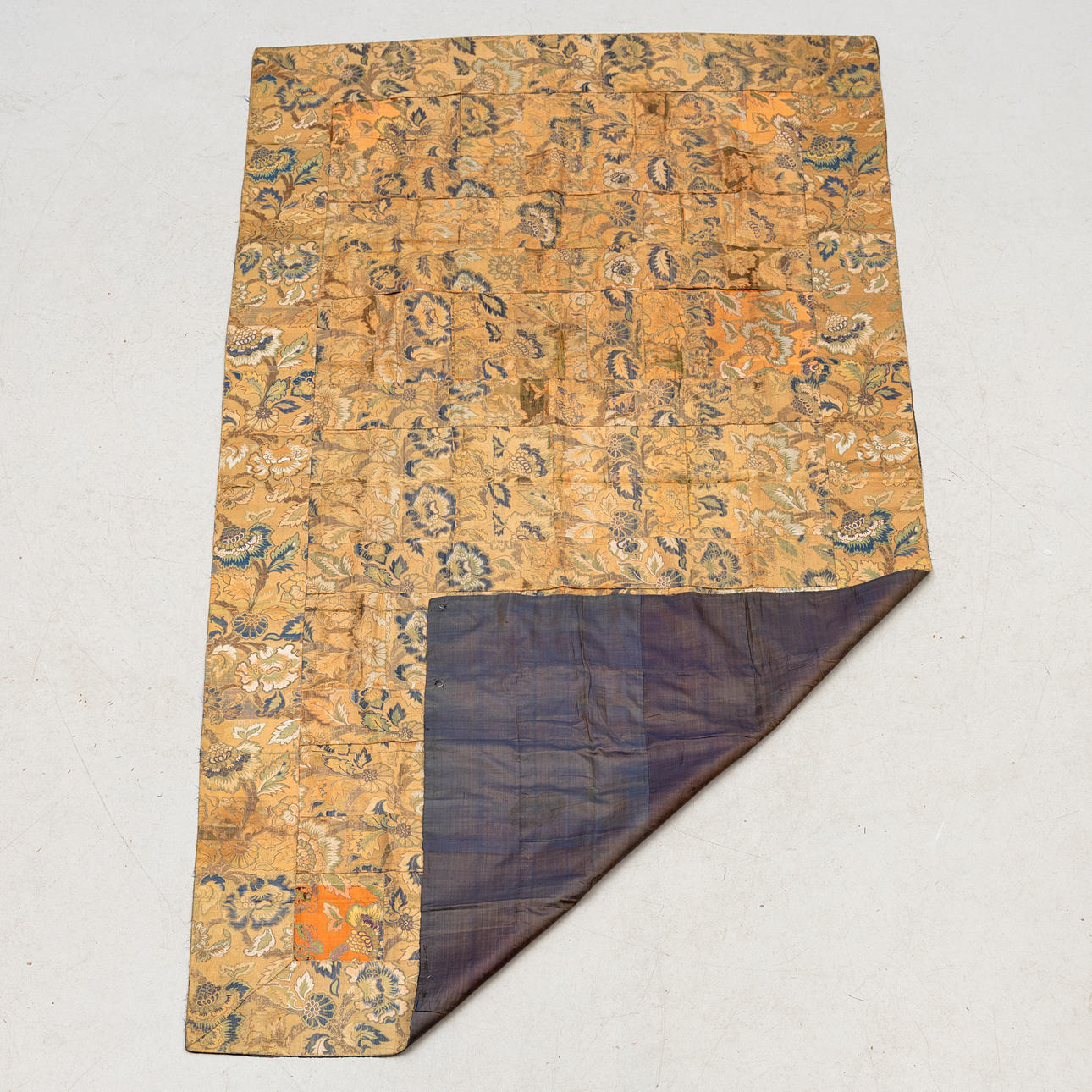
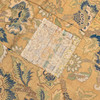
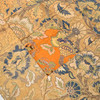
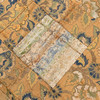
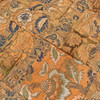
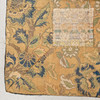
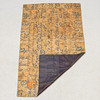
KESA, patchwork, Japan, Edo period (1603-1868).

Images
Description
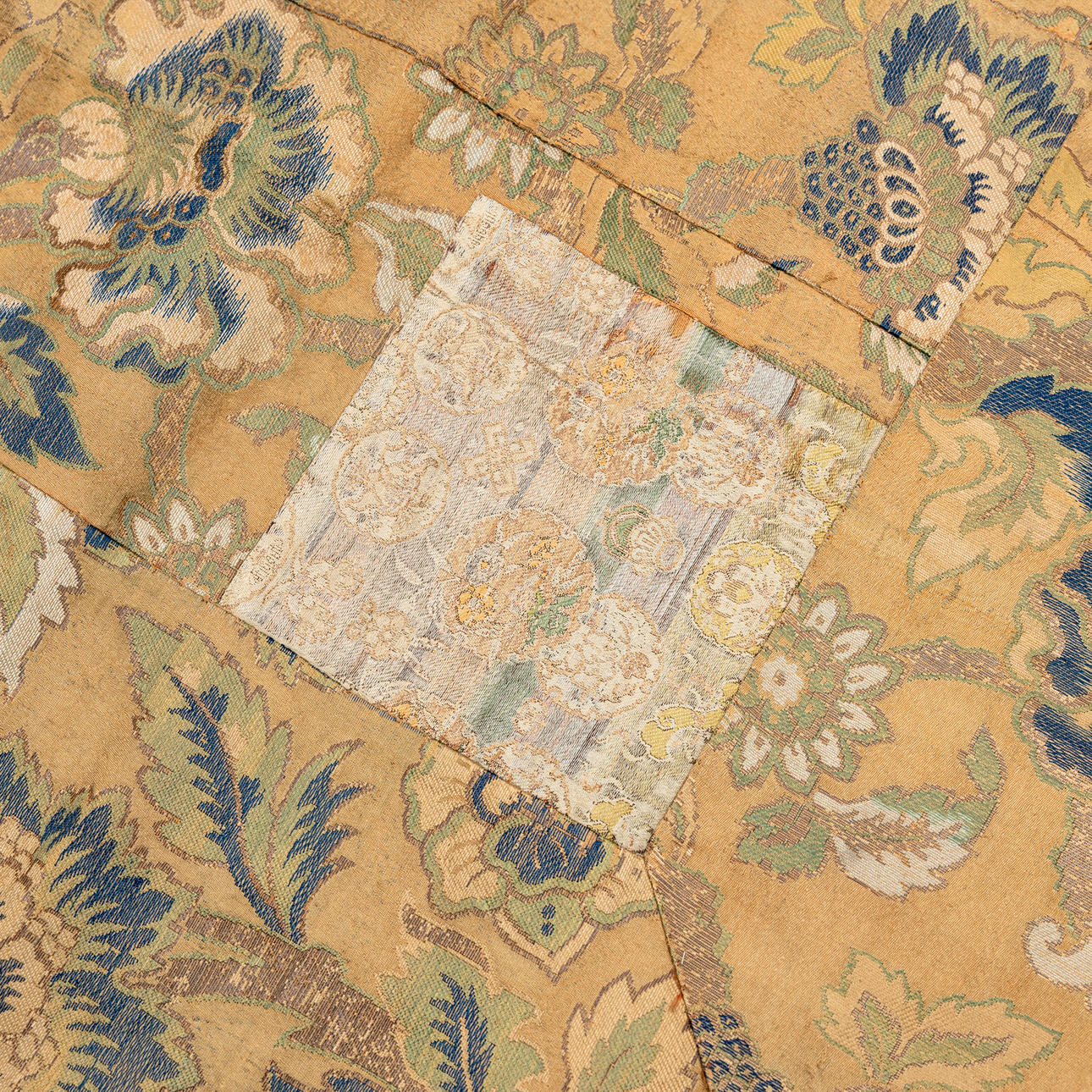
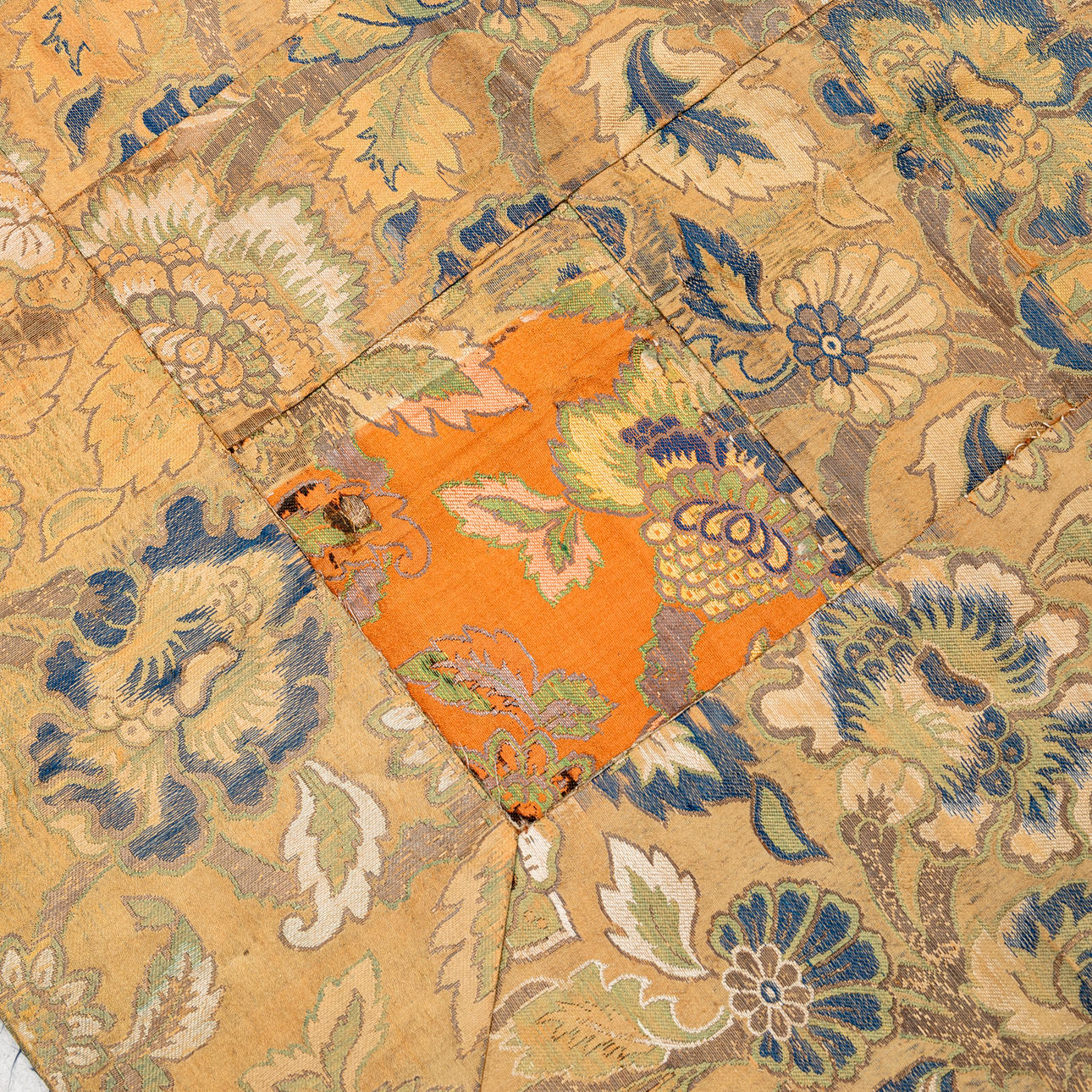
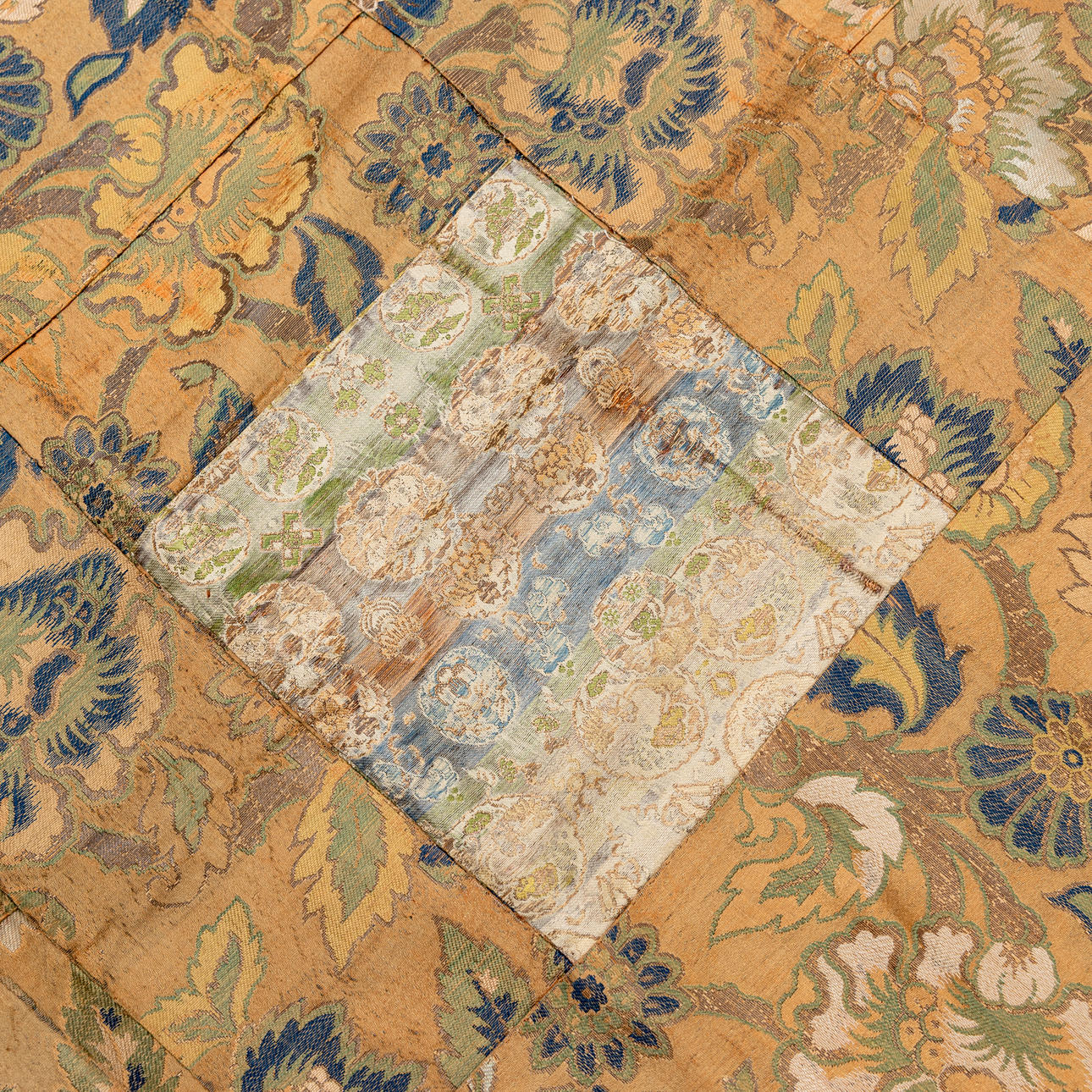
Assembled textile pieces in varying patterns, lined with silk. Dimensions approx. 215x120 cm.
History:
Kesa is the Japanese term for the robe traditionally worn by Buddhist monks and nuns. The word originates from the Sanskrit "kāṣāya", which refers to earth tones. The fact that the kesa consisted of fragments also had symbolic significance; it denoted the wearer's humble status, in accordance with Buddha's own life in poverty, even though the garment was often composed of more precious materials. The fabrics used in the production of the kesa were often recycled from other garments or donated by wealthy followers. The idea was that the colors, together with the recycled material, would convey a sense of humility.
Like Buddhism itself, this type of garment has its origins in India during the 5th century BC. It was introduced in China during the first century AD and arrived in Japan during the 6th century AD.
Sold for the benefit of Stockholms Stadsmission.
Condition
Use- and age-related wear, unevenly sun-faded, heavy wear in places, holes.
Theme
Bidding
Item is located in Stockholm, Sweden
Description
Assembled textile pieces in varying patterns, lined with silk. Dimensions approx. 215x120 cm.
History:
Kesa is the Japanese term for the robe traditionally worn by Buddhist monks and nuns. The word originates from the Sanskrit "kāṣāya", which refers to earth tones. The fact that the kesa consisted of fragments also had symbolic significance; it denoted the wearer's humble status, in accordance with Buddha's own life in poverty, even though the garment was often composed of more precious materials. The fabrics used in the production of the kesa were often recycled from other garments or donated by wealthy followers. The idea was that the colors, together with the recycled material, would convey a sense of humility.
Like Buddhism itself, this type of garment has its origins in India during the 5th century BC. It was introduced in China during the first century AD and arrived in Japan during the 6th century AD.
Sold for the benefit of Stockholms Stadsmission.
Condition
Use- and age-related wear, unevenly sun-faded, heavy wear in places, holes.
Theme
Payment options for this item
Payment cardsBank transferDelivery
: Provide your locationInfo temporarily unavailableLoading…Provide your location to see transport options and prices.
Oops! Something went wrong.
Please try again in a moment. If it still doesn't work, contact Auctionet support.
Details
- House
- Auktionshuset Kolonn
- Address
Tulegatan 15
172 78 Sundbyberg
Sweden- Placement
- Mötesrum