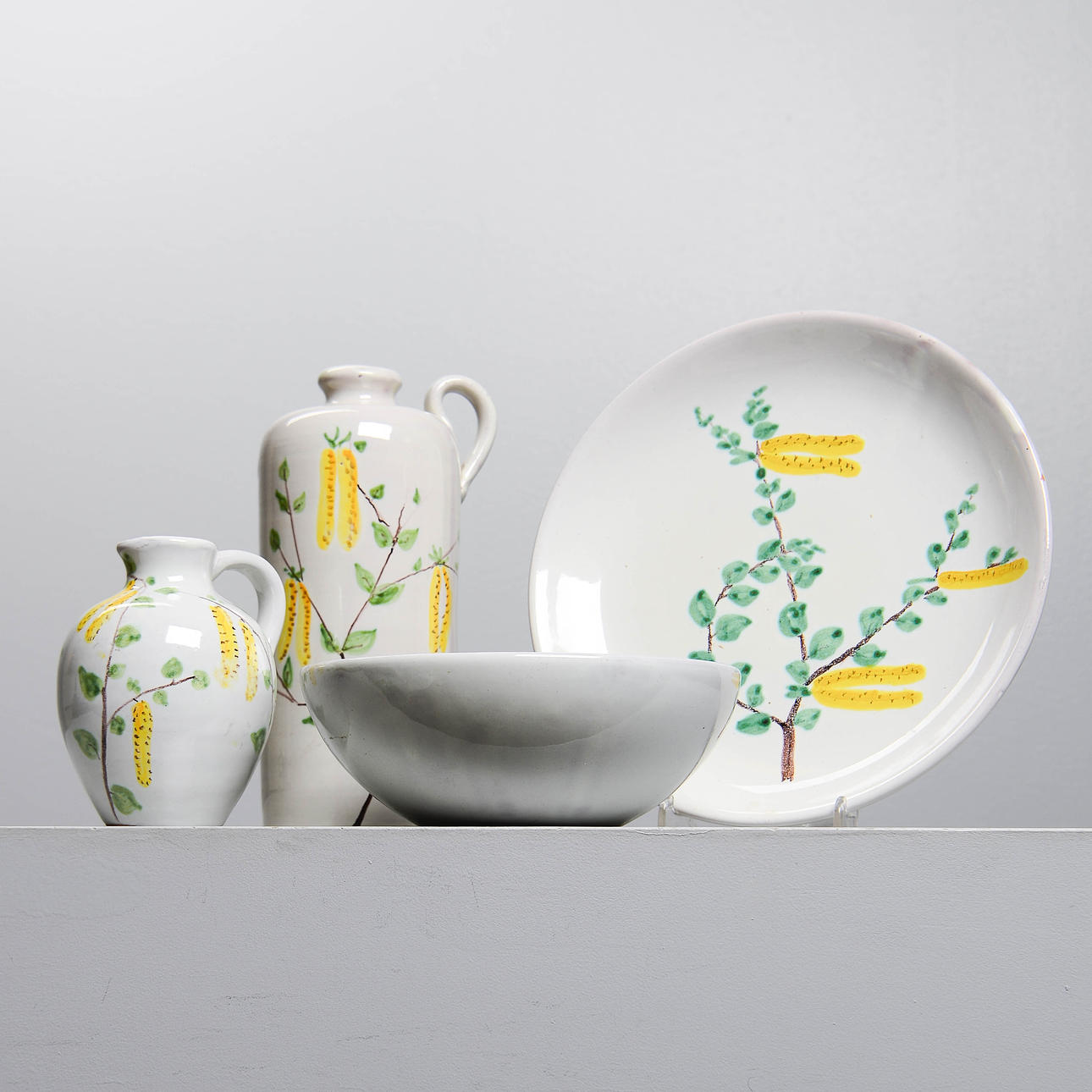
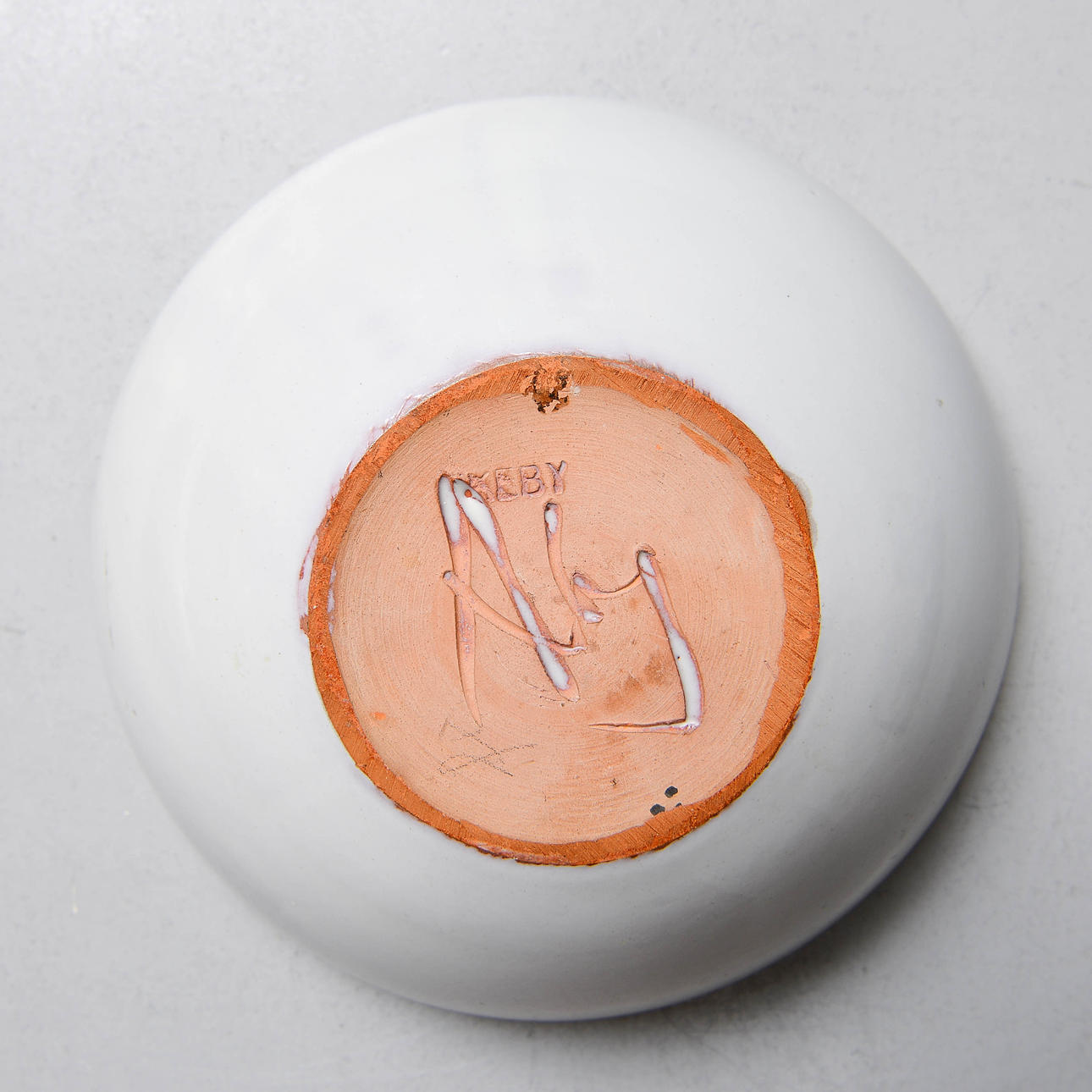
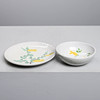
INGRID ATTERBERG. “Sell”, 4 pieces, Ekeby Verkstad, Upsala-Ekeby, 1940s.
This auction is closed, but maybe you like the following items?

Images
Description
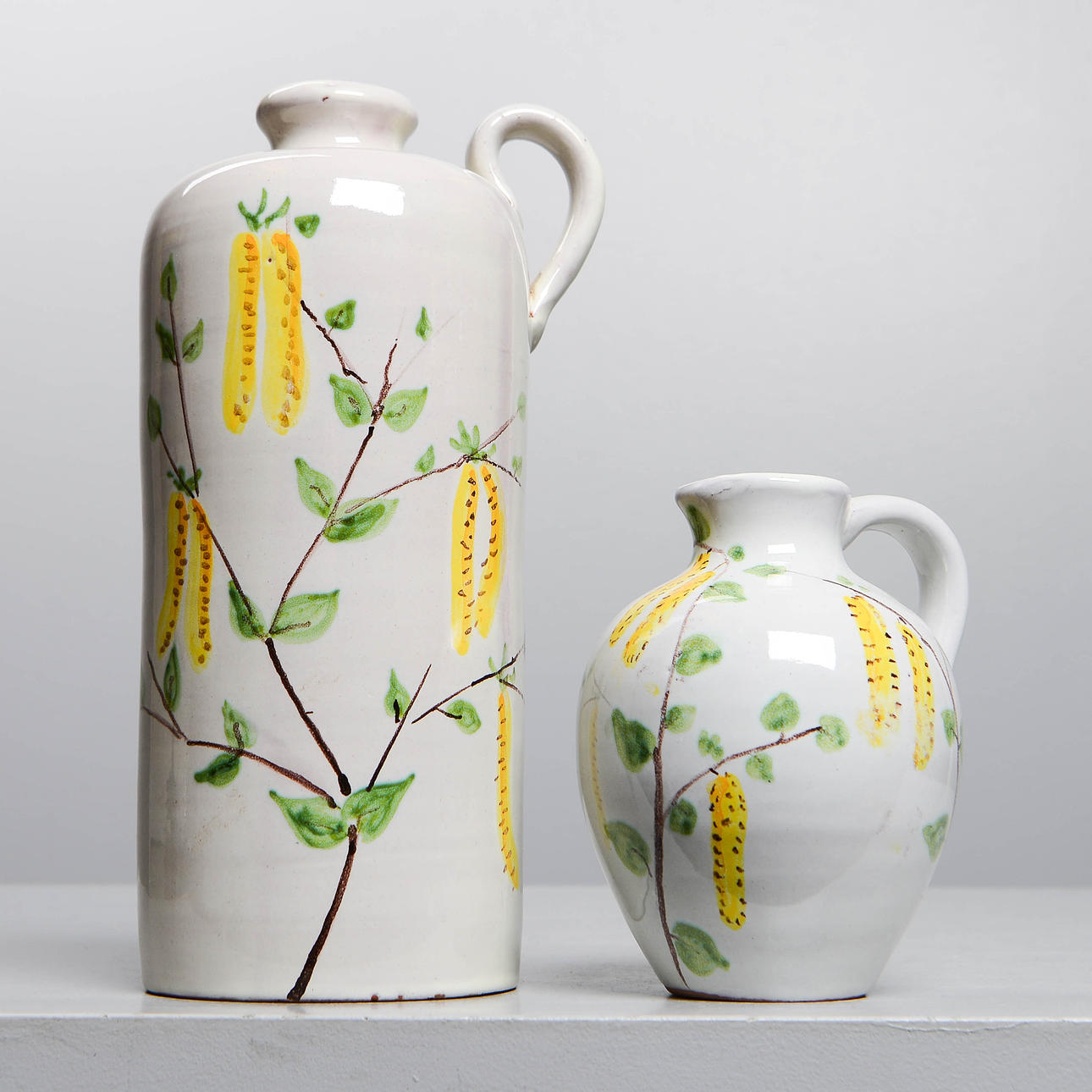
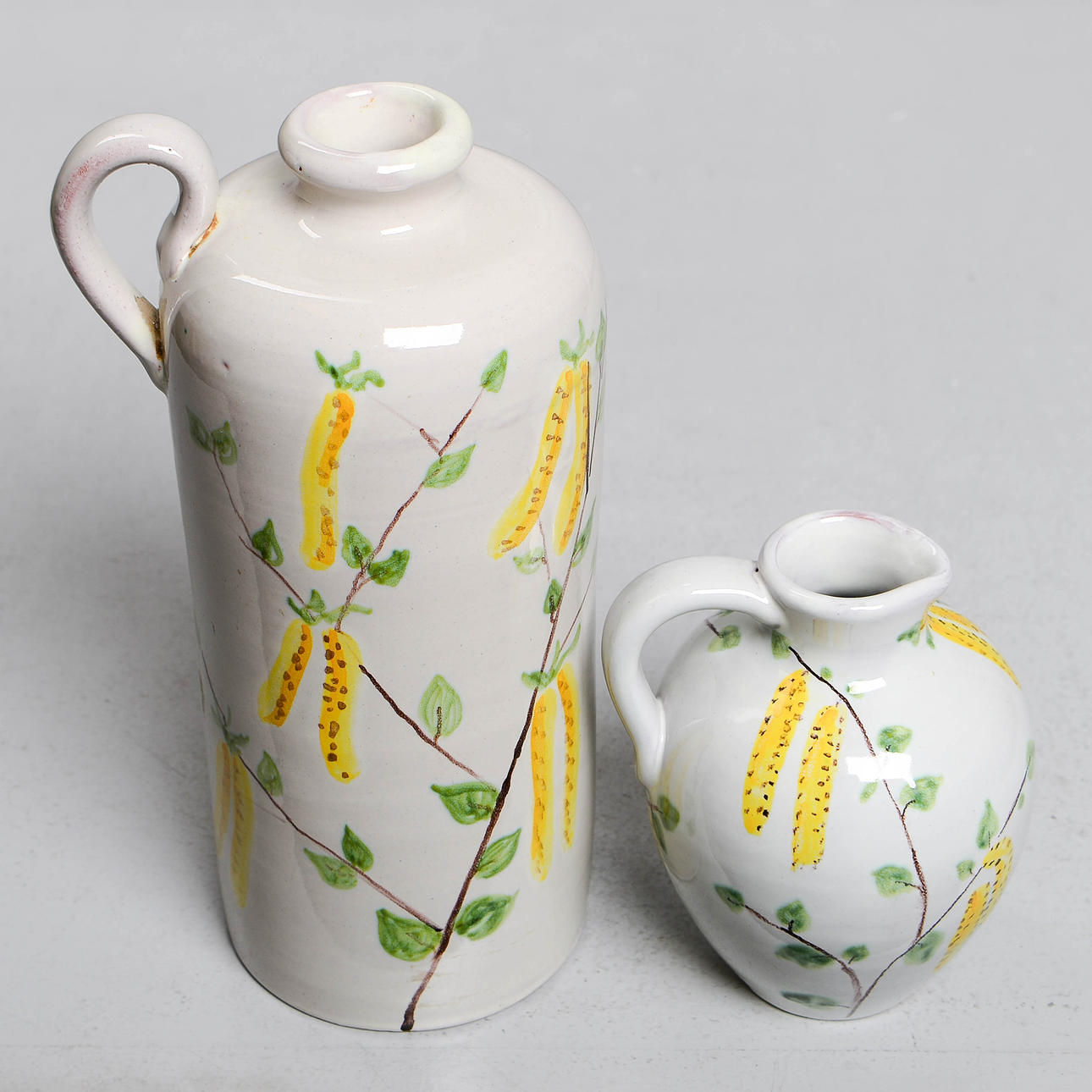
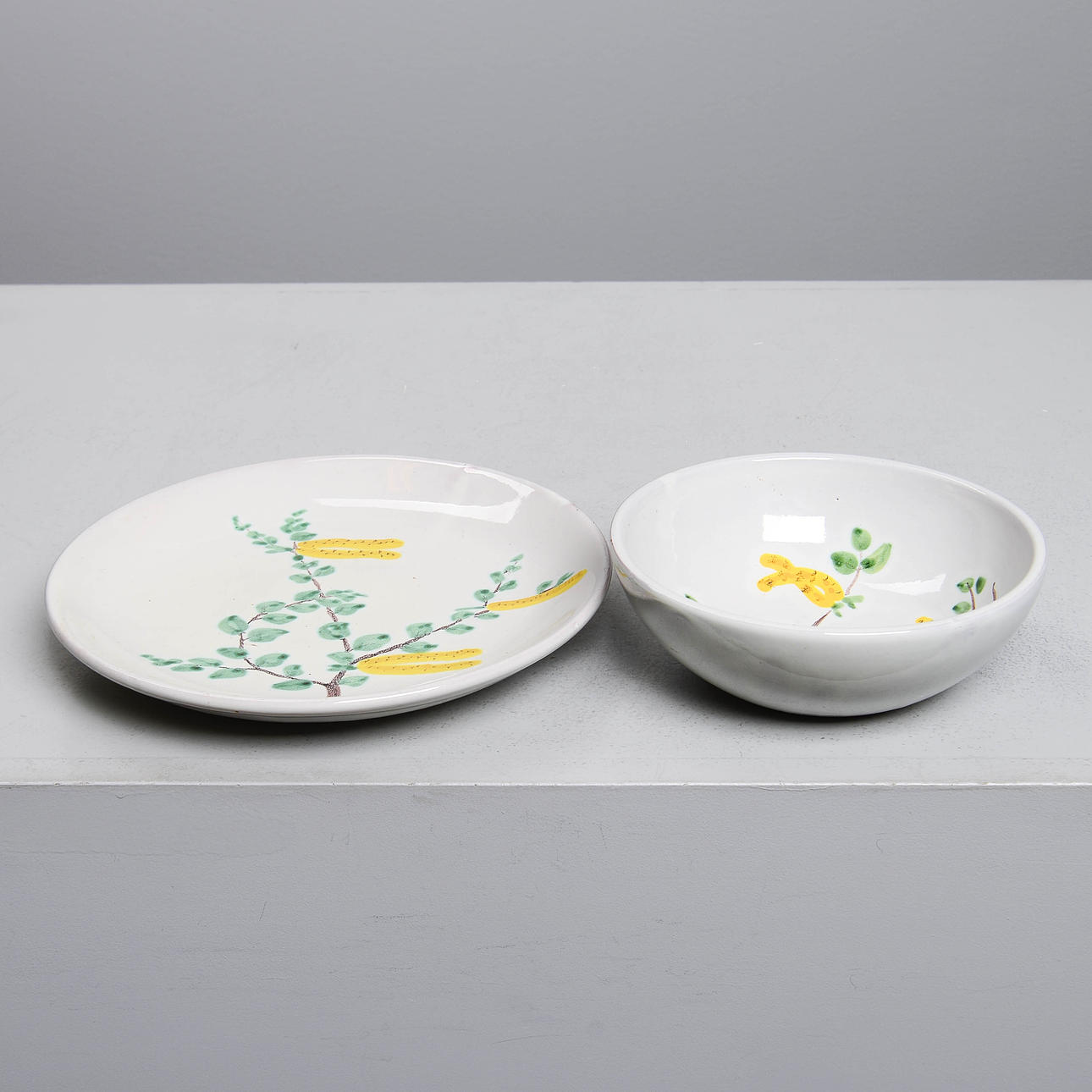
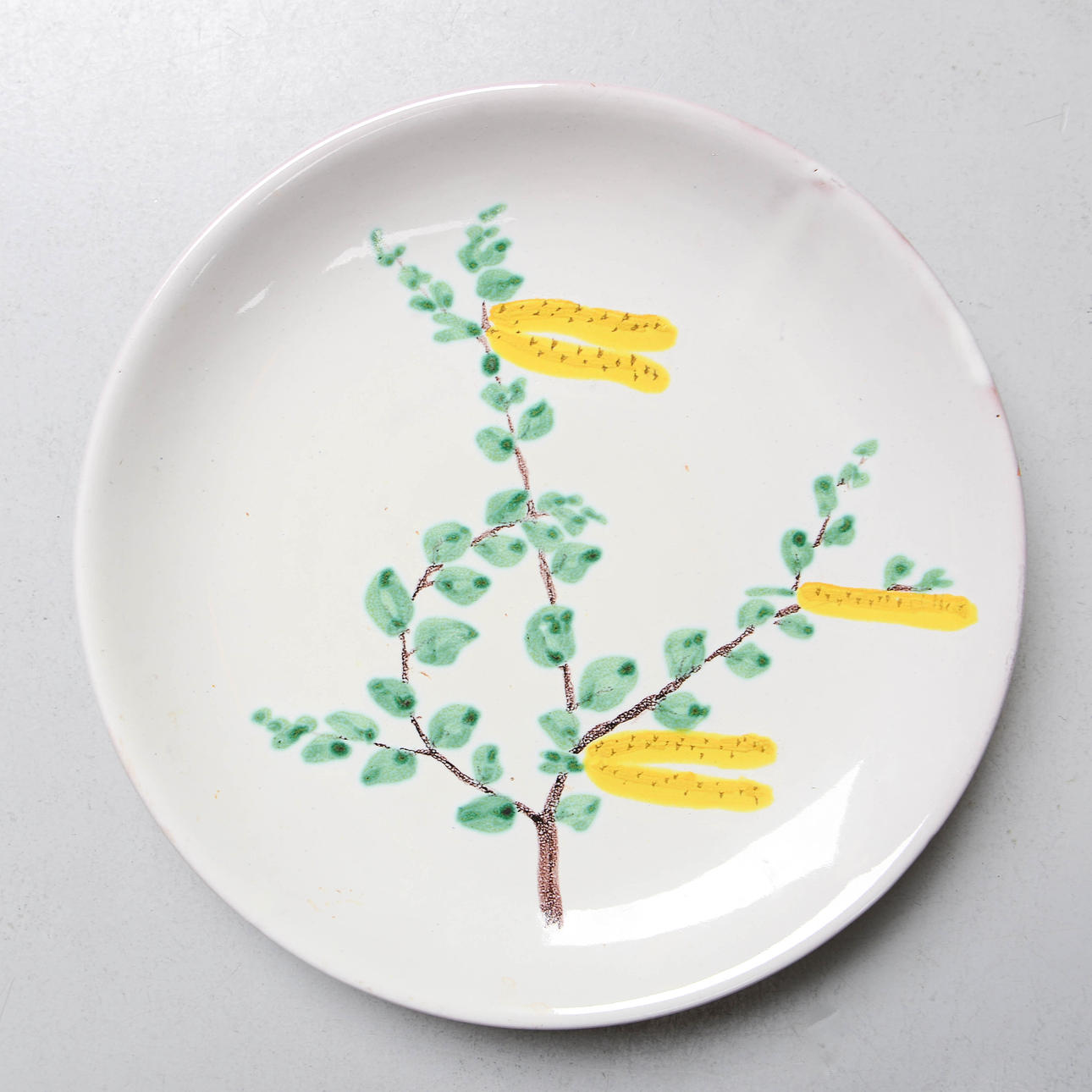
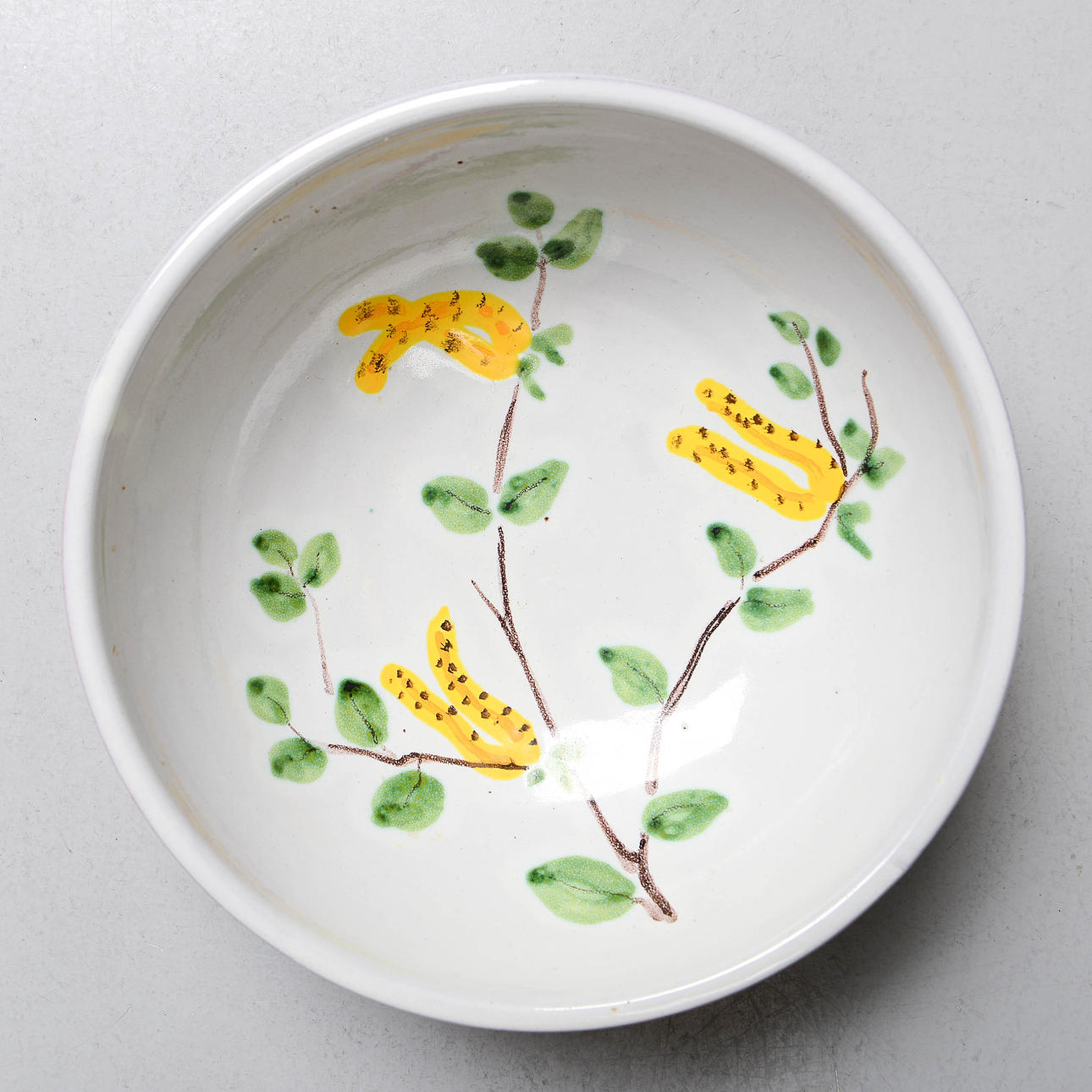
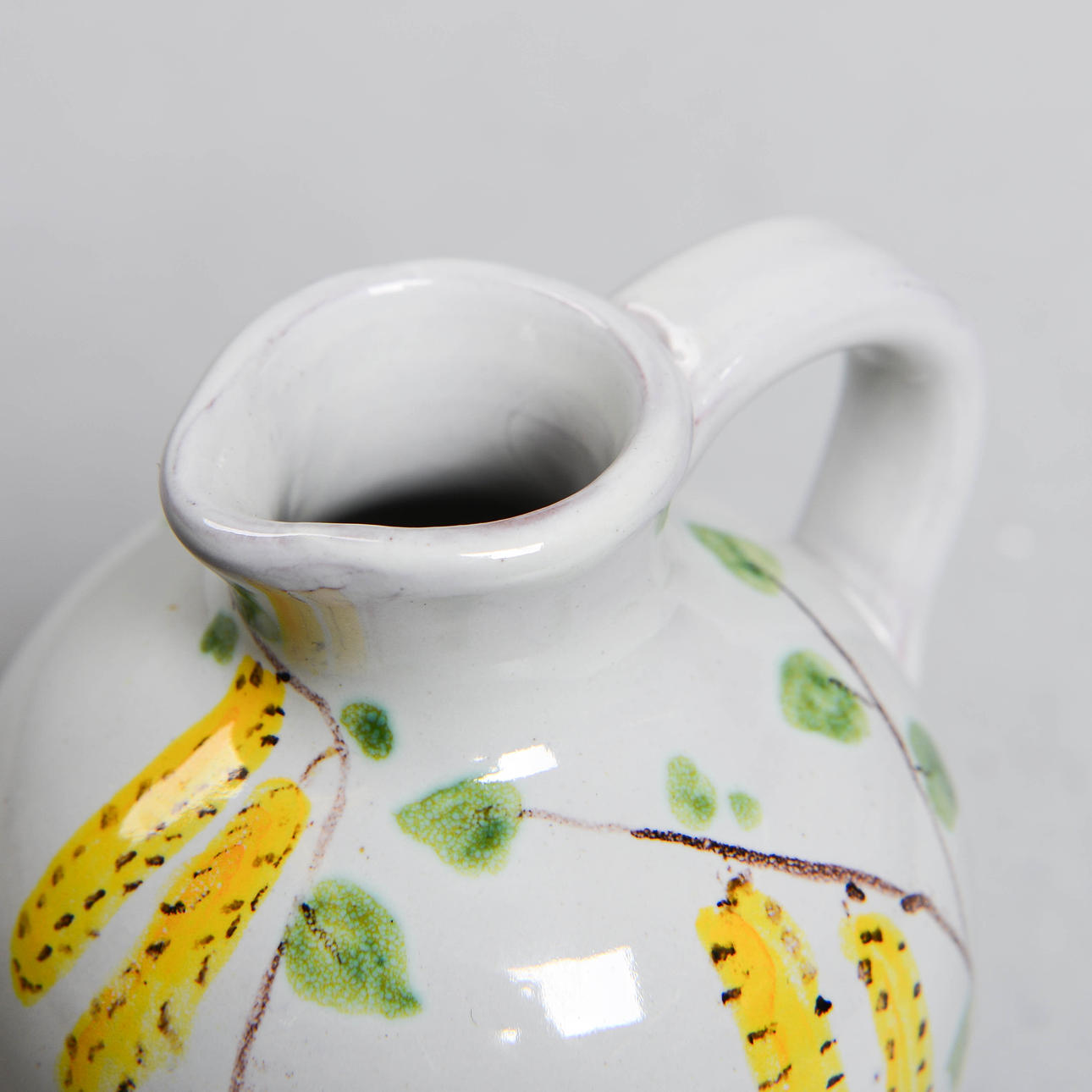
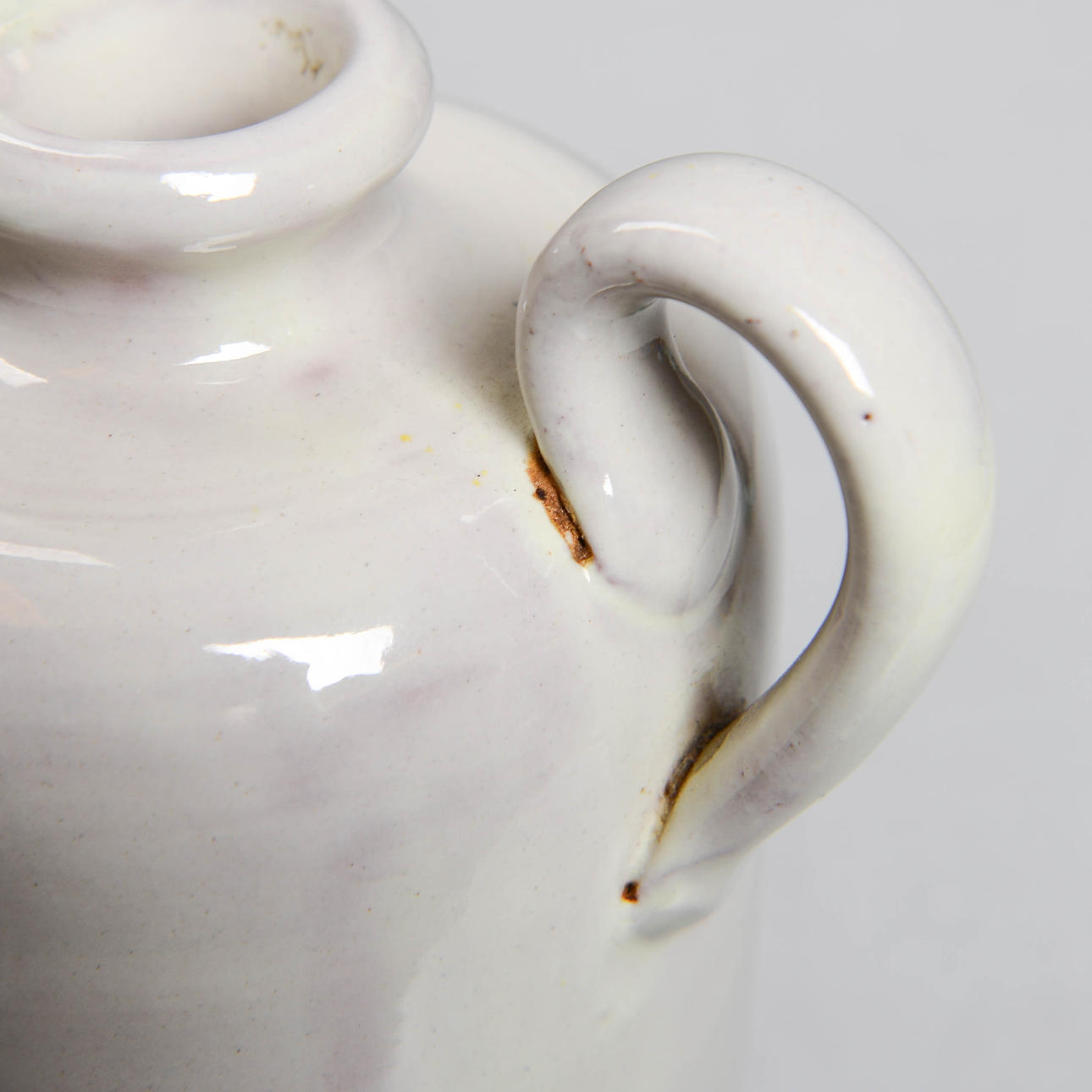
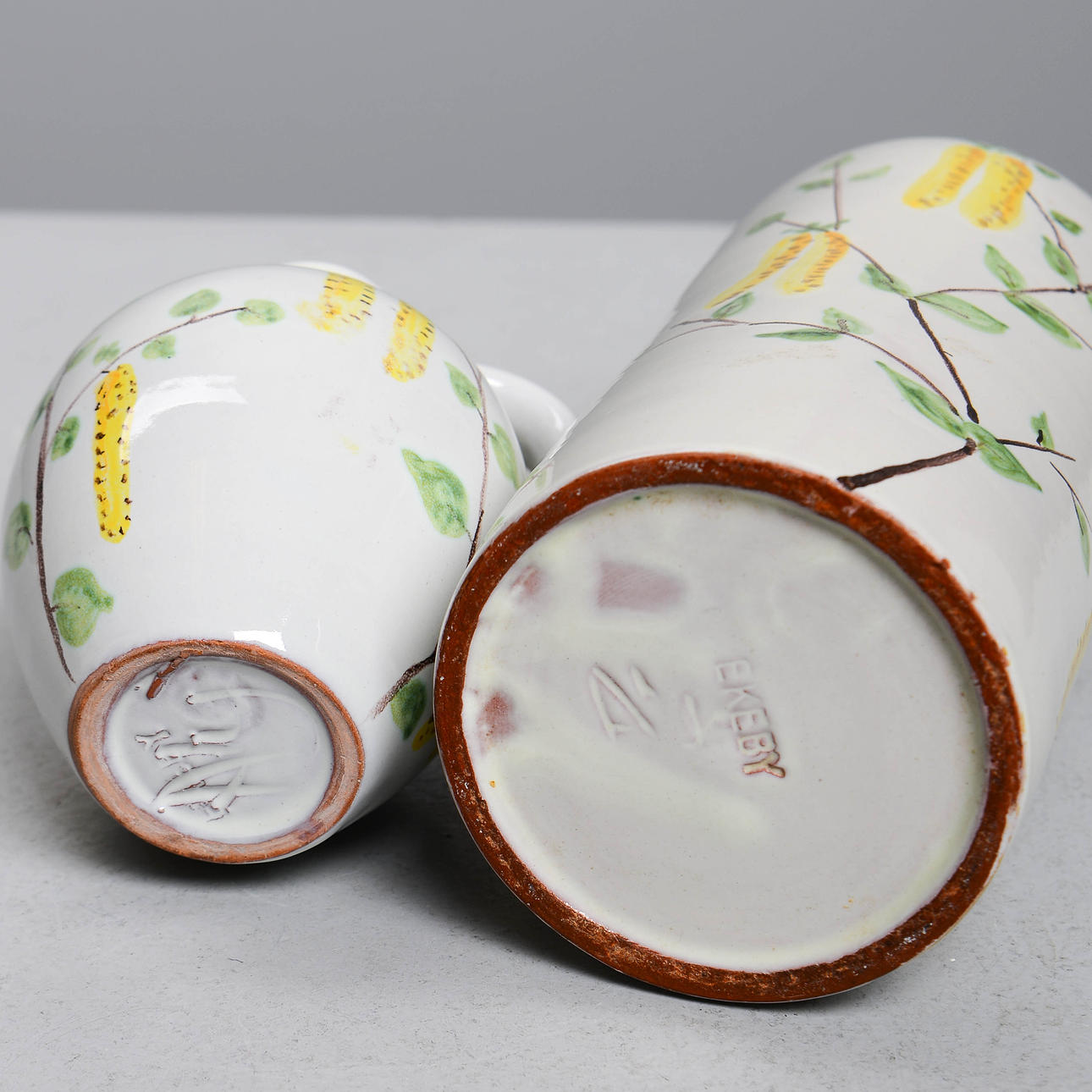
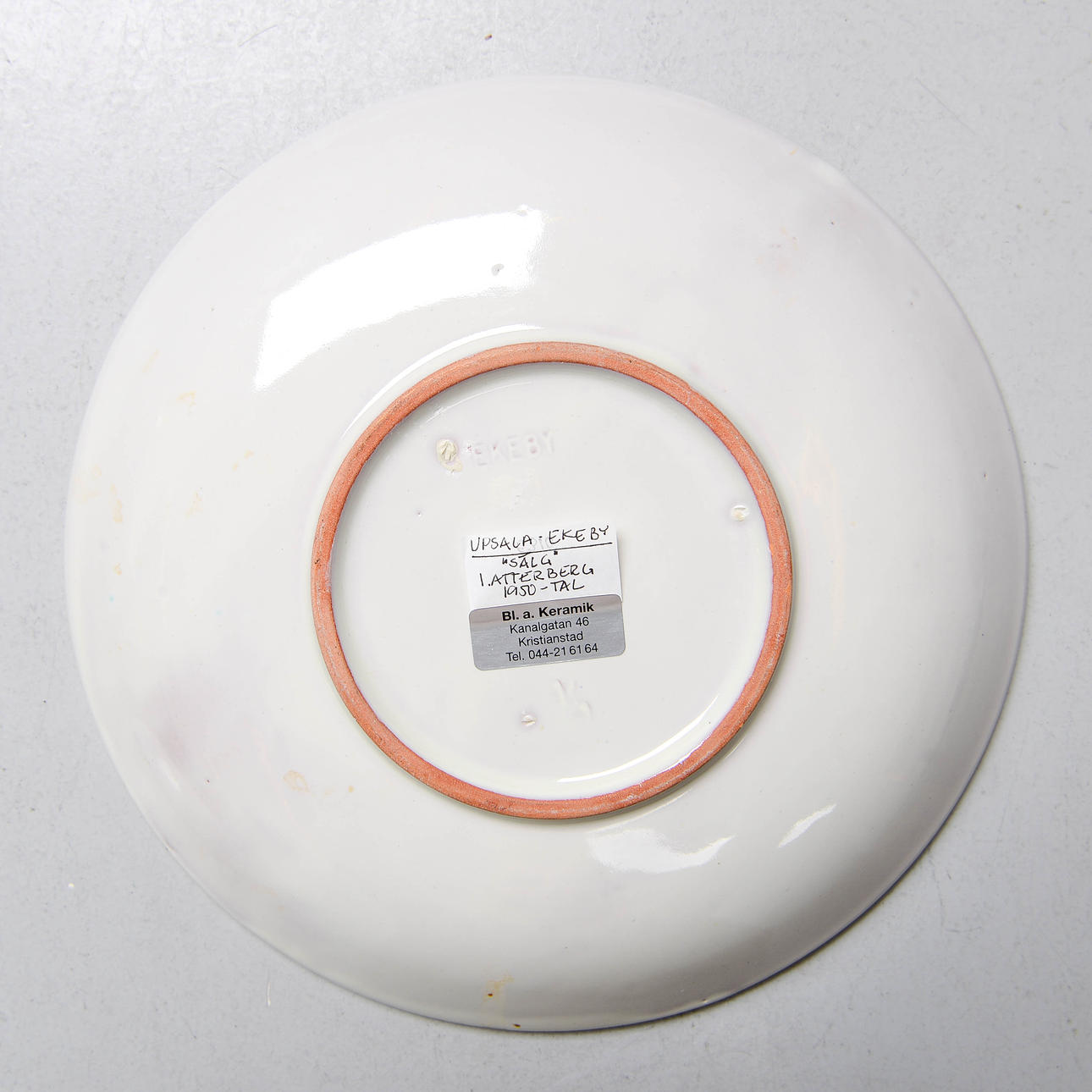
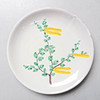
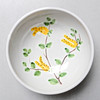
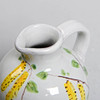
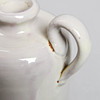
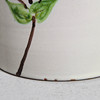
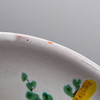
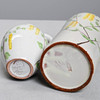
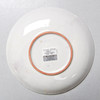
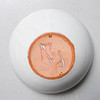
Earthenware with painted decor. Mug (height 22 cm), jug (height 11 cm), bowl (diameter 18 cm) and saucer (diameter 24,5 cm).
“The first thing Ingrid Atterberg made for Upsala-Ekeby was a blue hand-decorated series with white stars, which she began to develop in the workshop in Gothenburg that she had before moving to Uppsala in 1944. The series was named Star and became so popular that the factory chose to invest in Atterberg's handicrafts under the collective name Ekeby Verkstad. Ekeby Verkstad ceased as a department and brand in 1953.(Magnus Palm, The Great Book of Upsala-Ekeby, pp. 36-37).
Background: One of the designers at Upsala-Ekeby who was closest to clay, the material, was Ingrid Atterberg (1920-2008). She experimented from the very beginning, like the schooled ceramist she was, with clays, glazes and techniques. For example, she revived black clay, a mixture of red clay and manganese oxide, and made it an impactful feature in many art series, not only her own; she also produced a series, Sintergods, which succeeded in producing stoneware effects from the Uppland clay; she also found a way to use the effects of chamotte clay without having to twist it.
But Ingrid Atterberg would not have taken the place as one of the greats of Swedish ceramics, if she had not managed to reconcile her feeling for the clay with a style-proof modernist compass. Especially during the 1950s this manifested itself, with series such as Pepita, Domino, Pylon, Short series, Tricorn, Chamotte, Spira and others. She left the factory in 1964, for other design assignments. By then, she had been there for 20 years. Eventually she resumed ceramics in her own studio in Uppsala, where she continued her diligent experimentation with clay and glazes, but with a radically different ware as a result.
Condition
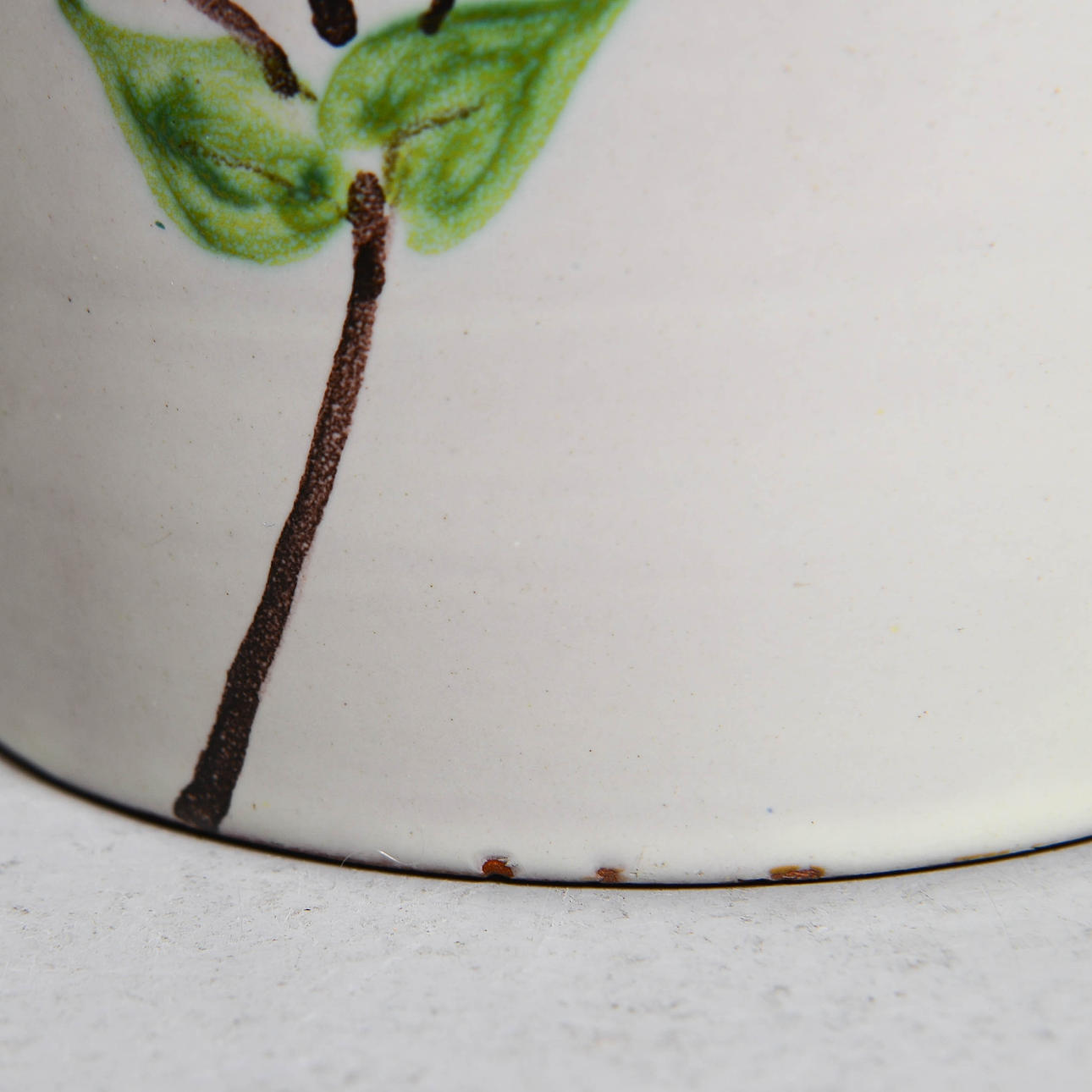
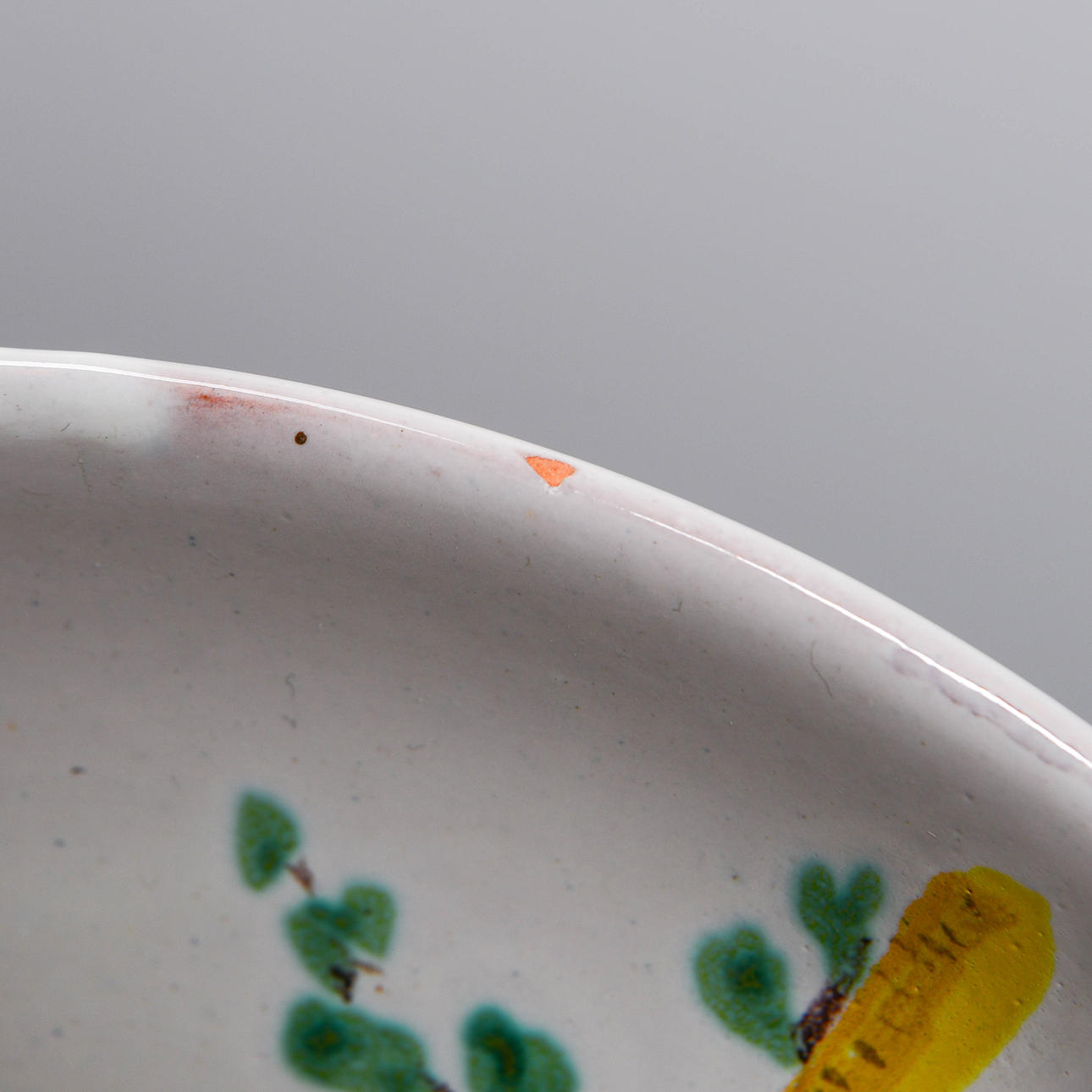
Normal wear and tear.
Resale right
Artist/designer
Theme
Do you have something similar to sell? Get your items valued free of charge!
Description
Earthenware with painted decor. Mug (height 22 cm), jug (height 11 cm), bowl (diameter 18 cm) and saucer (diameter 24,5 cm).
“The first thing Ingrid Atterberg made for Upsala-Ekeby was a blue hand-decorated series with white stars, which she began to develop in the workshop in Gothenburg that she had before moving to Uppsala in 1944. The series was named Star and became so popular that the factory chose to invest in Atterberg's handicrafts under the collective name Ekeby Verkstad. Ekeby Verkstad ceased as a department and brand in 1953.(Magnus Palm, The Great Book of Upsala-Ekeby, pp. 36-37).
Background: One of the designers at Upsala-Ekeby who was closest to clay, the material, was Ingrid Atterberg (1920-2008). She experimented from the very beginning, like the schooled ceramist she was, with clays, glazes and techniques. For example, she revived black clay, a mixture of red clay and manganese oxide, and made it an impactful feature in many art series, not only her own; she also produced a series, Sintergods, which succeeded in producing stoneware effects from the Uppland clay; she also found a way to use the effects of chamotte clay without having to twist it.
But Ingrid Atterberg would not have taken the place as one of the greats of Swedish ceramics, if she had not managed to reconcile her feeling for the clay with a style-proof modernist compass. Especially during the 1950s this manifested itself, with series such as Pepita, Domino, Pylon, Short series, Tricorn, Chamotte, Spira and others. She left the factory in 1964, for other design assignments. By then, she had been there for 20 years. Eventually she resumed ceramics in her own studio in Uppsala, where she continued her diligent experimentation with clay and glazes, but with a radically different ware as a result.
Condition
Normal wear and tear.
Resale right
Artist/designer
Theme
Do you have something similar to sell? Get your items valued free of charge!