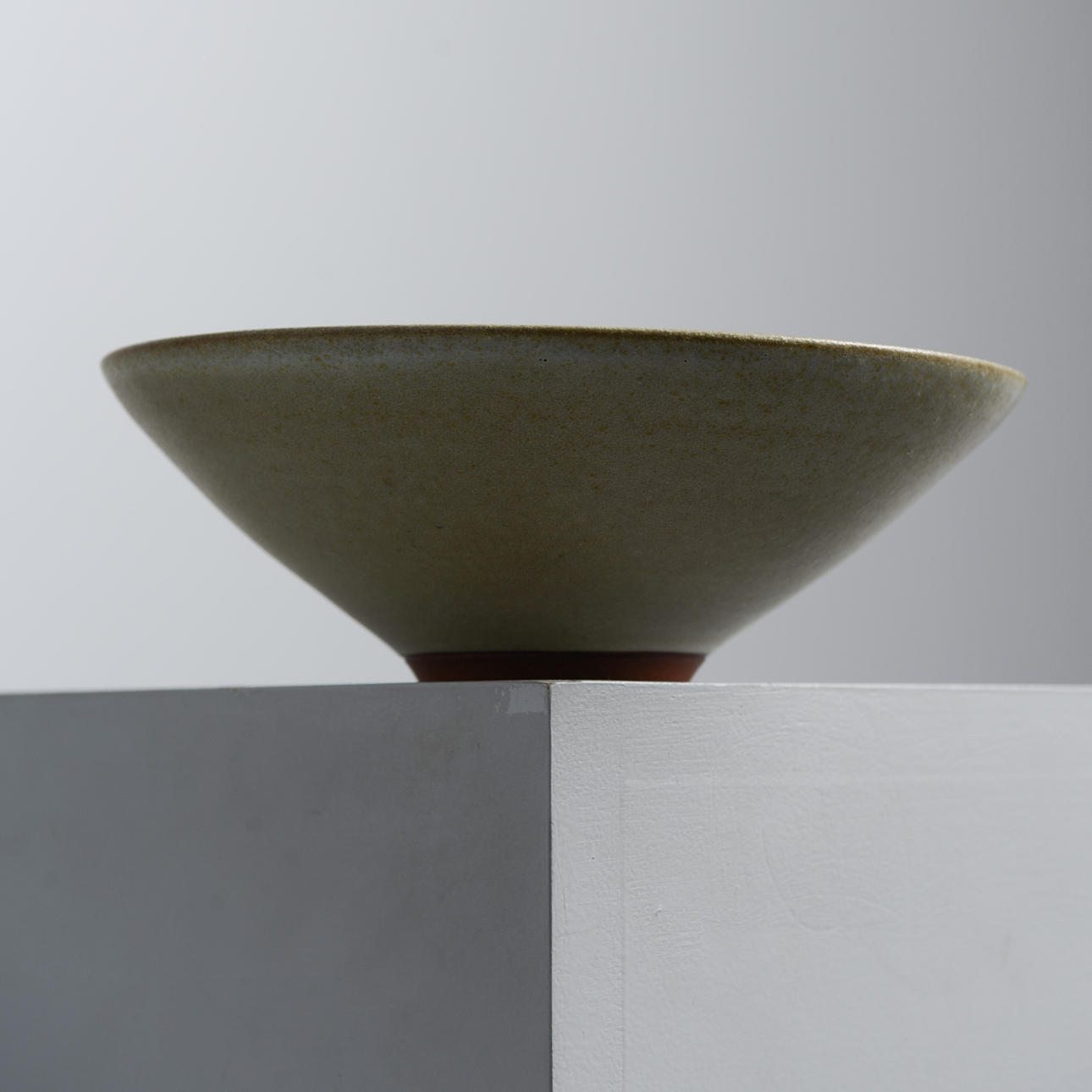
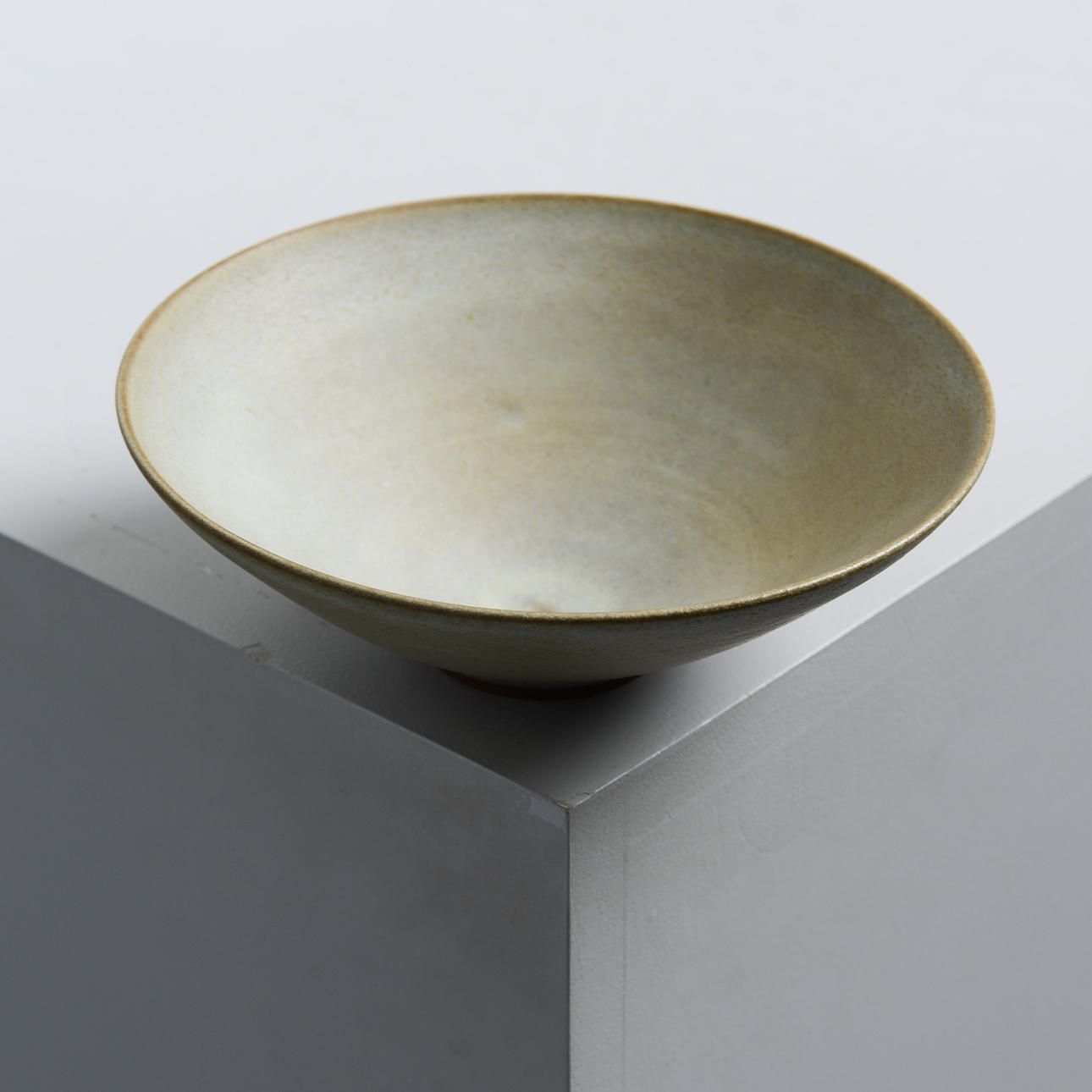
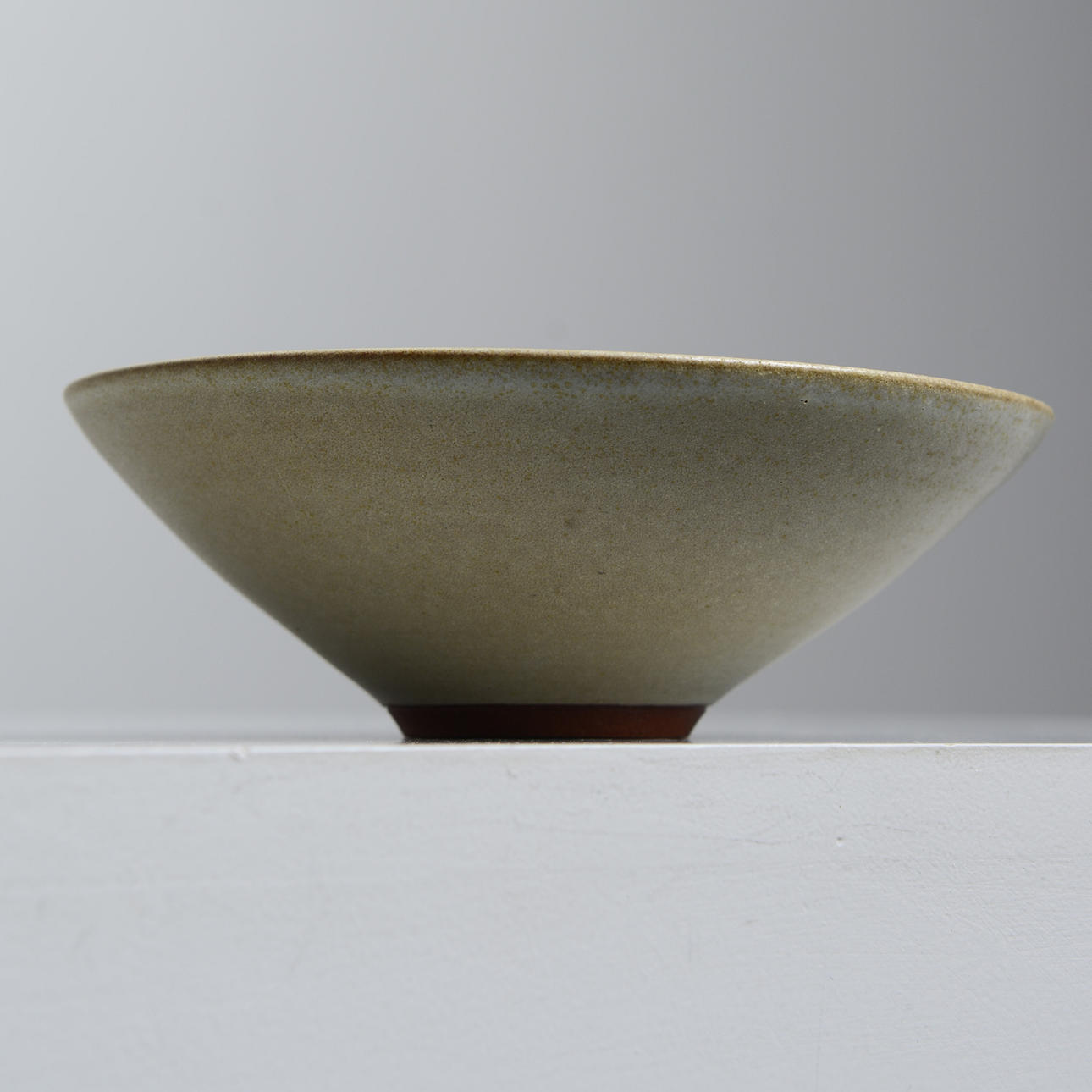
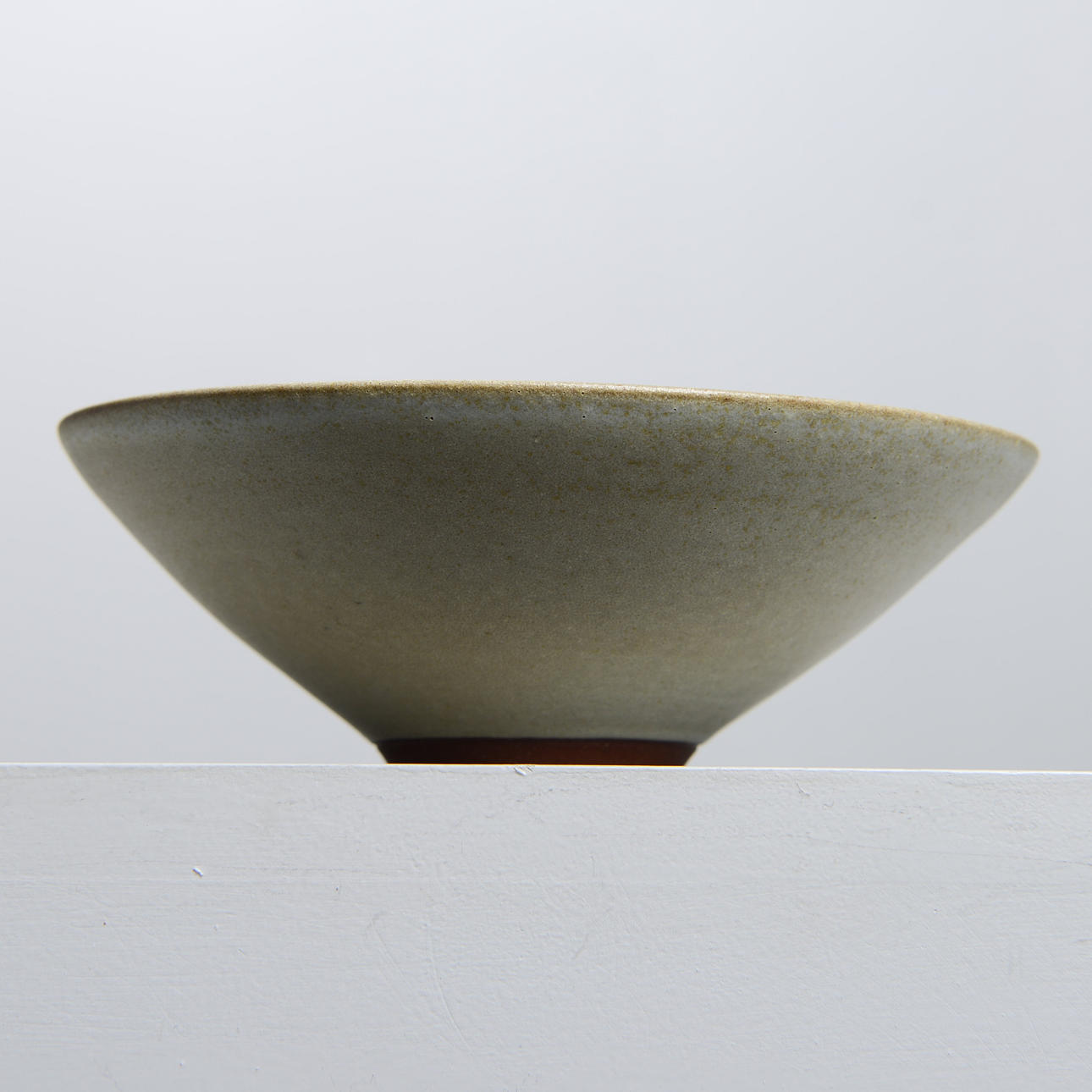
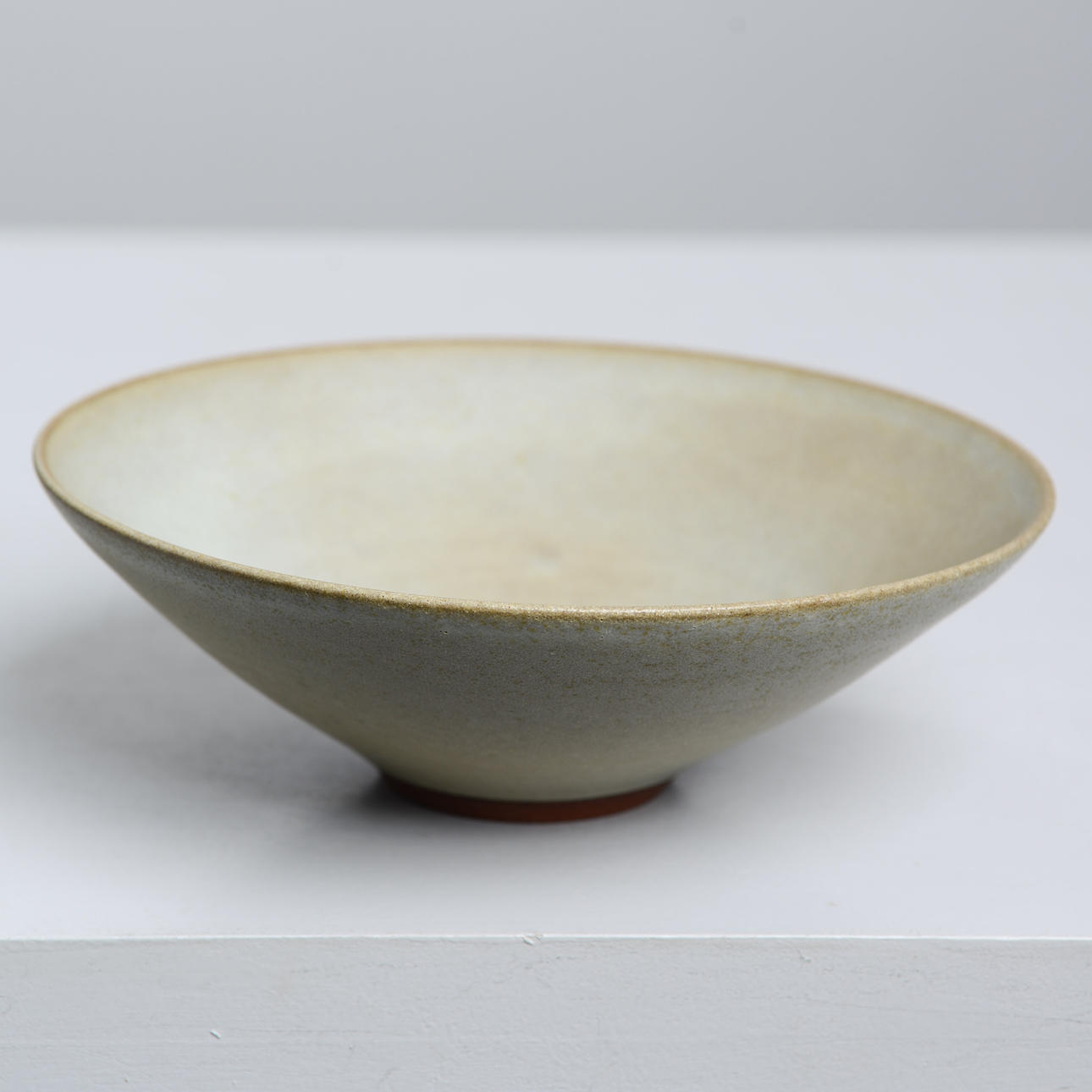
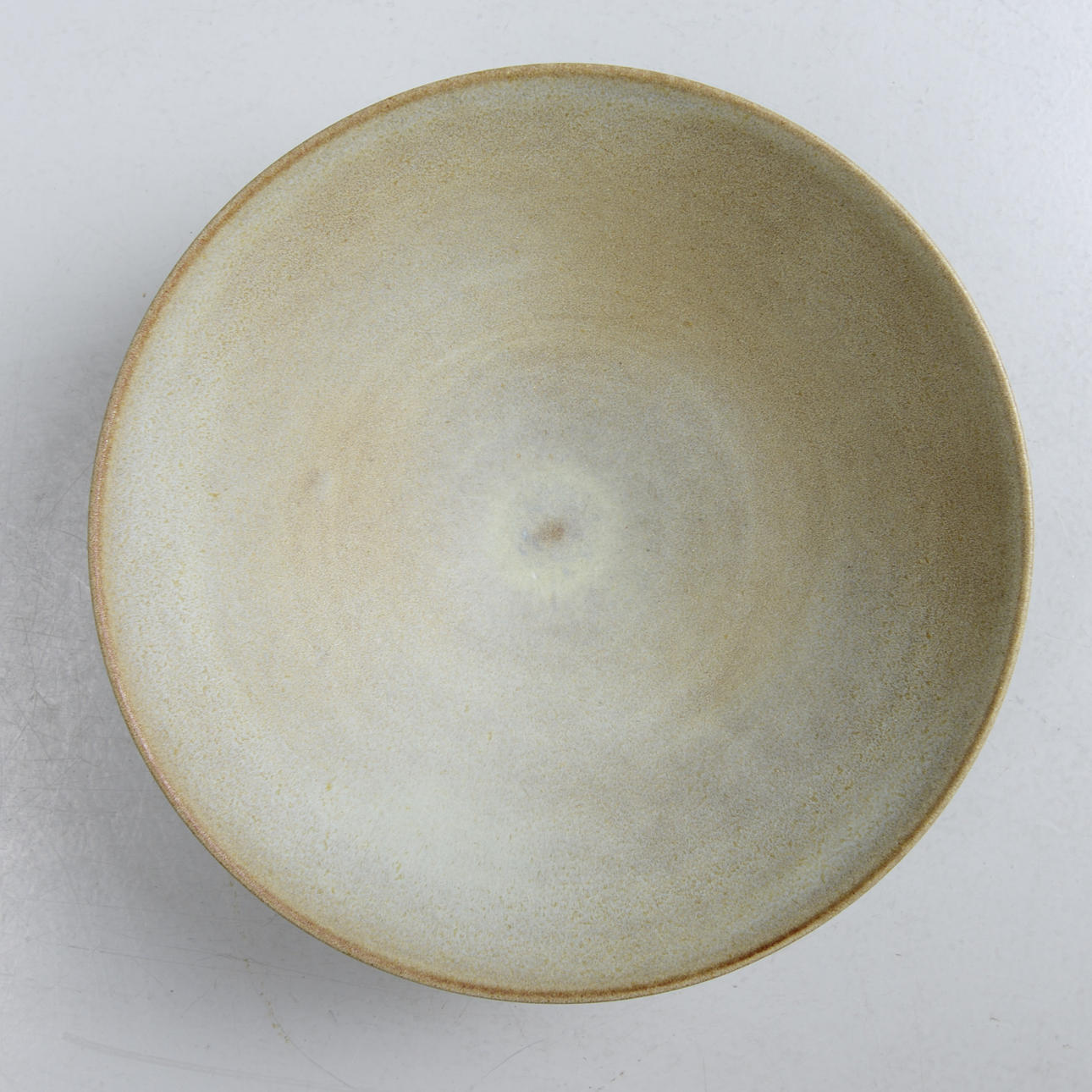
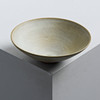
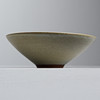
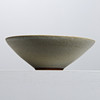
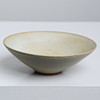
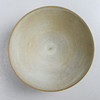
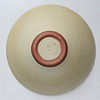
INGRID ATTERBERG. A bowl, sintered ware, Upsala-Ekeby, 1957.
This auction is closed, but maybe you like the following items?

Images
Description
Sintergods. Diameter 18.5 cm. Height 6.5 cm.
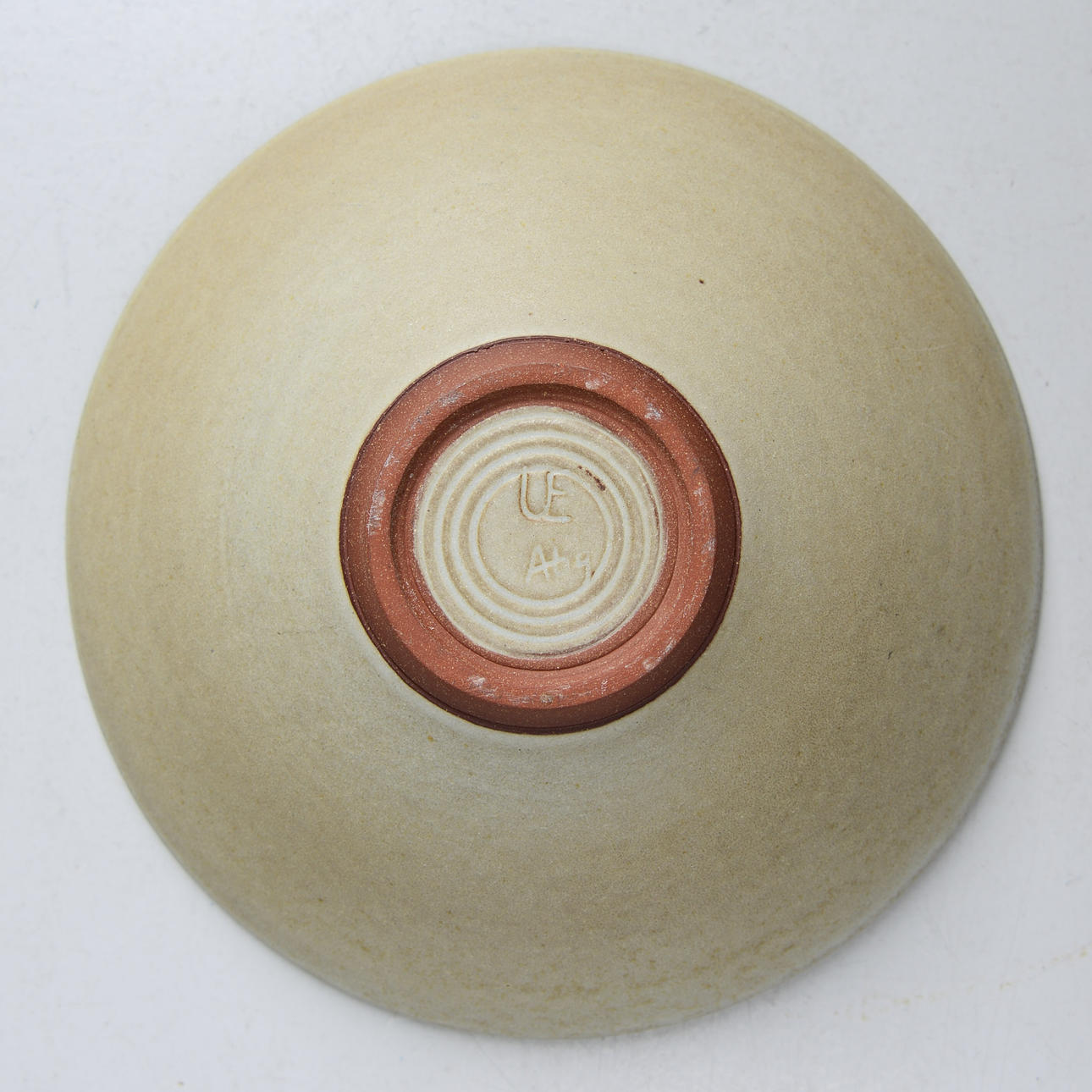
Ingrid Atterberg's candy series has a magical shimmer. With a stubbornness bordering on madness, she tried, even though it would not really work, to make the red clay of Uppland take the form of a regular stoneware. She burned the objects exactly 30 degrees from the melting point (1100 degrees) which caused them to be sintered, vitrified, and given a surface similar to a stoneware that normally burns at over 1200 degrees. It was a complicated process, many firings failed and the series proved too expensive to produce and was shut down the same year it was presented (1957). A total of 12 different models were made. Sintered goods were usually marked with Abg and or UE, but unmarked goods are also present. It is estimated that a few hundred copies of each model have been produced.
Background: One of the designers at Upsala-Ekeby who was closest to clay, the material, was Ingrid Atterberg (1920-2008). She experimented from the very beginning, like the schooled ceramist she was, with clays, glazes and techniques. For example, she revived black clay, a mixture of red clay and manganese oxide, and made it an impactful feature in many art series, not only her own; she also produced a series, Sintergods, which succeeded in producing stoneware effects from the Uppland clay; she also found a way to use the effects of chamotte clay without having to twist it.
But Ingrid Atterberg would not have taken the place as one of the greats of Swedish ceramics, if she had not managed to reconcile her feeling for the clay with a style-proof modernist compass. Especially during the 1950s this manifested itself, with series such as Pepita, Domino, Pylon, Short series, Tricorn, Chamotte, Spira and others. She left the factory in 1964, for other design assignments. By then, she had been there for 20 years. Eventually she resumed ceramics in her own studio in Uppsala, where she continued her diligent experimentation with clay and glazes, but with a radically different ware as a result.
Condition
No remarks.
Resale right
Artist/designer
Theme
Do you have something similar to sell? Get your items valued free of charge!
Description
Sintergods. Diameter 18.5 cm. Height 6.5 cm.
Ingrid Atterberg's candy series has a magical shimmer. With a stubbornness bordering on madness, she tried, even though it would not really work, to make the red clay of Uppland take the form of a regular stoneware. She burned the objects exactly 30 degrees from the melting point (1100 degrees) which caused them to be sintered, vitrified, and given a surface similar to a stoneware that normally burns at over 1200 degrees. It was a complicated process, many firings failed and the series proved too expensive to produce and was shut down the same year it was presented (1957). A total of 12 different models were made. Sintered goods were usually marked with Abg and or UE, but unmarked goods are also present. It is estimated that a few hundred copies of each model have been produced.
Background: One of the designers at Upsala-Ekeby who was closest to clay, the material, was Ingrid Atterberg (1920-2008). She experimented from the very beginning, like the schooled ceramist she was, with clays, glazes and techniques. For example, she revived black clay, a mixture of red clay and manganese oxide, and made it an impactful feature in many art series, not only her own; she also produced a series, Sintergods, which succeeded in producing stoneware effects from the Uppland clay; she also found a way to use the effects of chamotte clay without having to twist it.
But Ingrid Atterberg would not have taken the place as one of the greats of Swedish ceramics, if she had not managed to reconcile her feeling for the clay with a style-proof modernist compass. Especially during the 1950s this manifested itself, with series such as Pepita, Domino, Pylon, Short series, Tricorn, Chamotte, Spira and others. She left the factory in 1964, for other design assignments. By then, she had been there for 20 years. Eventually she resumed ceramics in her own studio in Uppsala, where she continued her diligent experimentation with clay and glazes, but with a radically different ware as a result.
Condition
No remarks.
Resale right
Artist/designer
Theme
Do you have something similar to sell? Get your items valued free of charge!
Payment options for this item
Payment cardsBank transferDelivery
: Provide your locationInfo temporarily unavailableLoading…Provide your location to see transport options and prices.
Oops! Something went wrong.
Please try again in a moment. If it still doesn't work, contact Auctionet support.
Details
- House
- Formstad Auktioner