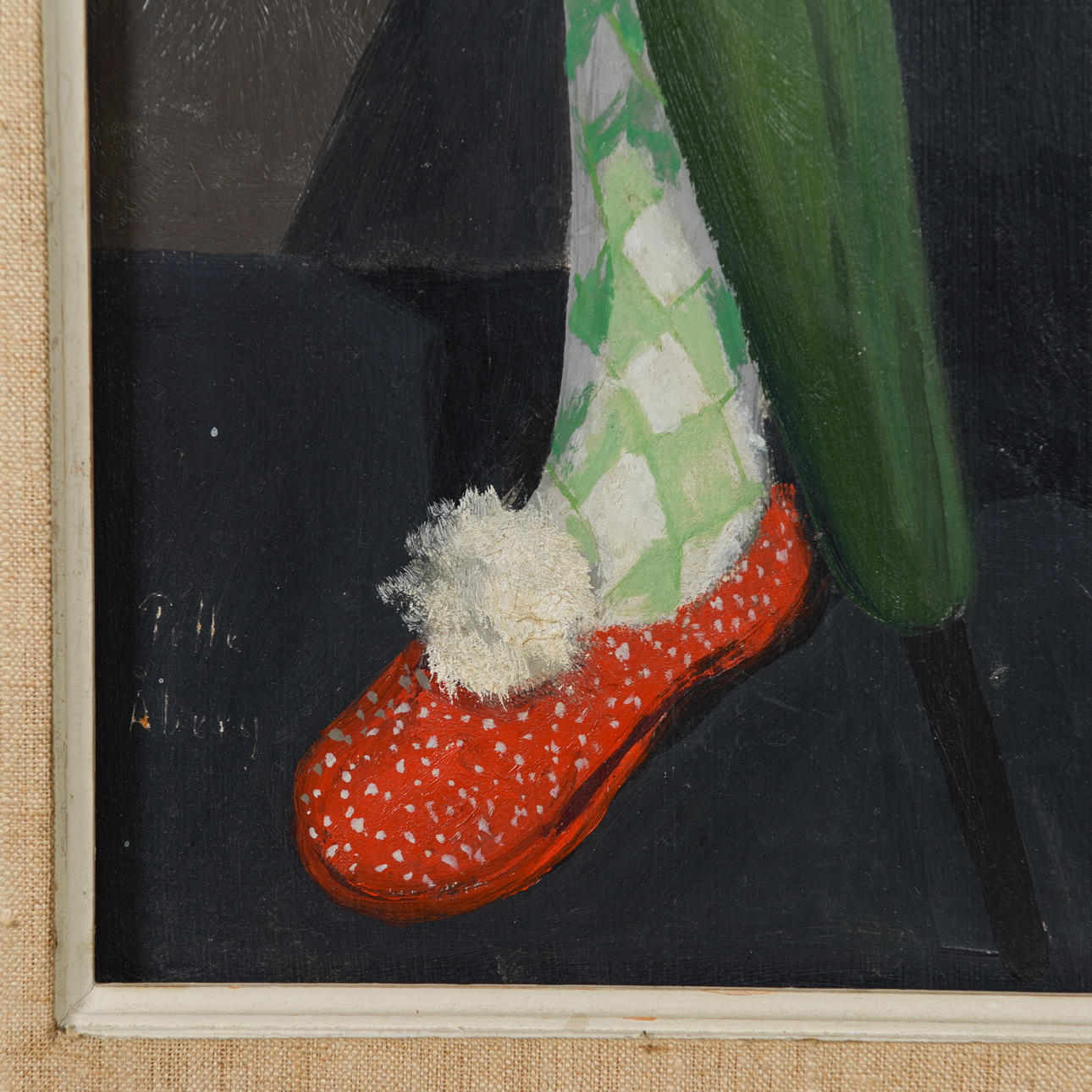
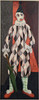
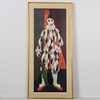
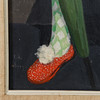
PELLE ÅBERG. Clown, oil on panel, signed.
This auction is closed, but maybe you like the following items?

Images
Description
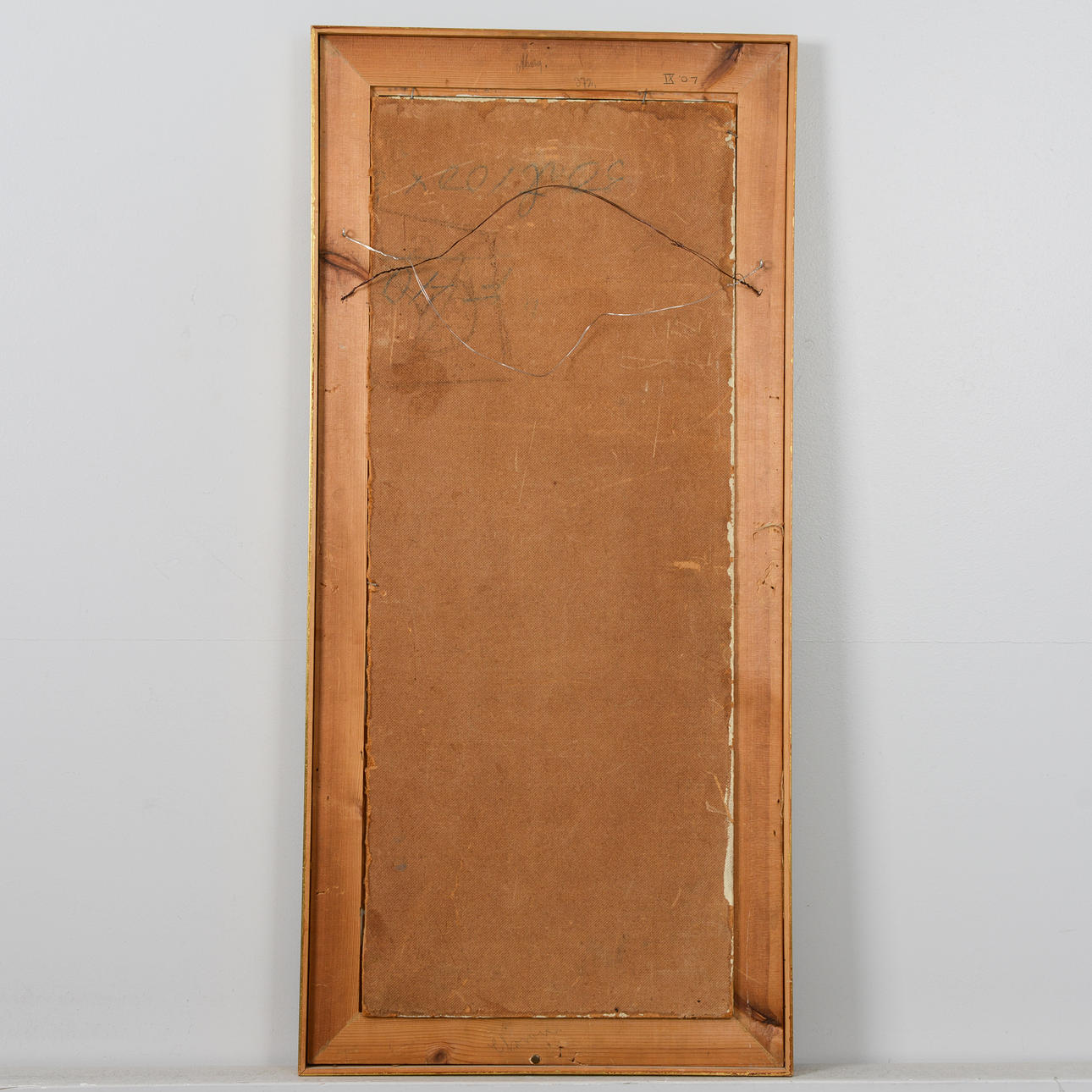
Pan dimensions: 100 x 40 cm.
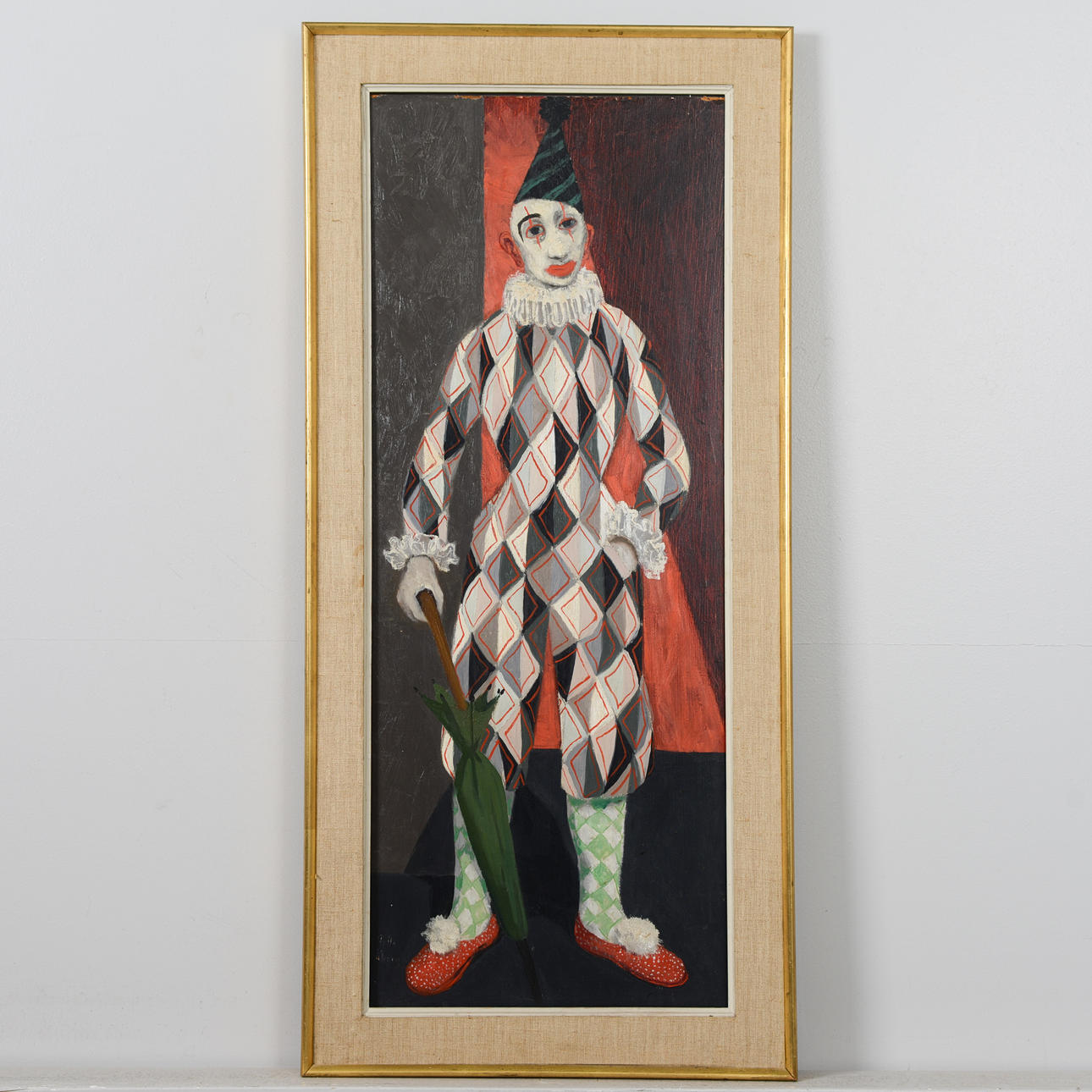
Frame dimensions: 113 x 51 cm.
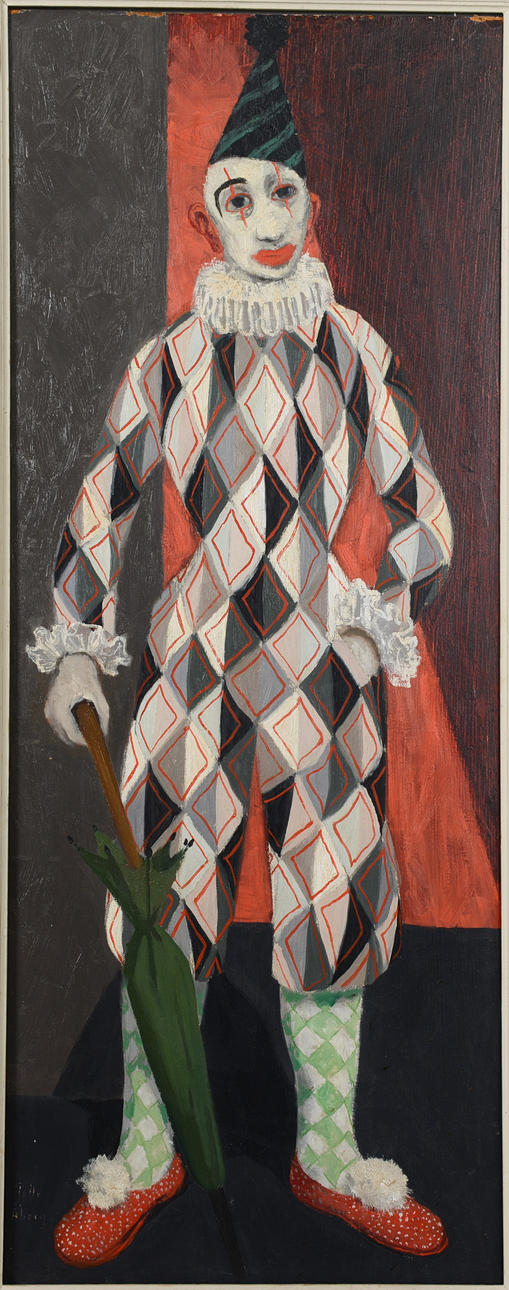
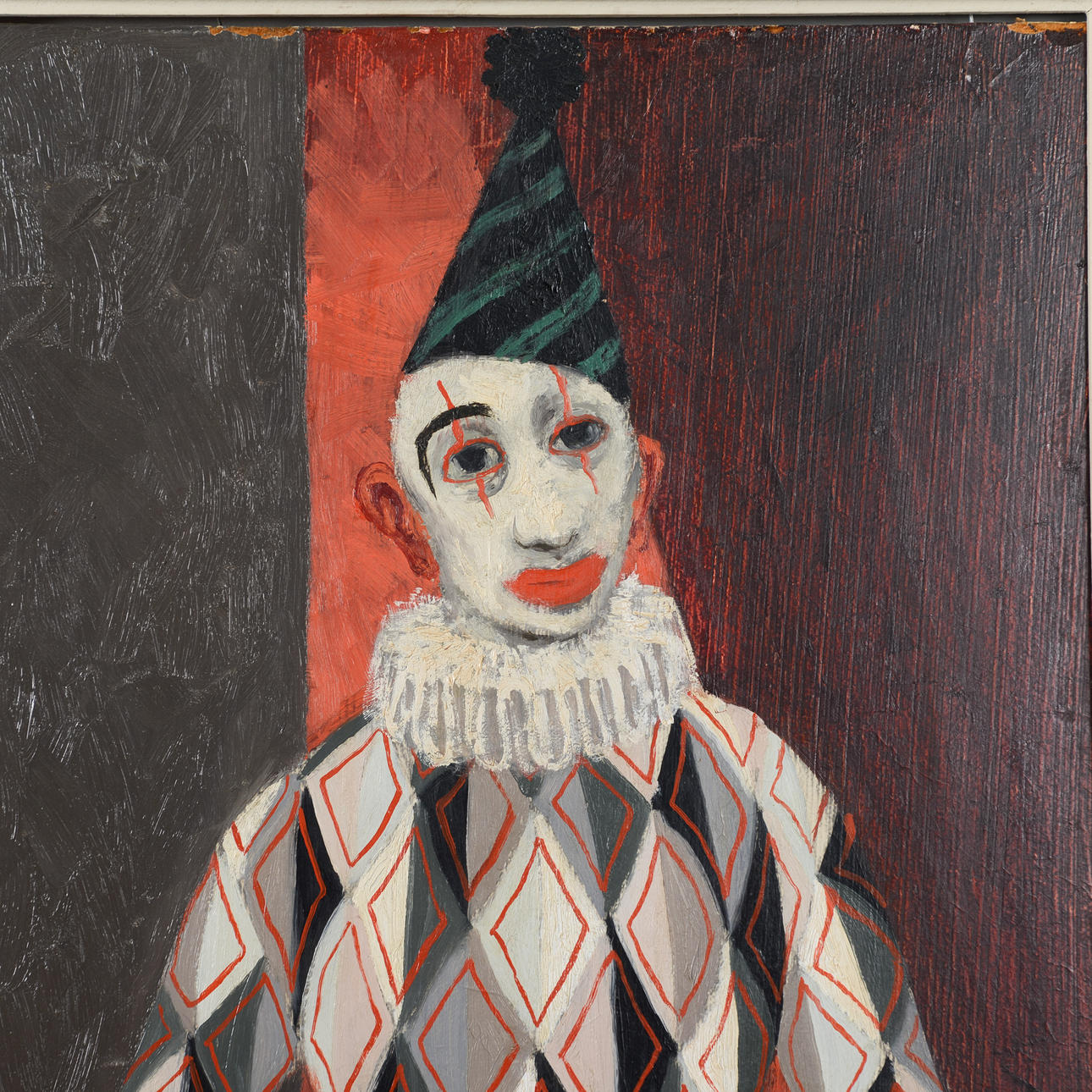
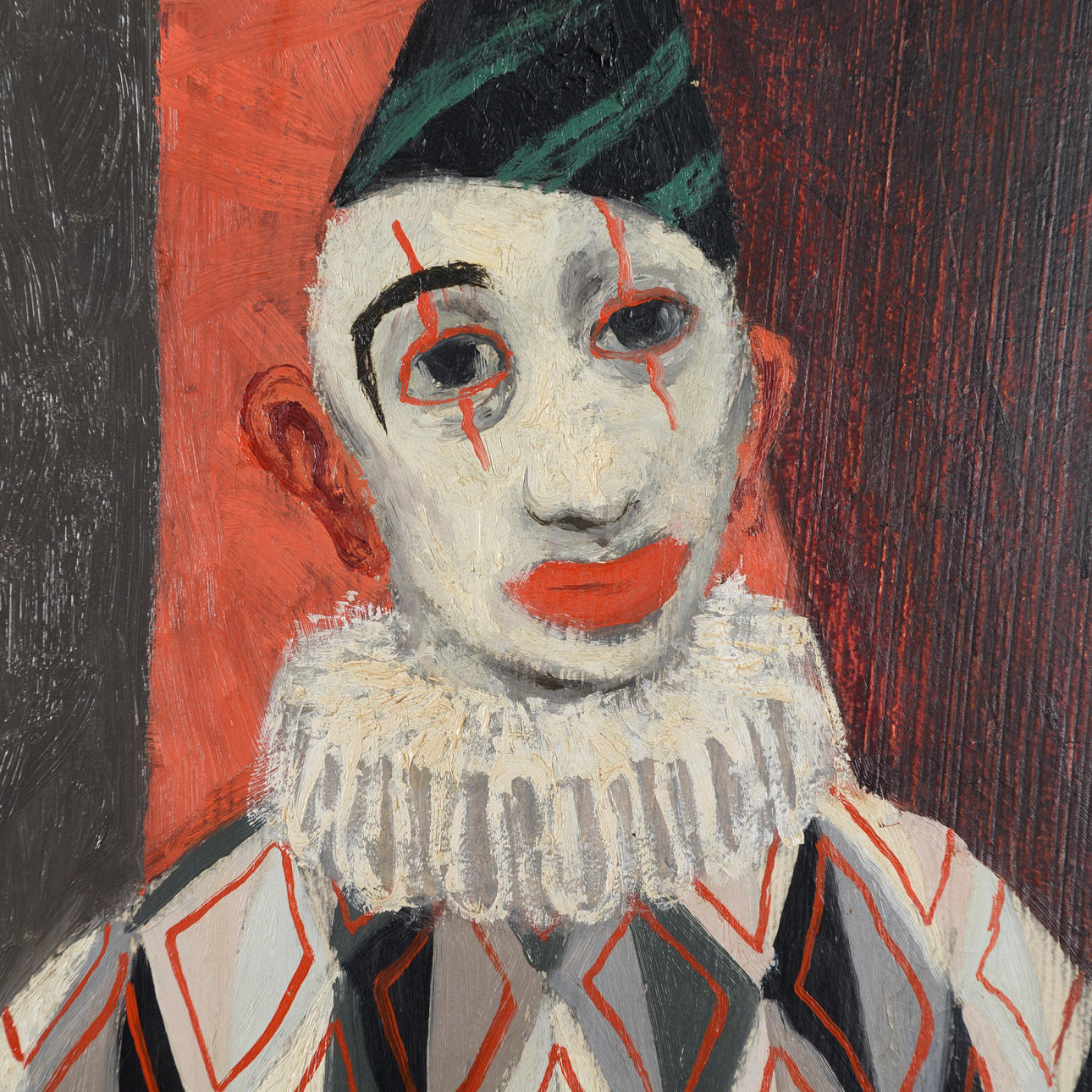
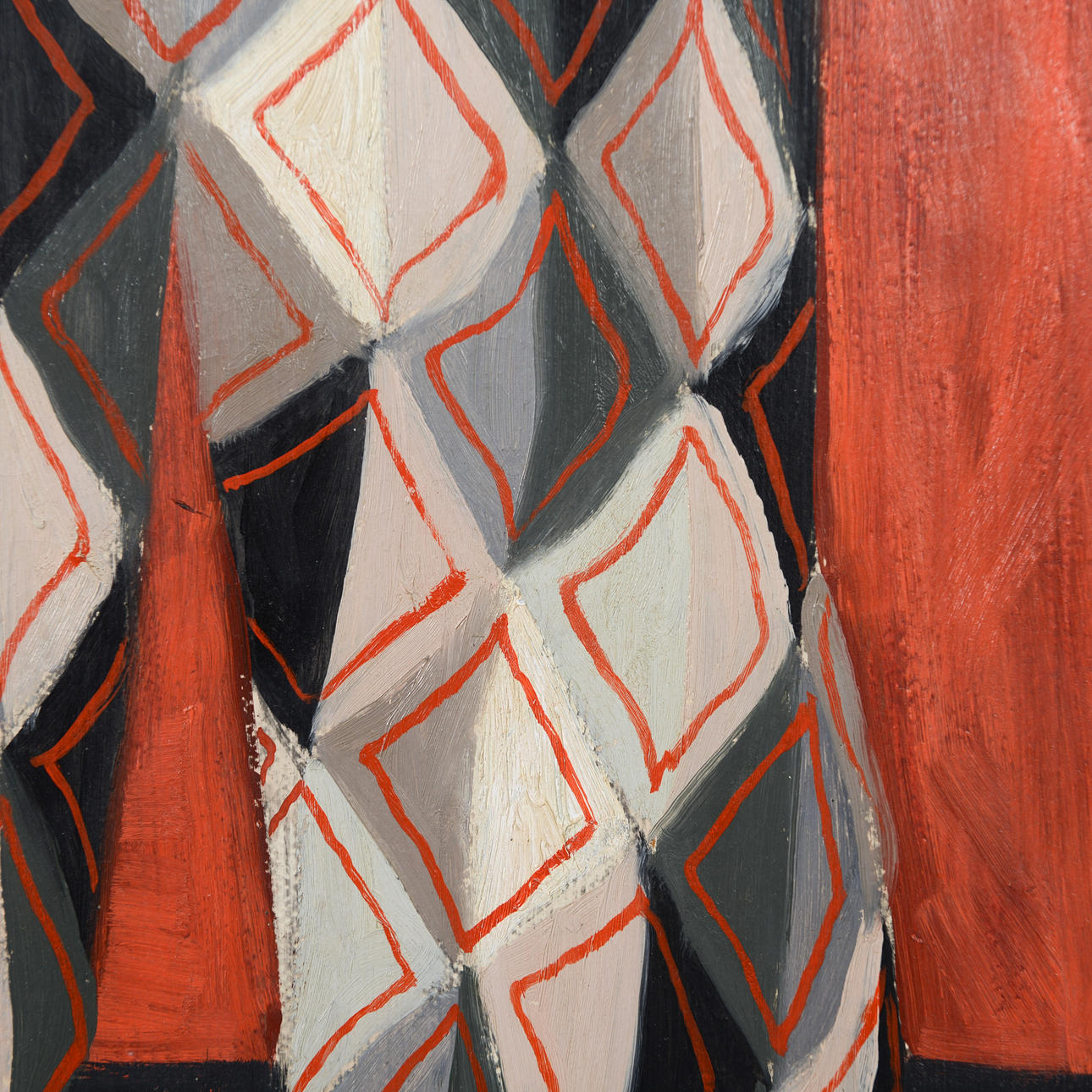
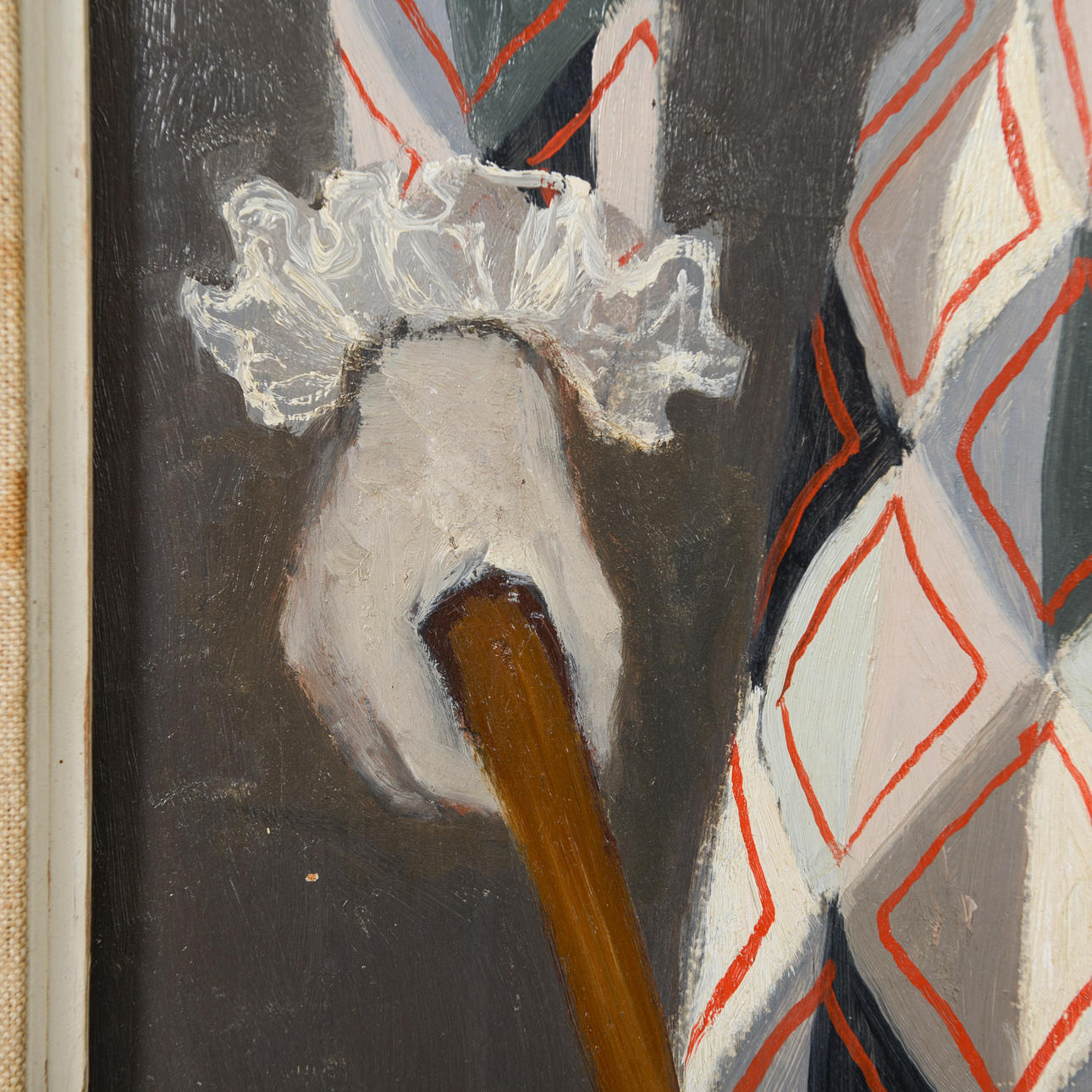
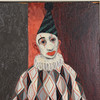
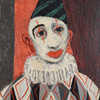
This work by Pelle Åberg depicts a lone jester or harlequin, positioned frontally against a vertically divided fund in dark grey-black and red. The motif is related to Åberg's recurring interest in clowns and folk life types from the city's environments. Here the jester appears not as a comic figure but as a still, almost melancholic figure. The theatrical character is clear and can be related to Åberg's long career as a decorator at Södra teatern and Scalateatern.
Pelle Åberg (1909—1964) was a Swedish painter, cartoonist and graphic artist active in Stockholm. He received his basic education from his father, the artist Axel Wilhelm Åberg, and worked for twelve years as a decoration painter by his side. In parallel, he studied at the Technical School in Stockholm 1927—1929 and undertook study trips to Italy, France, England and Spain.
Åberg was from 1938 a member of the artist group De Unga and participated in several of the group's exhibitions as well as in presentations arranged by the Swedish General Art Association. He exhibited regularly at De Unga's salon and in the Kunstnershuset in Stockholm.
His painting is characterized by depictions of folk life, portraits and scenes from Stockholm life, especially from Klarkvarteren. Clowns, older figures and marginal figures of the city reappear as motifs. The expression combines character study with a trait of humor and a slight caricaturing tone of voice.
In addition to easel painting, Åberg performed extensive decorative work, including for the Konstantshuset restaurant in Stockholm, as well as for churches and public environments. He was also active as a decorator at Södra Teatern and Skala Theatre.
Condition
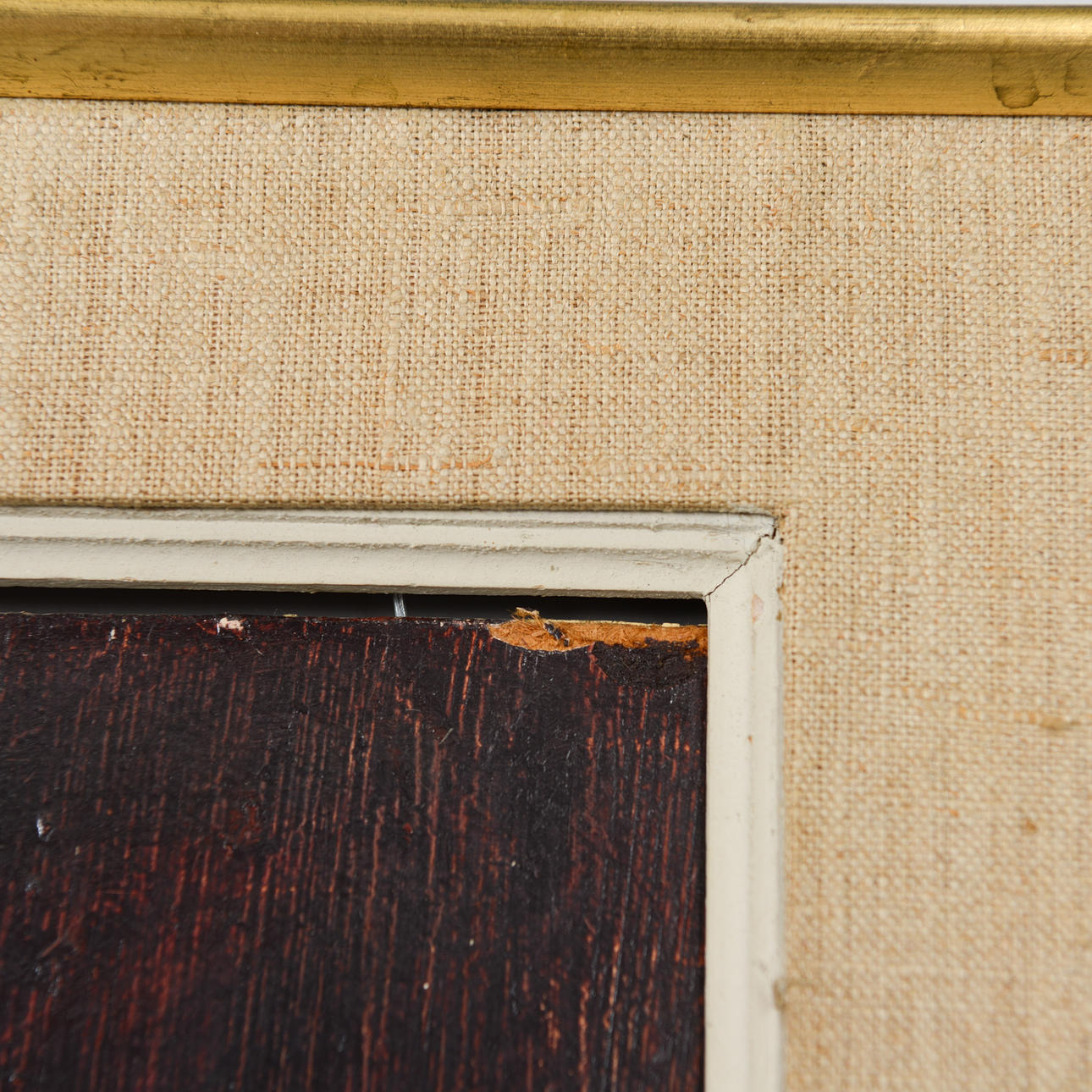
Minor damage with scratches, dry cracks and paint loss along the edges of the pan.
Resale right
Do you have something similar to sell? Get your items valued free of charge!
Description
Pan dimensions: 100 x 40 cm.
Frame dimensions: 113 x 51 cm.
This work by Pelle Åberg depicts a lone jester or harlequin, positioned frontally against a vertically divided fund in dark grey-black and red. The motif is related to Åberg's recurring interest in clowns and folk life types from the city's environments. Here the jester appears not as a comic figure but as a still, almost melancholic figure. The theatrical character is clear and can be related to Åberg's long career as a decorator at Södra teatern and Scalateatern.
Pelle Åberg (1909—1964) was a Swedish painter, cartoonist and graphic artist active in Stockholm. He received his basic education from his father, the artist Axel Wilhelm Åberg, and worked for twelve years as a decoration painter by his side. In parallel, he studied at the Technical School in Stockholm 1927—1929 and undertook study trips to Italy, France, England and Spain.
Åberg was from 1938 a member of the artist group De Unga and participated in several of the group's exhibitions as well as in presentations arranged by the Swedish General Art Association. He exhibited regularly at De Unga's salon and in the Kunstnershuset in Stockholm.
His painting is characterized by depictions of folk life, portraits and scenes from Stockholm life, especially from Klarkvarteren. Clowns, older figures and marginal figures of the city reappear as motifs. The expression combines character study with a trait of humor and a slight caricaturing tone of voice.
In addition to easel painting, Åberg performed extensive decorative work, including for the Konstantshuset restaurant in Stockholm, as well as for churches and public environments. He was also active as a decorator at Södra Teatern and Skala Theatre.
Condition
Minor damage with scratches, dry cracks and paint loss along the edges of the pan.
Resale right
Do you have something similar to sell? Get your items valued free of charge!