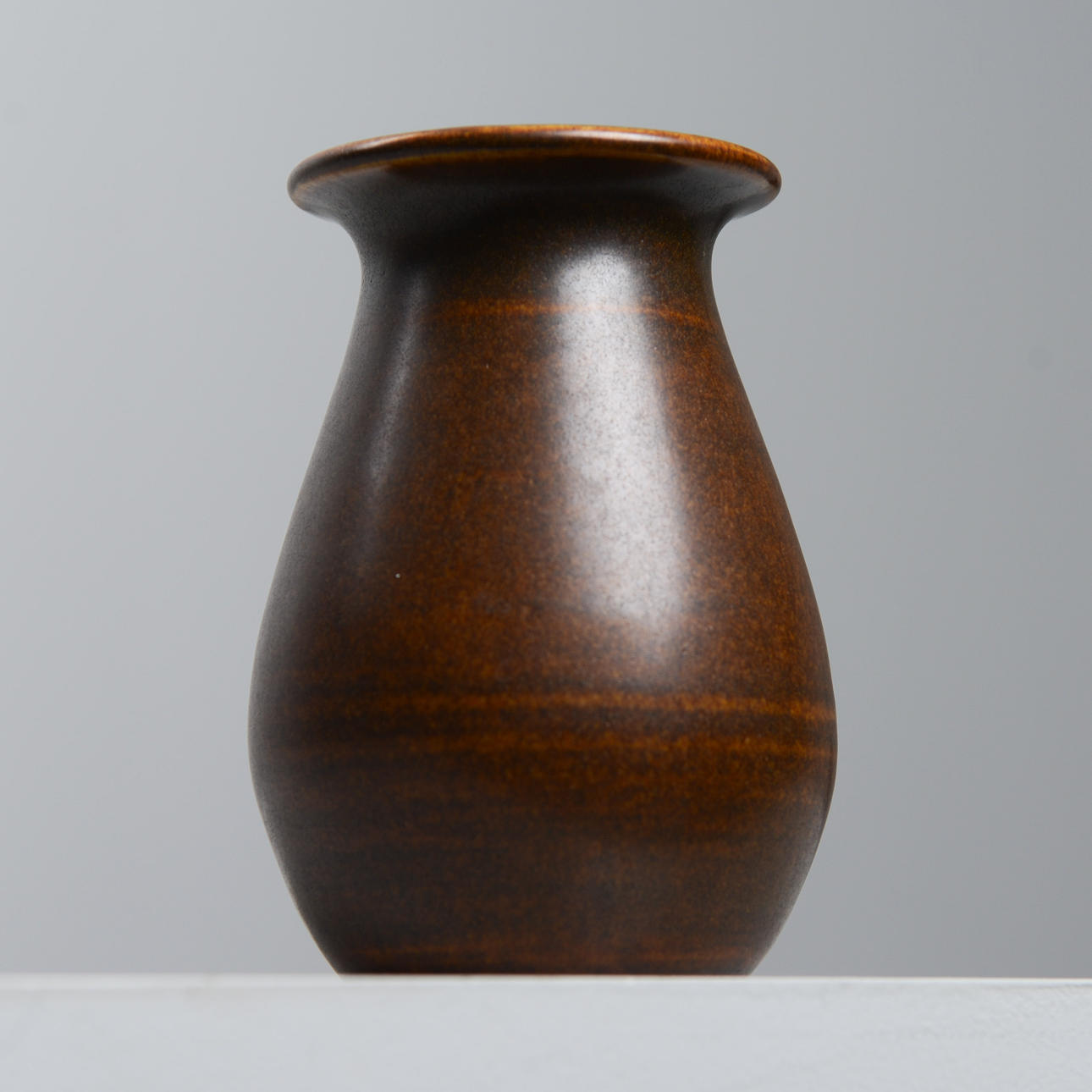
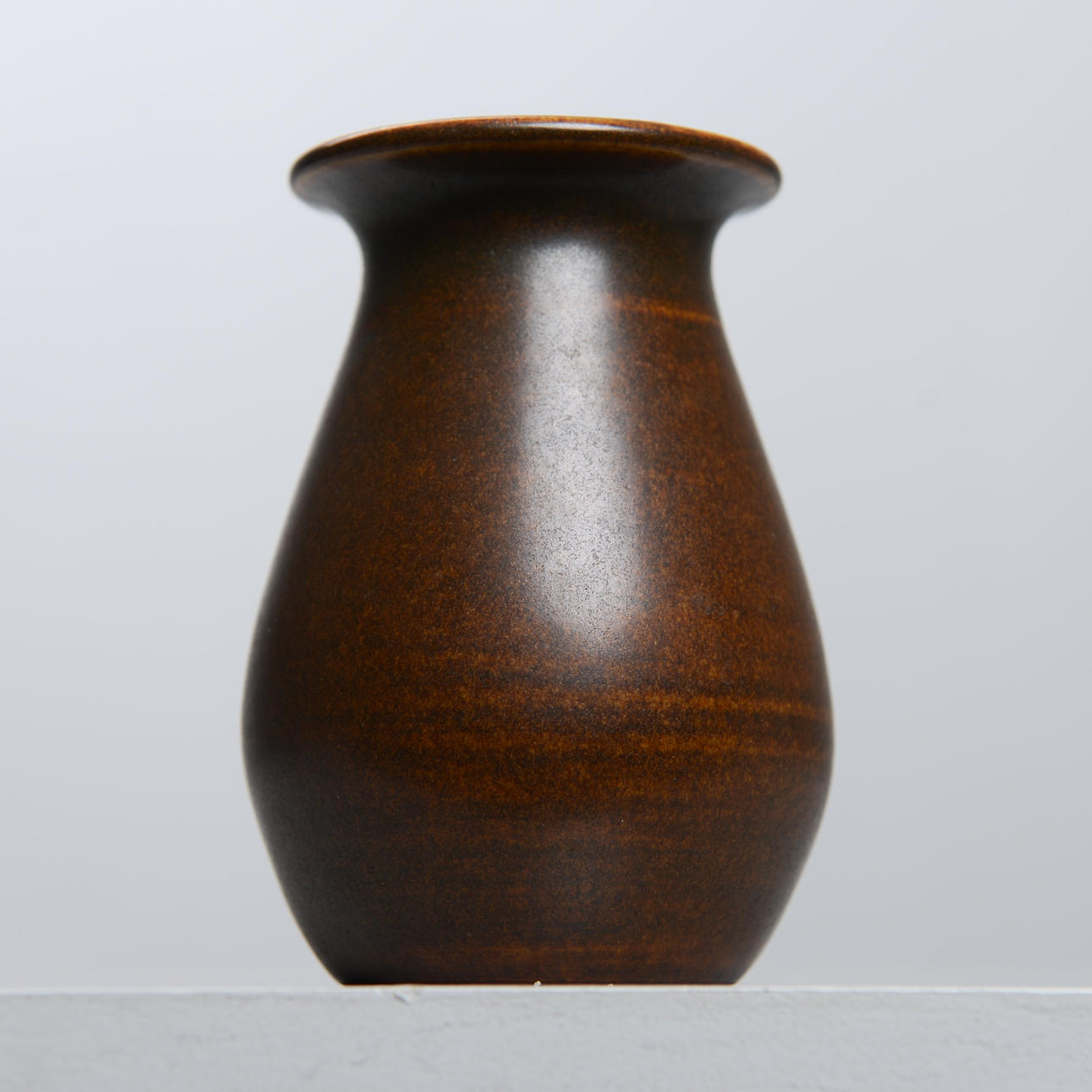
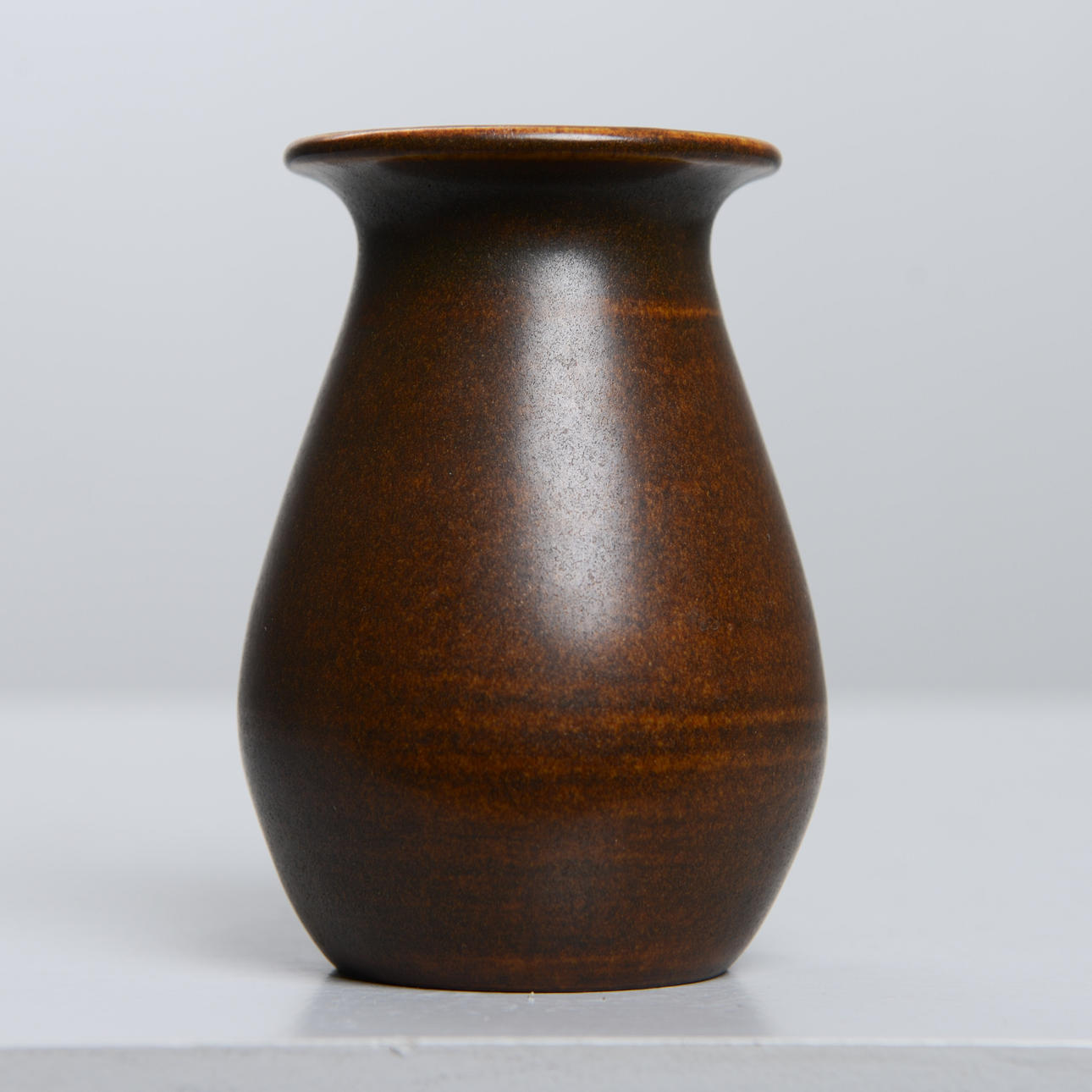
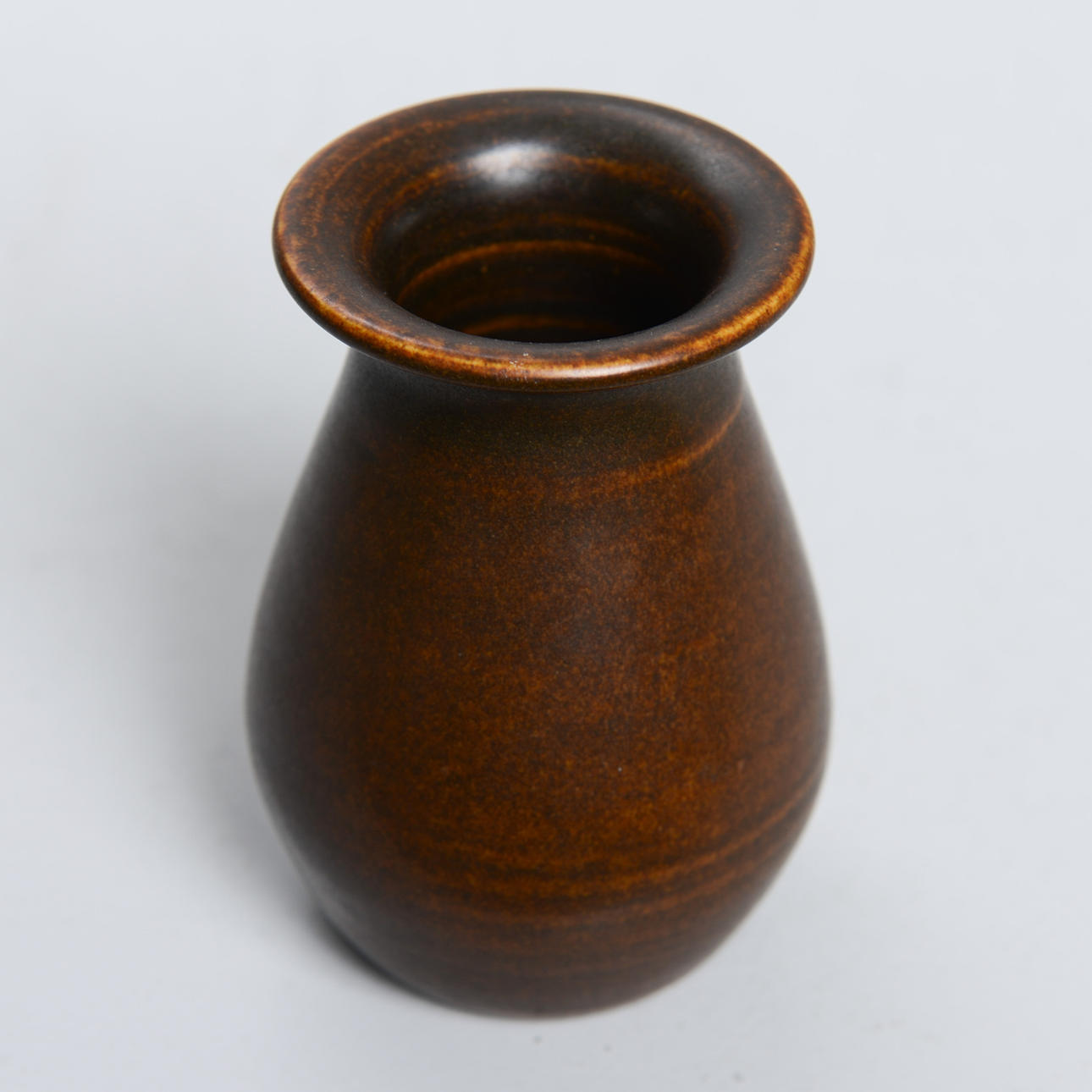
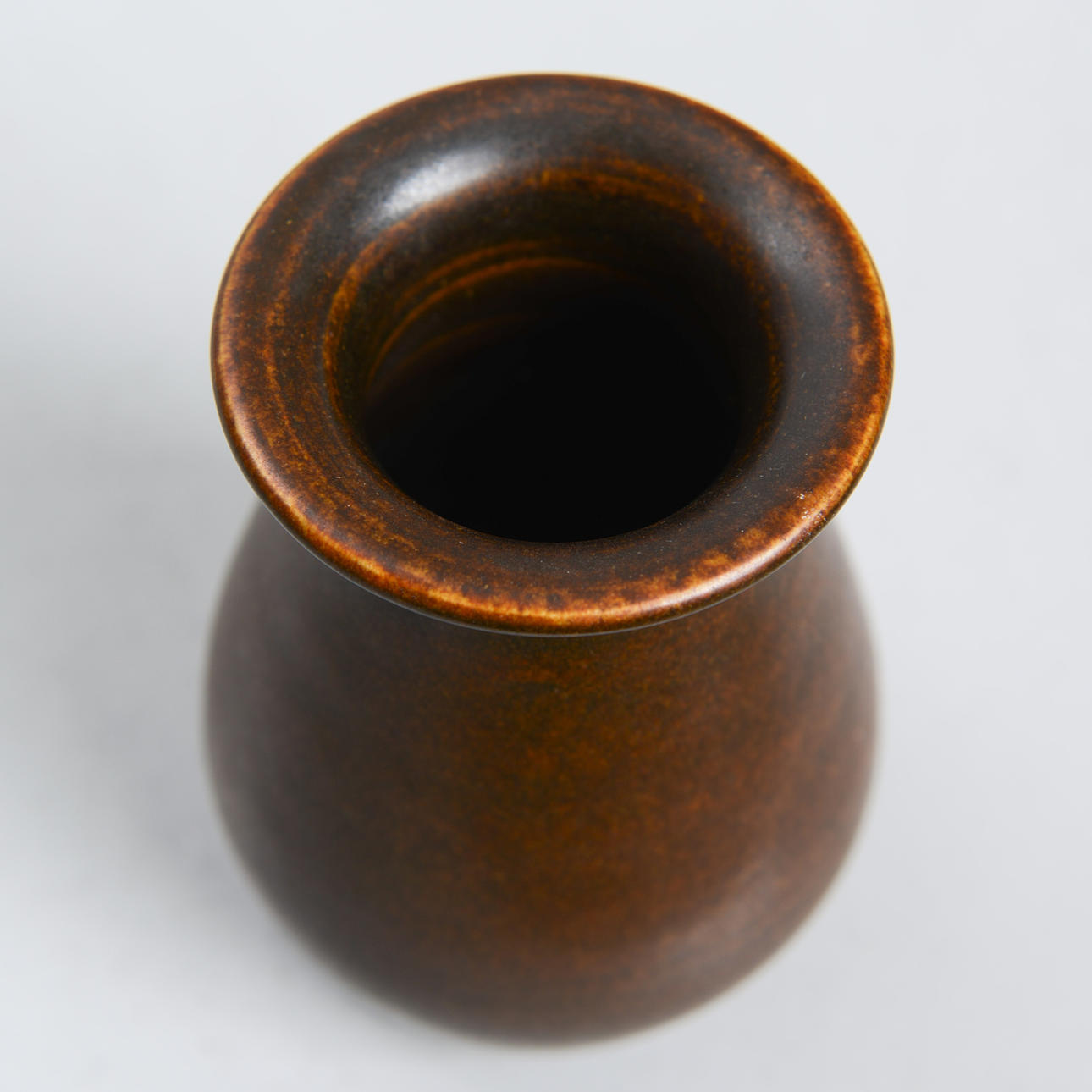
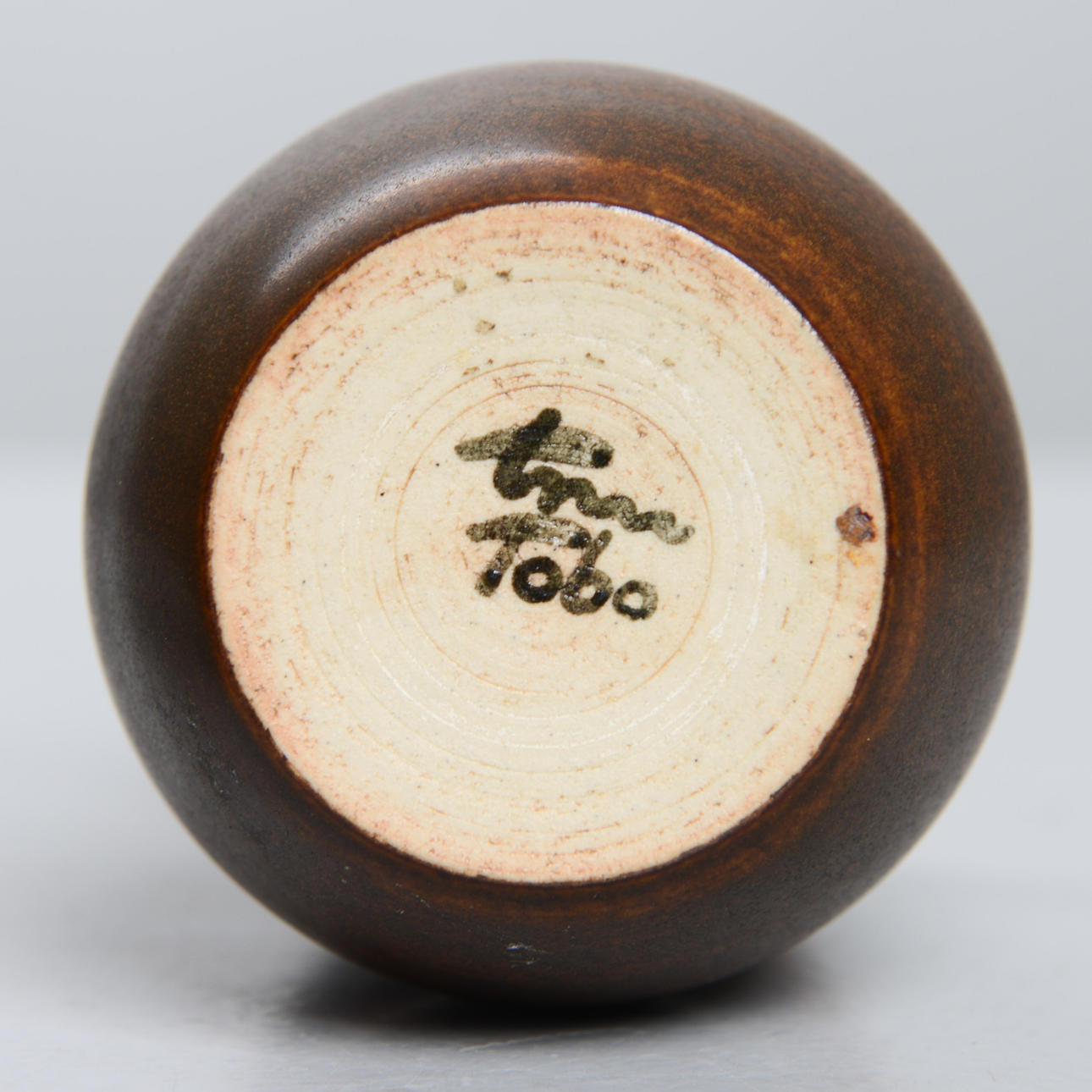
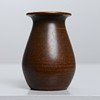
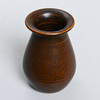
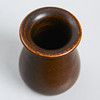
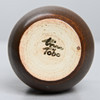
ERICH & INGRID TRILLER. Vase, Tobo, signed.

Images
Description
Glazed stoneware. Height 11 cm.
Swedish stoneware, considered a distinct art genre in its own right, was paradoxically born in Denmark with the Höganäs-born ceramicist Patrick Nordström. His stoneware for Den Kongelige Porcelainsfabrik (Royal Copenhagen) was considered to be on par with the best French stoneware. Patrick Nordström made his breakthrough at the Baltic Exhibition in Malmö in 1914, and several Danish and Swedish museums, including the Nationalmuseum, acquired his works.
Directly following in his footsteps, we find Gunnar Nylund, later artistic director at Rörstrand, who had contact with Nordström in Copenhagen and who, together with the Dane Nathalie Krebs, rented space in Nordström's workshop in Islev on the outskirts of Copenhagen.
After Nordström's death in 1929, Nylund and Krebs continued with stoneware in his workshop, with the goal of creating stoneware that could be produced in larger series and reach a wider audience. However, after only a few years, they went their separate ways. Both nevertheless realized their original shared goal – Krebs with Saxbo, which became the single most important exponent of modern Danish stoneware, and Nylund with his new stoneware for Rörstrand.
Gunnar Nylund's exhibition at Galerie Moderne in Stockholm in 1932 took critics by storm. The following year, Saxbo exhibited in Sweden, also to the acclaim of critics, and modern, "functional" stoneware could now be said to be established on Swedish soil.
In parallel, Wilhelm Kåge at Gustavsberg experimented with a high-fired ware in rust-brown tones that he called Farsta. It was shown at the Stockholm Exhibition in 1930 and was received with applause as something entirely new. Farsta became a collective name for Kåge's art ceramics and appeared in cylindrical and other geometric forms, with coarse reliefs, abstract "primitive" carvings, and rust-like glaze effects. Kåge worked with Farsta ware right up until his death in 1960. In an interview in 1953, he stated: "For me, Farsta has first and foremost been the only truly uncompromising thing in my work at Gustavsberg."
Art critics also began to speak of stoneware as a species in itself – a complicated process with high demands on execution regarding clay types, glaze mixtures, and firing methods. When the Crown Prince, later King Gustav VI Adolf, known for his knowledge of and collections of Chinese ceramics, began building a collection of Danish and Swedish stoneware, interest grew. At the Rörstrand and Gustavsberg factories, artistic stoneware became a necessity, a status symbol; exhibitions followed one another, and new names and workshops joined. Stoneware fever spread throughout Sweden.
Berndt Friberg came to Gustavsberg as early as 1934, and what he – this master thrower and glaze fanatic – subsequently achieved in his studio made collectors all over the world, especially Gustav VI Adolf, drop their jaws. Friberg's stoneware with Asian influences was as close to perfection as one could get.
The couple Ingrid and Erich Triller started the stoneware workshop Tobo in Uppland as early as 1935 and were a success at their debut exhibition at NK the following year, where everything was sold and they were praised for "strict objectivity". They had, after all, trained with the Bauhaus ceramicist Otto Lindig.
Edgar Böckman, with his own workshop at Danderydsgatan 9 in Stockholm from 1935, also belongs to the pioneers of Swedish stoneware. He final-fired his clean-lined, abstract vases in the kilns at the Höganäs company, where he served as artistic director from 1915–26.
Stig Lindberg was from the beginning and throughout his life almost obsessed with the possibilities of stoneware. Throughout his time at Gustavsberg, occupied with as many varied tasks as he was, he never abandoned stoneware and created, in addition to series, also a large number of unique pieces that could shift in style from the tall vases of the 1950s to the more robust objects of the 1970s, with impressed and stamped patterns and reliefs.
Tyra Lundgren was attached to Gustavsberg as a freelancer during the 1940s and became known for her birds in chamotte stoneware, but also meant a lot as an educator and propagandist, primarily through the book Lera och eld – Ett keramiskt vagabondage genom Europa (1946).
Carl-Harry Stålhane came to Rörstrand in 1947 and made classic stoneware, first in the wake of Nylund but then increasingly independently and experimentally. In 1973, he started his own business with Designhuset, where the experiments continued.
As direct heirs to Patrick Nordström, one can also see the ceramicists active in Höganäs: John Andersson, Åke Holm, Henning Nilsson, and Claes Thell. All these artists can be said to have cultivated stoneware as an artistic genre of its own. Most are included in Gustav VI Adolf's collection of Danish and Swedish stoneware.
For those who might want to do as the old king and assemble a representative collection of Swedish stoneware, it is not a bad idea to start from an auction like this, with items from Bacchus Antik's rich assortment. Here, all the big names are included, from Patrick Nordström onwards.
Condition
No remarks.
Resale right
Artist/designer
Erich & Ingrid Triller (1898–1972)
Theme
Description
Glazed stoneware. Height 11 cm.
Swedish stoneware, considered a distinct art genre in its own right, was paradoxically born in Denmark with the Höganäs-born ceramicist Patrick Nordström. His stoneware for Den Kongelige Porcelainsfabrik (Royal Copenhagen) was considered to be on par with the best French stoneware. Patrick Nordström made his breakthrough at the Baltic Exhibition in Malmö in 1914, and several Danish and Swedish museums, including the Nationalmuseum, acquired his works.
Directly following in his footsteps, we find Gunnar Nylund, later artistic director at Rörstrand, who had contact with Nordström in Copenhagen and who, together with the Dane Nathalie Krebs, rented space in Nordström's workshop in Islev on the outskirts of Copenhagen.
After Nordström's death in 1929, Nylund and Krebs continued with stoneware in his workshop, with the goal of creating stoneware that could be produced in larger series and reach a wider audience. However, after only a few years, they went their separate ways. Both nevertheless realized their original shared goal – Krebs with Saxbo, which became the single most important exponent of modern Danish stoneware, and Nylund with his new stoneware for Rörstrand.
Gunnar Nylund's exhibition at Galerie Moderne in Stockholm in 1932 took critics by storm. The following year, Saxbo exhibited in Sweden, also to the acclaim of critics, and modern, "functional" stoneware could now be said to be established on Swedish soil.
In parallel, Wilhelm Kåge at Gustavsberg experimented with a high-fired ware in rust-brown tones that he called Farsta. It was shown at the Stockholm Exhibition in 1930 and was received with applause as something entirely new. Farsta became a collective name for Kåge's art ceramics and appeared in cylindrical and other geometric forms, with coarse reliefs, abstract "primitive" carvings, and rust-like glaze effects. Kåge worked with Farsta ware right up until his death in 1960. In an interview in 1953, he stated: "For me, Farsta has first and foremost been the only truly uncompromising thing in my work at Gustavsberg."
Art critics also began to speak of stoneware as a species in itself – a complicated process with high demands on execution regarding clay types, glaze mixtures, and firing methods. When the Crown Prince, later King Gustav VI Adolf, known for his knowledge of and collections of Chinese ceramics, began building a collection of Danish and Swedish stoneware, interest grew. At the Rörstrand and Gustavsberg factories, artistic stoneware became a necessity, a status symbol; exhibitions followed one another, and new names and workshops joined. Stoneware fever spread throughout Sweden.
Berndt Friberg came to Gustavsberg as early as 1934, and what he – this master thrower and glaze fanatic – subsequently achieved in his studio made collectors all over the world, especially Gustav VI Adolf, drop their jaws. Friberg's stoneware with Asian influences was as close to perfection as one could get.
The couple Ingrid and Erich Triller started the stoneware workshop Tobo in Uppland as early as 1935 and were a success at their debut exhibition at NK the following year, where everything was sold and they were praised for "strict objectivity". They had, after all, trained with the Bauhaus ceramicist Otto Lindig.
Edgar Böckman, with his own workshop at Danderydsgatan 9 in Stockholm from 1935, also belongs to the pioneers of Swedish stoneware. He final-fired his clean-lined, abstract vases in the kilns at the Höganäs company, where he served as artistic director from 1915–26.
Stig Lindberg was from the beginning and throughout his life almost obsessed with the possibilities of stoneware. Throughout his time at Gustavsberg, occupied with as many varied tasks as he was, he never abandoned stoneware and created, in addition to series, also a large number of unique pieces that could shift in style from the tall vases of the 1950s to the more robust objects of the 1970s, with impressed and stamped patterns and reliefs.
Tyra Lundgren was attached to Gustavsberg as a freelancer during the 1940s and became known for her birds in chamotte stoneware, but also meant a lot as an educator and propagandist, primarily through the book Lera och eld – Ett keramiskt vagabondage genom Europa (1946).
Carl-Harry Stålhane came to Rörstrand in 1947 and made classic stoneware, first in the wake of Nylund but then increasingly independently and experimentally. In 1973, he started his own business with Designhuset, where the experiments continued.
As direct heirs to Patrick Nordström, one can also see the ceramicists active in Höganäs: John Andersson, Åke Holm, Henning Nilsson, and Claes Thell. All these artists can be said to have cultivated stoneware as an artistic genre of its own. Most are included in Gustav VI Adolf's collection of Danish and Swedish stoneware.
For those who might want to do as the old king and assemble a representative collection of Swedish stoneware, it is not a bad idea to start from an auction like this, with items from Bacchus Antik's rich assortment. Here, all the big names are included, from Patrick Nordström onwards.
Condition
No remarks.
Resale right
Artist/designer
Erich & Ingrid Triller (1898–1972)
Theme
Payment options for this item
Payment cardsBank transferDelivery
: Provide your locationInfo temporarily unavailableLoading…Provide your location to see transport options and prices.
Oops! Something went wrong.
Please try again in a moment. If it still doesn't work, contact Auctionet support.
Details
- House
- Formstad Auktioner
- Address
Gårdsfogdevägen 16
168 67 Bromma
Sweden- Placement
- Vagn 009