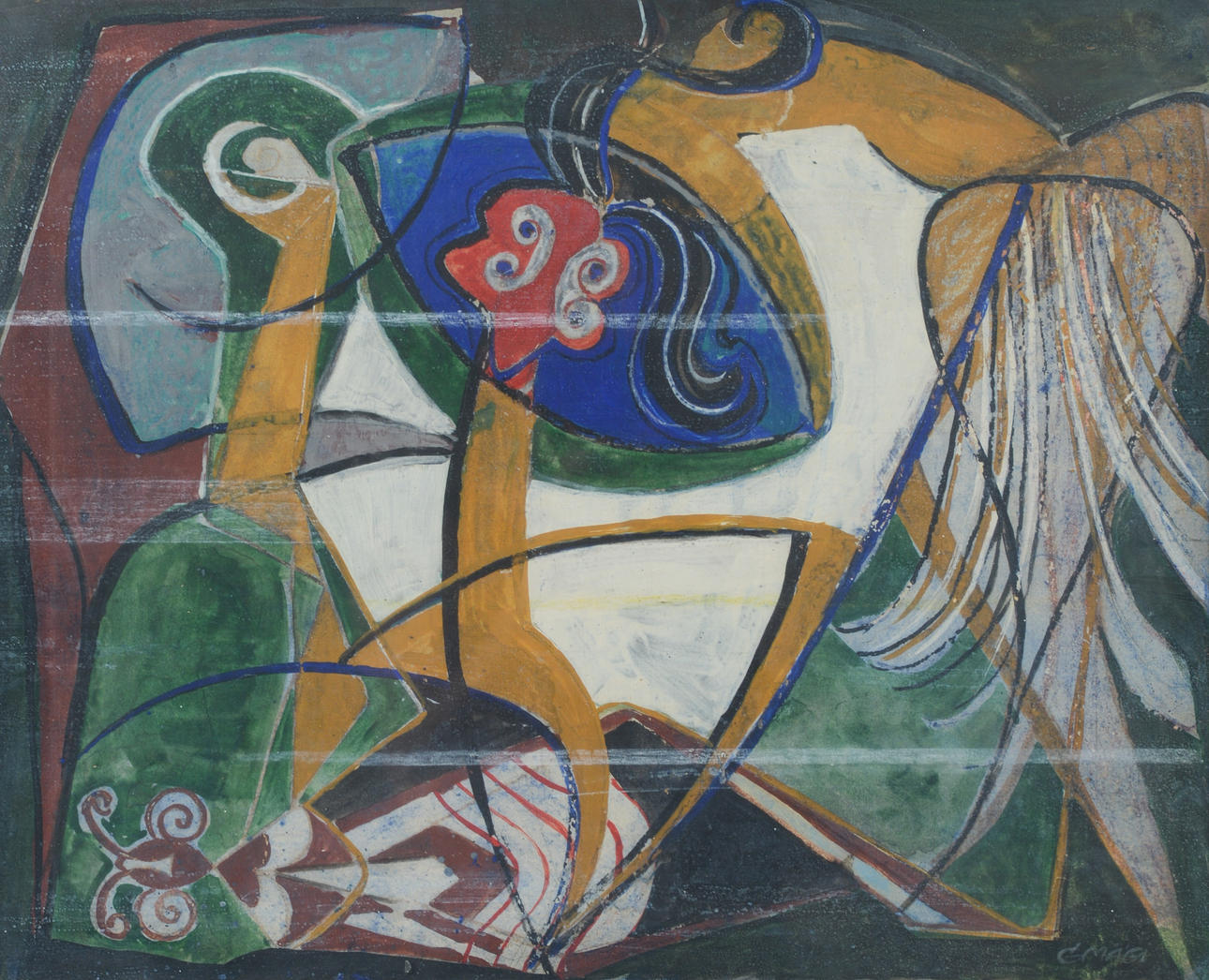
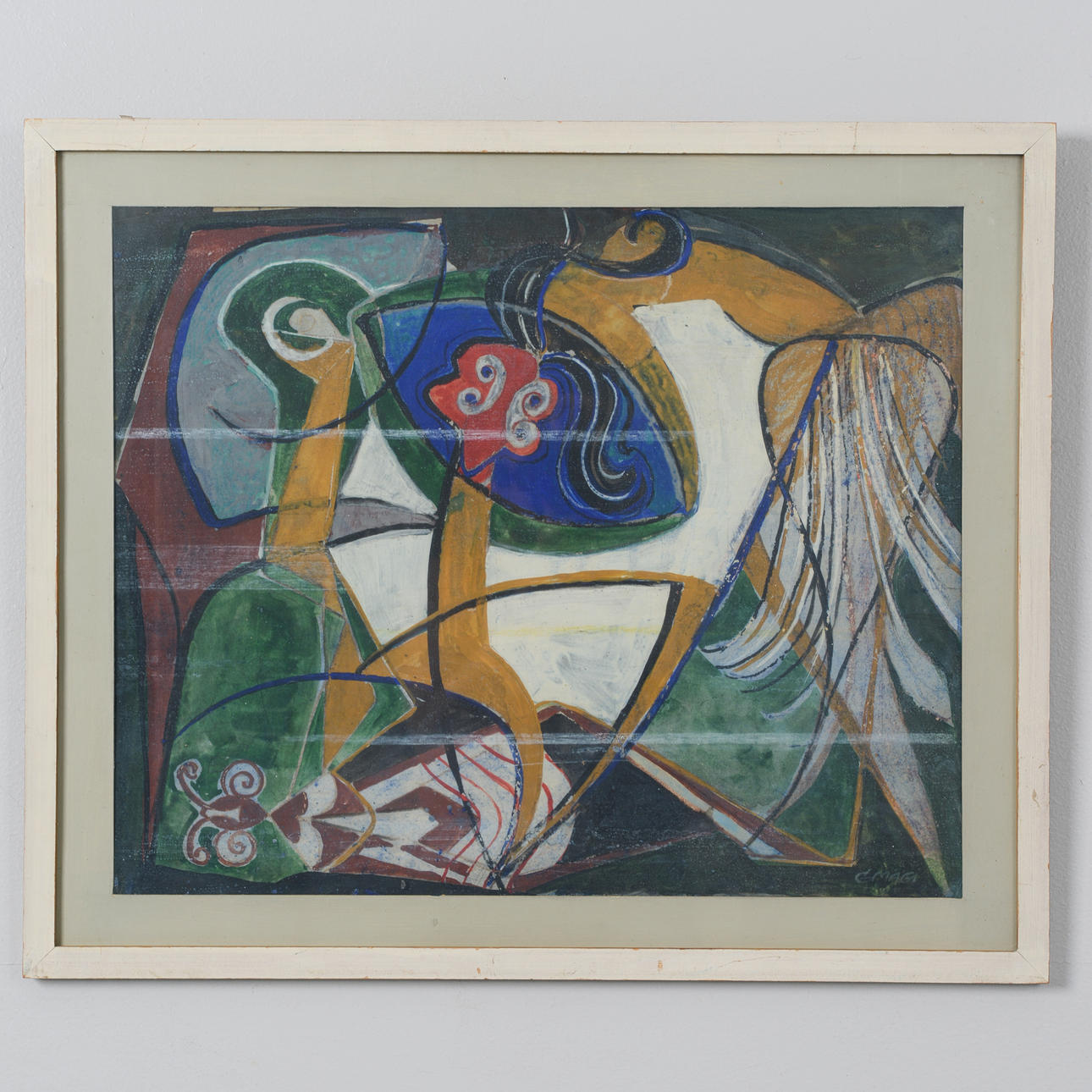
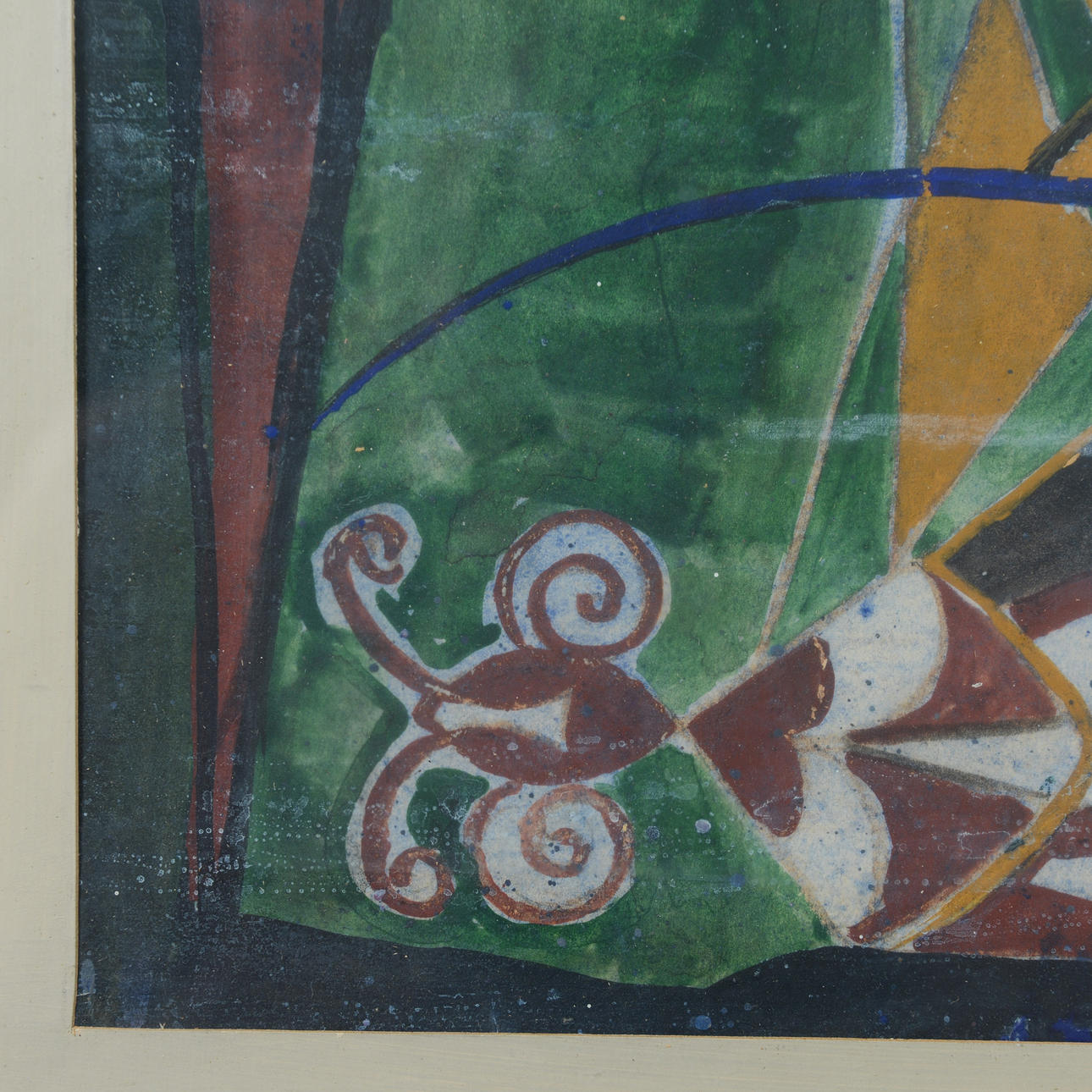
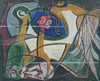
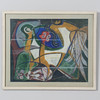
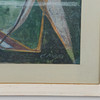
GUSTAV MÄGI. Abstract composition, gouache on paper, signed.
This auction is closed, but maybe you like the following items?

Images
Description
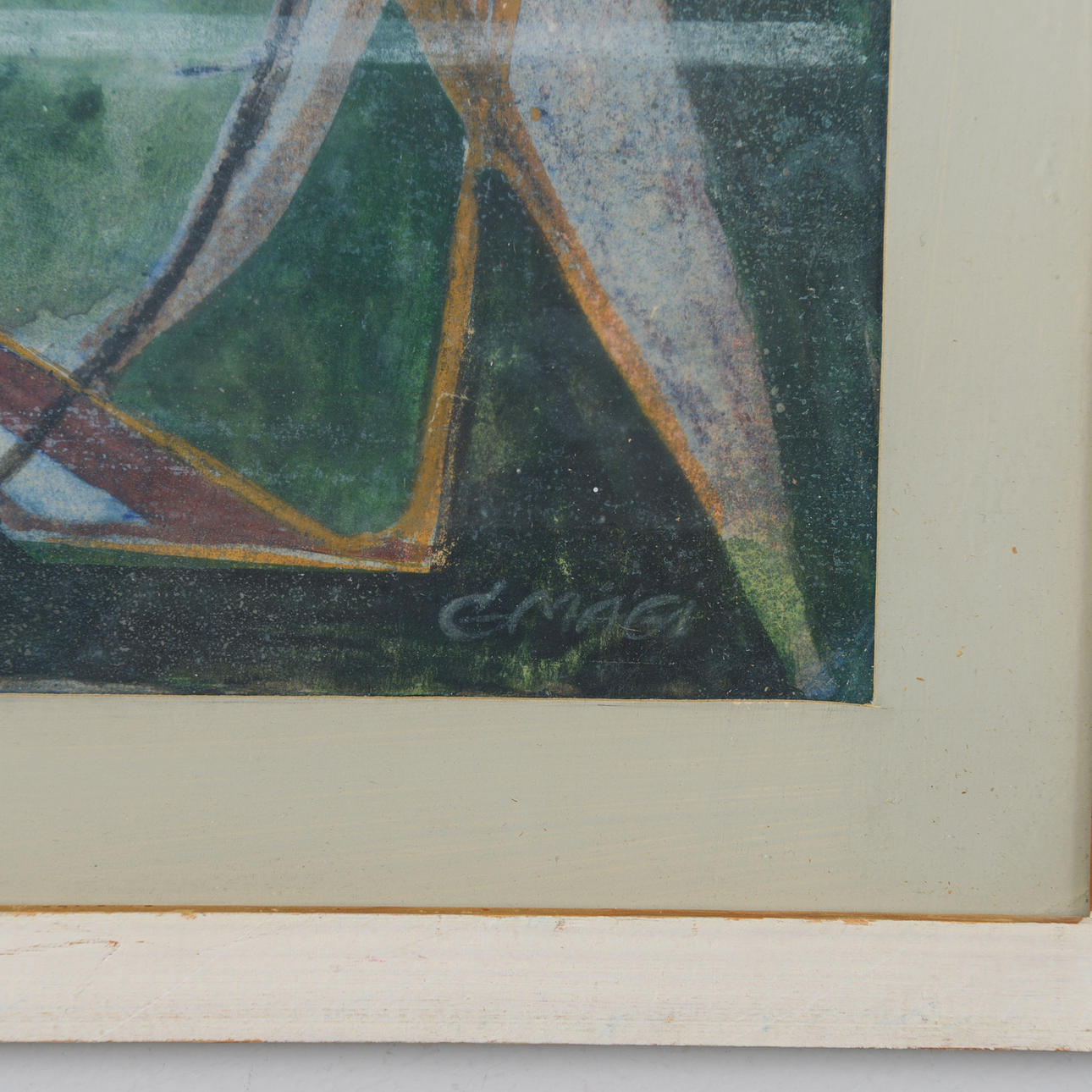
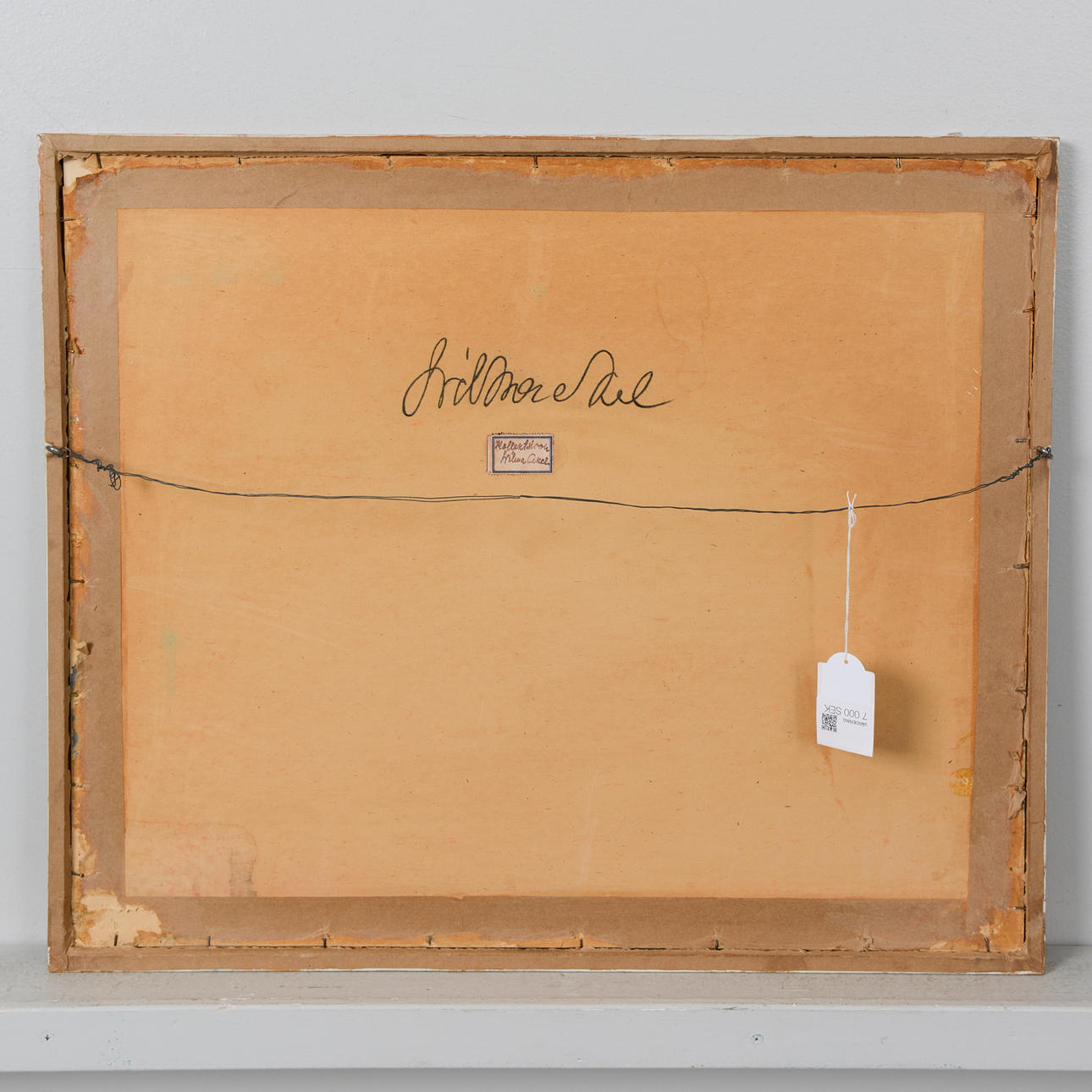
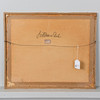
Signed “G Mägi”. On verso “Kollektion Hilma Akel”.
Image dimensions inside passpartou: 44.5 x 55 cm.
Frame dimensions: 55.5 x 66 cm.
Gustav Mägi (1914—1994) was an Estonian-Swedish artist whose life and work are marked by both the conditions of exile and a strong artistic integrity. He trained at the Pallas Academy of Fine Arts in Tartu, where he had Anton Starkopf as a teacher, and made his debut as a sculptor in Tallinn in 1939. After World War II, Mägi fled to Sweden in 1944, where he gradually transitioned from sculpture to painting and during the 1950s established himself with solo exhibitions in Karlskrona, Linköping and Olofström, among others.
His early works bear distinct features of classical modernism and cubist pictorial solutions, often using still lifes and figure motifs as a basis. Over time, his expression developed in the direction of surrealism, a track that was close to the artistic currents that emerged after the war in Sweden, where several surrealist groups became active. Mägi seems to have found in Surrealism a freedom to reconcile reality and vision, in which objects and forms constantly alternate between appearing and dissolving.
Although Mägi lived relatively secluded in Sweden and only sporadically participated in the context of Estonian art in exile, he gained appreciation in both Sweden and later in Estonia. Exhibitions after his death, including in Pärnu, have shown how his art remains vibrant and current, with a poetic force that bears traces of both the loneliness of exile and a visionary look towards the inner and the universal.
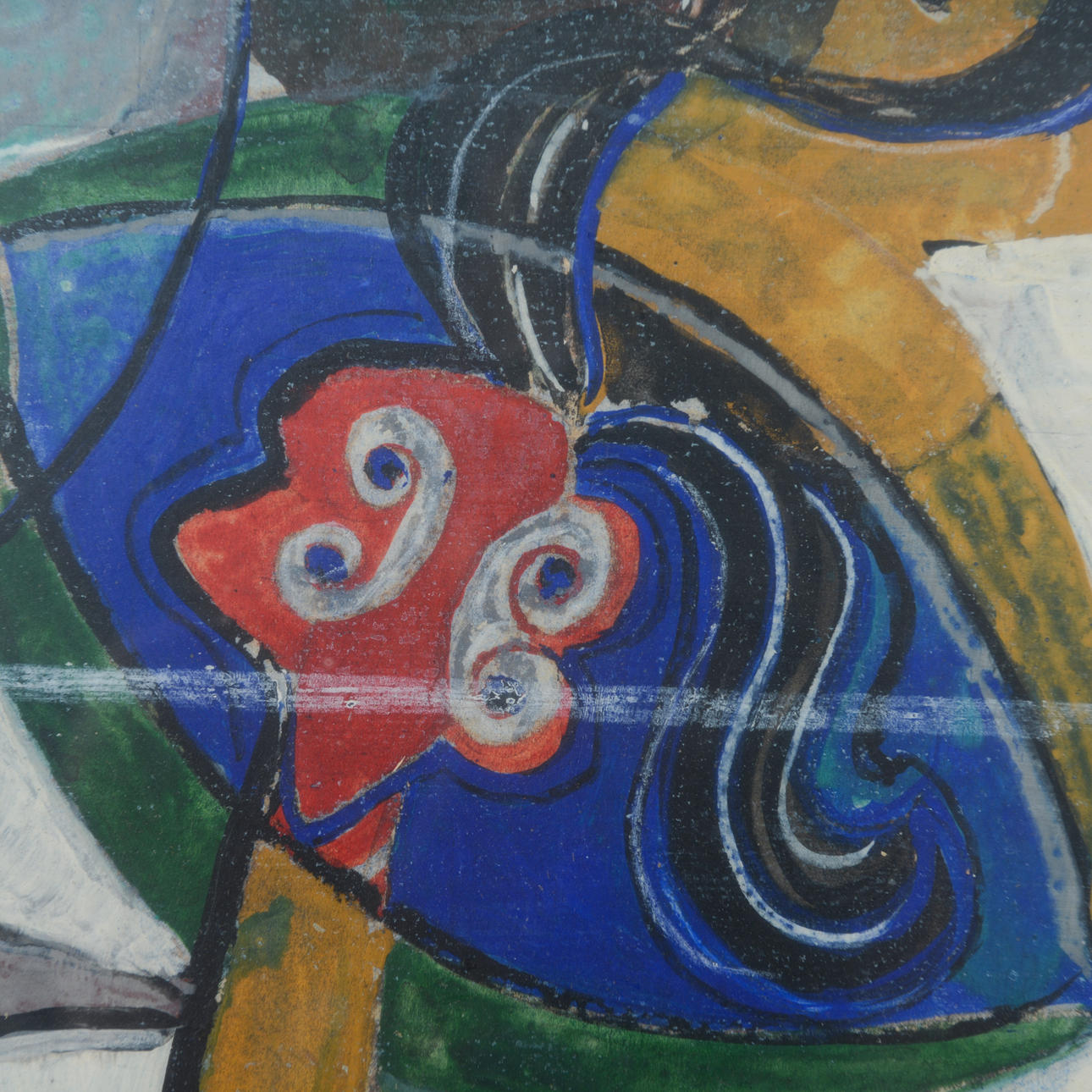
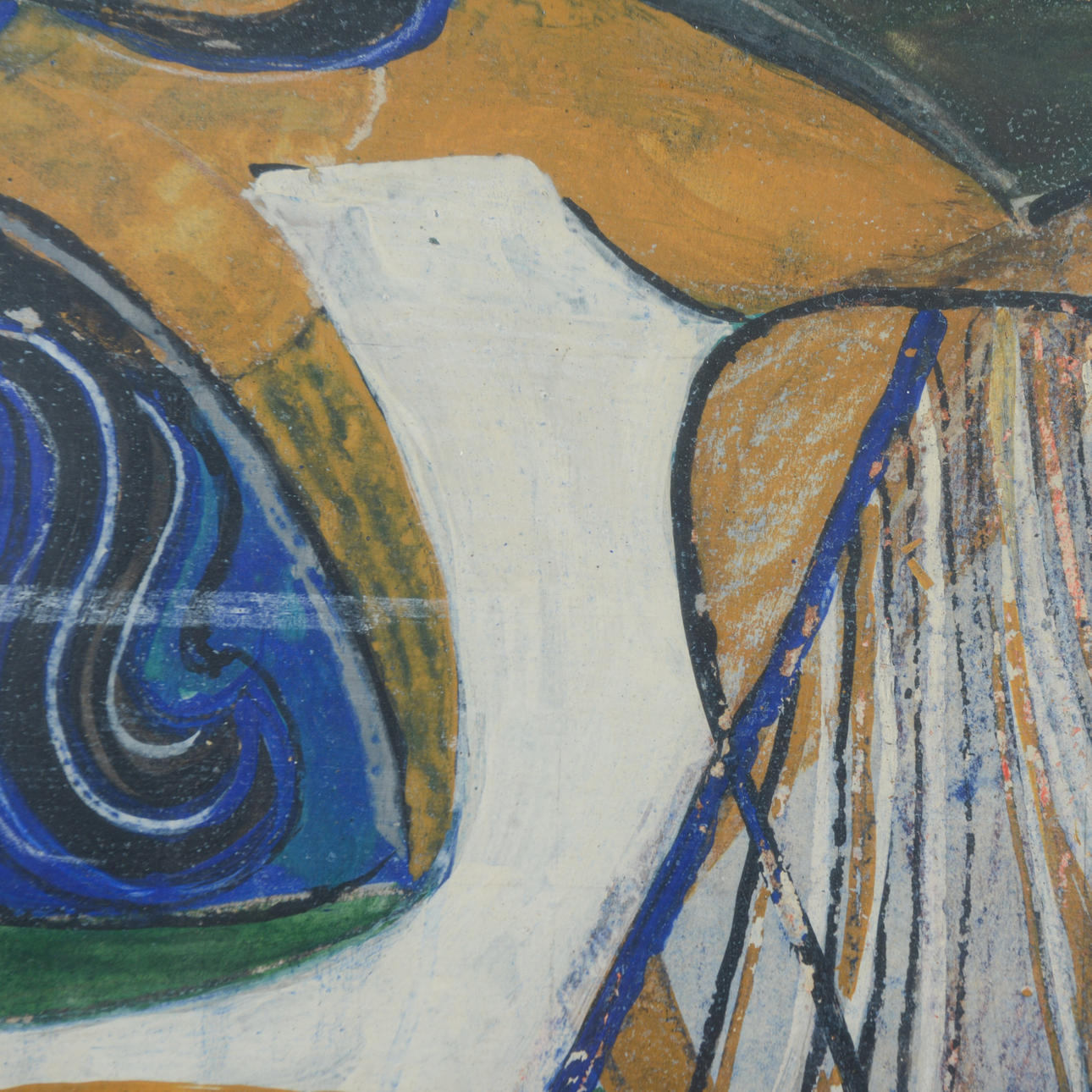
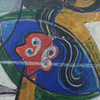
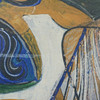
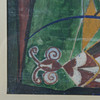
This painting by Gustav Mägi clearly shows his development towards a more surreal and abstract painting, something that characterized his art from the 1950s onwards. The composition consists of strong, marked lines that delimit color fields in clear contrasts — blue, green, yellow and red, which simultaneously create both movement and tension.
Mägi was strongly interested in reconciling the concrete with the dreamy, and in this painting it becomes clear how everyday forms are transformed into visionary signs. The strong presence of movement, rhythm and colour points towards his connections with surrealist currents in Sweden in the post-war period, but at the same time he preserves his own personal voice that bears traces of his Estonian roots and his education at Pallas.
Condition
No noticeable damage to the subject, but not examined out of frame.
Resale right
Theme
Do you have something similar to sell? Get your items valued free of charge!
Description
Signed “G Mägi”. On verso “Kollektion Hilma Akel”.
Image dimensions inside passpartou: 44.5 x 55 cm.
Frame dimensions: 55.5 x 66 cm.
Gustav Mägi (1914—1994) was an Estonian-Swedish artist whose life and work are marked by both the conditions of exile and a strong artistic integrity. He trained at the Pallas Academy of Fine Arts in Tartu, where he had Anton Starkopf as a teacher, and made his debut as a sculptor in Tallinn in 1939. After World War II, Mägi fled to Sweden in 1944, where he gradually transitioned from sculpture to painting and during the 1950s established himself with solo exhibitions in Karlskrona, Linköping and Olofström, among others.
His early works bear distinct features of classical modernism and cubist pictorial solutions, often using still lifes and figure motifs as a basis. Over time, his expression developed in the direction of surrealism, a track that was close to the artistic currents that emerged after the war in Sweden, where several surrealist groups became active. Mägi seems to have found in Surrealism a freedom to reconcile reality and vision, in which objects and forms constantly alternate between appearing and dissolving.
Although Mägi lived relatively secluded in Sweden and only sporadically participated in the context of Estonian art in exile, he gained appreciation in both Sweden and later in Estonia. Exhibitions after his death, including in Pärnu, have shown how his art remains vibrant and current, with a poetic force that bears traces of both the loneliness of exile and a visionary look towards the inner and the universal.
This painting by Gustav Mägi clearly shows his development towards a more surreal and abstract painting, something that characterized his art from the 1950s onwards. The composition consists of strong, marked lines that delimit color fields in clear contrasts — blue, green, yellow and red, which simultaneously create both movement and tension.
Mägi was strongly interested in reconciling the concrete with the dreamy, and in this painting it becomes clear how everyday forms are transformed into visionary signs. The strong presence of movement, rhythm and colour points towards his connections with surrealist currents in Sweden in the post-war period, but at the same time he preserves his own personal voice that bears traces of his Estonian roots and his education at Pallas.
Condition
No noticeable damage to the subject, but not examined out of frame.
Resale right
Theme
Do you have something similar to sell? Get your items valued free of charge!