NILS VON DARDEL. “Claudia”.
This auction is closed, but maybe you like the following items?

Images
Description
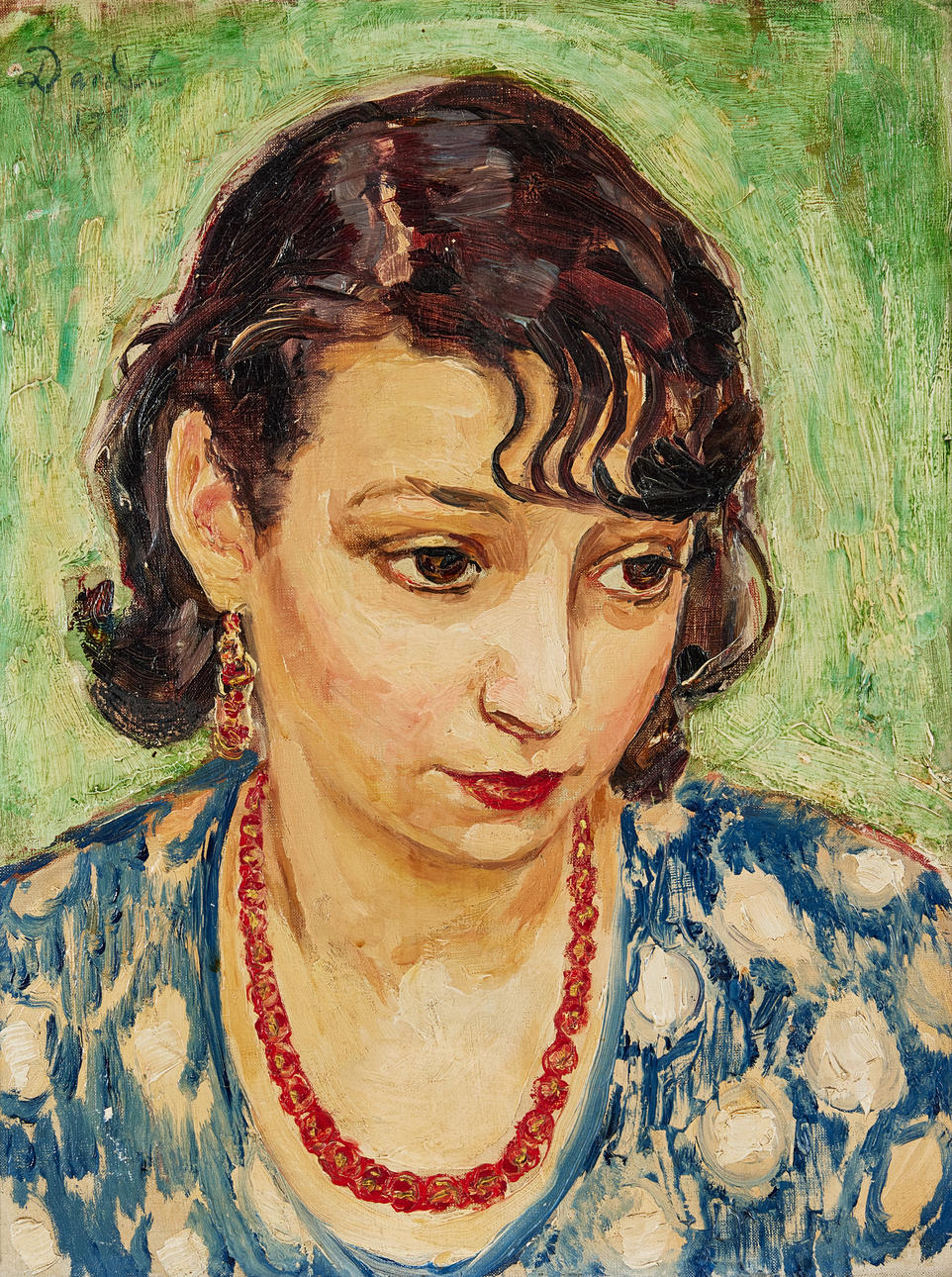
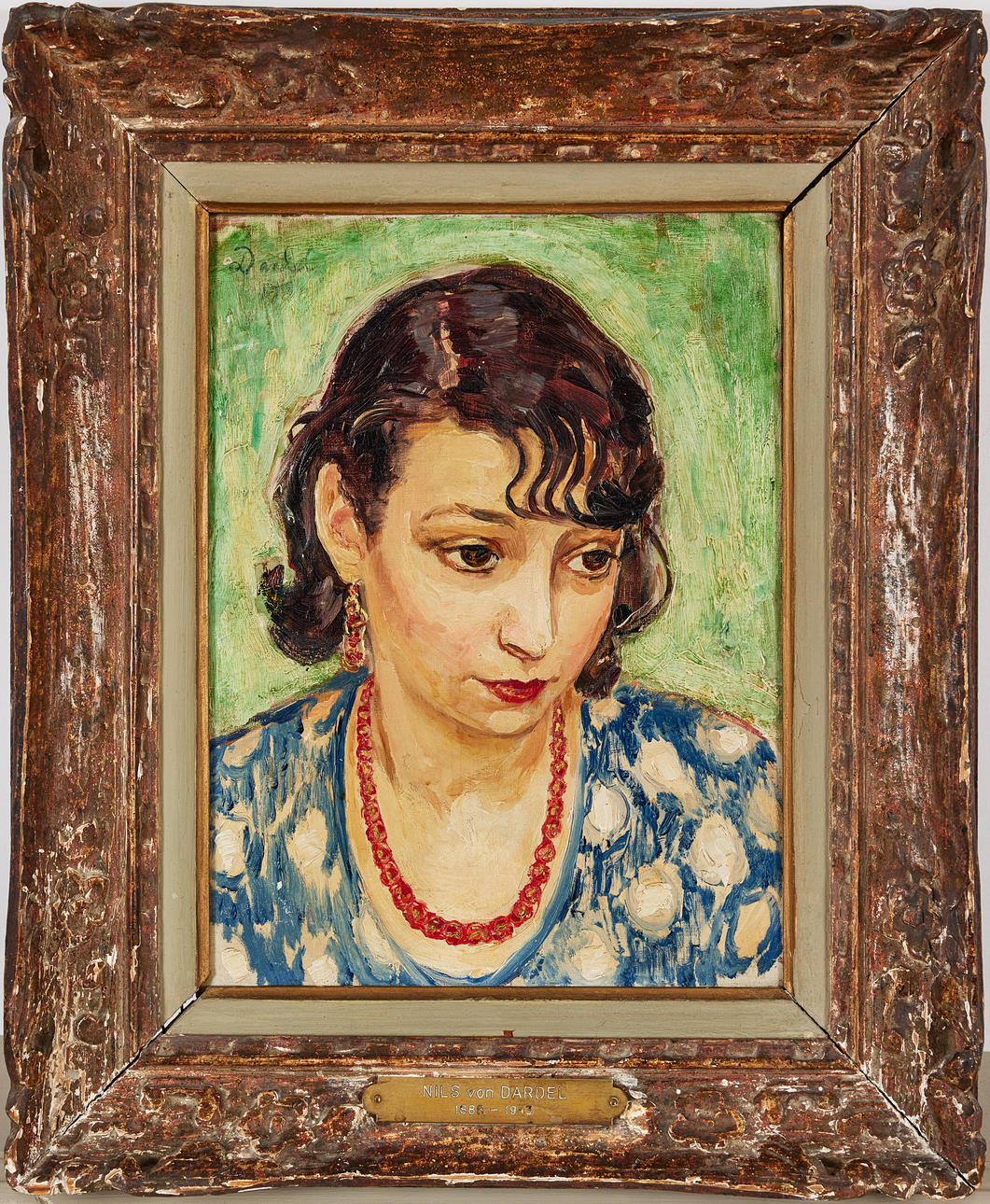
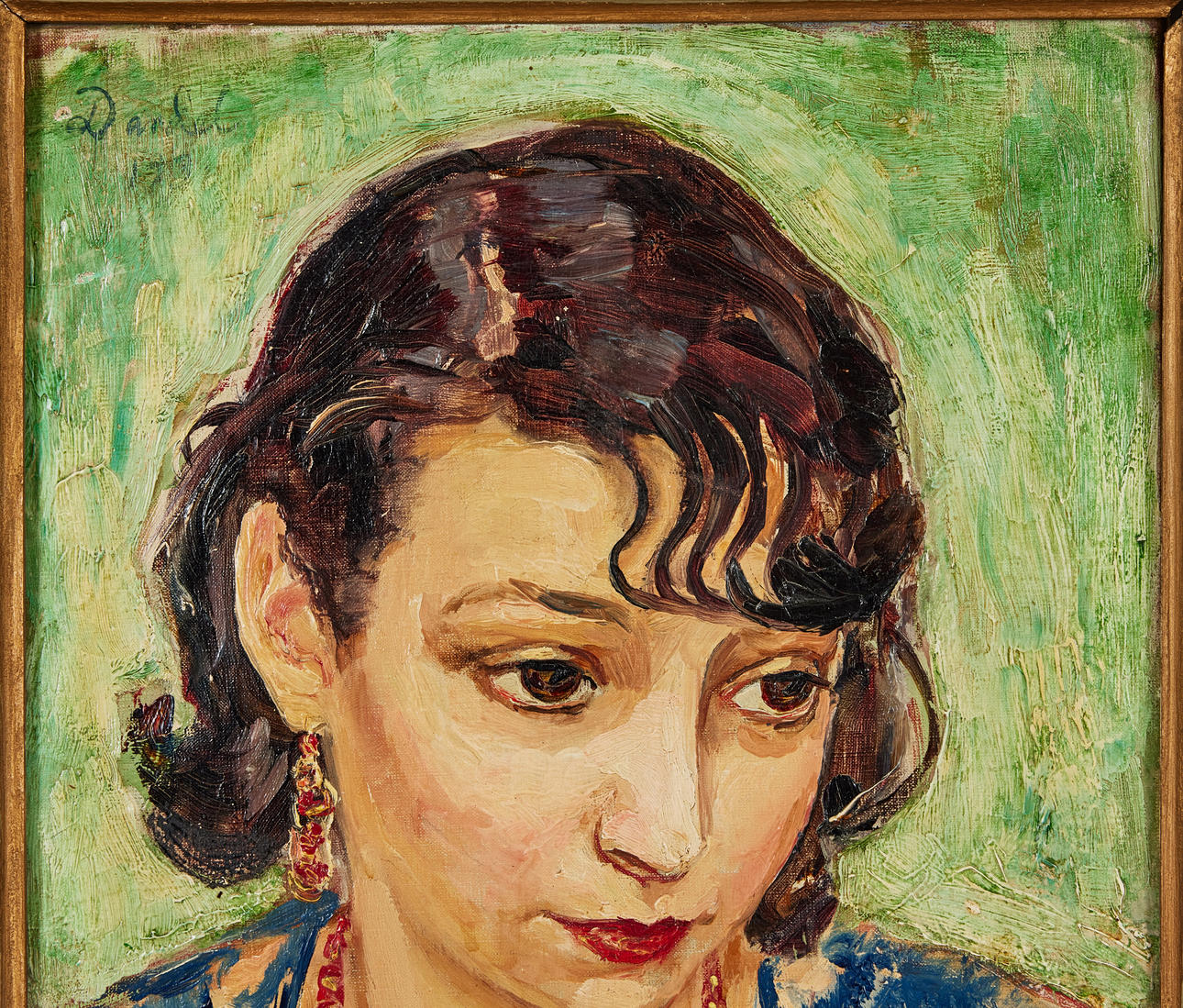
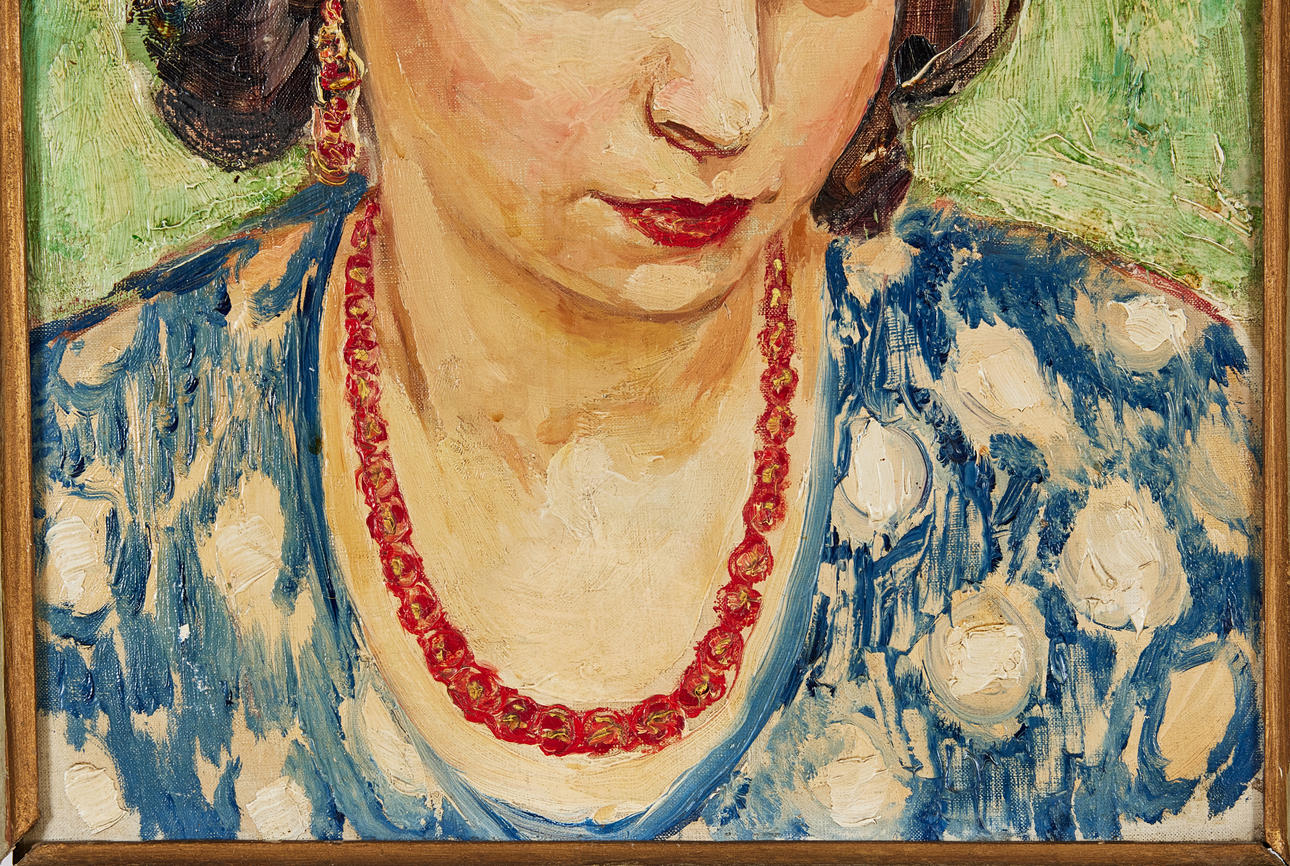
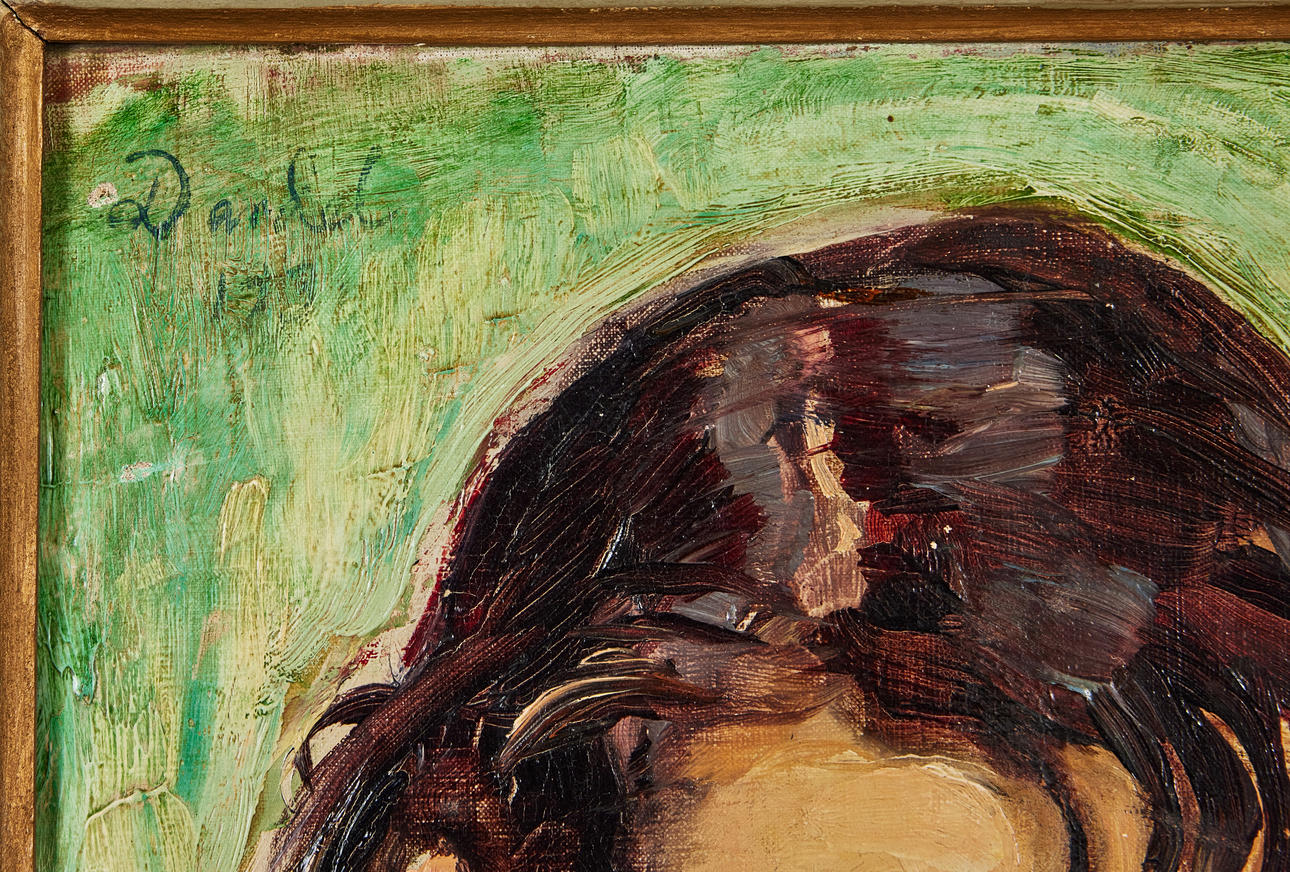
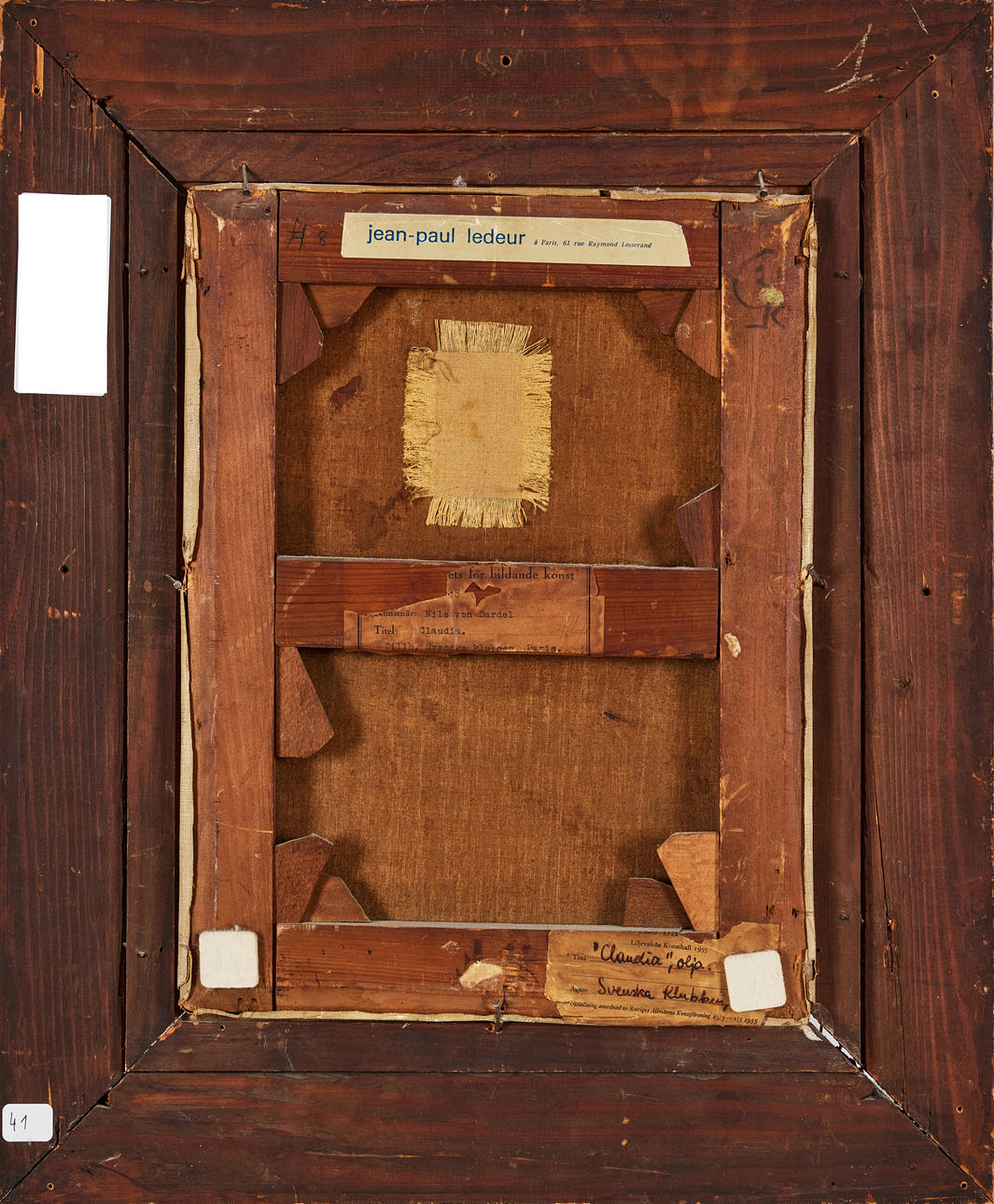
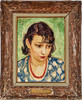
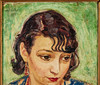
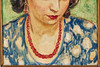
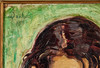
Oil on canvas, 35 x 28 cm, including frame 53 x 46 cm. Signed Dardel and unclear dating. Executed in 1931.
Karl Asplund writes in his biography of Nils Dardel: “Of Claudia, in 1931 he has also made a small oil painting, fresh and full-bodied in the sparse colour with the black hair and eyes and one in indigo fast cartoon kitten dress. This painting he donated to the Swedish Club in Paris” (Karl Asplund, “The Later Years, page 114)
PROVENANCE
Swedish club, Paris, gift directly by the artist.
EXHIBITIONS
Liljevachs konsthall, Stockholm, “Nils von Dardel”, 1955, cat no. 231.
LITERATURE
Karl Asplund, “Nils Dardel. II. The Later Years”, SAK, 1958, listed in the catalogue page 263, mentioned page 114 and illustrated full page page 115.
Nils von Dardel was born in Bettna, Södermanland, into a family with an officer and landowner background. He was the grandson of the well-known artist Fritz von Dardel and grew up in an environment where art and culture were strongly present. After studying in Uppsala, he studied at the Art Academy in Stockholm 1908—1910, where he apprenticed with Gustaf Cederström and Oscar Björck. He then went to Paris — a city that would become his artistic residence until the outbreak of World War II.
During the 1910s Dardel was part of the Swedish Artists Collective in Paris, where he socialized with Isaac Grünewald, Leander Engström and Georg Pauli, among others. Despite being inspired by Matisse and radical modern painting, Dardel went his own way. His admiration was directed rather at Cézanne and, to some extent, at the cubists Picasso and Braque. He sought his way away from the alarm of Montparnasse to the small town of Senlis, where he found peace of work and developed his own expression. It became a crucial turning point in his artistry.
Nils von Dardel was an artist of quick observation and a temperament marked by both esprit and disrespect—qualities that made him a fabled figure. In 1912 he met the peer Rolf de Maré, with whom he undertook several trips, including to Tunisia, Spain and Tenerife. The impressions from these travels reappeared later in his painting.
Upon returning to France after World War I, Dardel settled in Montmartre together with Thora Klinckowström, whom he had met on a boat trip from Gothenburg in 1919. In 1920 Rolf de Maré founded the Swedish Ballet in Paris, and Dardel was commissioned to create both set design and costumes. Contrasting works such as grotesque figures for Pär Lagerkvist's Dårhuset and the folk idyll in Alfven's Midsummervaka show the breadth of his artistry. During the 1920s he also painted numerous portraits, including those of Ivan Bratt and Gunnar Berndtson.
As the economic situation in Paris deteriorated, many Swedish artists returned home. Thora and her daughter Ingrid also left France, which was likely due to frictions in the marriage. Dardel himself, thanks to the recurring support of Rolf de Maré, was able to continue his activities and livelihoods. Among other things, they traveled to North Africa, a region where Dardel had previously conducted his well-known portrait studies.
His first solo exhibition in Stockholm was arranged in 1928 by Gösta Olson, founder of the Swedish-French Gallery. After great success in Oslo in 1939, he travelled on to America, where he visited Mexico, Guatemala, Cuba and South America. During these trips he painted watercolours of local people. In 1943 he exhibited in New York — an exhibition that became his last. The day after it was taken down, Nils von Dardel died of cardiac arrest.
Nils von Dardel's artistry is original and multifaceted — from sharp irony to deep emotional charge. His painting bears traces of the form-resolution of Cubism and the decorative arabesques of Bonnard and Vuillard. He combined oriental splendor of color with a European modernism in portraits and interiors.
The club has previously displayed Dardel's portrait art on loan from the Tessin Institute and the State Art Collections, including the Little Christmas Eve Club. Claudia's own painting depicts Montmartre model Claudia Loiseaux, one of the artist's most hired models.
All lots in this themed auction sold without reserve.
Condition
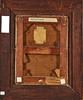
Mending. Surface dirt.
Resale right
Theme
Do you have something similar to sell? Get your items valued free of charge!
Description
Oil on canvas, 35 x 28 cm, including frame 53 x 46 cm. Signed Dardel and unclear dating. Executed in 1931.
Karl Asplund writes in his biography of Nils Dardel: “Of Claudia, in 1931 he has also made a small oil painting, fresh and full-bodied in the sparse colour with the black hair and eyes and one in indigo fast cartoon kitten dress. This painting he donated to the Swedish Club in Paris” (Karl Asplund, “The Later Years, page 114)
PROVENANCE
Swedish club, Paris, gift directly by the artist.
EXHIBITIONS
Liljevachs konsthall, Stockholm, “Nils von Dardel”, 1955, cat no. 231.
LITERATURE
Karl Asplund, “Nils Dardel. II. The Later Years”, SAK, 1958, listed in the catalogue page 263, mentioned page 114 and illustrated full page page 115.
Nils von Dardel was born in Bettna, Södermanland, into a family with an officer and landowner background. He was the grandson of the well-known artist Fritz von Dardel and grew up in an environment where art and culture were strongly present. After studying in Uppsala, he studied at the Art Academy in Stockholm 1908—1910, where he apprenticed with Gustaf Cederström and Oscar Björck. He then went to Paris — a city that would become his artistic residence until the outbreak of World War II.
During the 1910s Dardel was part of the Swedish Artists Collective in Paris, where he socialized with Isaac Grünewald, Leander Engström and Georg Pauli, among others. Despite being inspired by Matisse and radical modern painting, Dardel went his own way. His admiration was directed rather at Cézanne and, to some extent, at the cubists Picasso and Braque. He sought his way away from the alarm of Montparnasse to the small town of Senlis, where he found peace of work and developed his own expression. It became a crucial turning point in his artistry.
Nils von Dardel was an artist of quick observation and a temperament marked by both esprit and disrespect—qualities that made him a fabled figure. In 1912 he met the peer Rolf de Maré, with whom he undertook several trips, including to Tunisia, Spain and Tenerife. The impressions from these travels reappeared later in his painting.
Upon returning to France after World War I, Dardel settled in Montmartre together with Thora Klinckowström, whom he had met on a boat trip from Gothenburg in 1919. In 1920 Rolf de Maré founded the Swedish Ballet in Paris, and Dardel was commissioned to create both set design and costumes. Contrasting works such as grotesque figures for Pär Lagerkvist's Dårhuset and the folk idyll in Alfven's Midsummervaka show the breadth of his artistry. During the 1920s he also painted numerous portraits, including those of Ivan Bratt and Gunnar Berndtson.
As the economic situation in Paris deteriorated, many Swedish artists returned home. Thora and her daughter Ingrid also left France, which was likely due to frictions in the marriage. Dardel himself, thanks to the recurring support of Rolf de Maré, was able to continue his activities and livelihoods. Among other things, they traveled to North Africa, a region where Dardel had previously conducted his well-known portrait studies.
His first solo exhibition in Stockholm was arranged in 1928 by Gösta Olson, founder of the Swedish-French Gallery. After great success in Oslo in 1939, he travelled on to America, where he visited Mexico, Guatemala, Cuba and South America. During these trips he painted watercolours of local people. In 1943 he exhibited in New York — an exhibition that became his last. The day after it was taken down, Nils von Dardel died of cardiac arrest.
Nils von Dardel's artistry is original and multifaceted — from sharp irony to deep emotional charge. His painting bears traces of the form-resolution of Cubism and the decorative arabesques of Bonnard and Vuillard. He combined oriental splendor of color with a European modernism in portraits and interiors.
The club has previously displayed Dardel's portrait art on loan from the Tessin Institute and the State Art Collections, including the Little Christmas Eve Club. Claudia's own painting depicts Montmartre model Claudia Loiseaux, one of the artist's most hired models.
All lots in this themed auction sold without reserve.
Condition
Mending. Surface dirt.
Resale right
Theme
Do you have something similar to sell? Get your items valued free of charge!