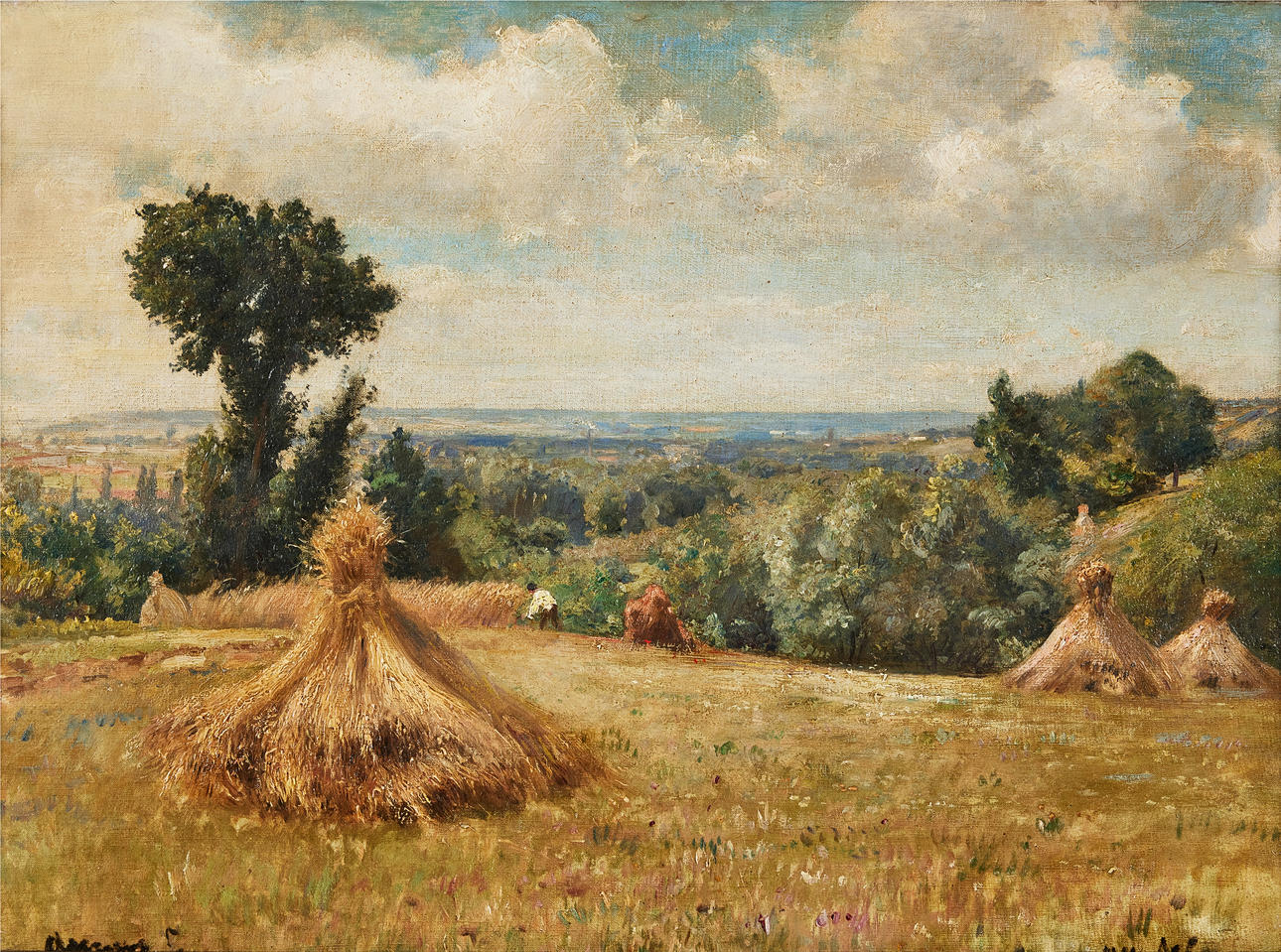
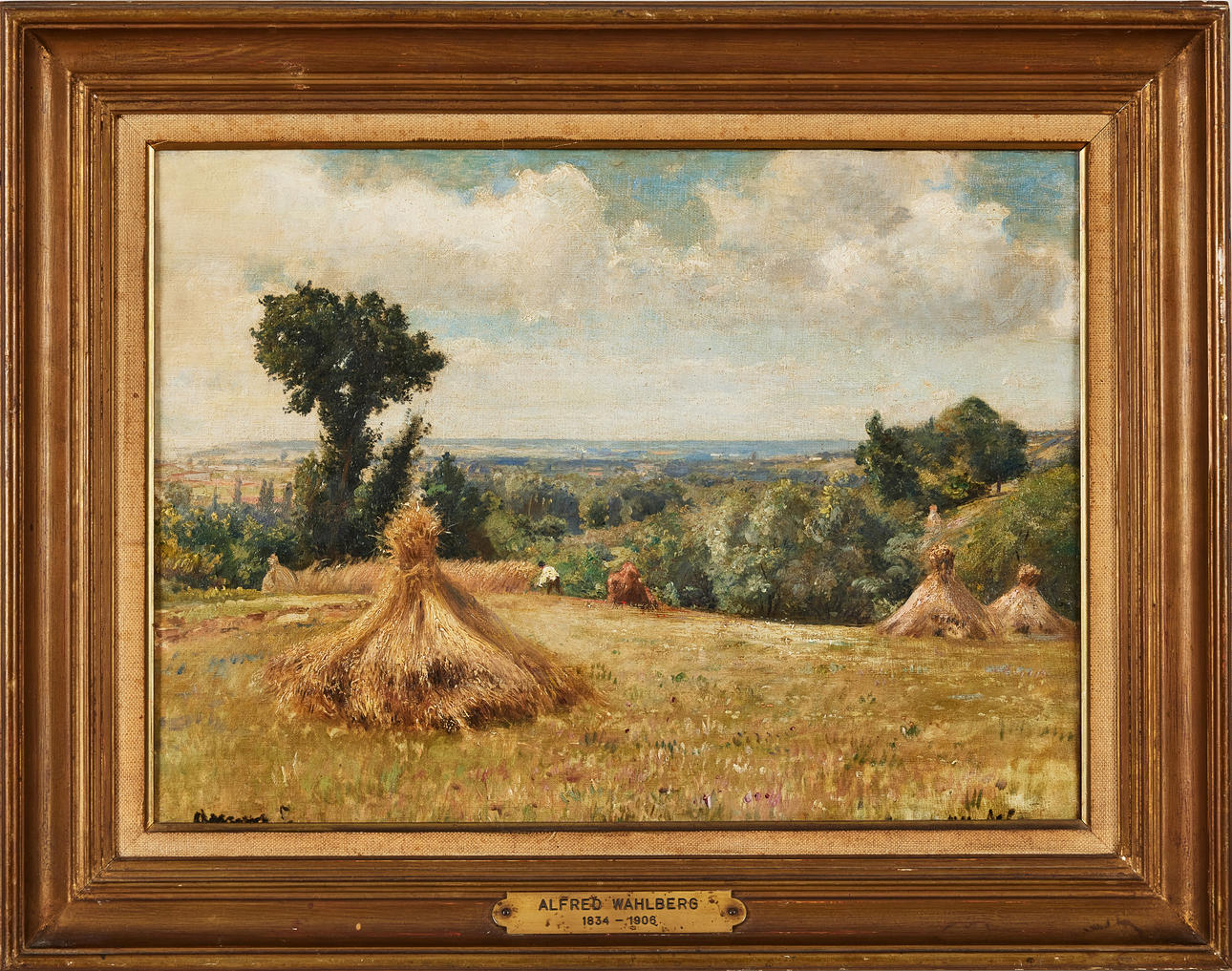
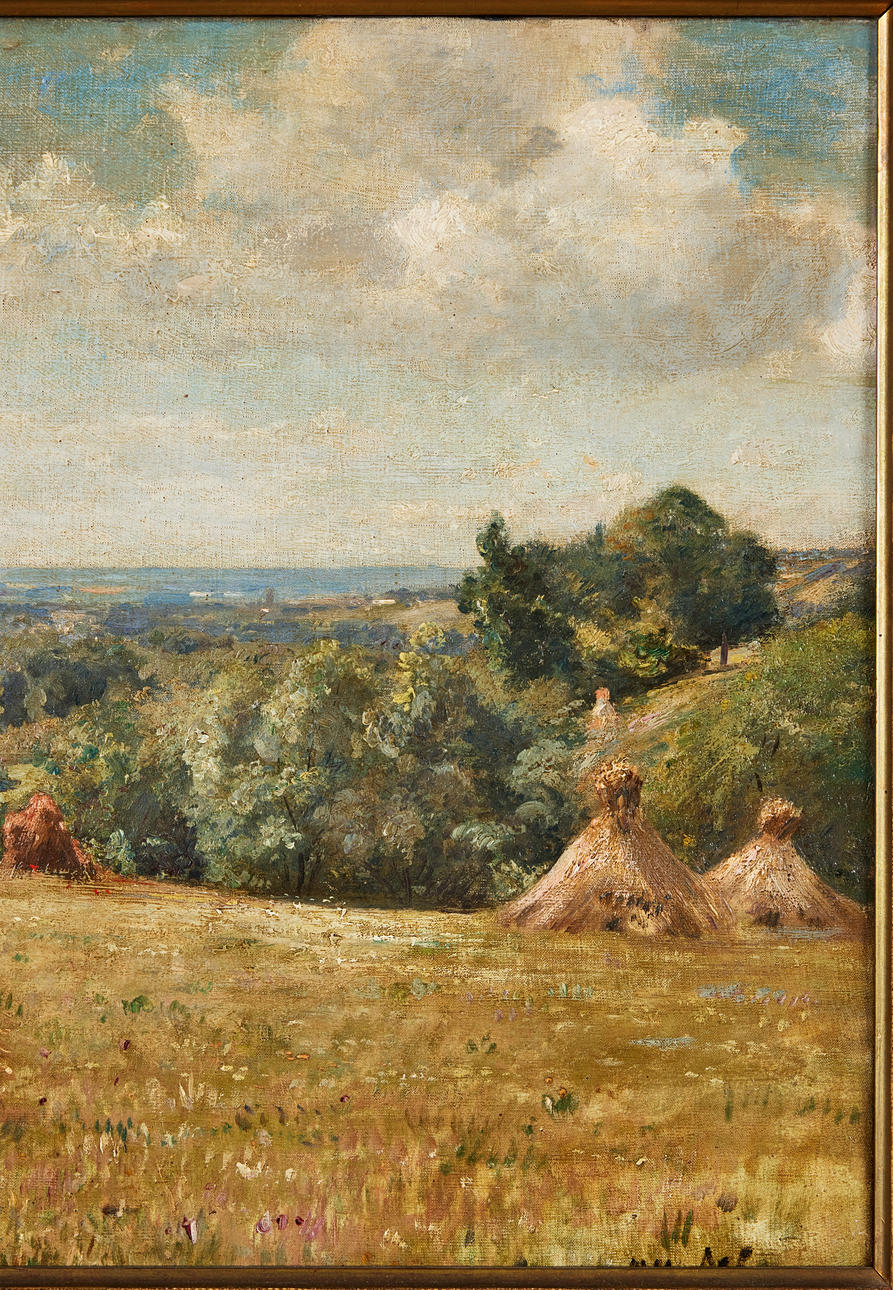
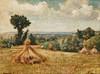
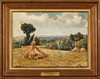
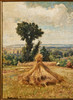
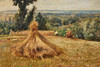
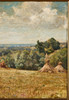
ALFRED WAHLBERG. Landscape with Haystacks.
This auction is closed, but maybe you like the following items?

Images
Description
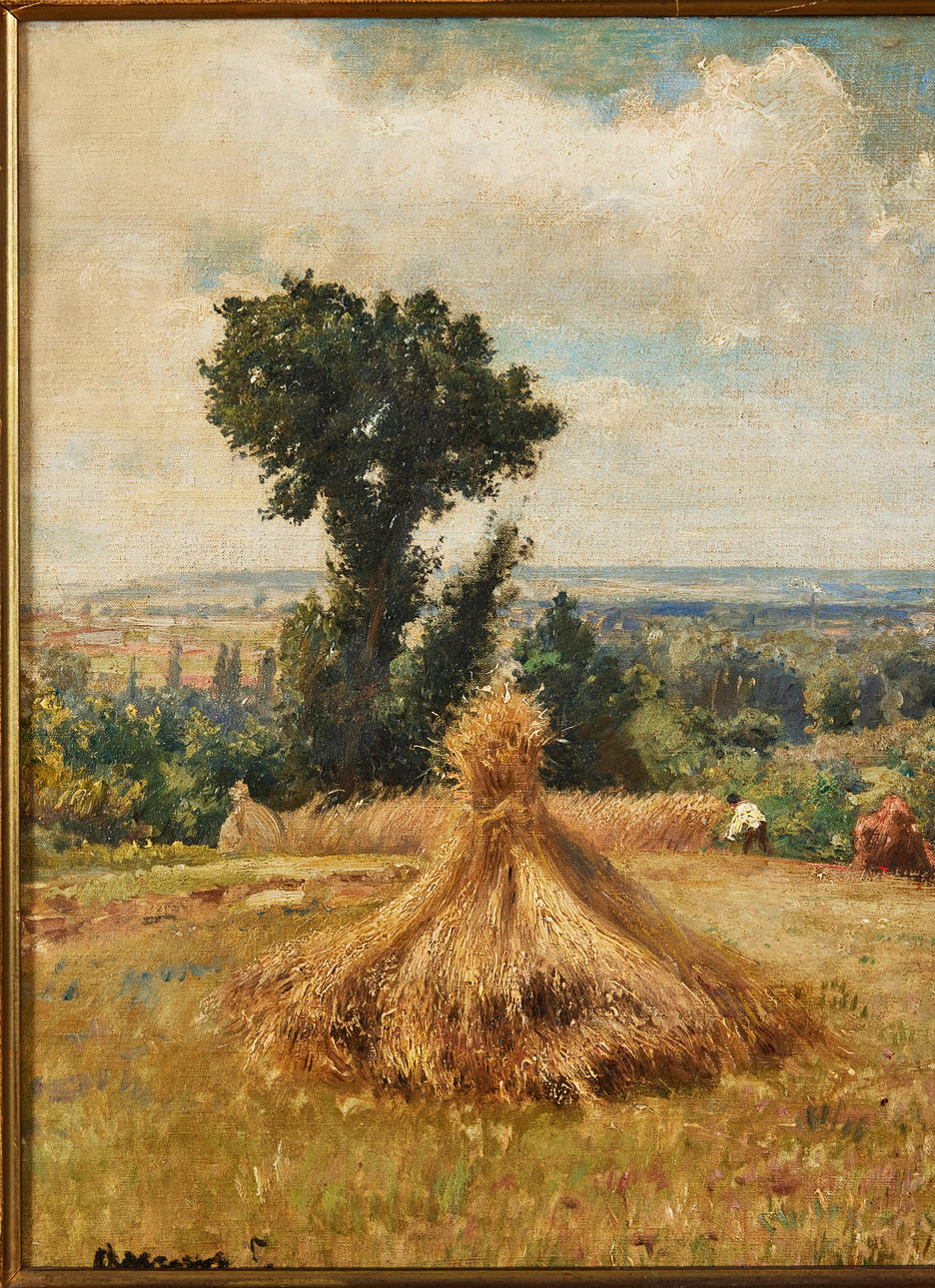
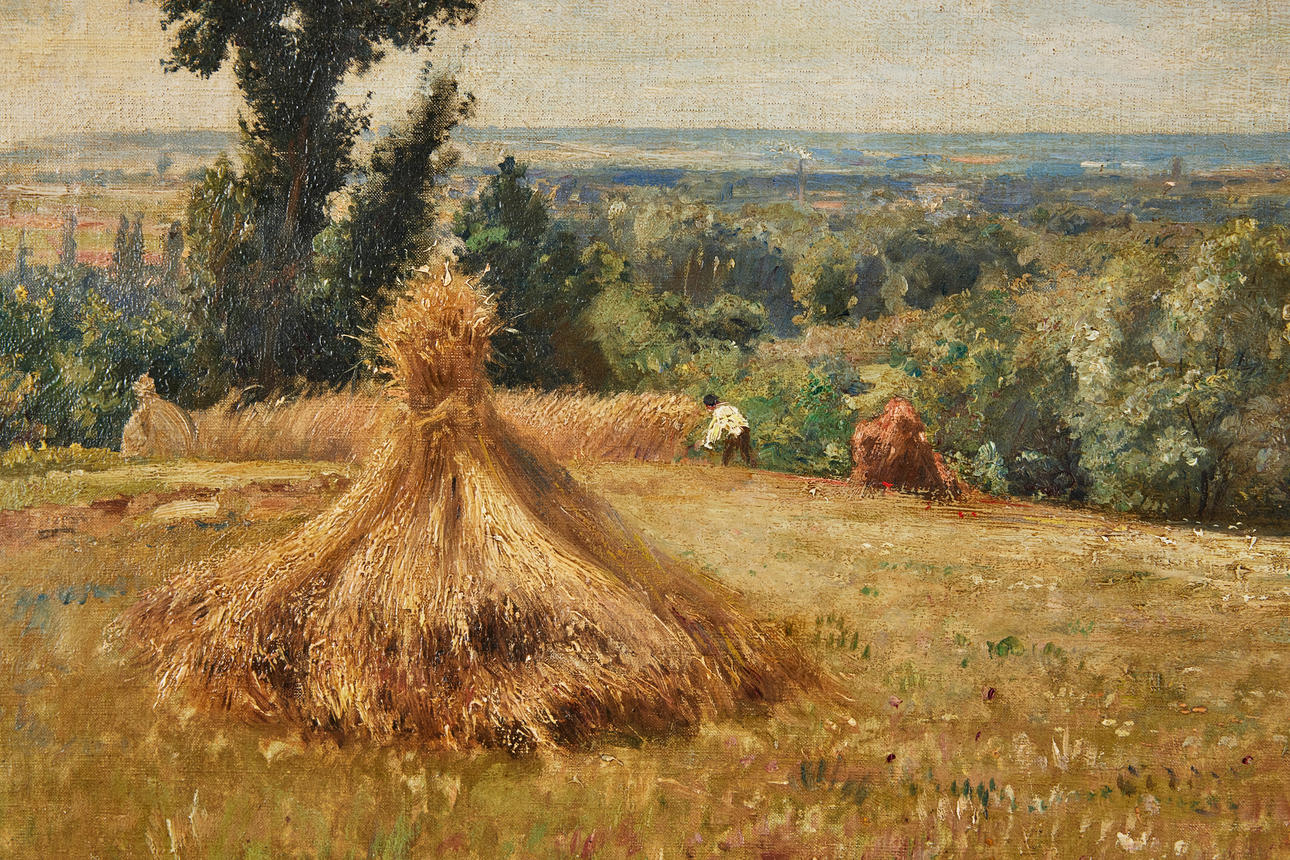
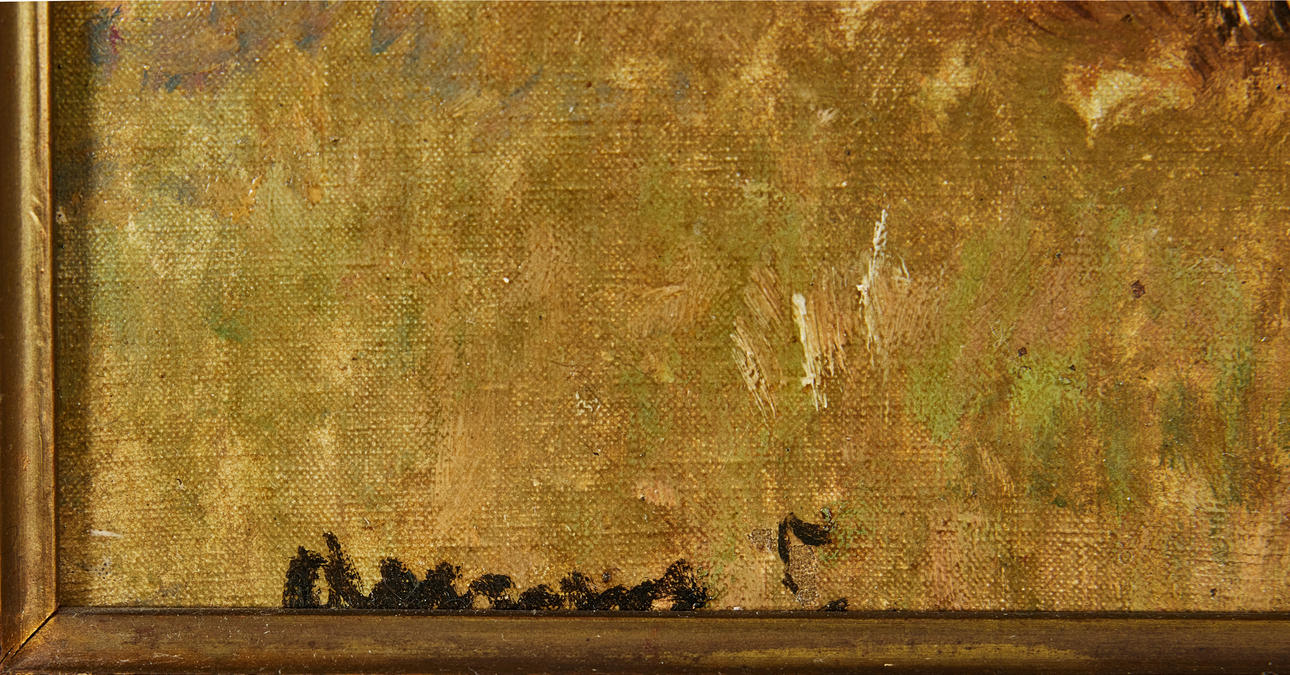
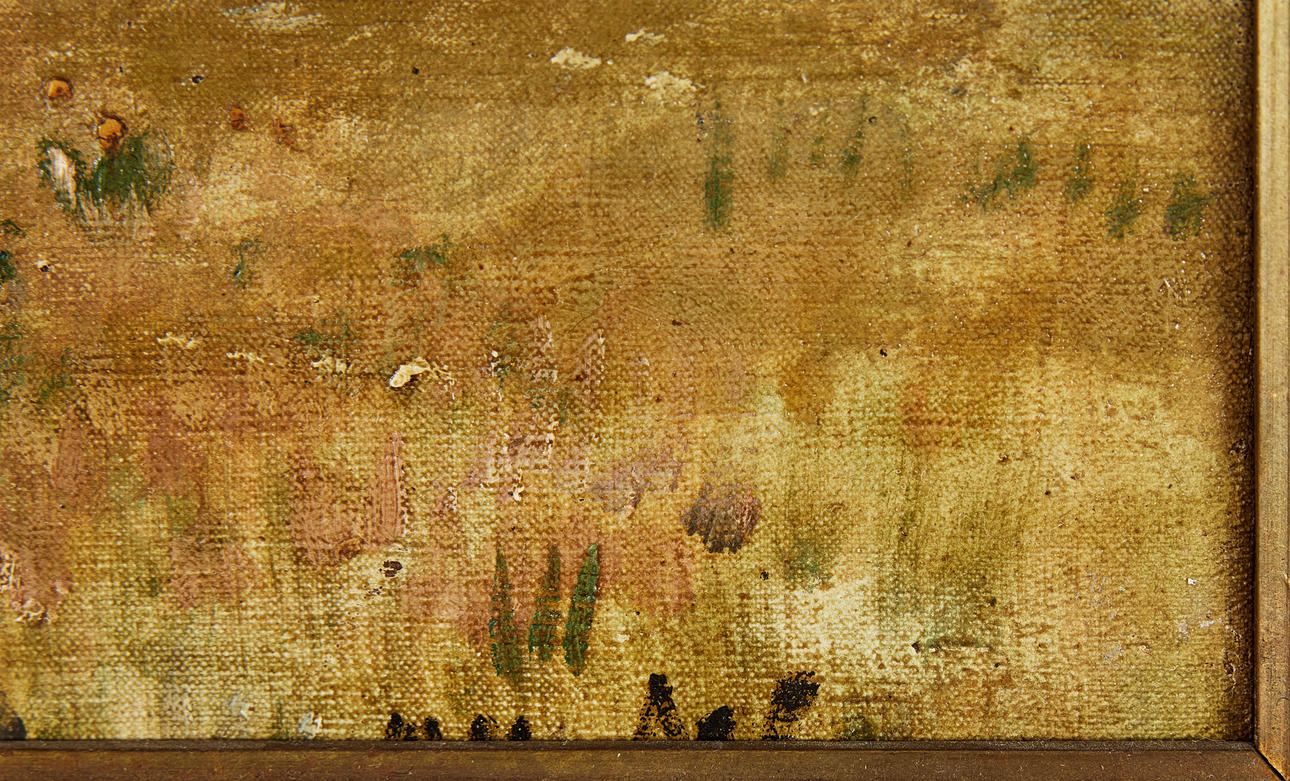
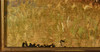
Oil on canvas, 34 x 45 cm, including frame 46 x 59 cm. Signed Alfr. W Auvers and possible dating -81.
PROVENANCE
Swedish Club, Paris.
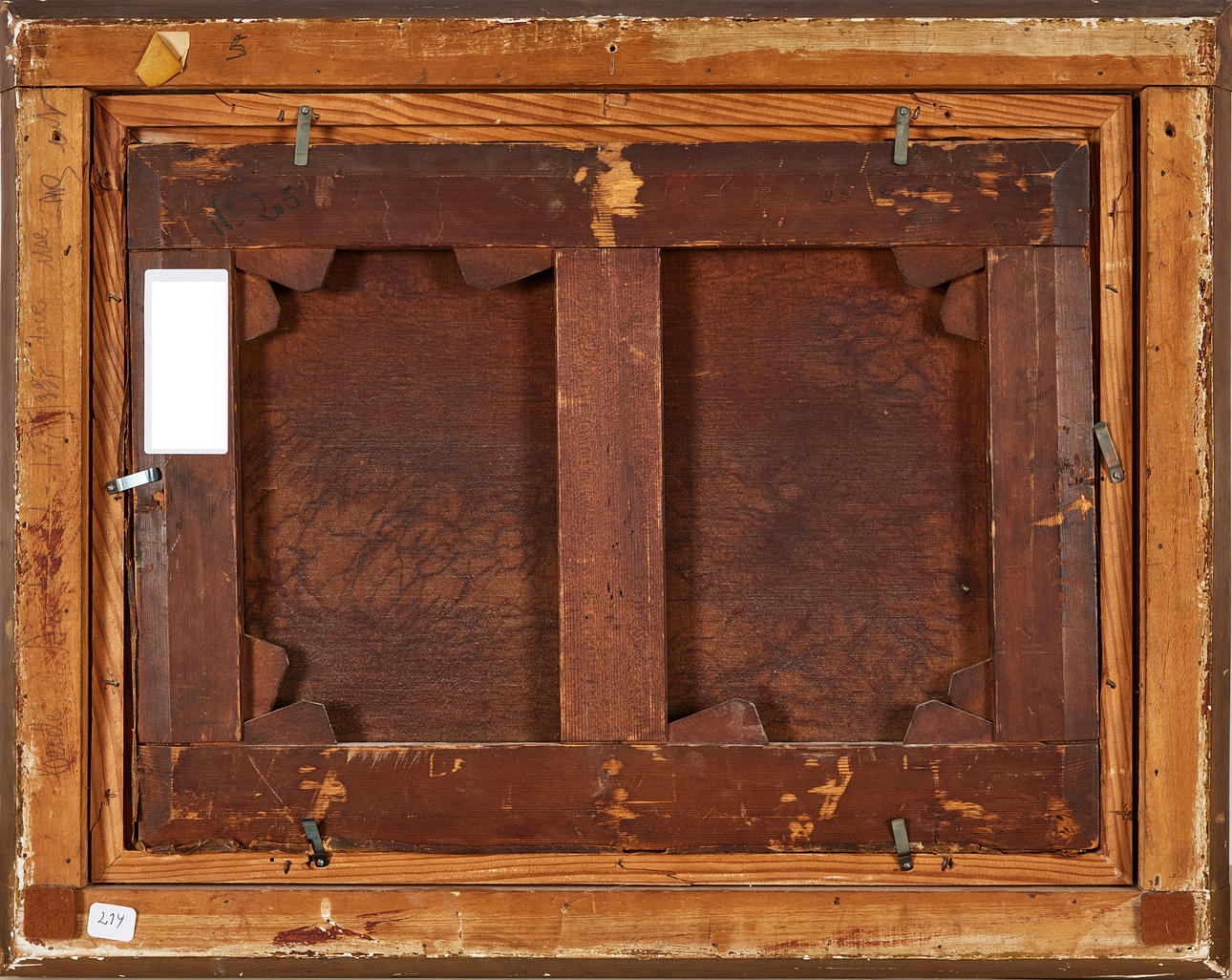
Purchased directly by the artist July 28, 1892, original receipt issued by the artist included.
Born in Stockholm in 1834, Alfred Wahlberg grew up in an artistic home. The father was a craftsman, likely a painter, and the maternal daughter of an Italian sculptor. Wahlberg began his career in music and trained as a pianist and clarinetist at the Academy of Music, but it was during his service in the Götagardet Music Corps that he began to paint in earnest — a talent that immediately attracted attention.
Already in 1857 he made his first trip abroad to Düsseldorf where he studied with Hans-Frederik Gude. Five years he spent there, developing a style that quickly found buyers in both Germany and Sweden. Back in Stockholm, he became appreciated not only as an artist but also as a central figure in social life — especially in the circles around King Charles XV. Wahlberg was elected to the Academy of Fine Arts in 1865.
The drive to further develop brought him to Paris the following year. There he became a significant part of the Swedish artist colony, along with names such as Per Ekström, Carl Larsson and Oscar Törnå. Together they stayed, among other places, in Barbizon and later in Grez-sur-Loing. Wahlberg established himself strongly in the international art world and gained the attention of leading art dealers.
The transition from the narrative motif of the Düsseldorf school to a more evocative, nature-lyrical painting aroused reactions in the home country. With a new French-inspired style — with nature, light and colour at the centre — he shocked older colleagues but inspired the younger generation. Wahlberg became a forerunner of the freer nature painting that later came to flourish in Sweden.
In the 1880s he approached Impressionism, with a nervier brushwork and more unmixed colours. The landscapes of the Oise region, such as the work Klubben offers here, exude precisely this style — shimmering play of light in the spirit of Corot and Sisley, at the same time deeply rooted in Wahlberg's own compositional strength. Wahlberg also worked in Brittany and on the Mediterranean coast, but returned in the summer to Sweden where he painted along the west coast and around Stockholm.
For over five decades, Alfred Wahlberg allowed the shifts of nature to permeate his artistry. His late works often carry a still mystique — as in depictions of waterscapes during moonlit night. The last years he spent again in Sweden, and in 1928 — just over two decades after his death — he was honored with a major memorial exhibition at the Svensk-Franska Galleriet in Stockholm, organized by the art dealer Gösta Olson.
All lots in this themed auction sold without reserve.
Condition
Surface dirt, yellowed varnish.
Resale right
Artist/designer
Theme
Do you have something similar to sell? Get your items valued free of charge!
Description
Oil on canvas, 34 x 45 cm, including frame 46 x 59 cm. Signed Alfr. W Auvers and possible dating -81.
PROVENANCE
Swedish Club, Paris.
Purchased directly by the artist July 28, 1892, original receipt issued by the artist included.
Born in Stockholm in 1834, Alfred Wahlberg grew up in an artistic home. The father was a craftsman, likely a painter, and the maternal daughter of an Italian sculptor. Wahlberg began his career in music and trained as a pianist and clarinetist at the Academy of Music, but it was during his service in the Götagardet Music Corps that he began to paint in earnest — a talent that immediately attracted attention.
Already in 1857 he made his first trip abroad to Düsseldorf where he studied with Hans-Frederik Gude. Five years he spent there, developing a style that quickly found buyers in both Germany and Sweden. Back in Stockholm, he became appreciated not only as an artist but also as a central figure in social life — especially in the circles around King Charles XV. Wahlberg was elected to the Academy of Fine Arts in 1865.
The drive to further develop brought him to Paris the following year. There he became a significant part of the Swedish artist colony, along with names such as Per Ekström, Carl Larsson and Oscar Törnå. Together they stayed, among other places, in Barbizon and later in Grez-sur-Loing. Wahlberg established himself strongly in the international art world and gained the attention of leading art dealers.
The transition from the narrative motif of the Düsseldorf school to a more evocative, nature-lyrical painting aroused reactions in the home country. With a new French-inspired style — with nature, light and colour at the centre — he shocked older colleagues but inspired the younger generation. Wahlberg became a forerunner of the freer nature painting that later came to flourish in Sweden.
In the 1880s he approached Impressionism, with a nervier brushwork and more unmixed colours. The landscapes of the Oise region, such as the work Klubben offers here, exude precisely this style — shimmering play of light in the spirit of Corot and Sisley, at the same time deeply rooted in Wahlberg's own compositional strength. Wahlberg also worked in Brittany and on the Mediterranean coast, but returned in the summer to Sweden where he painted along the west coast and around Stockholm.
For over five decades, Alfred Wahlberg allowed the shifts of nature to permeate his artistry. His late works often carry a still mystique — as in depictions of waterscapes during moonlit night. The last years he spent again in Sweden, and in 1928 — just over two decades after his death — he was honored with a major memorial exhibition at the Svensk-Franska Galleriet in Stockholm, organized by the art dealer Gösta Olson.
All lots in this themed auction sold without reserve.
Condition
Surface dirt, yellowed varnish.
Resale right
Artist/designer
Theme
Do you have something similar to sell? Get your items valued free of charge!