ELIS BERGH. Vase, glass, Kosta.
This auction is closed, but maybe you like the following items?

Images
Description
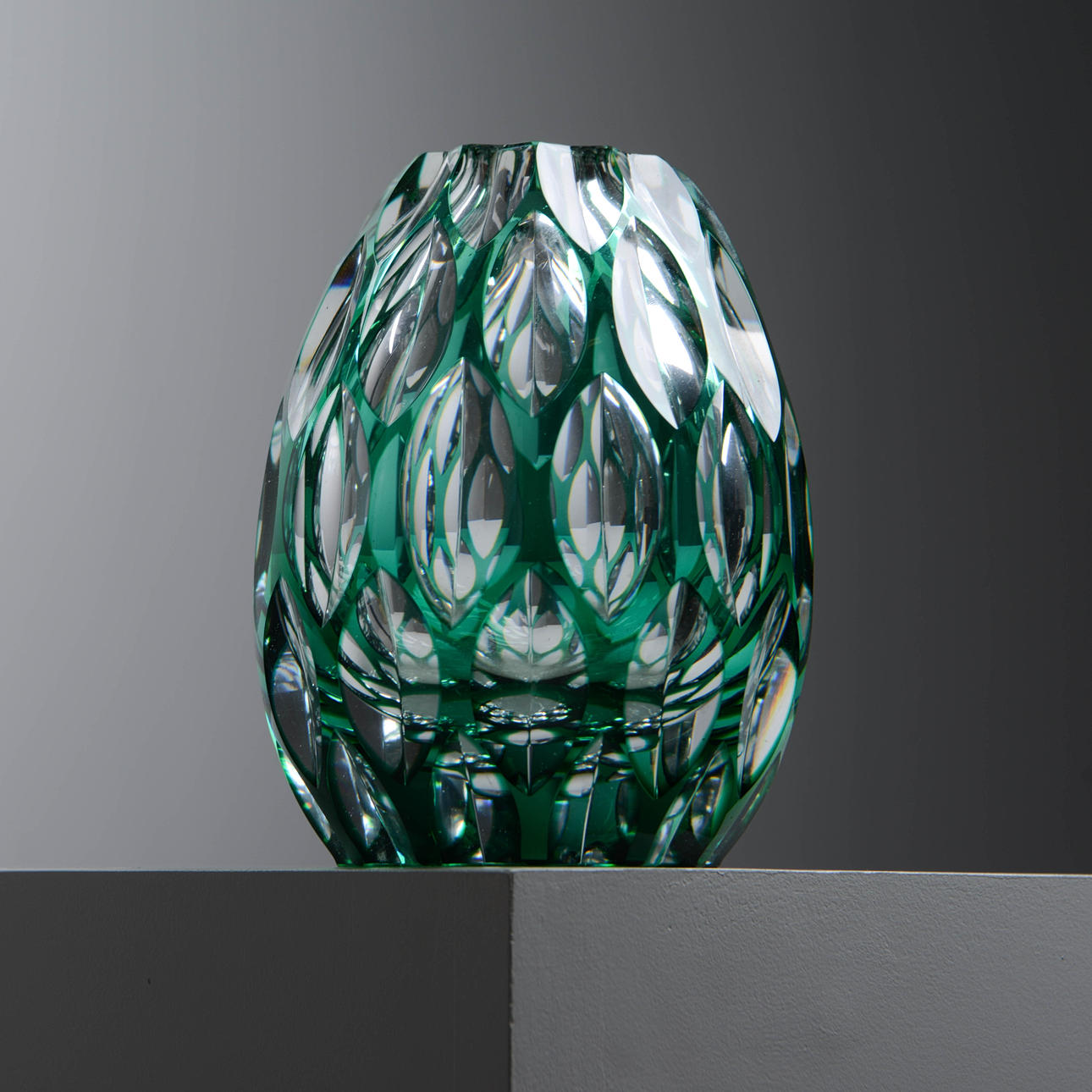
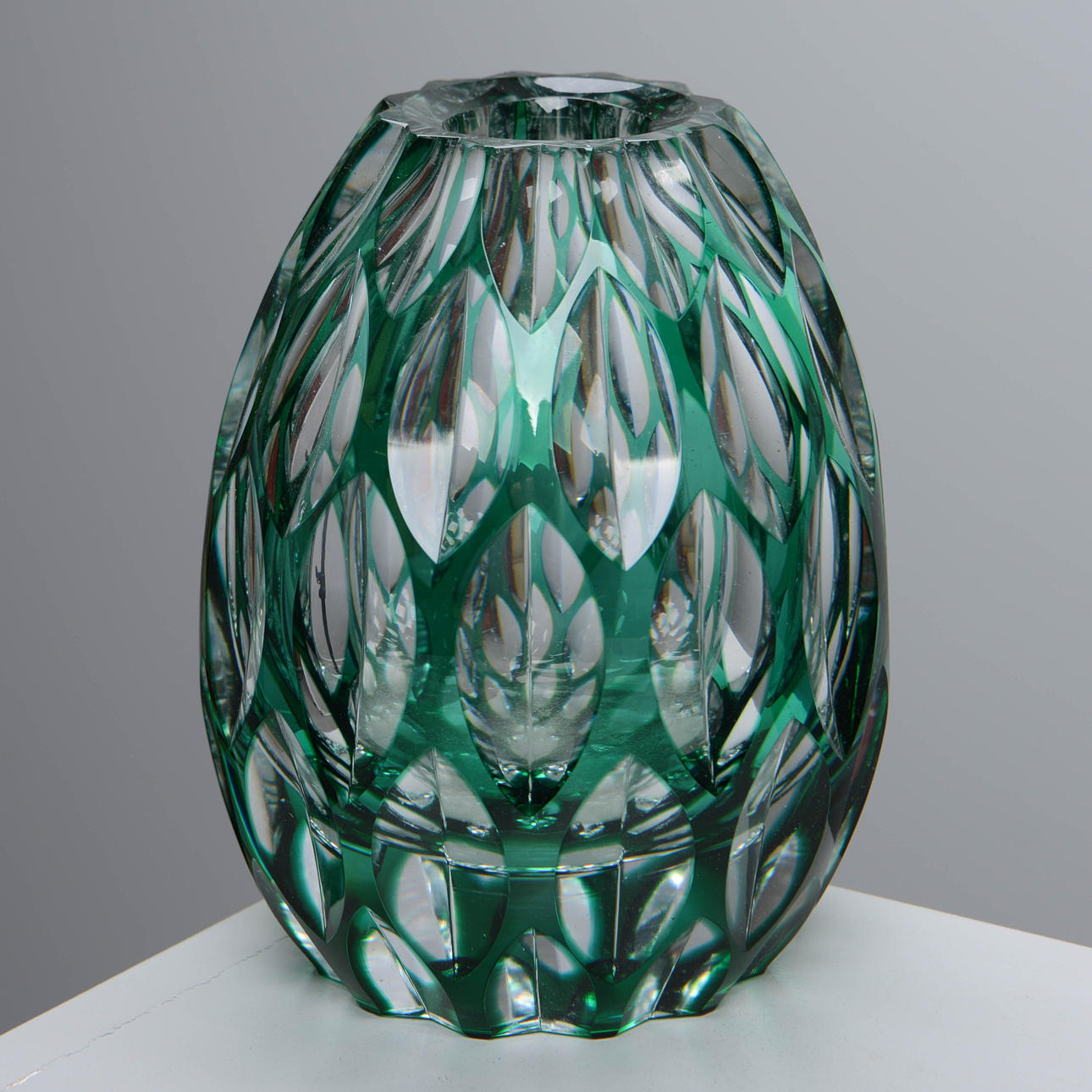
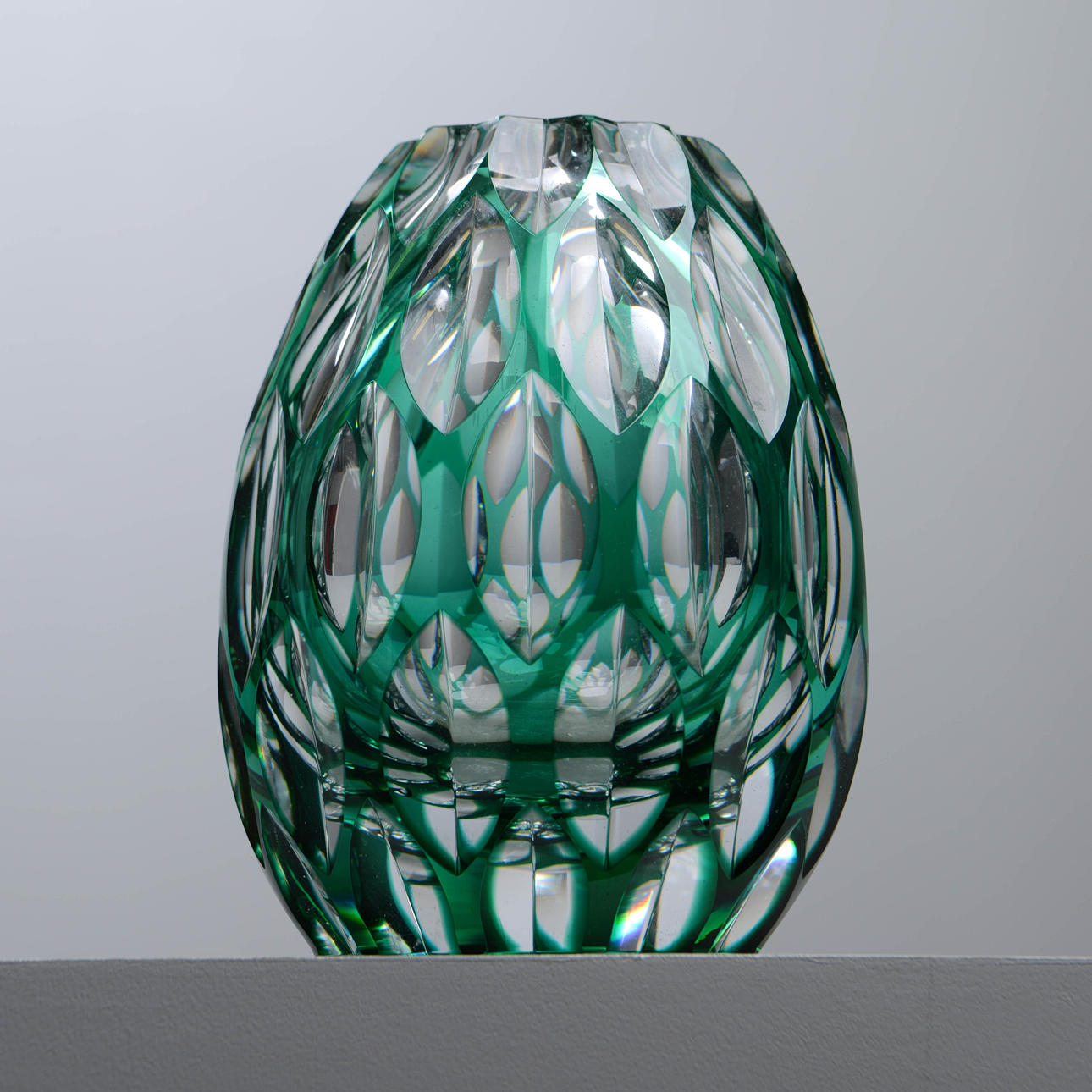
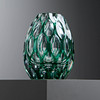
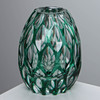
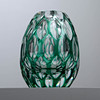
Green transition with sanded leaf-shaped patterns.
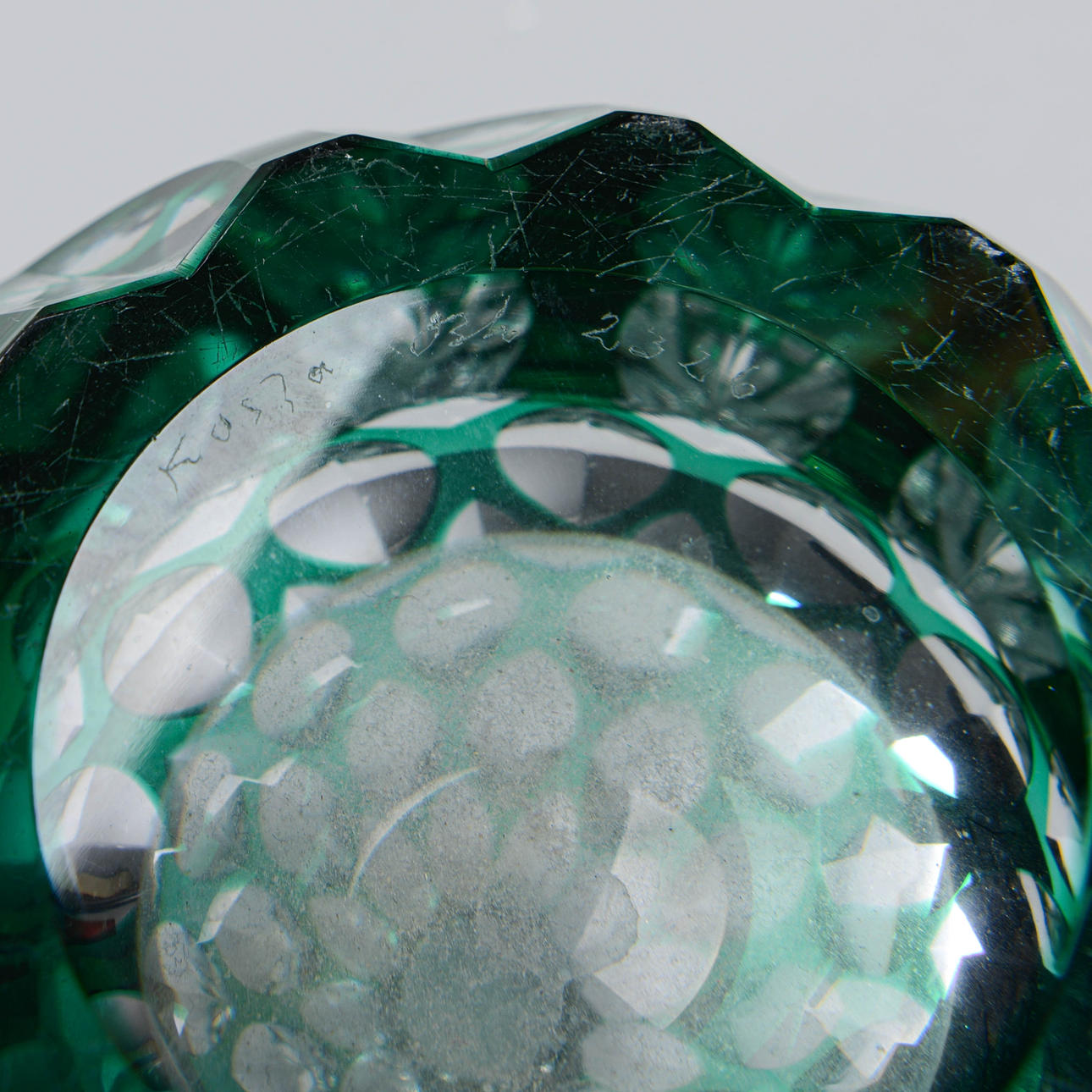
Signed Kosta Bra 2326.
Height 19 cm.
Elis Bergh, born on April 17, 1881 in Linköping, was a Swedish architect and designer who became better known as a glass artist at Kosta glassworks. He studied at the High School of Art and Industry in Stockholm and practiced, among other things, with architect Agi Lindegren. Despite his short architectural career, he designed, among other things, Villa Skoga in Storängen.
Elis Bergh was involved in various design projects in industry, such as Böhlmark's lamp factory, Pukeberg's glass factory, and Herman Bergman's art foundry. He also worked for C. G. Hallbergs Goldsmiths AB. In 1928, he became the artistic director of Kosta glassworks, where he was responsible for the graceful and modern design that distinguished Kosta's production during the interwar period. Bergh designed many glass tableware, including "Karlberg" and "Kulla", as well as vases and other decorative objects.
He became known for developing a personal style in his design work. After working at Kosta until 1950, he continued as a consultant for them. He designed over two hundred tableware and came to be known as the master of tableware glass. He died in 1954 and left behind a significant legacy in Swedish glass art.
Condition
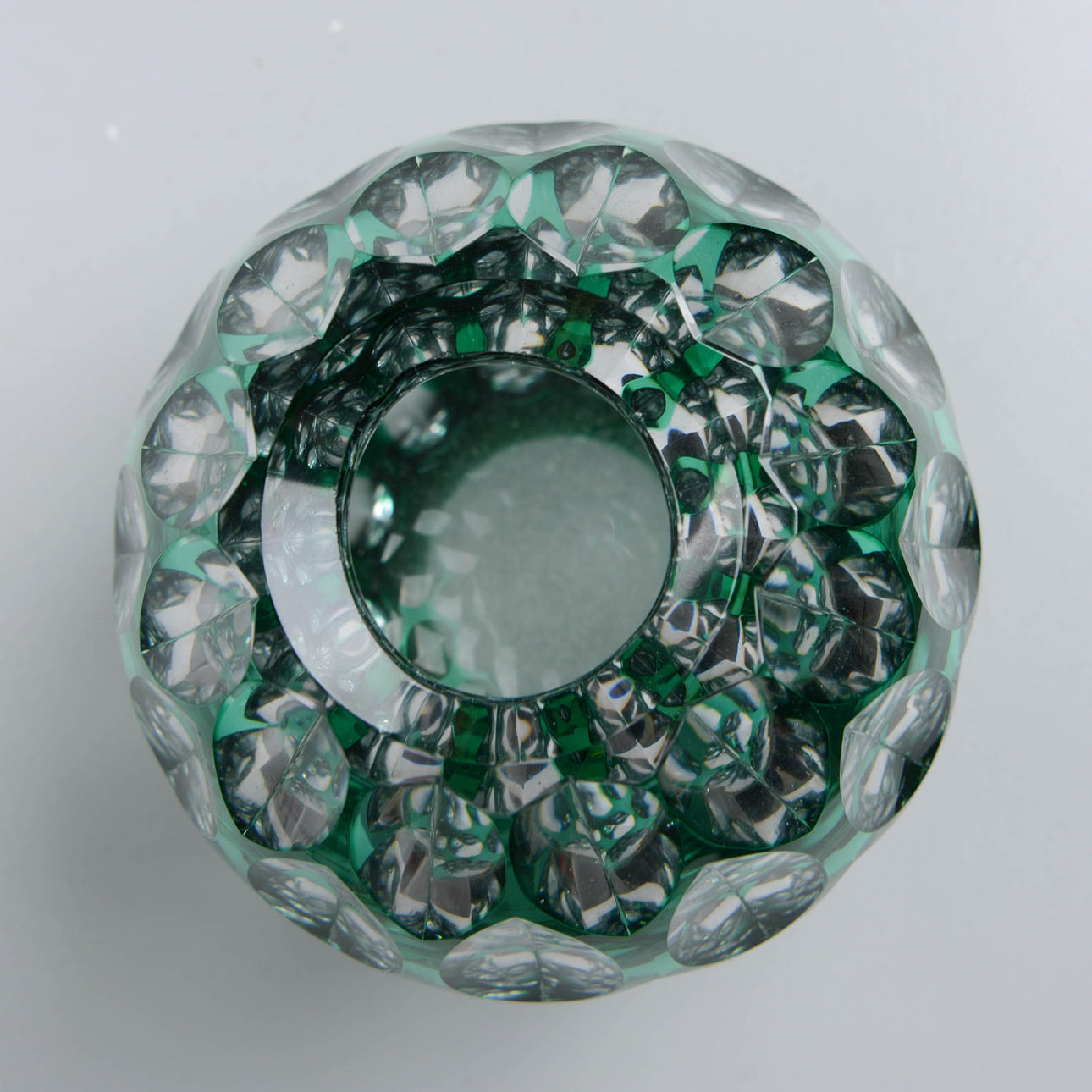
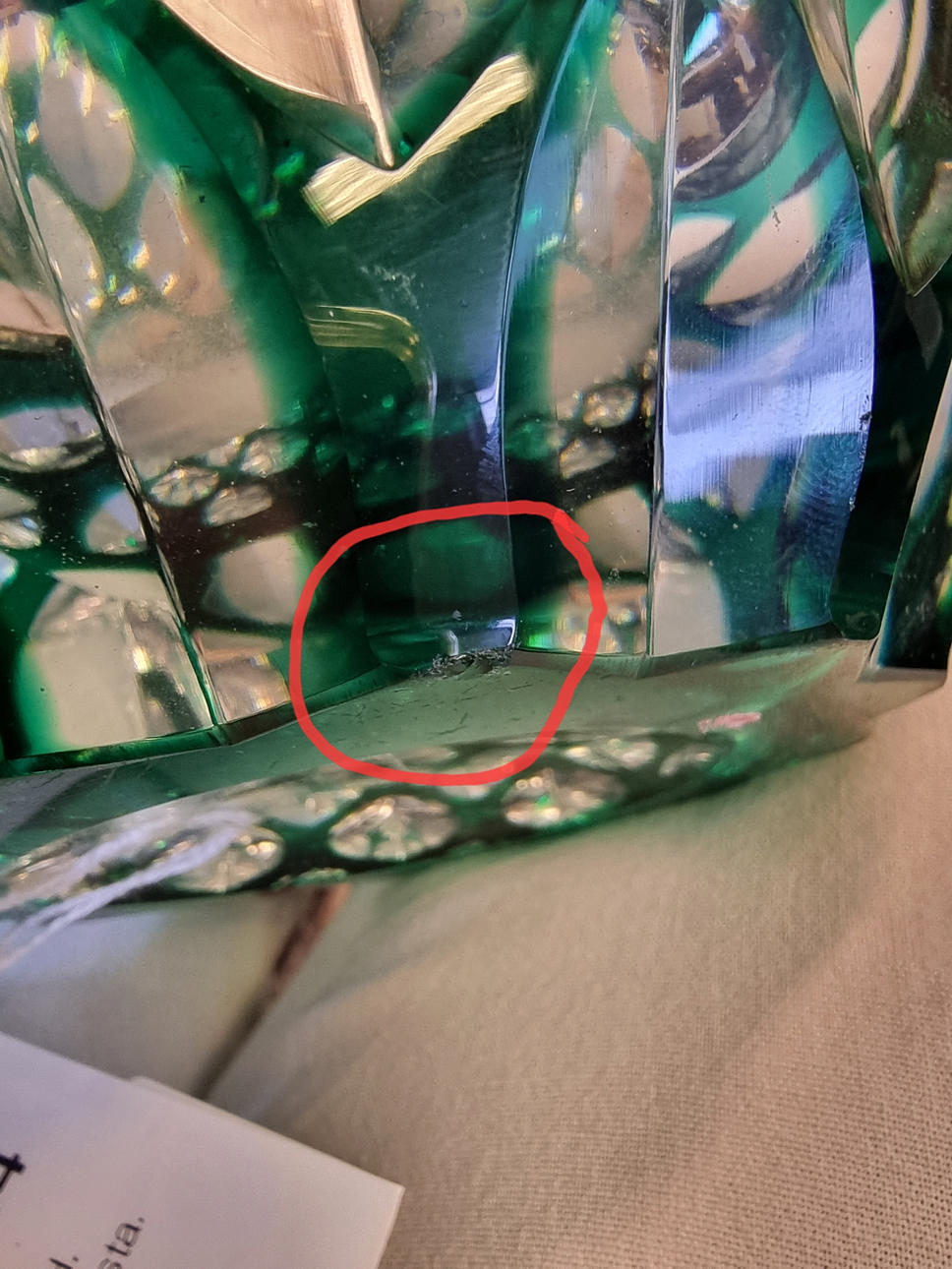
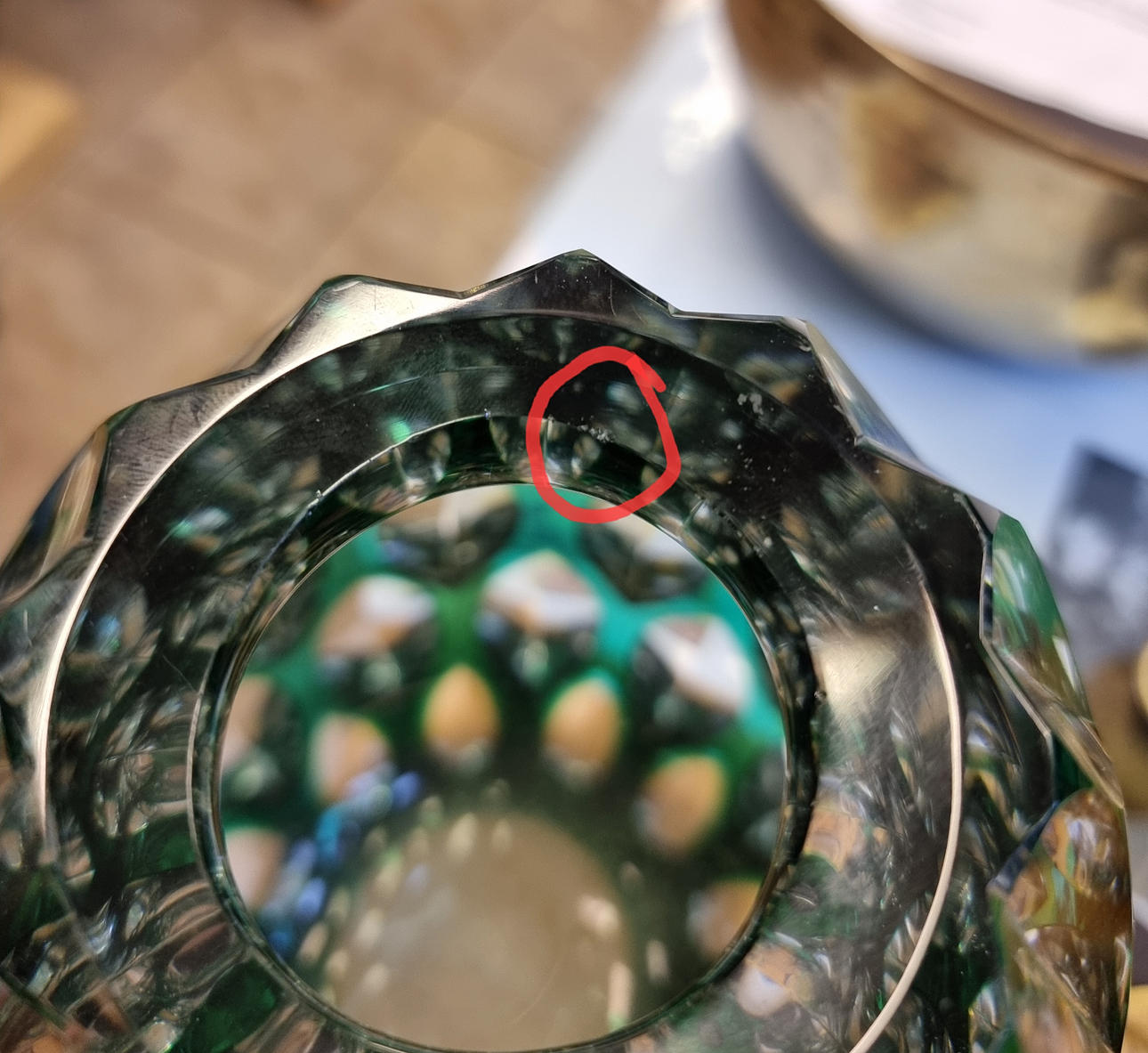
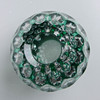
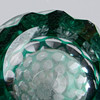
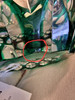
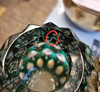
Normal wear and tear, scratches, minor Chips in foot (see picture), micro chip at mouth (see picture).
Resale right
Artist/designer
Theme
Do you have something similar to sell? Get your items valued free of charge!
Description
Green transition with sanded leaf-shaped patterns.
Signed Kosta Bra 2326.
Height 19 cm.
Elis Bergh, born on April 17, 1881 in Linköping, was a Swedish architect and designer who became better known as a glass artist at Kosta glassworks. He studied at the High School of Art and Industry in Stockholm and practiced, among other things, with architect Agi Lindegren. Despite his short architectural career, he designed, among other things, Villa Skoga in Storängen.
Elis Bergh was involved in various design projects in industry, such as Böhlmark's lamp factory, Pukeberg's glass factory, and Herman Bergman's art foundry. He also worked for C. G. Hallbergs Goldsmiths AB. In 1928, he became the artistic director of Kosta glassworks, where he was responsible for the graceful and modern design that distinguished Kosta's production during the interwar period. Bergh designed many glass tableware, including "Karlberg" and "Kulla", as well as vases and other decorative objects.
He became known for developing a personal style in his design work. After working at Kosta until 1950, he continued as a consultant for them. He designed over two hundred tableware and came to be known as the master of tableware glass. He died in 1954 and left behind a significant legacy in Swedish glass art.
Condition
Normal wear and tear, scratches, minor Chips in foot (see picture), micro chip at mouth (see picture).
Resale right
Artist/designer
Theme
Do you have something similar to sell? Get your items valued free of charge!