ANTOINE-LOUIS BARYE. BRONZE REHKITZ.
This auction is closed, but maybe you like the following items?

Images
Description
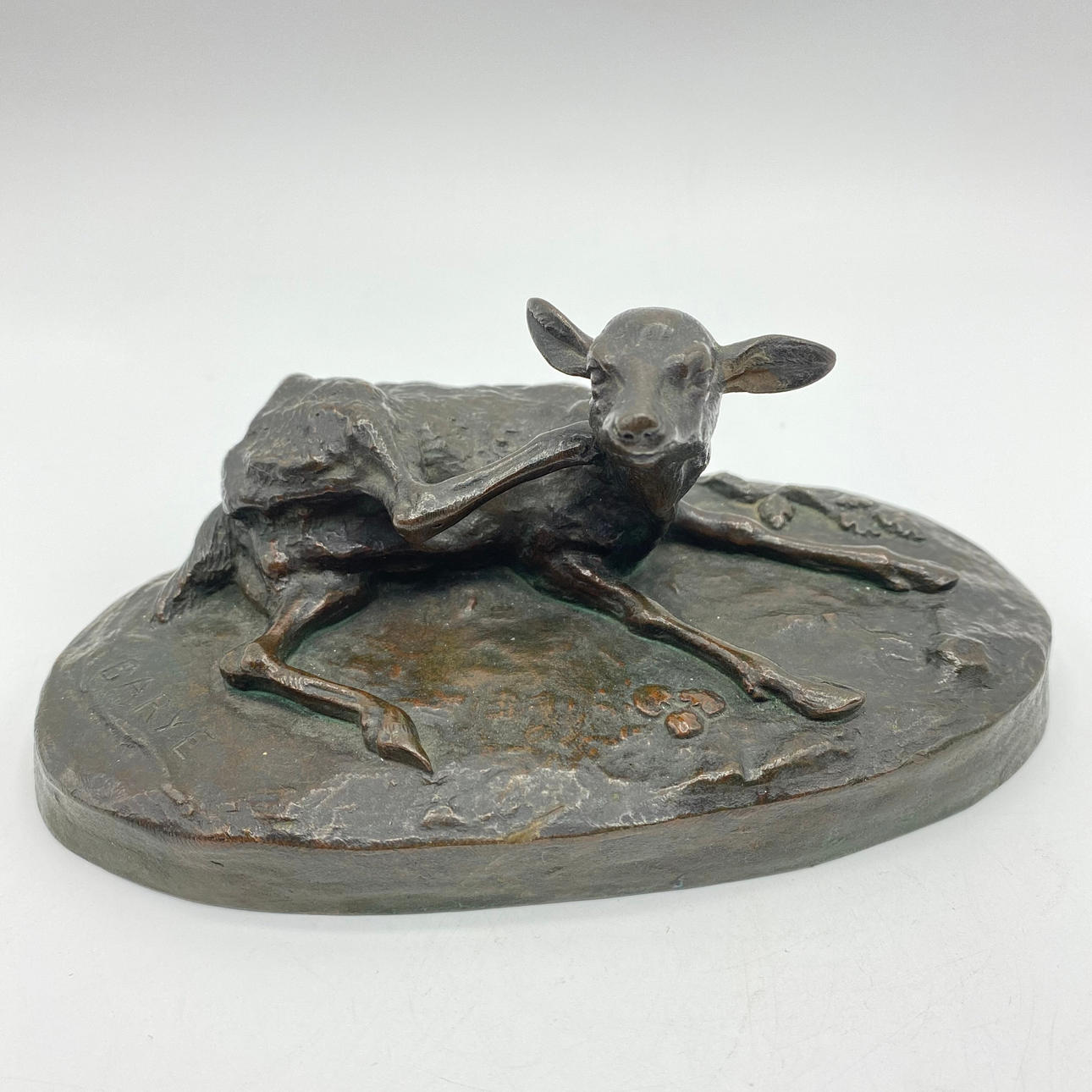
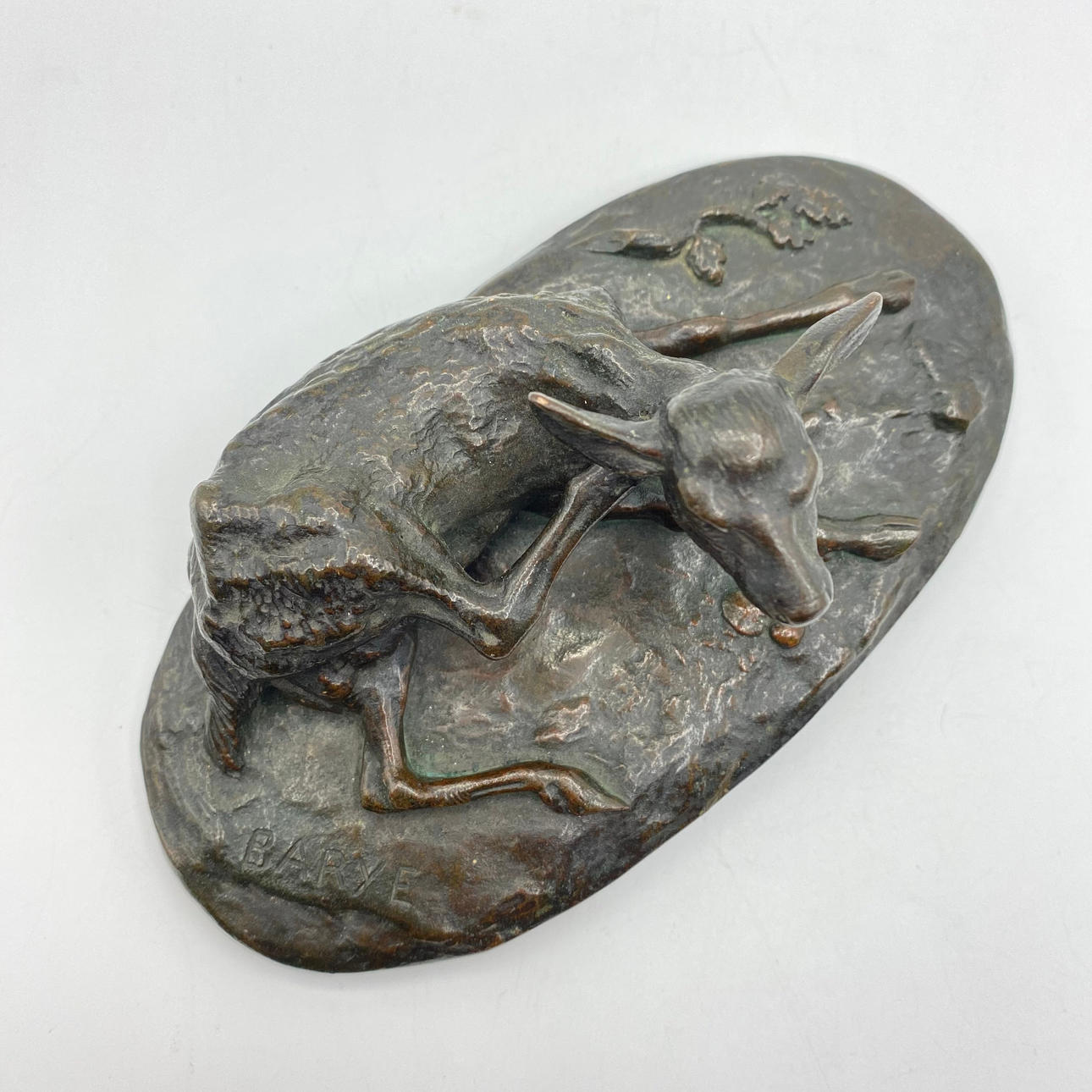
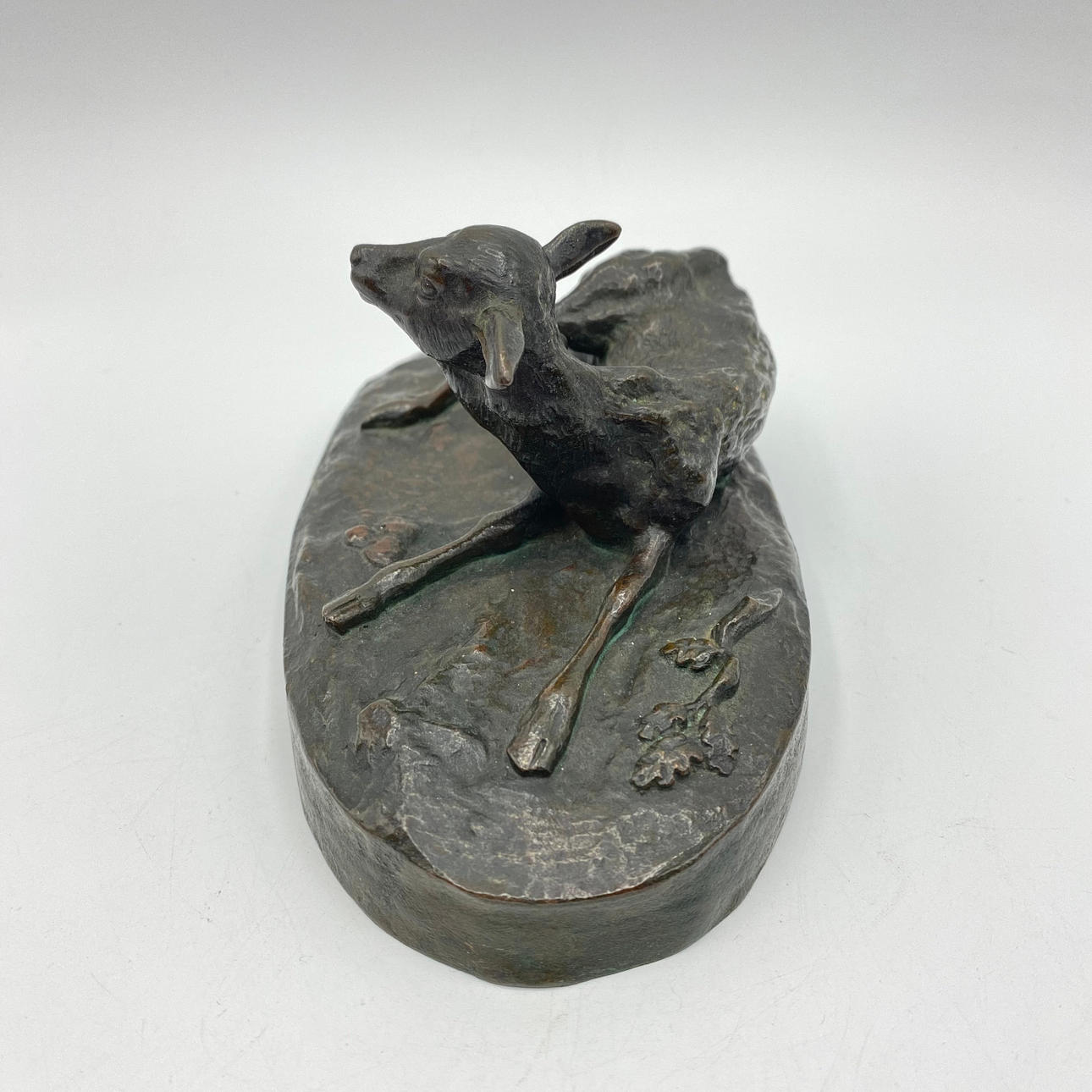
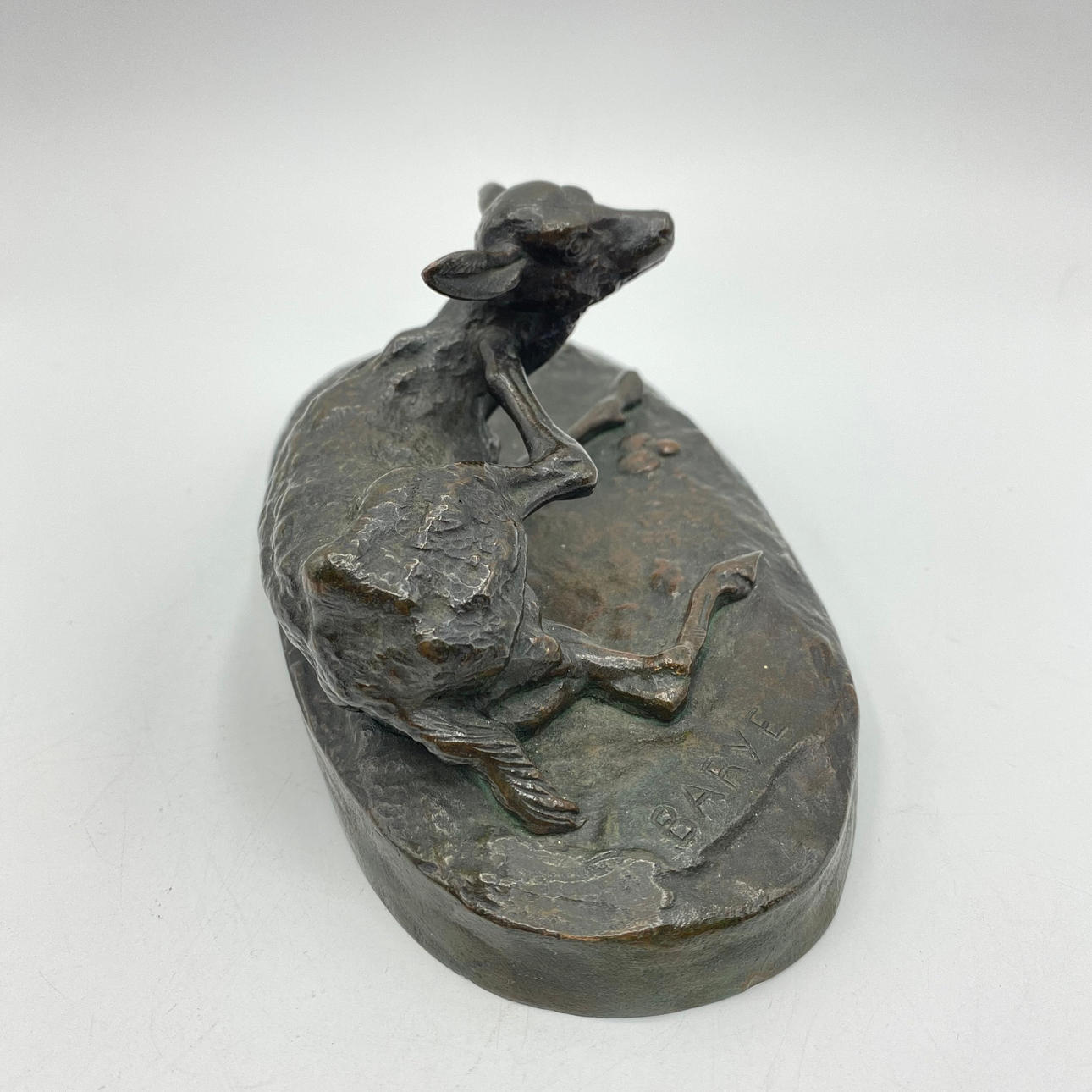
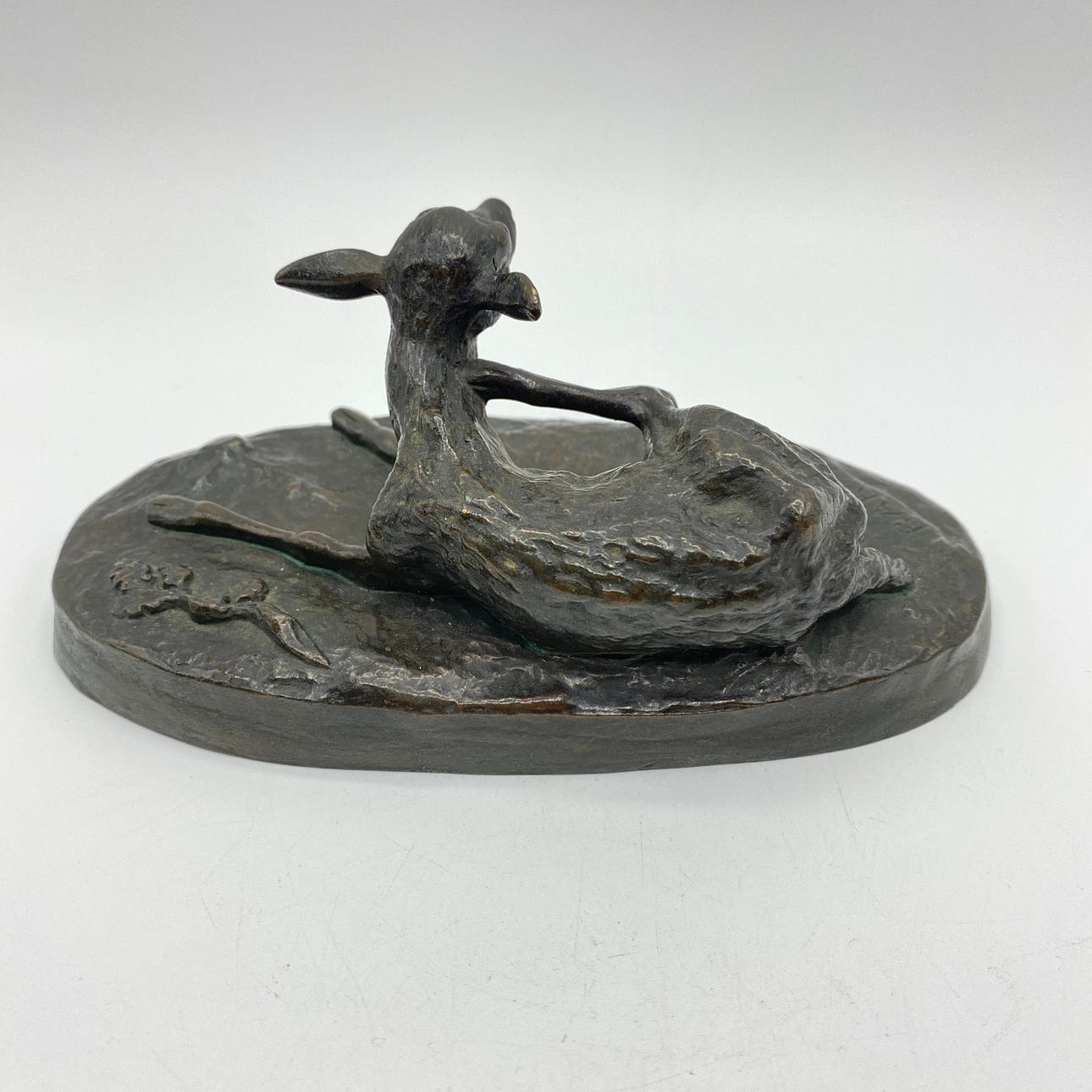
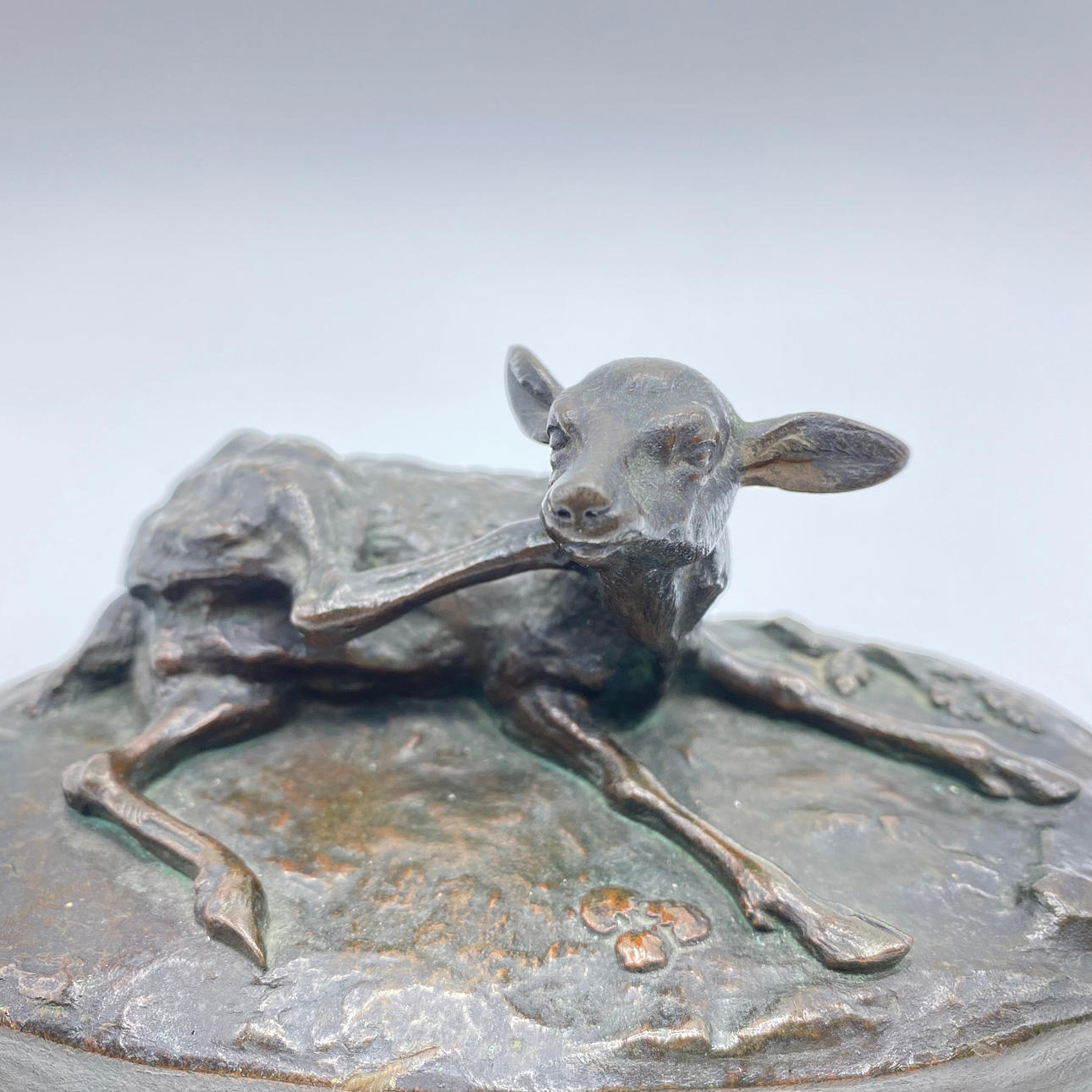
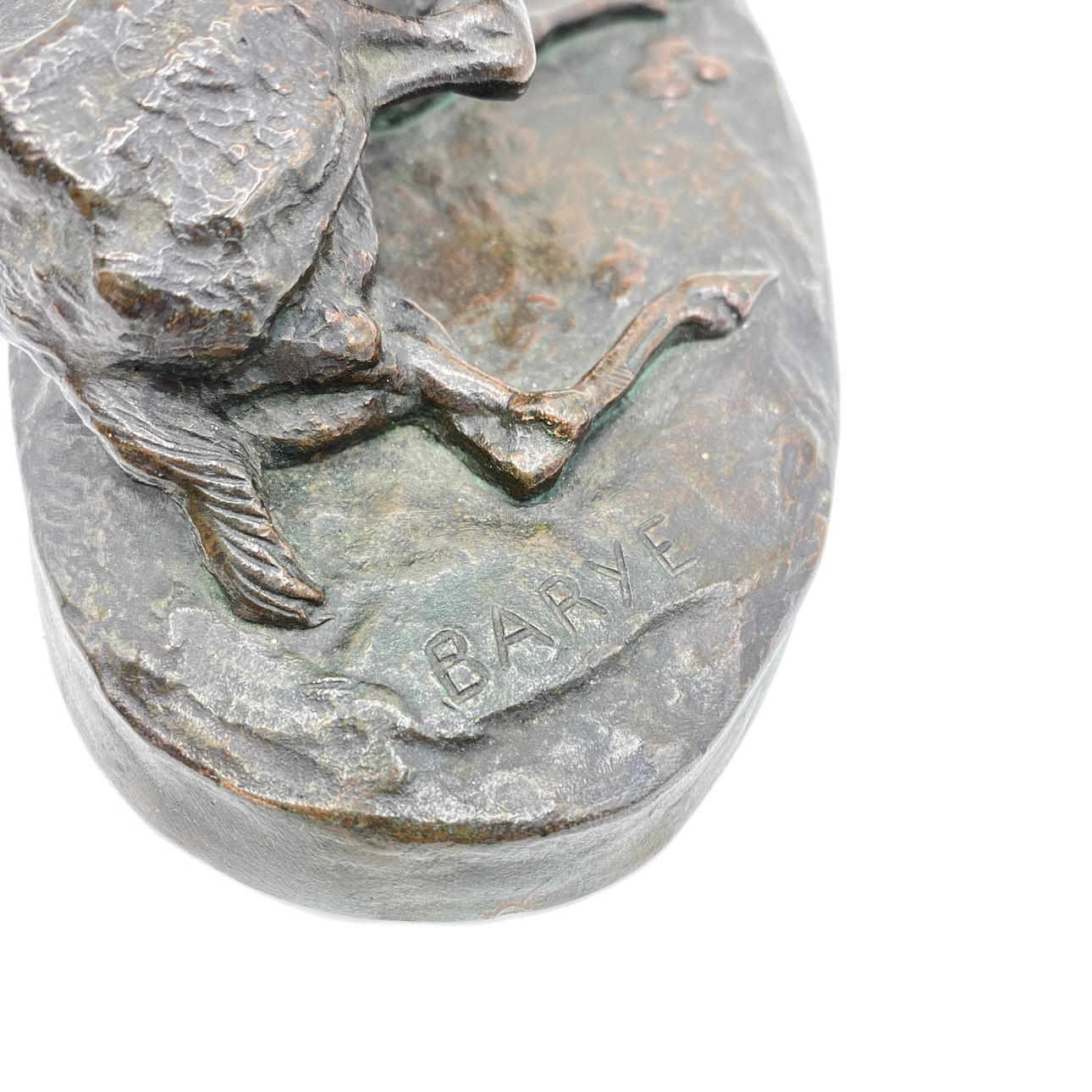
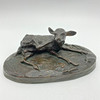
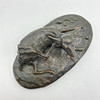
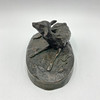
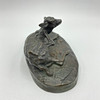
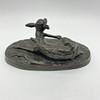
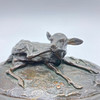
Bronze Fawn by Antoine-Louis Barye, Signed, 19th century
In 1809, at the age of 14, Barye began his apprenticeship as a metal engraver, but was drafted into the army for the mobilization of the Russian campaign. From the start, Barye worked on the staff of the Corps of Engineers, where he learned to draw and model fortification plans in staff school. In 1814 Barye was released into civilian life and began to learn the trade of chaser. Two years later he came as a student to the sculptor François Joseph Bosio, where he learned artistic modelling. With his recommendation, the painter Antoine-Jean Gros took Barye into his studio in 1817. The following year Barye was able to win a prize at the exhibition of the École national supérieure des beaux-arts de Paris with his relief Milo of Croton fighting a lion.
Since in the following years he was only given praise at the exhibitions of the École des Beaux-Arts and in the Paris Salon and received a bronze medal, Barye henceforth refused to exhibit his works. He got a job with the goldsmith and jeweler Jacques Henri Fauconnier, who, however, passed most of Barye's work as his own. During these years Barye began his animal studies; mostly in the Jardin des Plantes.
It was not until 1831 that Barye presented another work to the public: a tiger tearing apart a crocodile, and with this sculpture established his reputation as an animal artist. With the bronze lion tearing a snake, he surpassed himself and was therefore knighted in the Legion of Honour. One of his best customers in those years was the Duke of Orléans, for whom he created, among other things, several centerpieces with different groups of animals.
Among the best of the other works produced over the next few years are the relief of the lion at the pedestal of the July Column, a dead gazelle for the Duke of Orléans and a young lion prostrating a horse. Among his other works, almost all of which are cast in bronze, Lapith fighting the centaur stands out for the dramatic power of its depiction. There are also several small equestrian statues and statuettes from different periods of his life, as well as the somewhat too eccentric equestrian statue of Napoleon I for Ajaccio in 1864. The Museum des Luxembourg preserves a significant number of his models and small bronzes. In addition to these pictorial works, Barye also successfully pursued watercolor painting, etching and lithography. As a sculptor, he was one of the keenest champions of realism, which knew how to combine an intense study of nature with great boldness of conception.
Antoine-Louis Barye is the father of the sculptor Alfred Barye. Antoine-Louis Barye died on June 27, 1875 at the age of almost 80. He was buried in the Père Lachaise Cemetery.
Dimensions: approx. 16x7 cm.
Condition
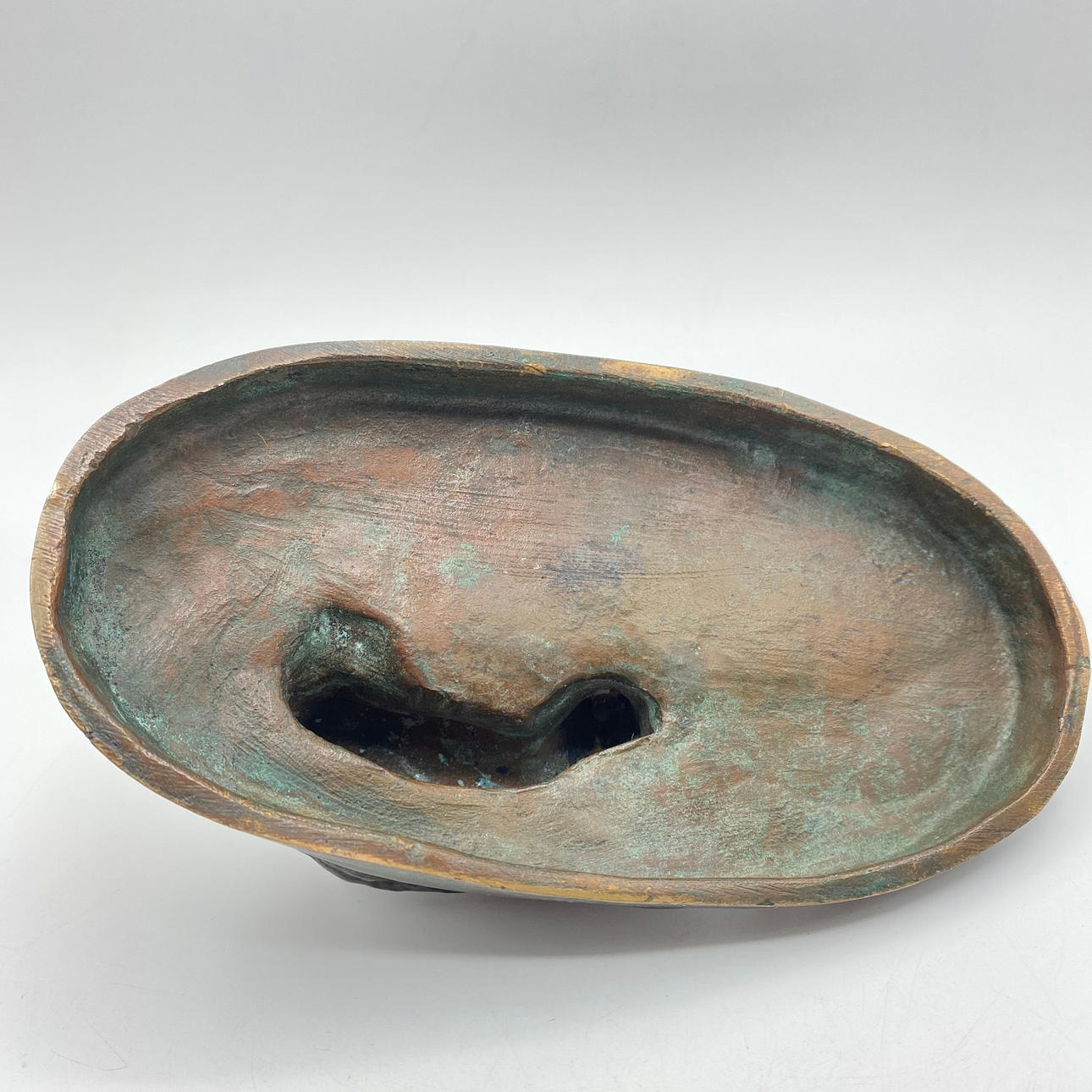
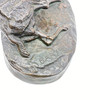
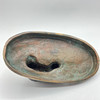
Age and signs of wear, see pictures.
Resale right
Do you have something similar to sell? Get your items valued free of charge!
Description
Bronze Fawn by Antoine-Louis Barye, Signed, 19th century
In 1809, at the age of 14, Barye began his apprenticeship as a metal engraver, but was drafted into the army for the mobilization of the Russian campaign. From the start, Barye worked on the staff of the Corps of Engineers, where he learned to draw and model fortification plans in staff school. In 1814 Barye was released into civilian life and began to learn the trade of chaser. Two years later he came as a student to the sculptor François Joseph Bosio, where he learned artistic modelling. With his recommendation, the painter Antoine-Jean Gros took Barye into his studio in 1817. The following year Barye was able to win a prize at the exhibition of the École national supérieure des beaux-arts de Paris with his relief Milo of Croton fighting a lion.
Since in the following years he was only given praise at the exhibitions of the École des Beaux-Arts and in the Paris Salon and received a bronze medal, Barye henceforth refused to exhibit his works. He got a job with the goldsmith and jeweler Jacques Henri Fauconnier, who, however, passed most of Barye's work as his own. During these years Barye began his animal studies; mostly in the Jardin des Plantes.
It was not until 1831 that Barye presented another work to the public: a tiger tearing apart a crocodile, and with this sculpture established his reputation as an animal artist. With the bronze lion tearing a snake, he surpassed himself and was therefore knighted in the Legion of Honour. One of his best customers in those years was the Duke of Orléans, for whom he created, among other things, several centerpieces with different groups of animals.
Among the best of the other works produced over the next few years are the relief of the lion at the pedestal of the July Column, a dead gazelle for the Duke of Orléans and a young lion prostrating a horse. Among his other works, almost all of which are cast in bronze, Lapith fighting the centaur stands out for the dramatic power of its depiction. There are also several small equestrian statues and statuettes from different periods of his life, as well as the somewhat too eccentric equestrian statue of Napoleon I for Ajaccio in 1864. The Museum des Luxembourg preserves a significant number of his models and small bronzes. In addition to these pictorial works, Barye also successfully pursued watercolor painting, etching and lithography. As a sculptor, he was one of the keenest champions of realism, which knew how to combine an intense study of nature with great boldness of conception.
Antoine-Louis Barye is the father of the sculptor Alfred Barye. Antoine-Louis Barye died on June 27, 1875 at the age of almost 80. He was buried in the Père Lachaise Cemetery.
Dimensions: approx. 16x7 cm.
Condition
Age and signs of wear, see pictures.
Resale right
Do you have something similar to sell? Get your items valued free of charge!