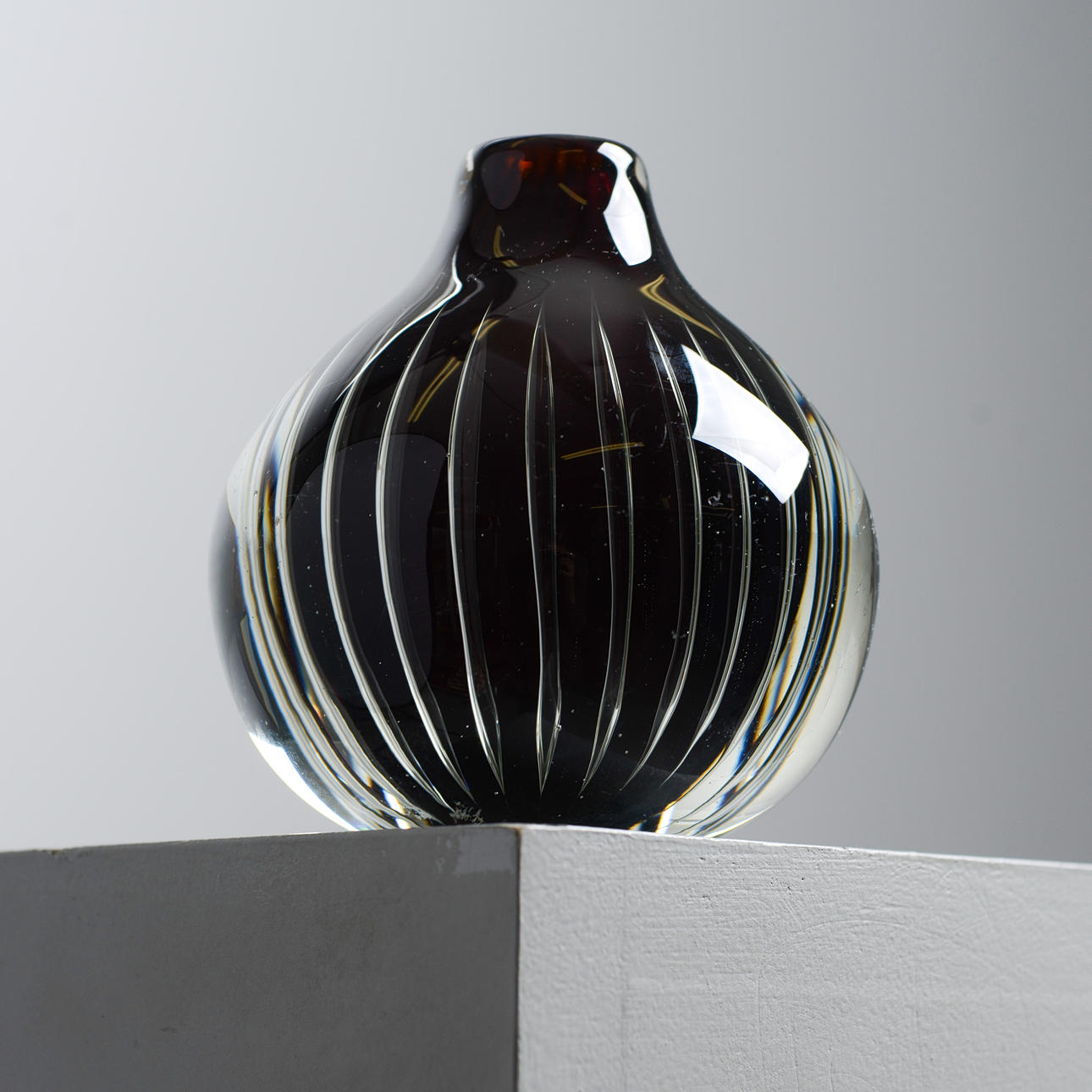
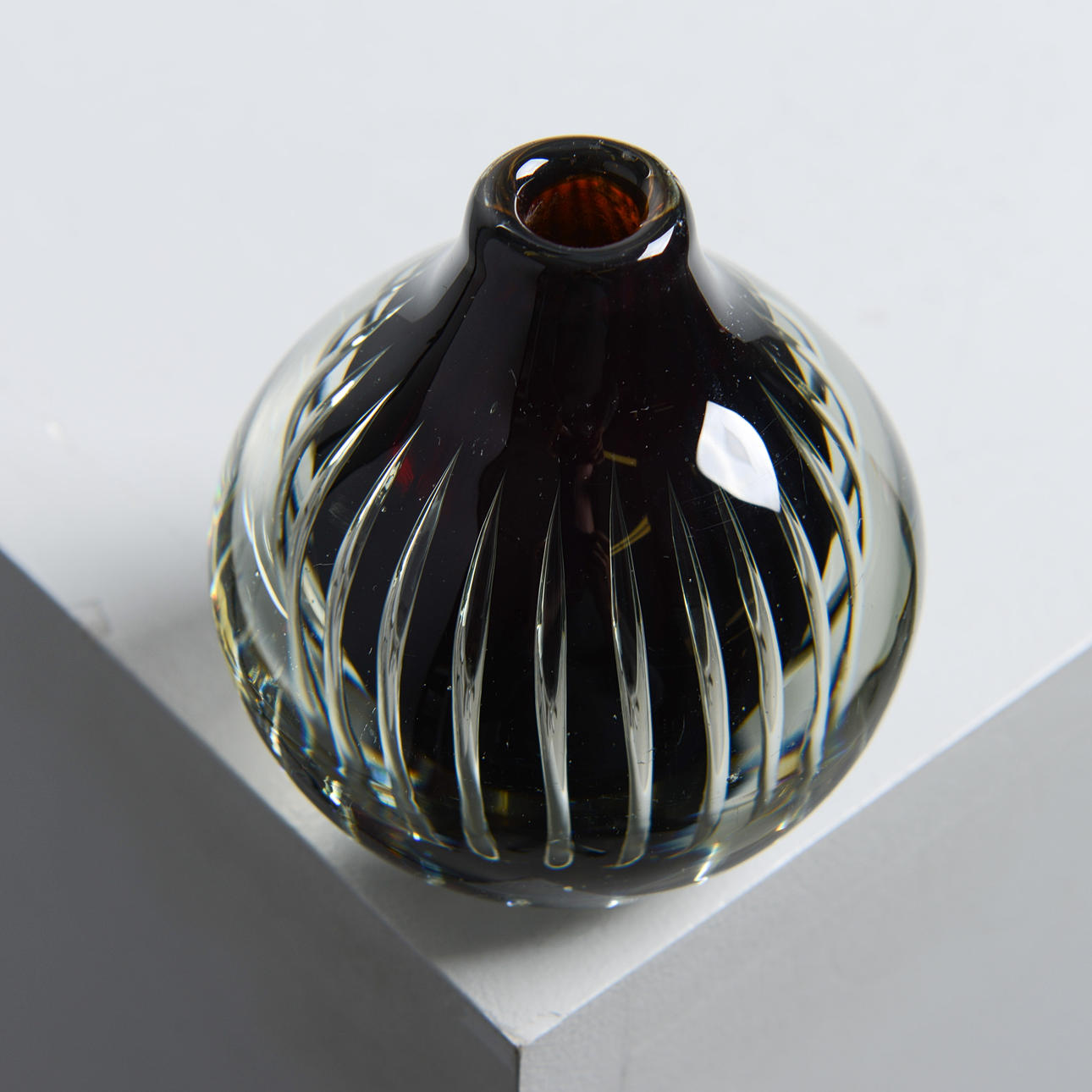
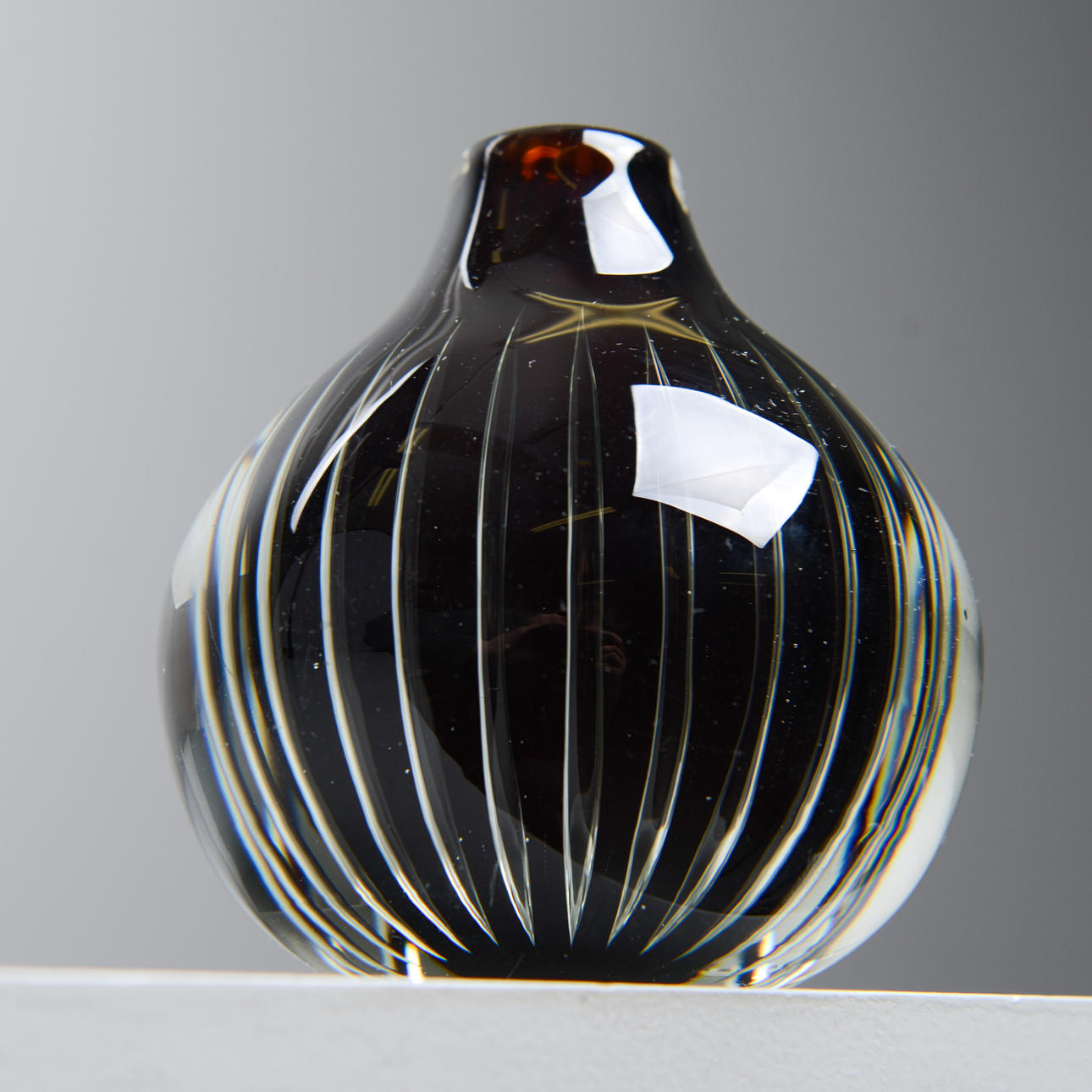
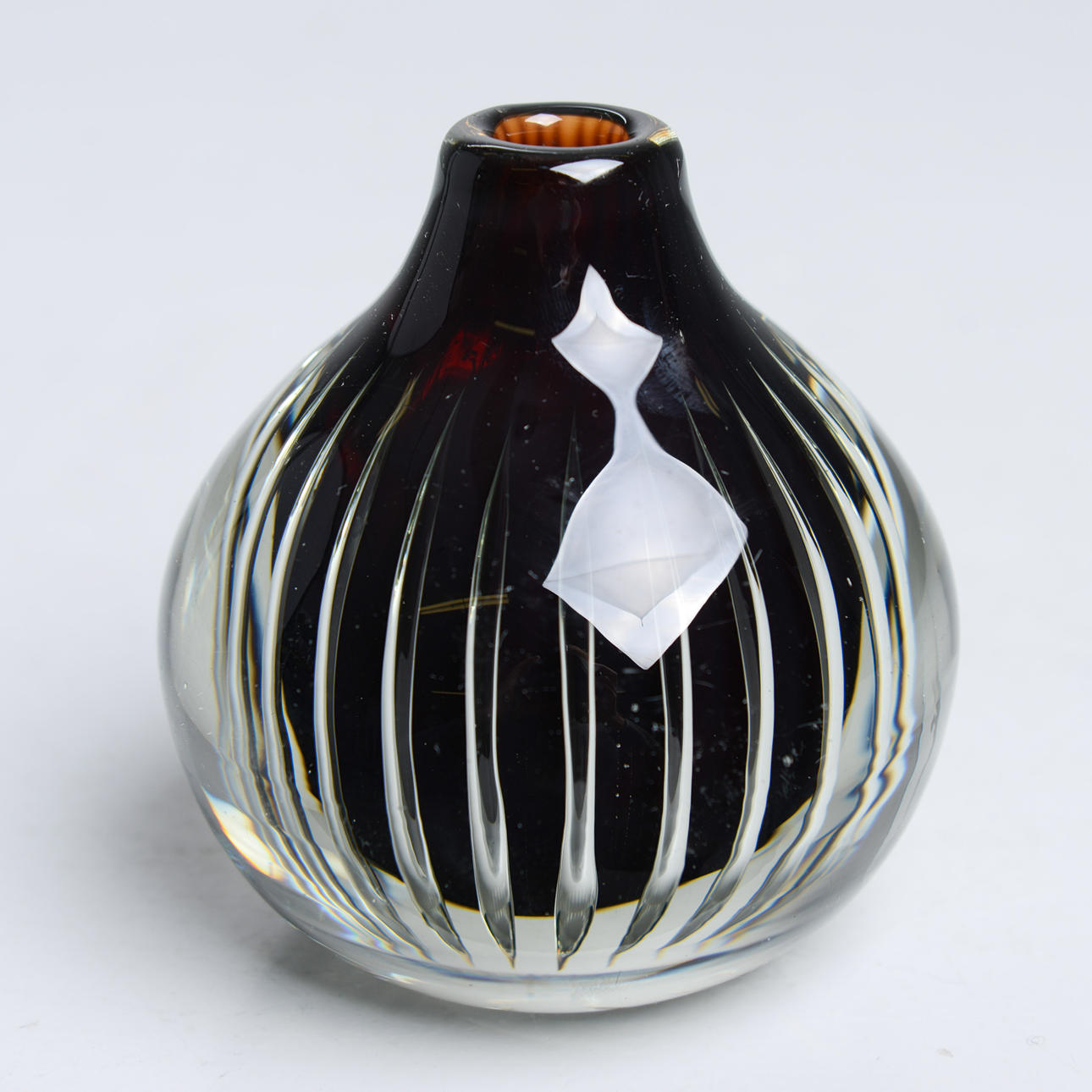
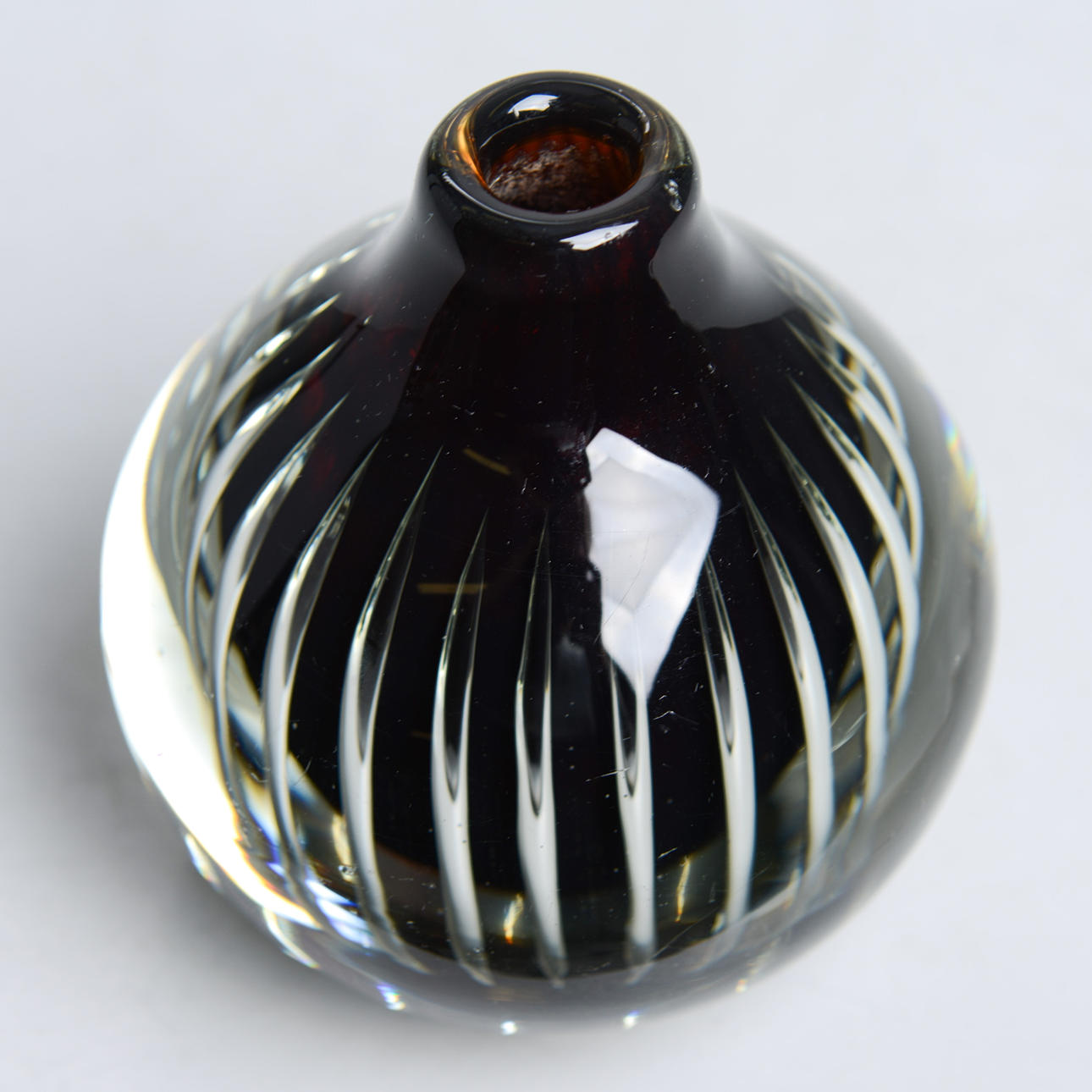
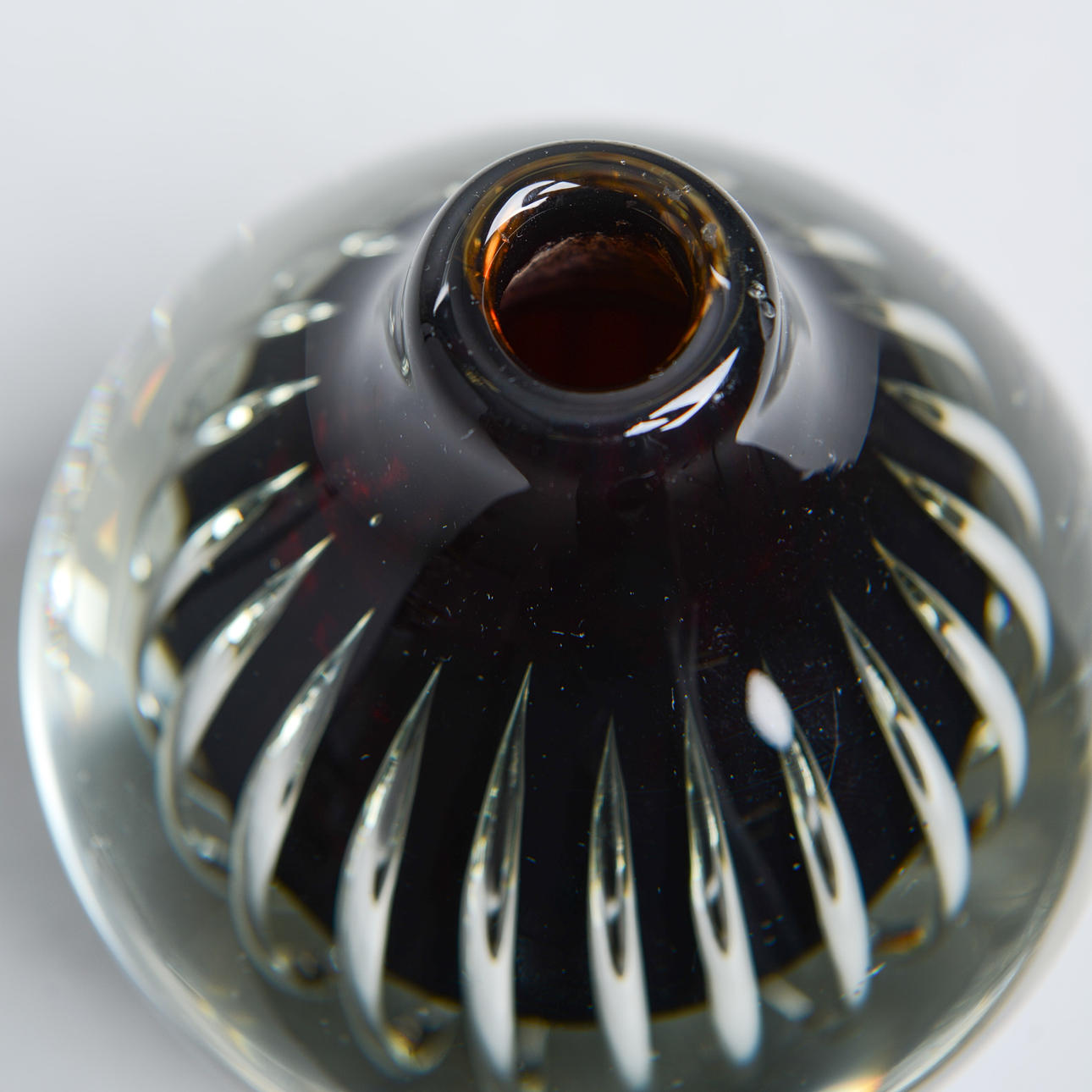
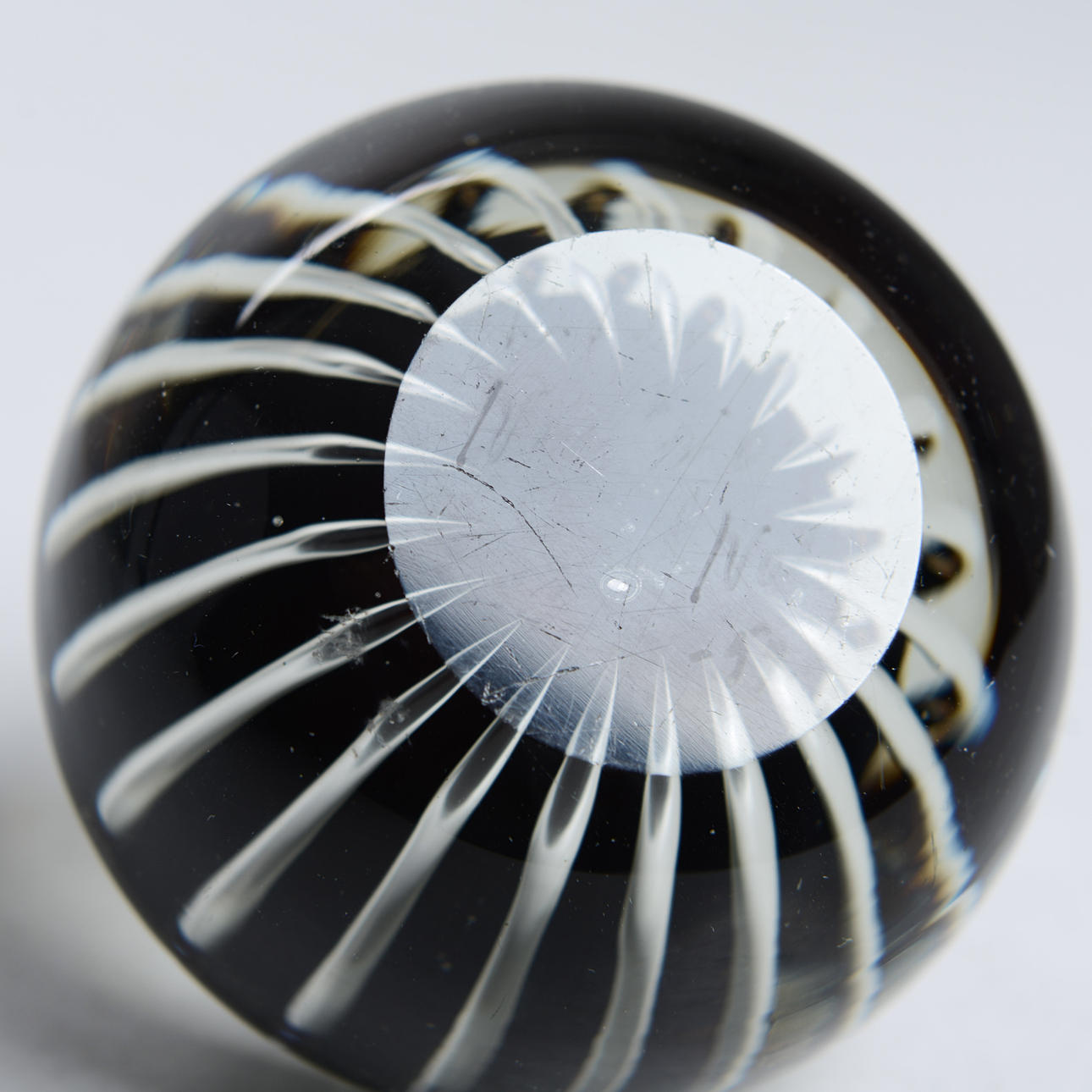
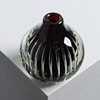
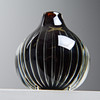
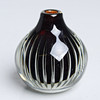
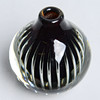
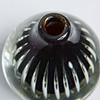
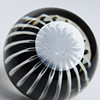
KAJ FRANCK. “Kaisla”, a vase, Notsjö, signed and dated -52.

Images
Description
Crystal glass with air filigree. Height 9 cm.
Kaj Franck (1911-1989) was one of the most important Finnish designers of the post-war period and a central figure in Nordic modernism. He was educated at the Finnish School of Art and Design in Helsinki and worked in several fields early on, but it was in ceramics and glass that he formulated his most profound contribution to the history of design in the 20th century.
Franck is mainly associated with his activities at Arabia and Nuutajärvi. His aesthetics were deeply rooted in the ideals of functionalism but shifted towards a social and ecological awareness. Franck regarded design as an ethical responsibility. The object would be necessary, sustainable and democratically accessible. He opposed abundance, stressing that beauty is found in the functional and motivated. This stance earned him the epithet the conscience of Finnish design.
In the field of glass, in parallel, he developed a more experimental expression. For Nuutajärvi he worked with both working and art glass, exploring the optical and tactile qualities of the material. In the art glasses, a more sensual and color-dramatic side emerges, with bubbles, recessed metals and filigree technique, while the utility series is characterized by restrained clarity and thinness in which the material almost dissolves into light.
As an educator and artistic director at the Finnish School of Art and Design, he contributed greatly to the renewal of design education in Finland. He emphasized process, material knowledge, and interdisciplinary work rather than style. For him, design was not the creation of objects but the solution of problems. Through his consistent reduction of form and his pursuit of long-term sustainability, he articulated a modernism that was not merely aesthetic but also moral.
Condition
Minor wear and tear, some minor scratches on the underside.
Resale right
Theme
Description
Crystal glass with air filigree. Height 9 cm.
Kaj Franck (1911-1989) was one of the most important Finnish designers of the post-war period and a central figure in Nordic modernism. He was educated at the Finnish School of Art and Design in Helsinki and worked in several fields early on, but it was in ceramics and glass that he formulated his most profound contribution to the history of design in the 20th century.
Franck is mainly associated with his activities at Arabia and Nuutajärvi. His aesthetics were deeply rooted in the ideals of functionalism but shifted towards a social and ecological awareness. Franck regarded design as an ethical responsibility. The object would be necessary, sustainable and democratically accessible. He opposed abundance, stressing that beauty is found in the functional and motivated. This stance earned him the epithet the conscience of Finnish design.
In the field of glass, in parallel, he developed a more experimental expression. For Nuutajärvi he worked with both working and art glass, exploring the optical and tactile qualities of the material. In the art glasses, a more sensual and color-dramatic side emerges, with bubbles, recessed metals and filigree technique, while the utility series is characterized by restrained clarity and thinness in which the material almost dissolves into light.
As an educator and artistic director at the Finnish School of Art and Design, he contributed greatly to the renewal of design education in Finland. He emphasized process, material knowledge, and interdisciplinary work rather than style. For him, design was not the creation of objects but the solution of problems. Through his consistent reduction of form and his pursuit of long-term sustainability, he articulated a modernism that was not merely aesthetic but also moral.
Condition
Minor wear and tear, some minor scratches on the underside.
Resale right
Theme
Payment options for this item
Payment cardsBank transferDelivery
: Provide your locationInfo temporarily unavailableLoading…Provide your location to see transport options and prices.
Oops! Something went wrong.
Please try again in a moment. If it still doesn't work, contact Auctionet support.
Details
- House
- Formstad Auktioner
- Address
Gårdsfogdevägen 16
168 67 Bromma
Sweden- Placement
- Vagn 003