)
Gabrielle Chanel, the inimitable French fashion legend created designs that not only conveyed a cultural epoch but also completely transformed the way women dressed across the shifting pre and post World War II landscape. Whilst the Chanel house might be historically synonymous with the tweed two-piece suit, No.5 fragrance, and Little Black Dress (LBD), it is arguably the classic Chanel (2.55) flap bag, which has transcended the legacy of the mythologised designer herself as a timeless, democratised symbol of fashion luxury. Perhaps the only other design to transcend culture, demographic and fashion is the Levi 501 jean (although not at the same luxury price point.)
History of the Flap Bag
The Chanel 2.55 (Flap) Bag was introduced to the world in February 1955 hence its name 2.55: notably it was only the previous year (1954) that Coco Chanel had launched her ‘fashion comeback,’ staging her first fashion show, since she had been in exile from Paris post WWII. In reaction to what she viewed as Dior’s ‘ornamental’ approach to dressing women, her early 50’s collections aimed to offer women freedom and practicality. Whilst the French fashion critics derided her comeback design direction, the US fashion landscape widely applauded the collections (including the famed two-piece tweed suit) giving Chanel the second career chance she so desired.

An Early edition of the 2:55. The icon is named after its birth month: February 1955 . At this time Coco made her "comeback" after a long period in exile after WWII. © Getty Images
Design Details
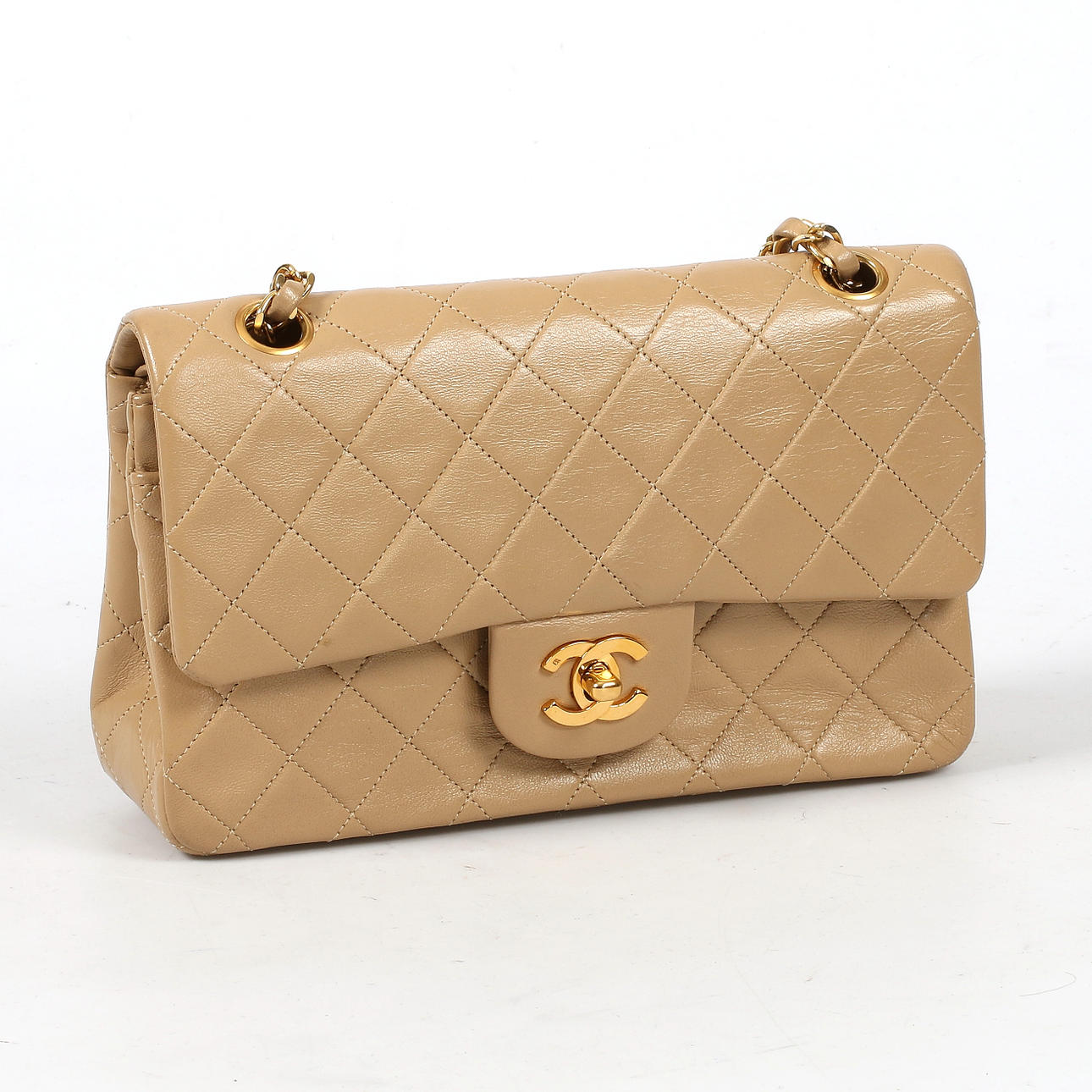
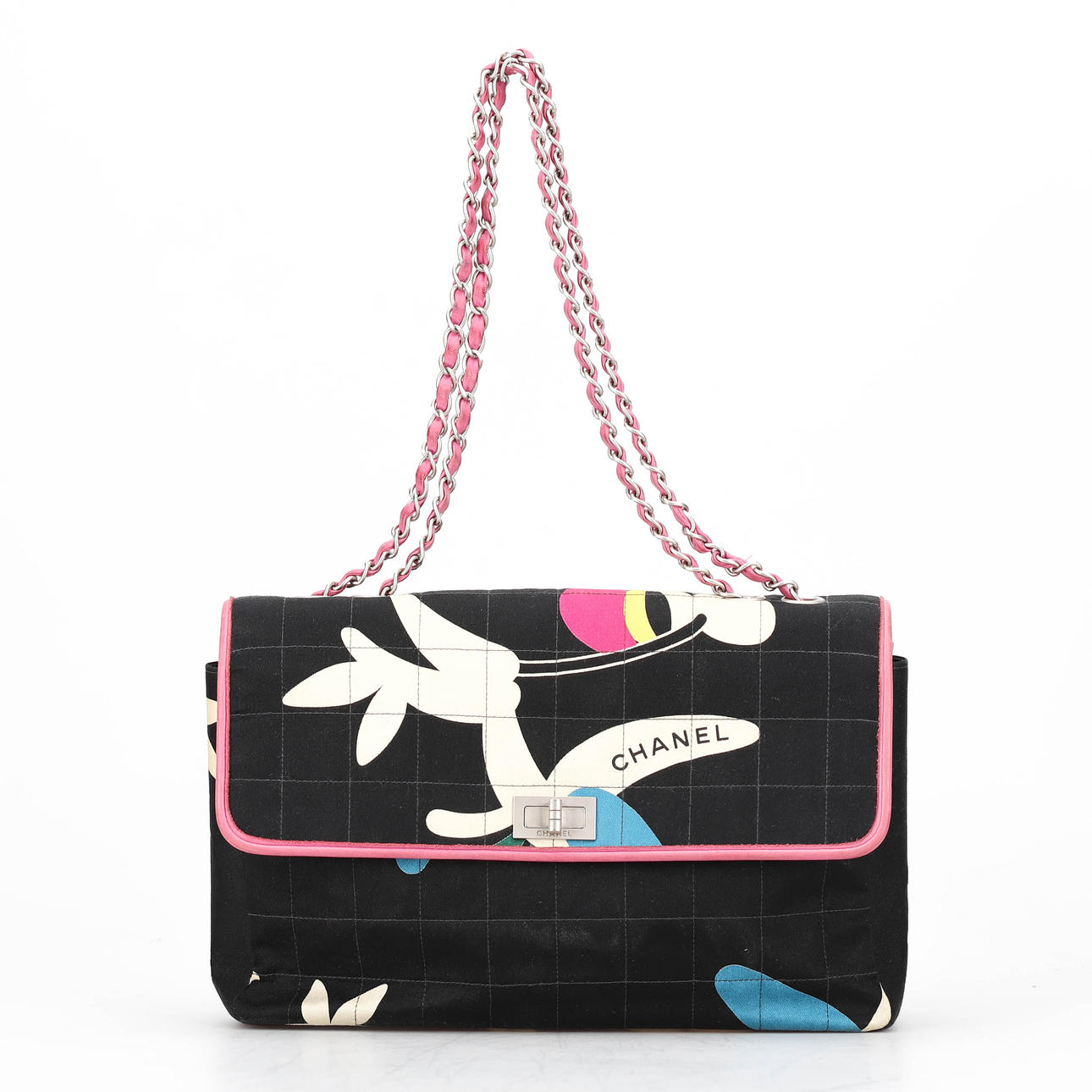
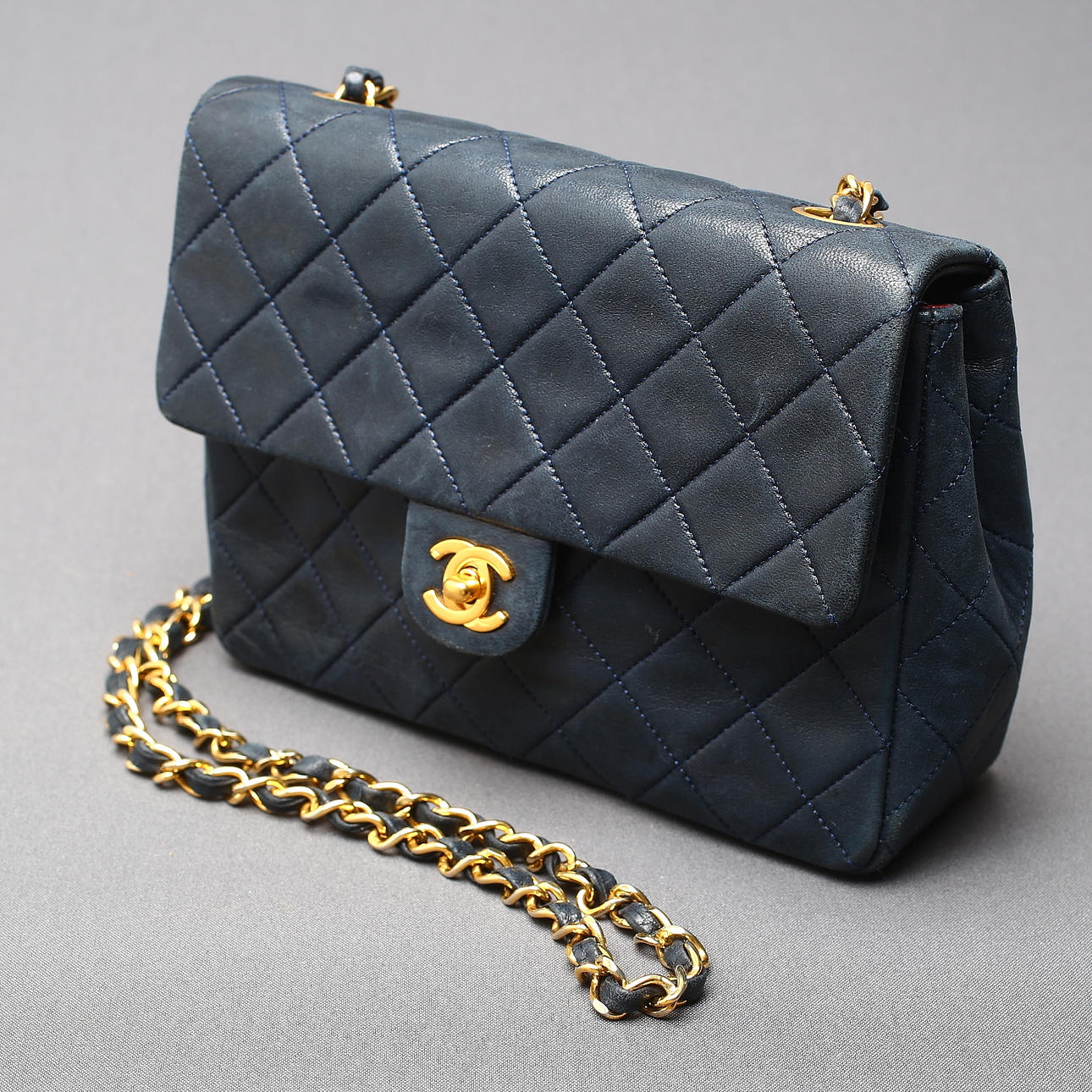
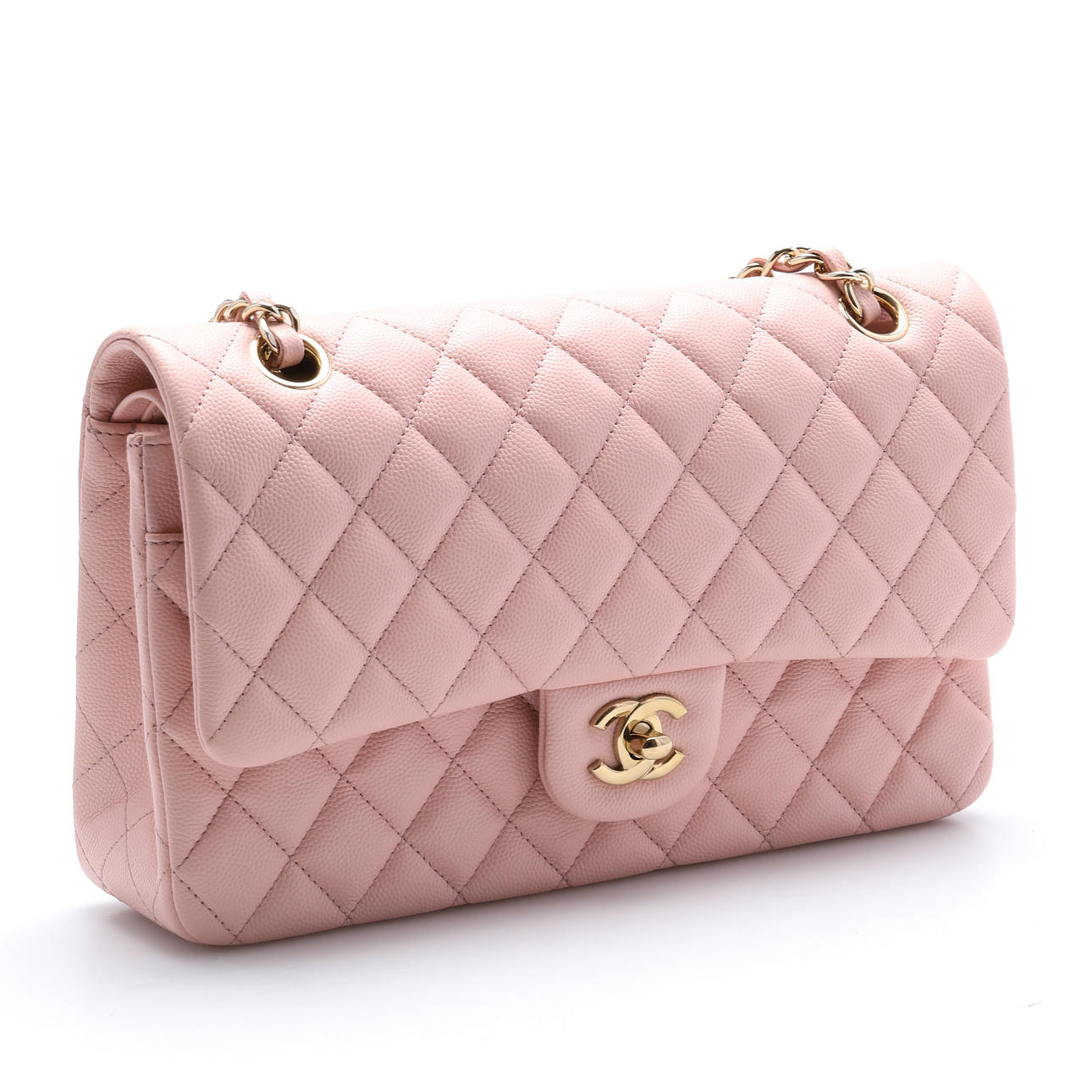
1955’s Chanel Flap bag is now iconic for its simple quilted leather, metal chain interwoven with leather (the 2.55 was the first bag designed to be worn over the shoulder for practicality as opposed to handheld) and CC ‘Mademoiselle Lock.’ However, history has largely diluted, not only how revolutionary the design shape was at the time, but also how the design details are so influenced by many of Gabrielle Chanel’s turbulent early life experiences. This Chanel 2.55 flap bag is the first time the eponymous designer ever used the diamond quilting pattern on an accessory (later also used on the Chanel Boy Bag, Camera Bag, Grand Shopper Tote): the designer noted she was inspired to use the textured material seeing its comfort and functionality on equestrian jackets. The equestrian influence, arguably, dates back to her time in the saddle through two of her very earliest lovers: wealthy nobleman, Etienne Balsan, first taught the orphaned Chanel how to ride, later supporting her to open her first hat shop in Paris.
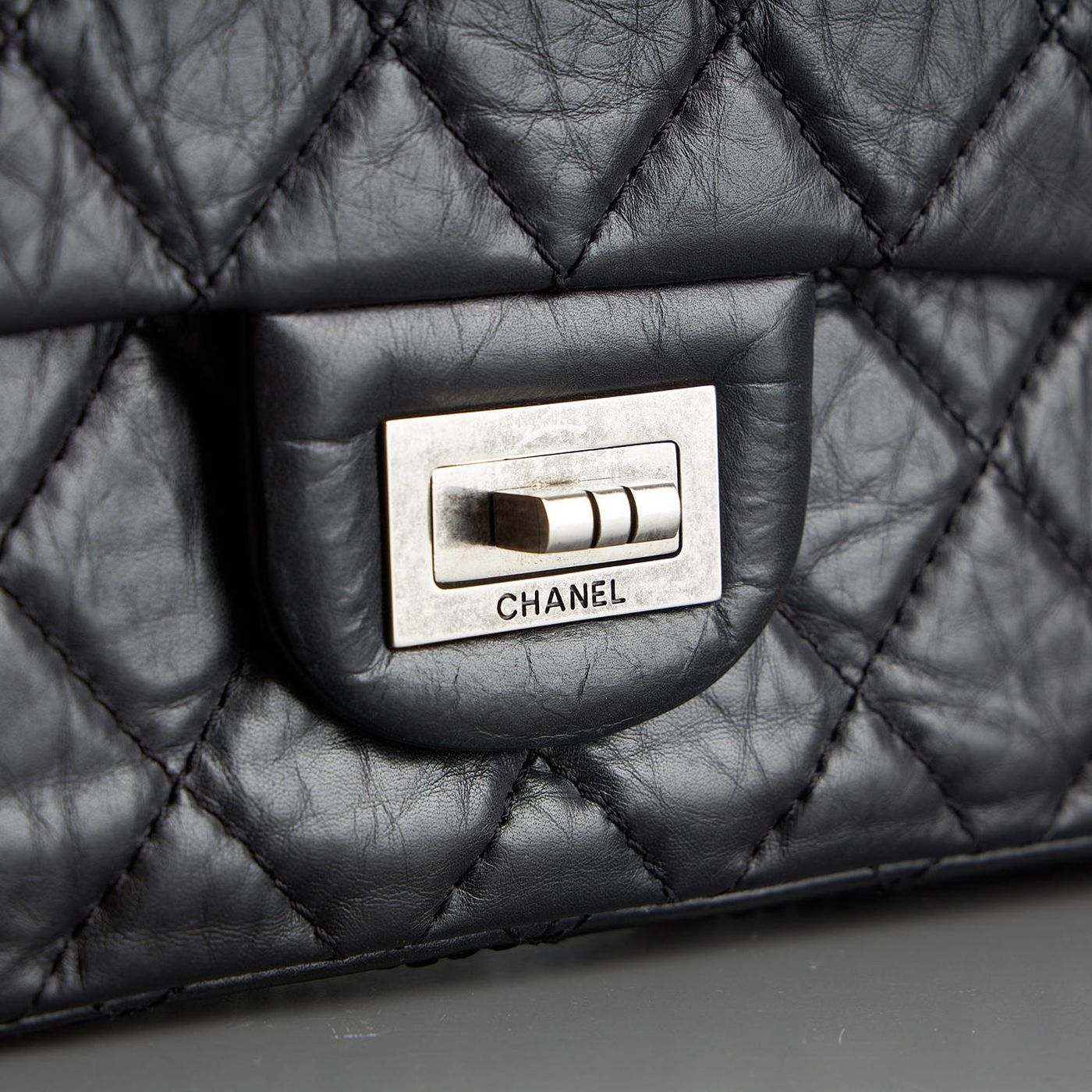
A Chanel 2.55 with the "Mademoieselle Lock"
Her first hat designs mirrored the helmet style structured hats Balsan had worn in the saddle. Through Balsan, Chanel met his friend, Arthur ‘Boy’ Capel, an English polo player who became her nine- year lover and who financially supported her first clothing boutiques (her first boutique in fashionable Deauville opened in 1912). It was Capel’s refined, tailored style which influenced many of her early womenswear designs. History has well dissected and documented the misfortunes of Coco Chanel’s personal life: she attributes the bags distinctive rectangular interlock known as the ‘Mademoiselle Lock’ to her life as an unmarried woman whilst the zip pocket underneath the first flap was supposedly designed as a place to secretly store love letters and the other flap was to fit a lipstick. Other notable features, include the burgundy-coloured inner lining, which mirrored the colour of the uniforms during her troubled years in the convent run orphanage.





The Flap Bag Design Evolution
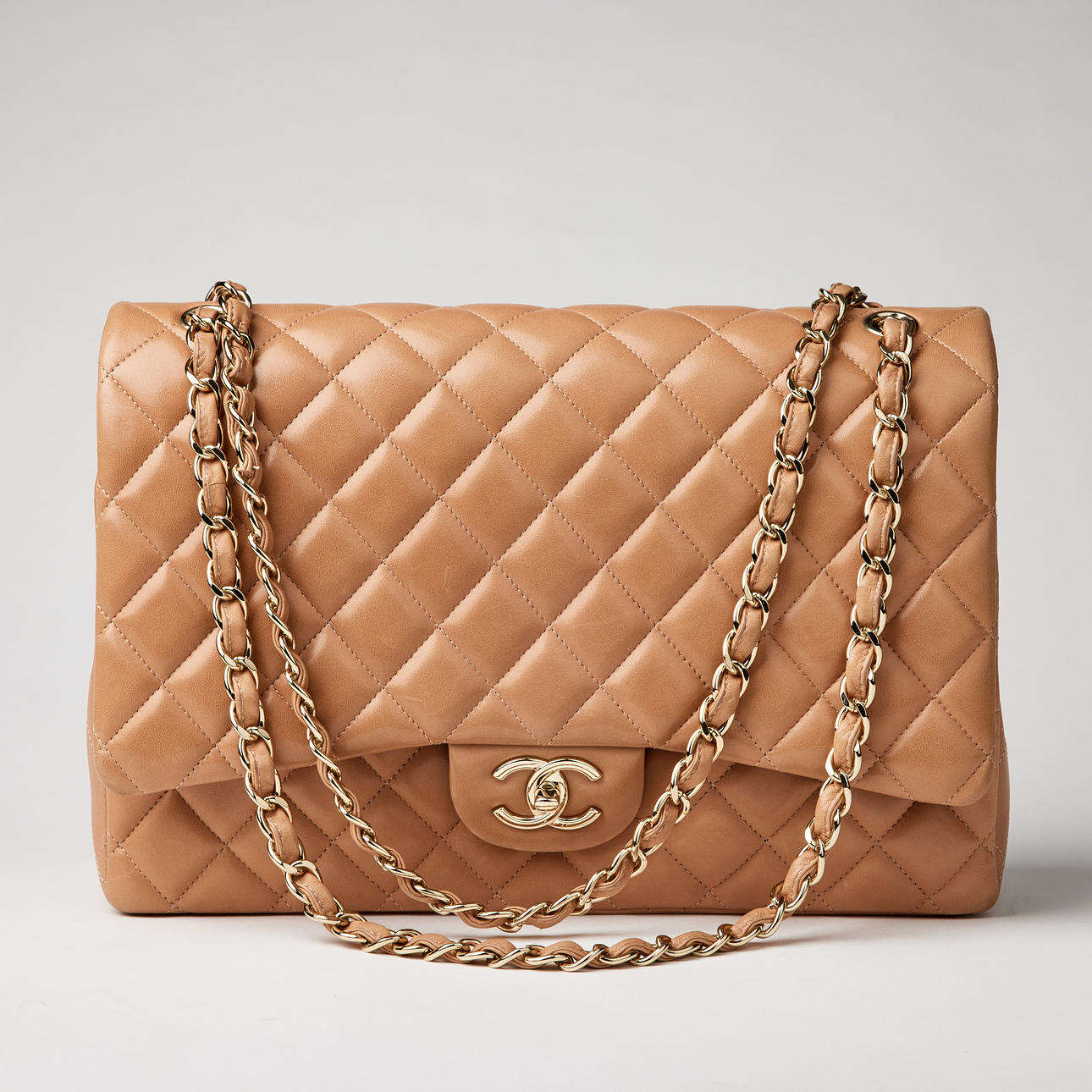
As one of the most seminal design accessories ever made, when new creative director, Karl Lagerfeld, arrived at the then beleaguered Chanel house in the 80’s, intent on modernising for new generations, he turned to the 2.55 bag. He replaced the famed ‘Mademoiselle Lock’ with a ‘CC’ turn lock as well as introducing new materials apart from the pioneering diamond quilting and bright colours: the 80’s flap bag included iterations in velvet, tweed, patent leather, exotic skins and rainbow colours such as bright blue and pink.

A Chanel Flap Bag with the CC turn lock
In 2005, the flap bag got another reiteration named the 2.55 Reissue to mark the 50th anniversary of the eponymous drawing back on the original Chanel design. Along the way many different sizes and iterations have been released including the 11:12 and the Mini Chanel Flap. Directly compared, the 2.55 is, arguably, slightly larger than the ‘classic’ mini Chanel Flap, whilst the 2.55 stands taller and accommodates more items in the interior flaps.
2.55 was initially made in 5 sizes whilst the classic Flap Bag comes in various sizes indicated as 'mini,' 'small,' 'medium,' 'jumbo,'' 'maxi.'
How To Take Care Of Your Chanel Bag
Chanel's bags are still to this day sewn with the same craftmanship as a garment - from the inside out. And therefore are often referred to as 'couturiere's handbags.' Each bag takes over 15 hours and 180 meticulous steps to complete.
As Chanel bag prices both for new luxury purchases (circa £10,000-£5000) and the booming pre-owned luxury market (in 2024 prices increased 6-8%) are now only second to Hermes, Chanel bags are an investment that need to be looked after.
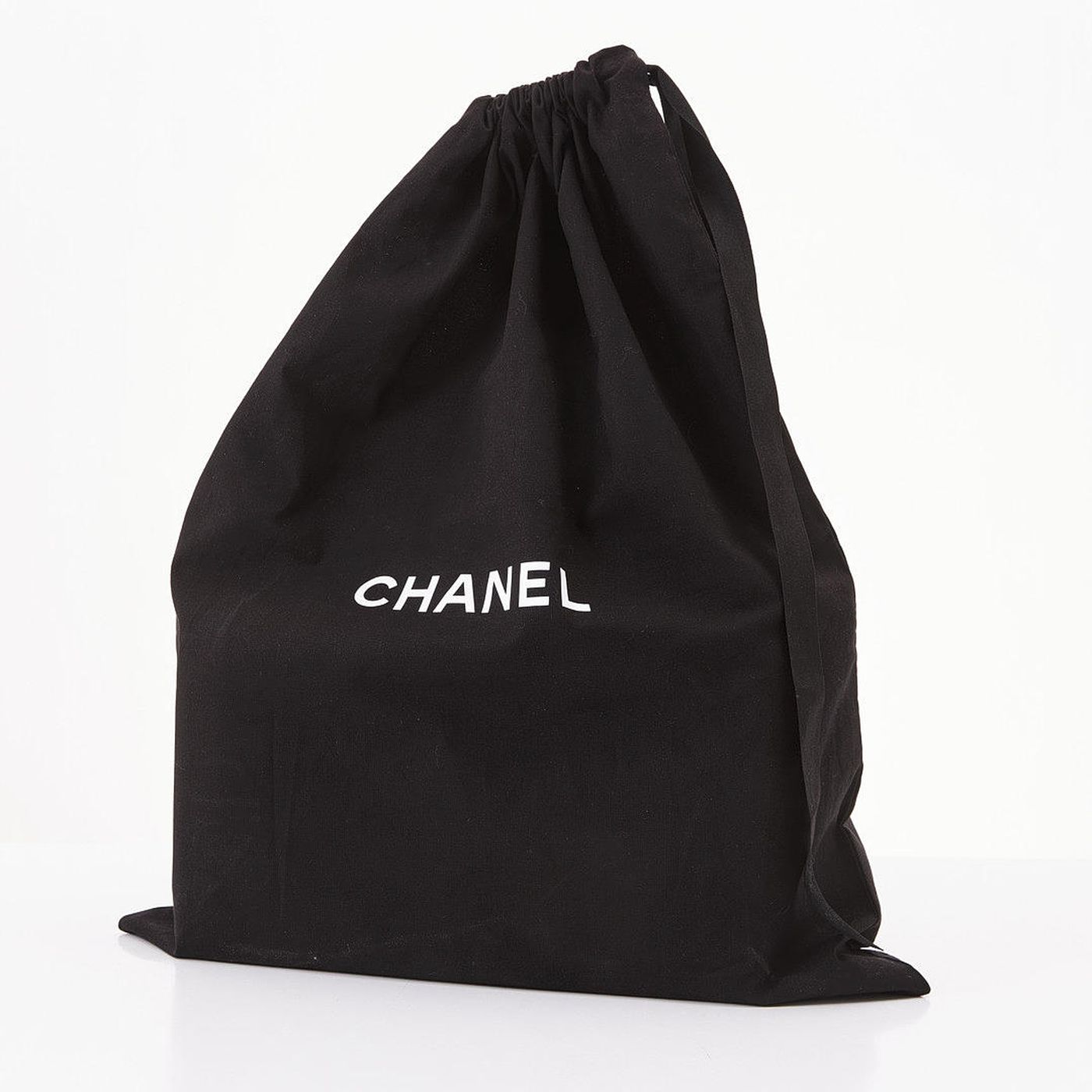
Store your Chanel bag inside a dust bag
Store inside a dust bag (to protect from dust, sunlight). Stand in an upright position. Don't put in a box (it may cause humidity), use a handbag pillow to prevent leather creasing and loss of shape when stored. Make sure to clean your Chanel flap bag for long term maintenance: soft cloth regularly to dust off and periodically condition the leather with a conditioner - make sure to test the conditioner on a small area first. After its sealed, buff the bag to restore its shine and luster.
How To Look For The Age Of A Chanel Flap Bag
Branding, gold plate stamp, hologram and stitching are all the most evident signs of provenance and authenticity and can also reflect the age of the bag. Also original Chanel bags should have a serial number sticker inside the bag interior, which can help determine the production year. Be sure to inspect the hardware too: Chanel stopped using 24K gold plated hardware on their bags in the early 2000's.
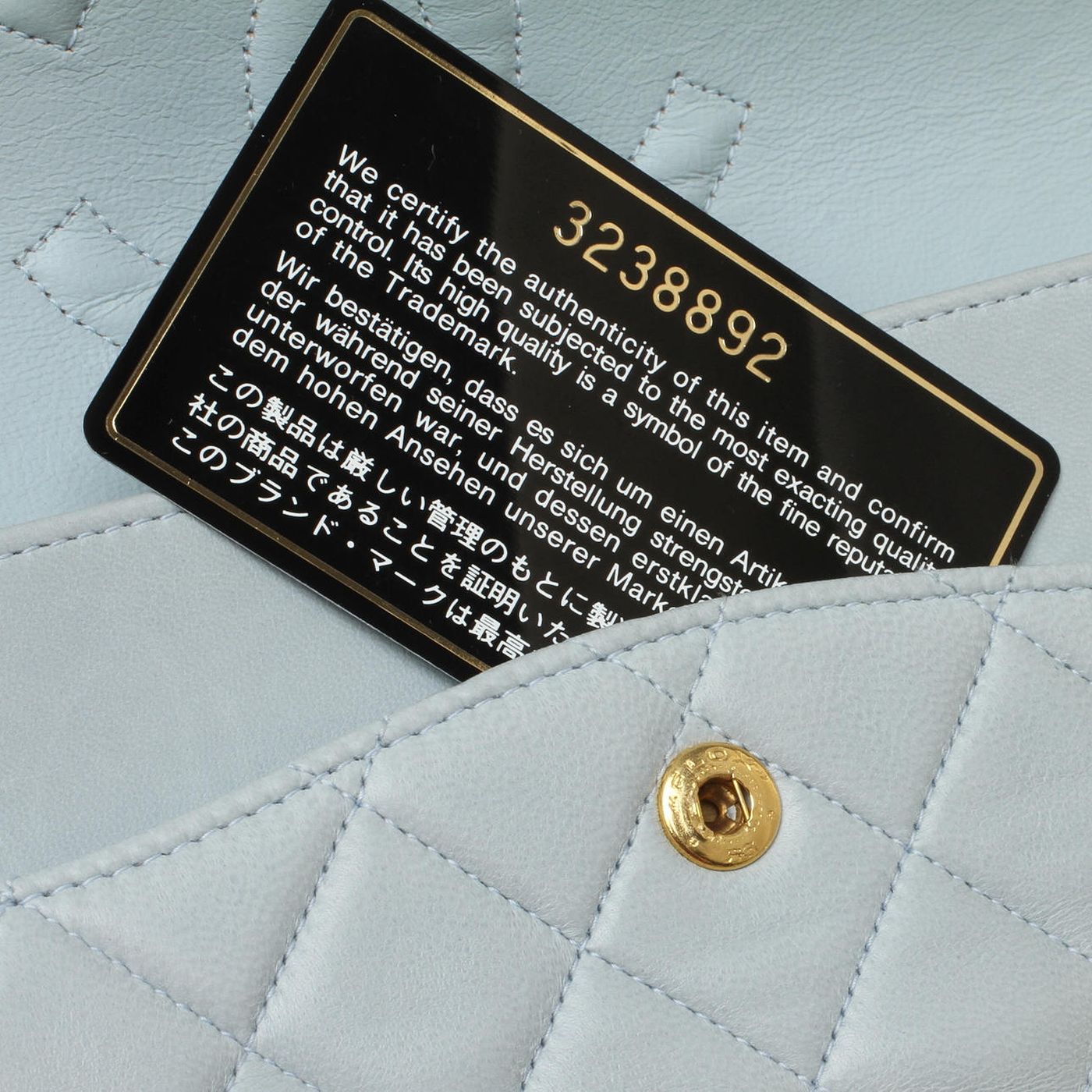
Ultimately, It is best to view the purchase of a pre-loved Chanel Flap Bag as an investment piece: so even if buying vintage 'don't settle!'
Subscribe to the keyword Flap Bag and we'll notify you when new items appear at auction.

)