BRAUN/HOGENBERG, Vesontio, 1623.
This auction is closed, but maybe you like the following items?

Images
Description
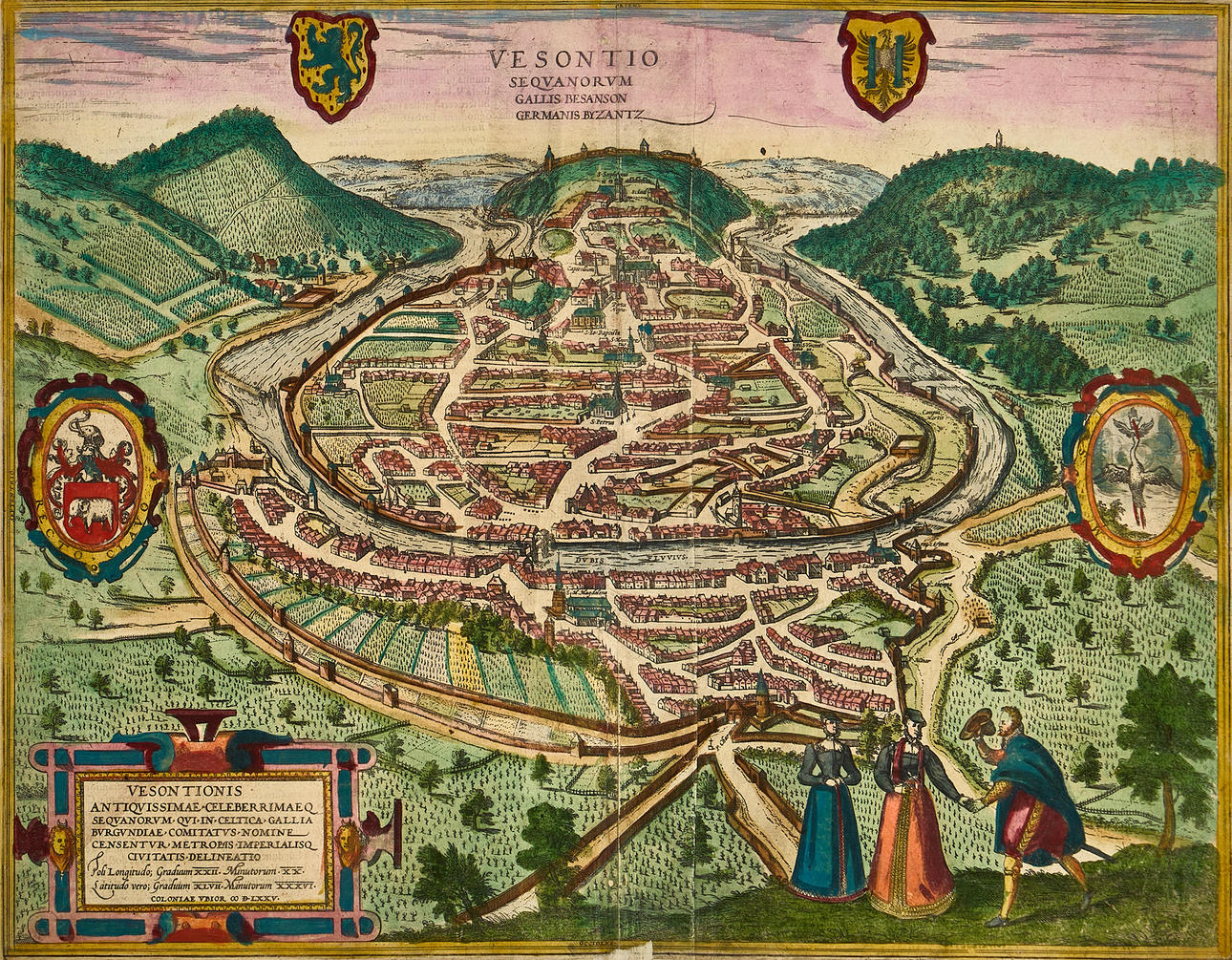
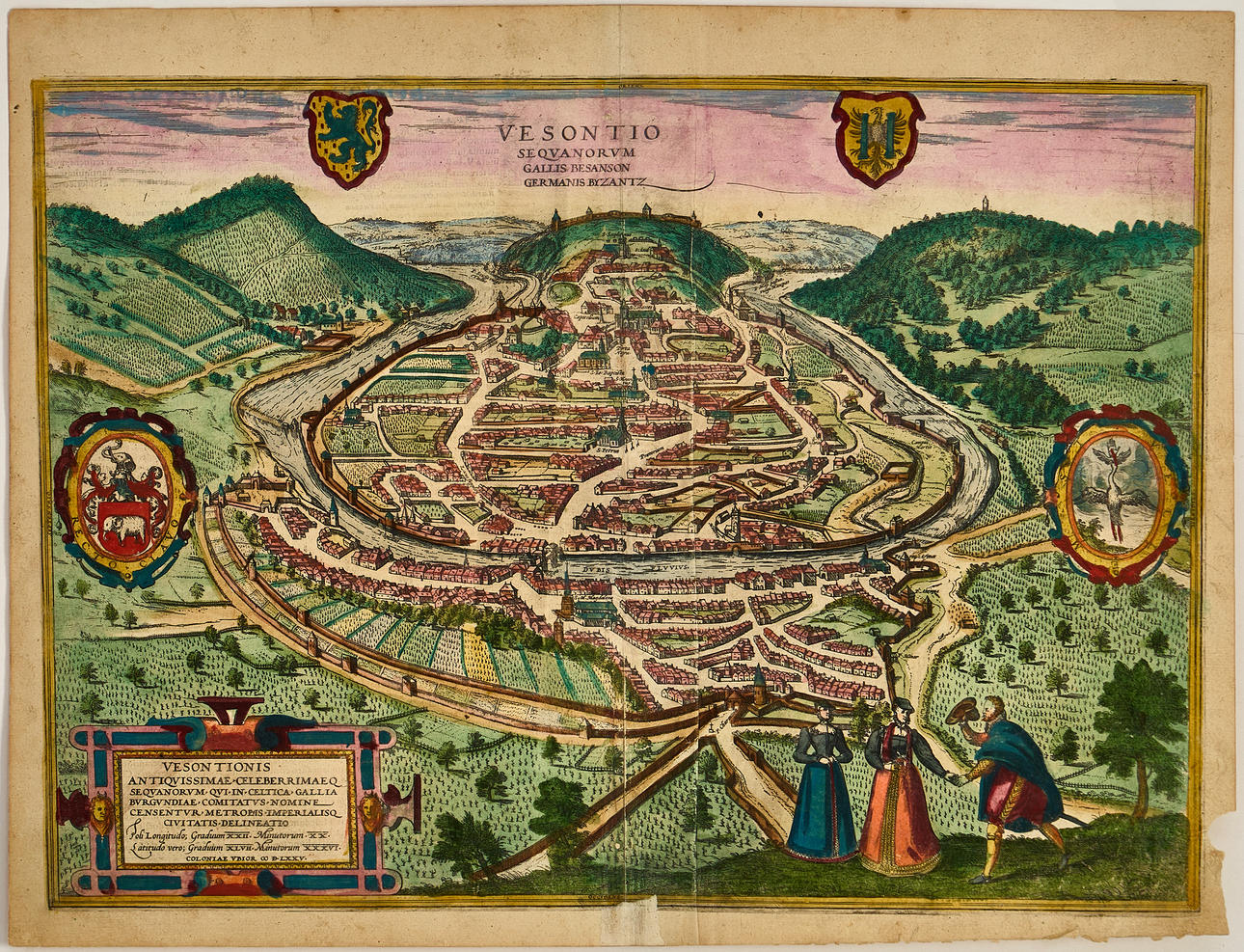
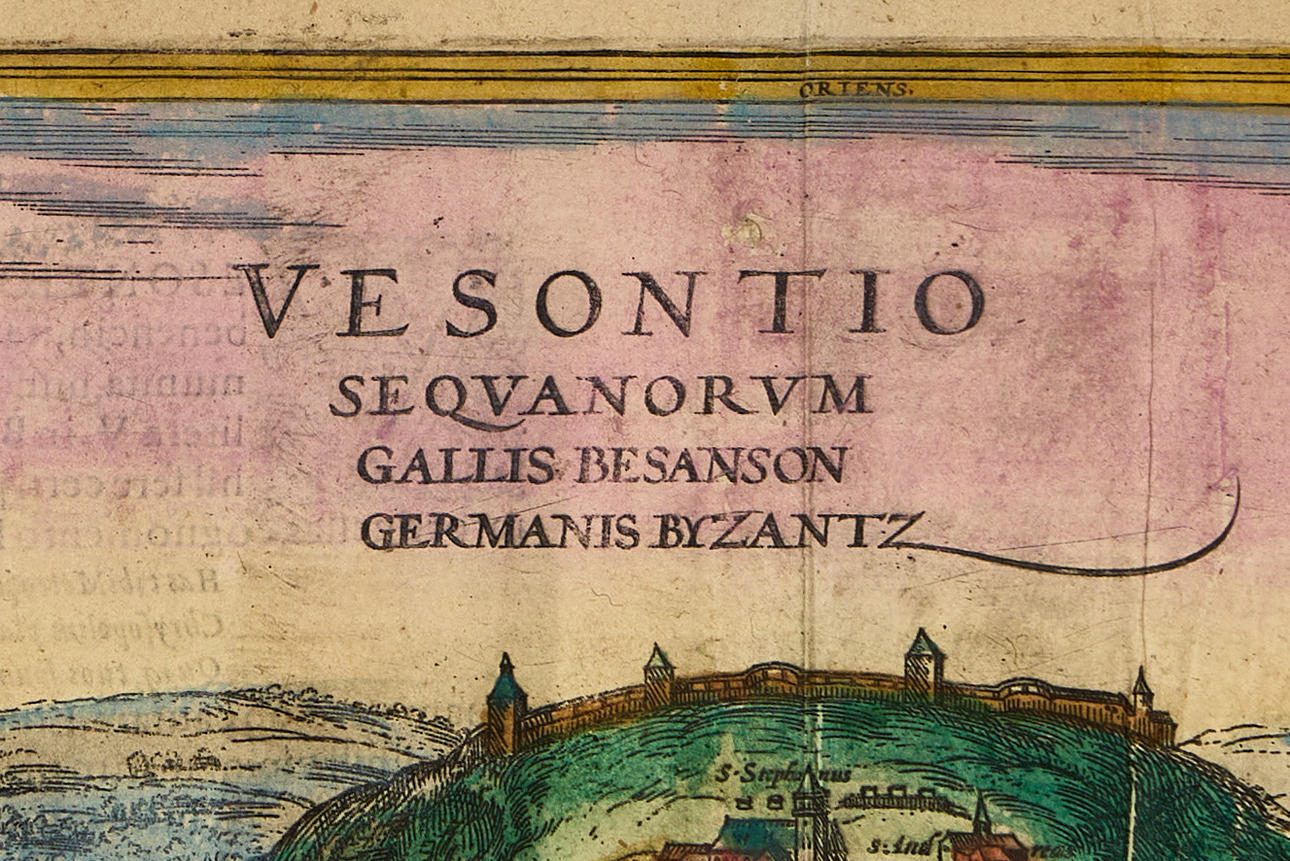
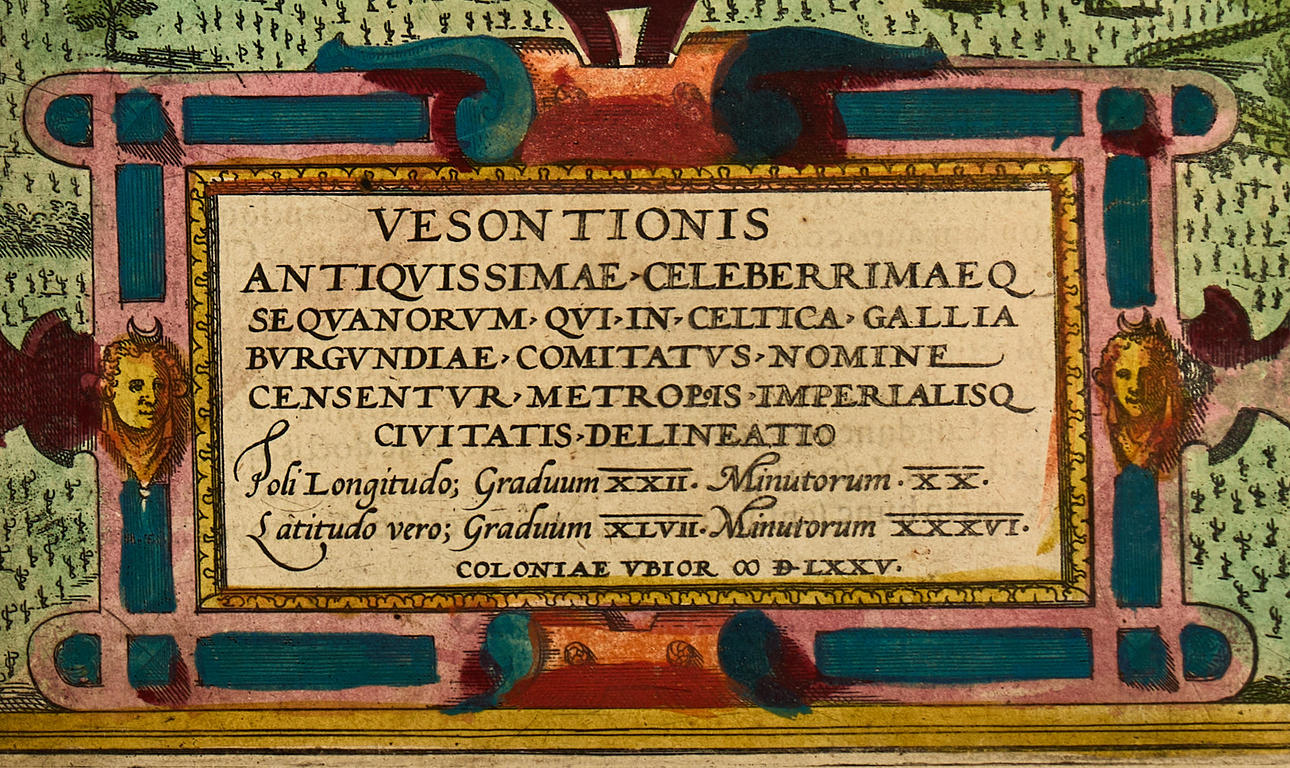
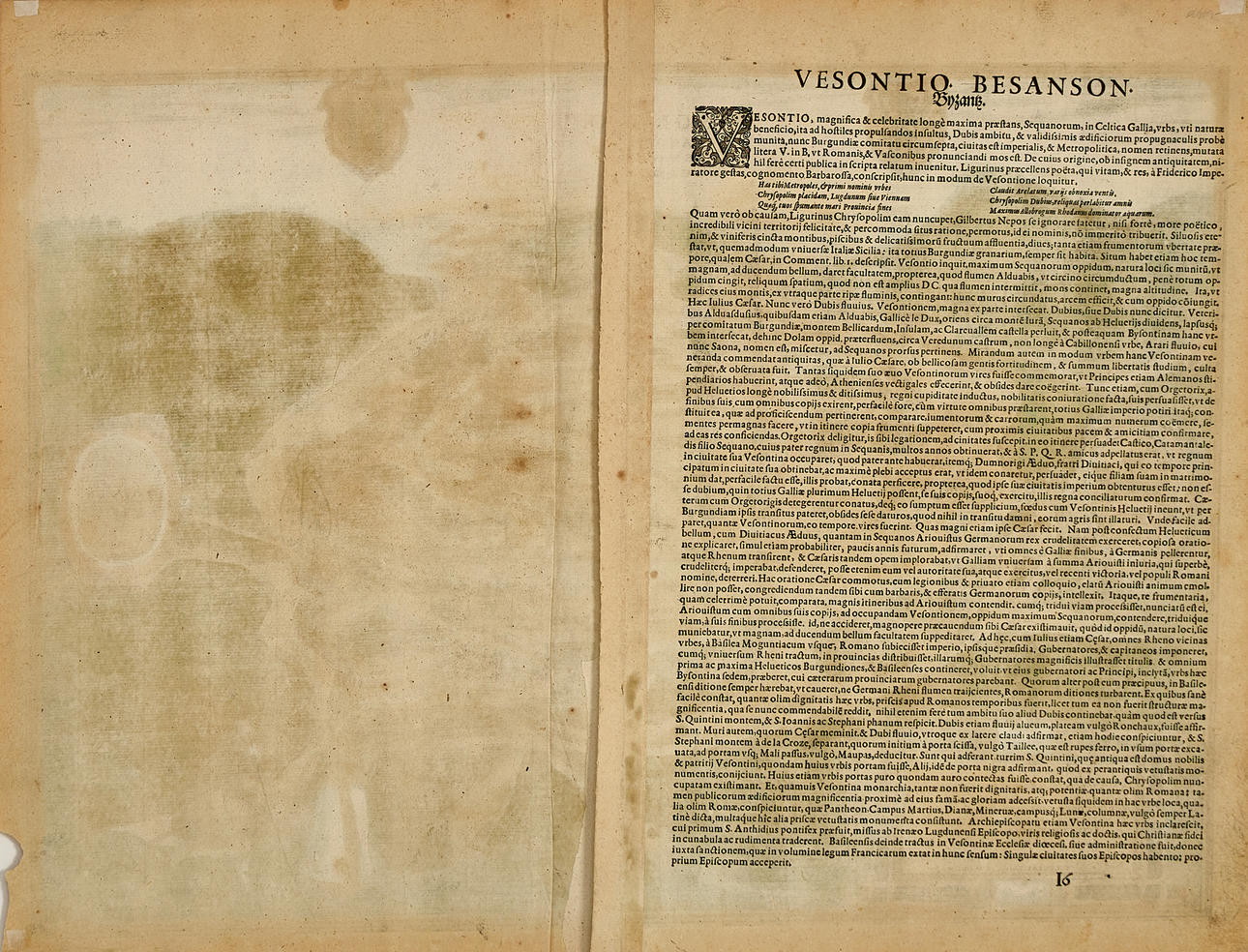
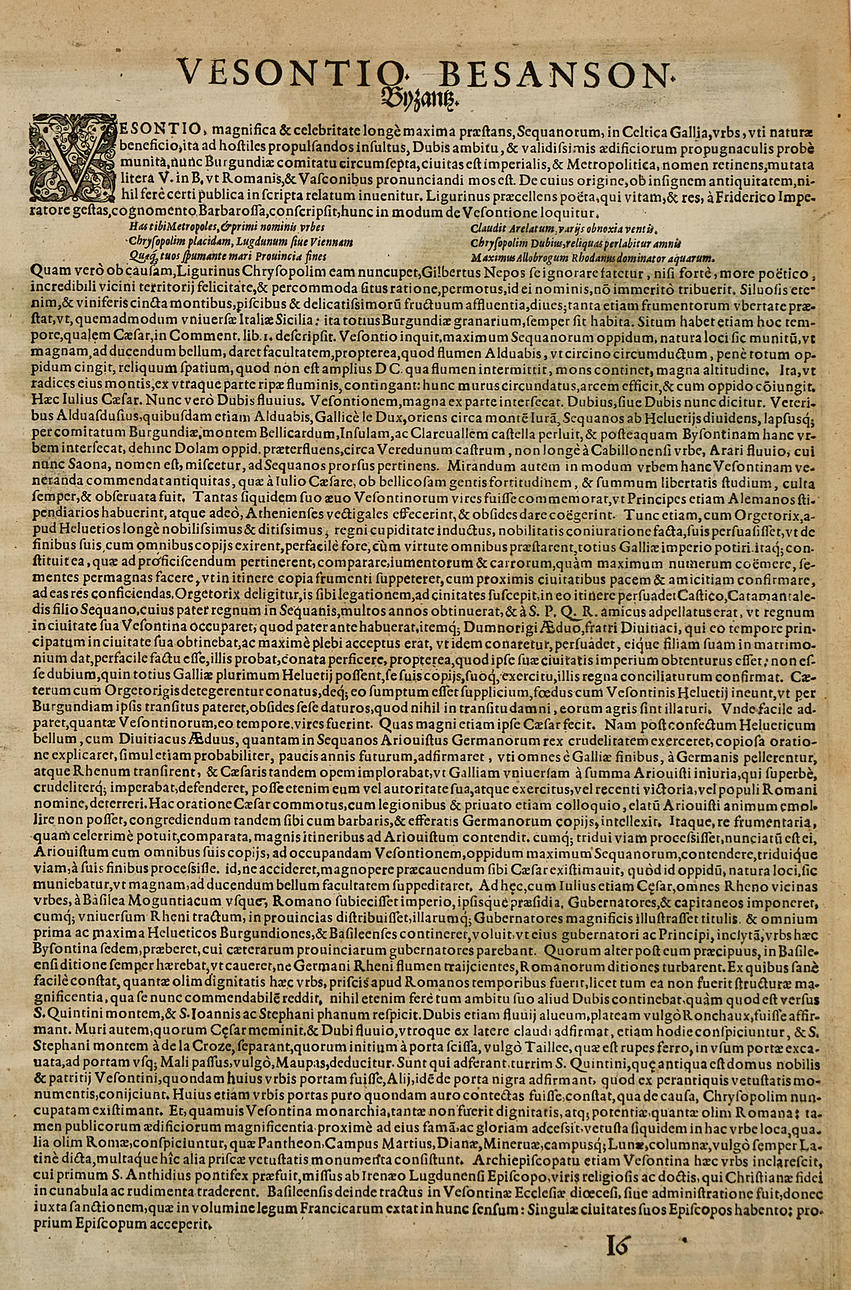
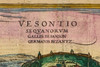
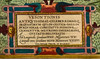
Georg Braun (1541-1622)/Frans Hogenberg (ca 1535-1590), "Vesontio Se Quanorum Gallis Besanson Germanis Byzantz", engraved and hand-coloured city view of Besançon from "Civitates Orbis Terrarum", 1623, Latin text
Plate: 36 x 49.6 cm.
Sheet: approx. 40.2 x 52.3 cm.
LITERATURE: Koeman 473 [41:1.2], 1623.
The city of Besançon, seen from a bird's-eye view, was founded in a bend of the river Doubs and played an important role during the Roman Empire, then under the name Vesontio. During the Middle Ages, the city managed to retain its importance and increase in status as an imperial city in the Holy Roman Empire. During the 17th century, the region, which is now Franche-Comté, was the scene of numerous battles, and Besançon only became part of France in 1678.
The copperplate engraving was originally published in the first atlas of cities, "Civitates Orbis Terrarum", and is also one of the most important geographical and cartographic works of the modern era. The main publisher was Georg Braun, a German theologian who, together with scientists and clergymen, wrote the Latin texts with information on history, geography, architecture, economy, and culture for various regions.
Several of the views were drawn by the Flemish artist Joris Hoefnagel (1542-1600). He undertook a long journey through Europe between the years 1561-1567 to study cities and customs in different regions. An area that attracted great interest was Andalusia, where he stayed during the years 1563-1565.
The work is an important historical source for the planning of the modern city and is supplemented with bird's-eye views of cities and their surroundings. The first volume was published in 1572 in Cologne, and the work eventually consisted of 6 volumes with over 500 illustrations published over a span of 45 years. The atlas contains views of various cities in Europe, North Africa, the Middle East, Asia, and parts of America. The non-European cities make up only a dozen or so, which reflects the very limited knowledge of geography outside Europe during the 16th century.
Many famous geographers and cartographers collaborated in the creation of the work. Central to its creation was Frans Hogenberg (1535-1590), a Flemish/German painter and engraver who engraved the majority of the cityscapes in "Civitates Orbis Terrarum".
After Frans Hogenberg's death, the plates were kept in Cologne as an inheritance for his son, Abraham Hogenberg. When Abraham passed away in 1653, the plates were sold to Johannes Janssonius, who in 1657 began publishing the atlas with the city views again. Now in eight volumes and in a completely revised form. The illustrations were arranged by country and a large number of new engravings had been added to the work, while outdated images were excluded.
After Janssonius' death in 1664, his grandson, Johannes Janssonius van Waeseberg, inherited the plates and he in turn used some of them for an atlas that was published in 1682.
In 1694, the plates were acquired by the prolific publisher Frederick de Wit, who organized a new edition, which was also supplemented with additional engravings. At the turn of the 18th century, the plates were owned by the publisher Pieter van der Aa (1659-1733), who published the atlas in 1729. It in turn consists of a mixture of prints from the plates from the 16th and 17th centuries. Finally, the plates (with de Wit's address) were acquired by the publishing house Coven & Mortier (the business was operated from 1721 to about 1862).
The various editions that have been printed, and the many reproductions of the images from "Civitates Orbis Terrarum", show the impact that this work had for a very long time. In addition to its historical and scientific significance, the work and the images themselves possess great artistic value, and still today attract both specialized collectors and passionate art lovers.
Condition
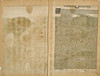
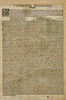
Yellowed. Damage, paper loss in the lower right corner/margin. Heavy crease along the center fold. Surface wear. Repair along the lower part of the center fold (partially in the image). Minor stains.
Unframed.
Theme
Francesco Bacoccoli Collection - The Golden Era of Cartography: Part II
Do you have something similar to sell? Get your items valued free of charge!
Description
Georg Braun (1541-1622)/Frans Hogenberg (ca 1535-1590), "Vesontio Se Quanorum Gallis Besanson Germanis Byzantz", engraved and hand-coloured city view of Besançon from "Civitates Orbis Terrarum", 1623, Latin text
Plate: 36 x 49.6 cm.
Sheet: approx. 40.2 x 52.3 cm.
LITERATURE: Koeman 473 [41:1.2], 1623.
The city of Besançon, seen from a bird's-eye view, was founded in a bend of the river Doubs and played an important role during the Roman Empire, then under the name Vesontio. During the Middle Ages, the city managed to retain its importance and increase in status as an imperial city in the Holy Roman Empire. During the 17th century, the region, which is now Franche-Comté, was the scene of numerous battles, and Besançon only became part of France in 1678.
The copperplate engraving was originally published in the first atlas of cities, "Civitates Orbis Terrarum", and is also one of the most important geographical and cartographic works of the modern era. The main publisher was Georg Braun, a German theologian who, together with scientists and clergymen, wrote the Latin texts with information on history, geography, architecture, economy, and culture for various regions.
Several of the views were drawn by the Flemish artist Joris Hoefnagel (1542-1600). He undertook a long journey through Europe between the years 1561-1567 to study cities and customs in different regions. An area that attracted great interest was Andalusia, where he stayed during the years 1563-1565.
The work is an important historical source for the planning of the modern city and is supplemented with bird's-eye views of cities and their surroundings. The first volume was published in 1572 in Cologne, and the work eventually consisted of 6 volumes with over 500 illustrations published over a span of 45 years. The atlas contains views of various cities in Europe, North Africa, the Middle East, Asia, and parts of America. The non-European cities make up only a dozen or so, which reflects the very limited knowledge of geography outside Europe during the 16th century.
Many famous geographers and cartographers collaborated in the creation of the work. Central to its creation was Frans Hogenberg (1535-1590), a Flemish/German painter and engraver who engraved the majority of the cityscapes in "Civitates Orbis Terrarum".
After Frans Hogenberg's death, the plates were kept in Cologne as an inheritance for his son, Abraham Hogenberg. When Abraham passed away in 1653, the plates were sold to Johannes Janssonius, who in 1657 began publishing the atlas with the city views again. Now in eight volumes and in a completely revised form. The illustrations were arranged by country and a large number of new engravings had been added to the work, while outdated images were excluded.
After Janssonius' death in 1664, his grandson, Johannes Janssonius van Waeseberg, inherited the plates and he in turn used some of them for an atlas that was published in 1682.
In 1694, the plates were acquired by the prolific publisher Frederick de Wit, who organized a new edition, which was also supplemented with additional engravings. At the turn of the 18th century, the plates were owned by the publisher Pieter van der Aa (1659-1733), who published the atlas in 1729. It in turn consists of a mixture of prints from the plates from the 16th and 17th centuries. Finally, the plates (with de Wit's address) were acquired by the publishing house Coven & Mortier (the business was operated from 1721 to about 1862).
The various editions that have been printed, and the many reproductions of the images from "Civitates Orbis Terrarum", show the impact that this work had for a very long time. In addition to its historical and scientific significance, the work and the images themselves possess great artistic value, and still today attract both specialized collectors and passionate art lovers.
Condition
Yellowed. Damage, paper loss in the lower right corner/margin. Heavy crease along the center fold. Surface wear. Repair along the lower part of the center fold (partially in the image). Minor stains.
Unframed.
Theme
Francesco Bacoccoli Collection - The Golden Era of Cartography: Part II
Do you have something similar to sell? Get your items valued free of charge!
Payment options for this item
Payment cardsBank transferDelivery
: Provide your locationInfo temporarily unavailableLoading…Provide your location to see transport options and prices.
Oops! Something went wrong.
Please try again in a moment. If it still doesn't work, contact Auctionet support.
Details
- Address
Galoppvägen 3
183 64 Täby
Sweden- Placement
- Vagga Små - Visas på begäran