AN ASHANTI AKUABA FERTILITY DOLL.
This auction is closed, but maybe you like the following items?

Images
Description
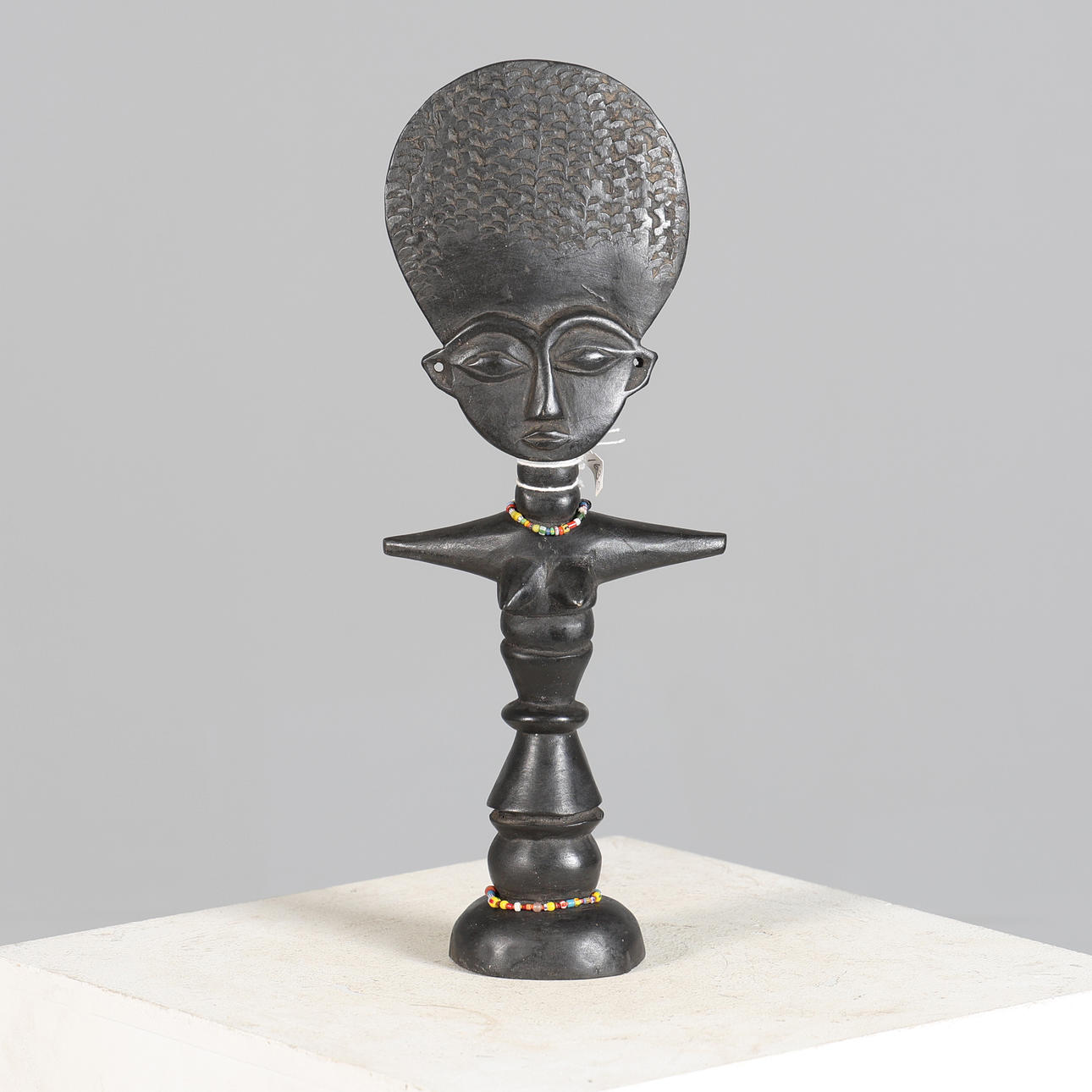
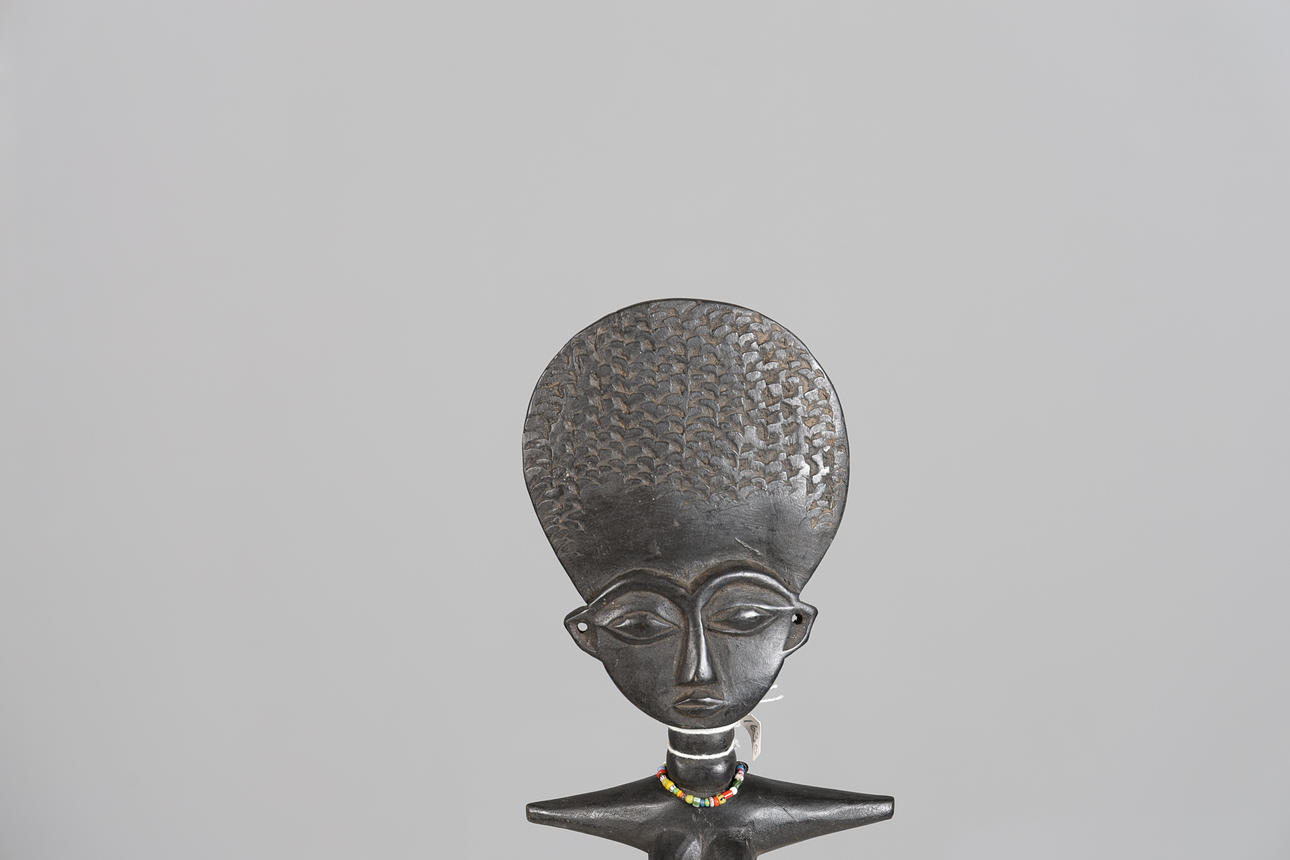
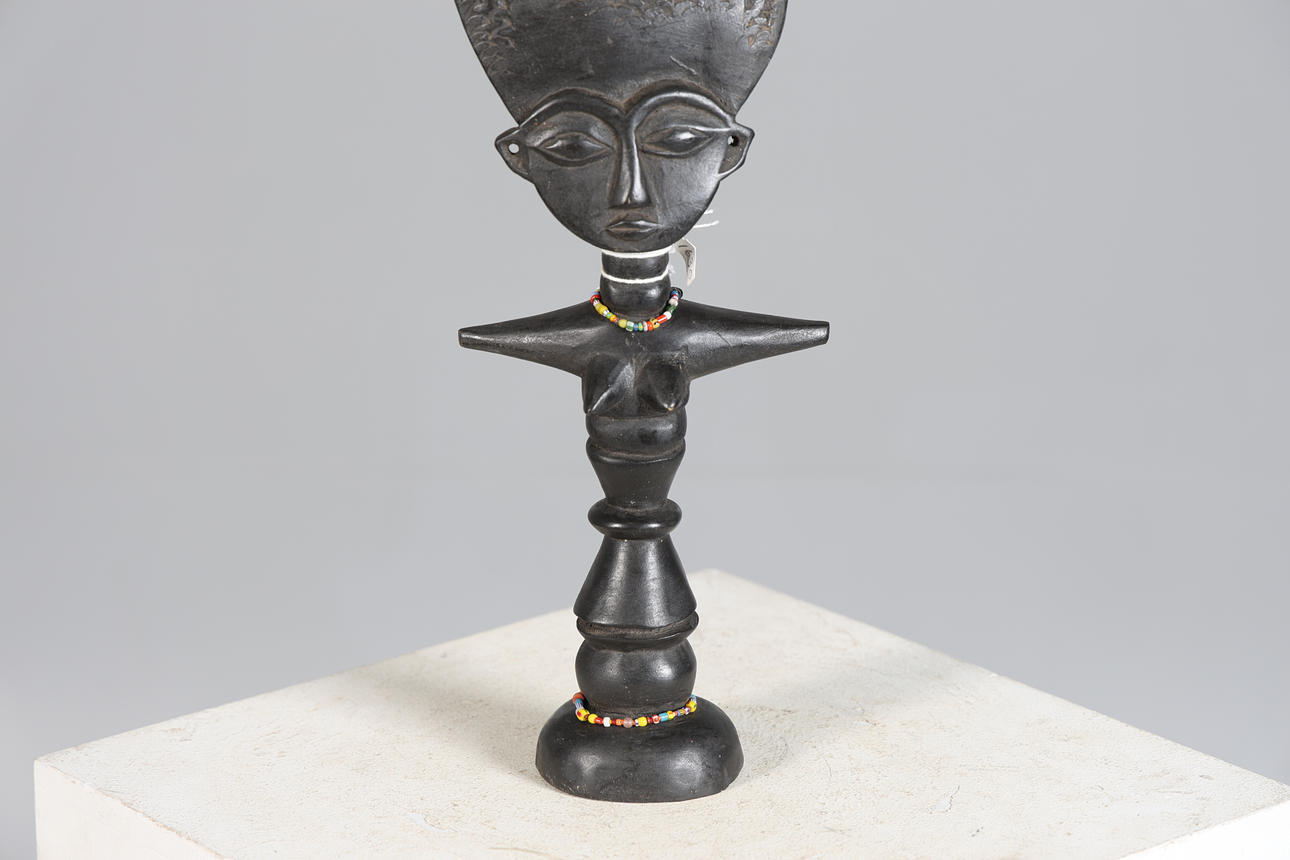
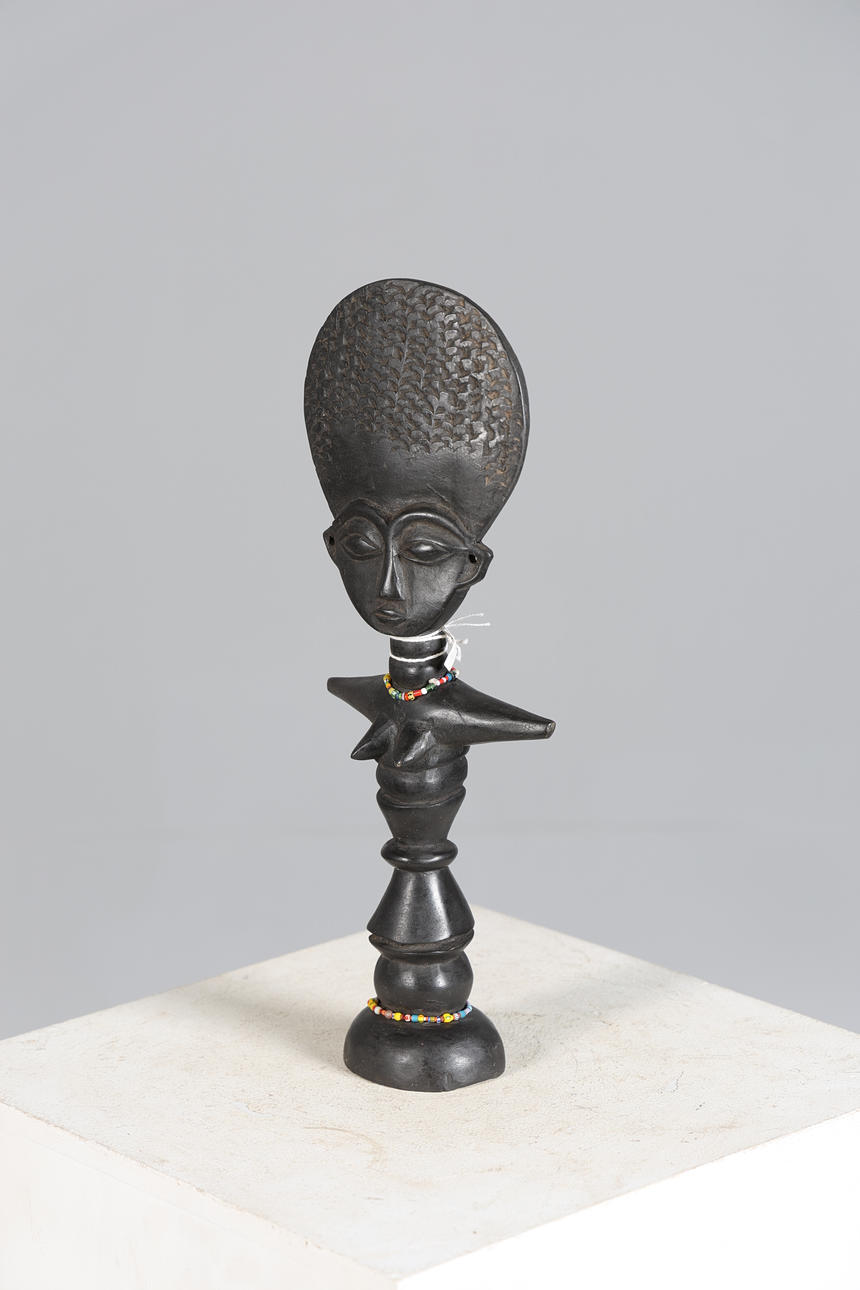
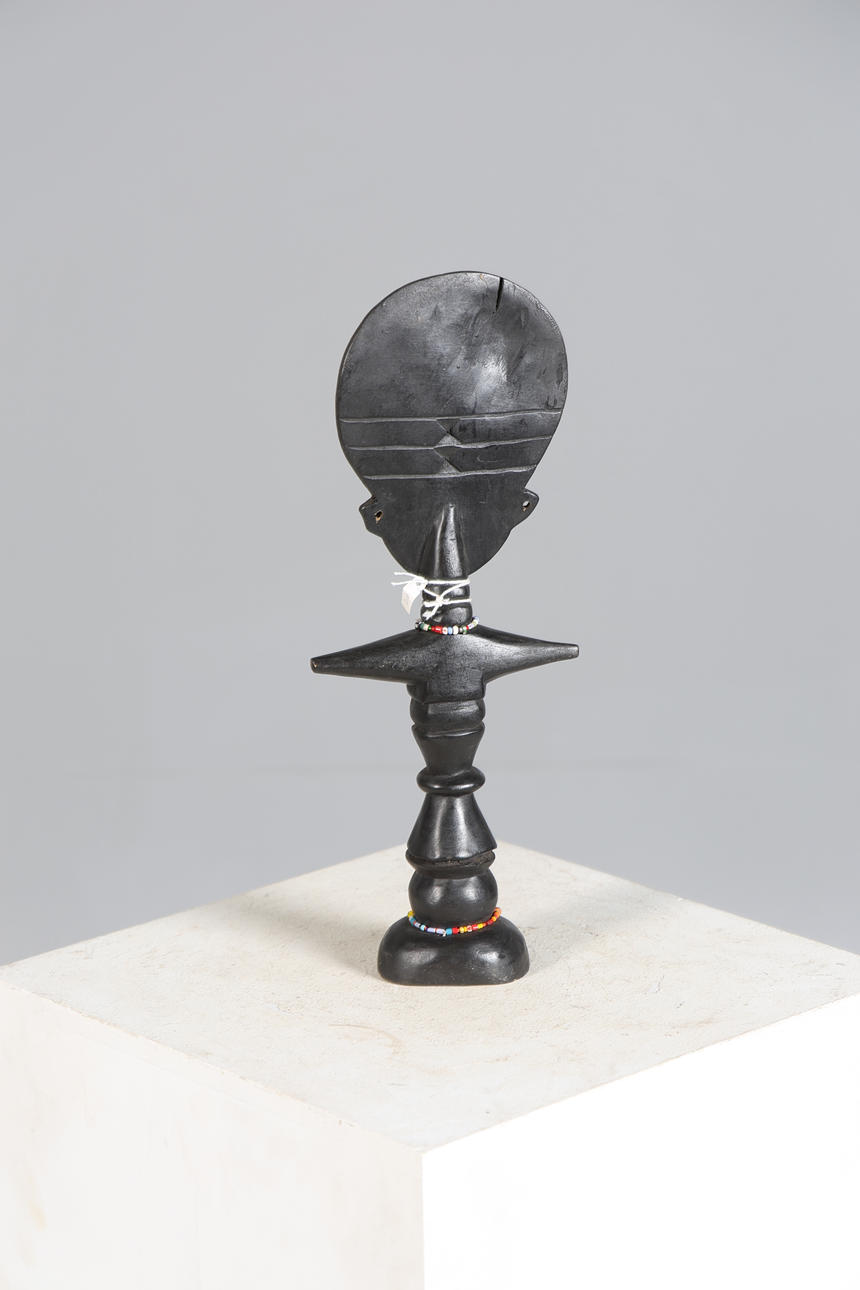
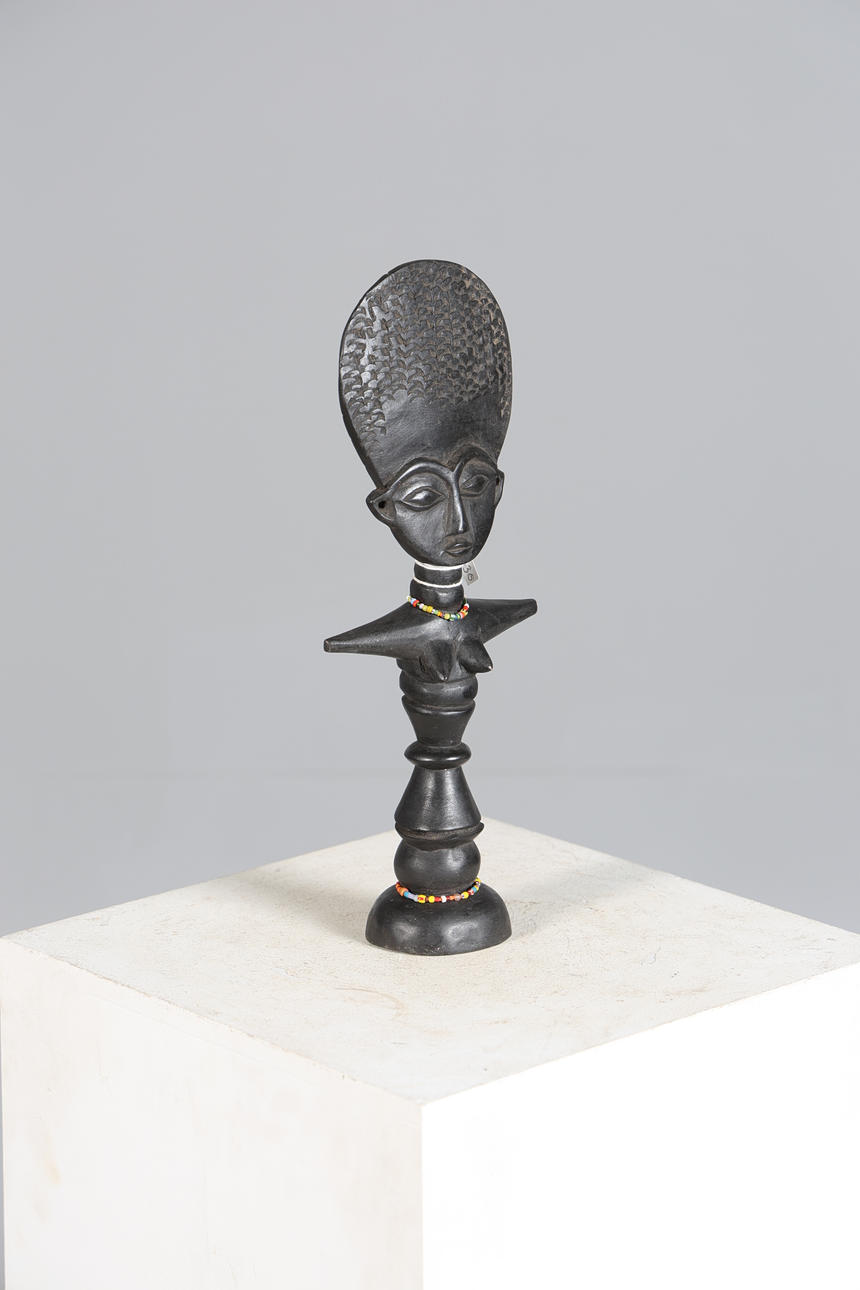
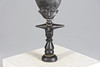
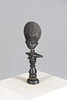
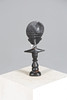
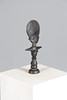
Second half of the 20th century, The figure features the classic disc-shaped head, high-domed forehead with incised hair pattern, and stylised, downcast almond-shaped eyes. The body is abstract, with horizontal arms and a columnar torso standing on a circular base. Around the neck and base are strings of multicoloured trade beads, 38cm high 14cm wide
Provenance - private UK Collection,
Note - These iconic dolls are carried by Ashanti women, especially those wishing to conceive, as symbols of fertility and motherhood. The form represents idealised beauty a healthy child, symmetrical and spiritually balanced. Akuaba are also passed on to children and used in naming ceremonies, making them central to the social and spiritual fabric of Ashanti culture.
Condition
general marks and wear.
Do you have something similar to sell? Get your items valued free of charge!
Description
Second half of the 20th century, The figure features the classic disc-shaped head, high-domed forehead with incised hair pattern, and stylised, downcast almond-shaped eyes. The body is abstract, with horizontal arms and a columnar torso standing on a circular base. Around the neck and base are strings of multicoloured trade beads, 38cm high 14cm wide
Provenance - private UK Collection,
Note - These iconic dolls are carried by Ashanti women, especially those wishing to conceive, as symbols of fertility and motherhood. The form represents idealised beauty a healthy child, symmetrical and spiritually balanced. Akuaba are also passed on to children and used in naming ceremonies, making them central to the social and spiritual fabric of Ashanti culture.
Condition
general marks and wear.
Do you have something similar to sell? Get your items valued free of charge!