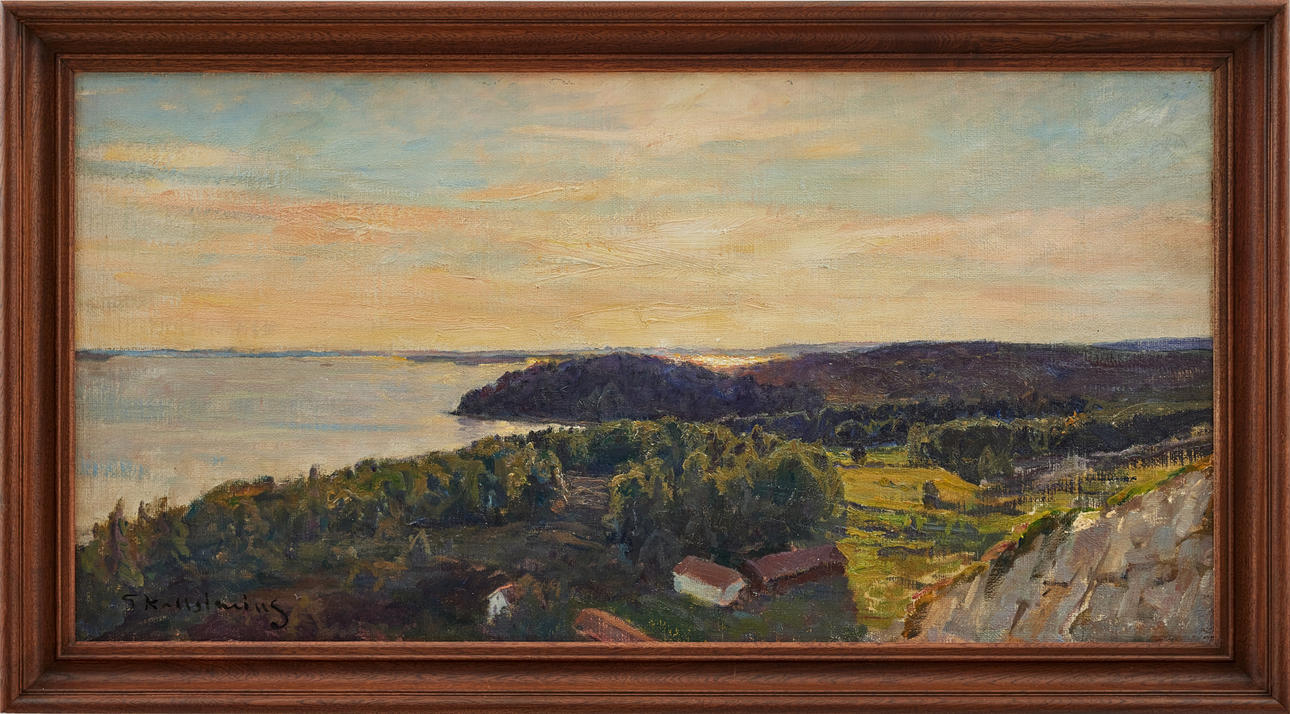
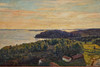
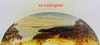
GOTTFRID KALLSTENIUS. Kolmården's marble quarry at Bråviken.
This auction is closed, but maybe you like the following items?

Images
Description
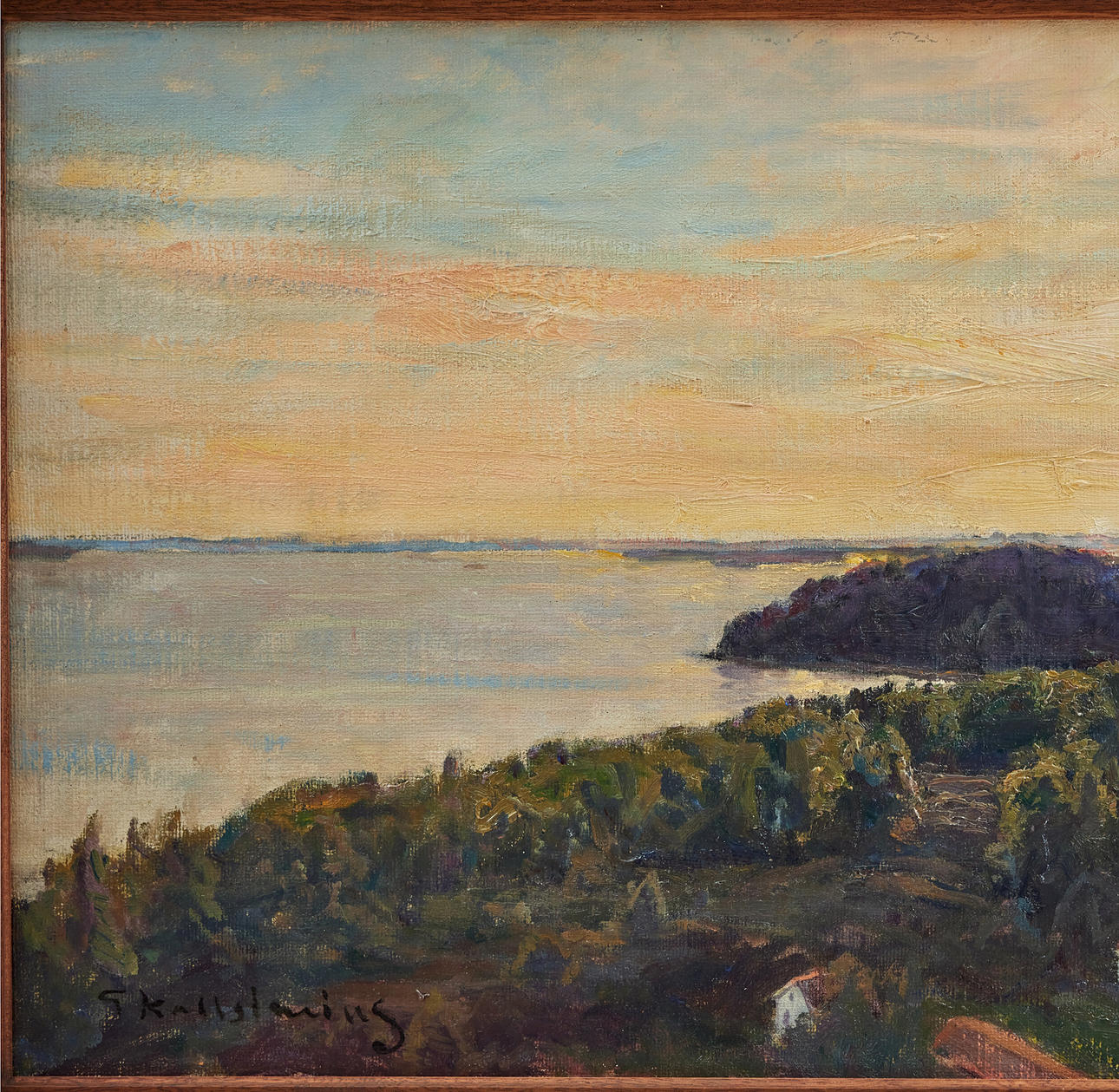
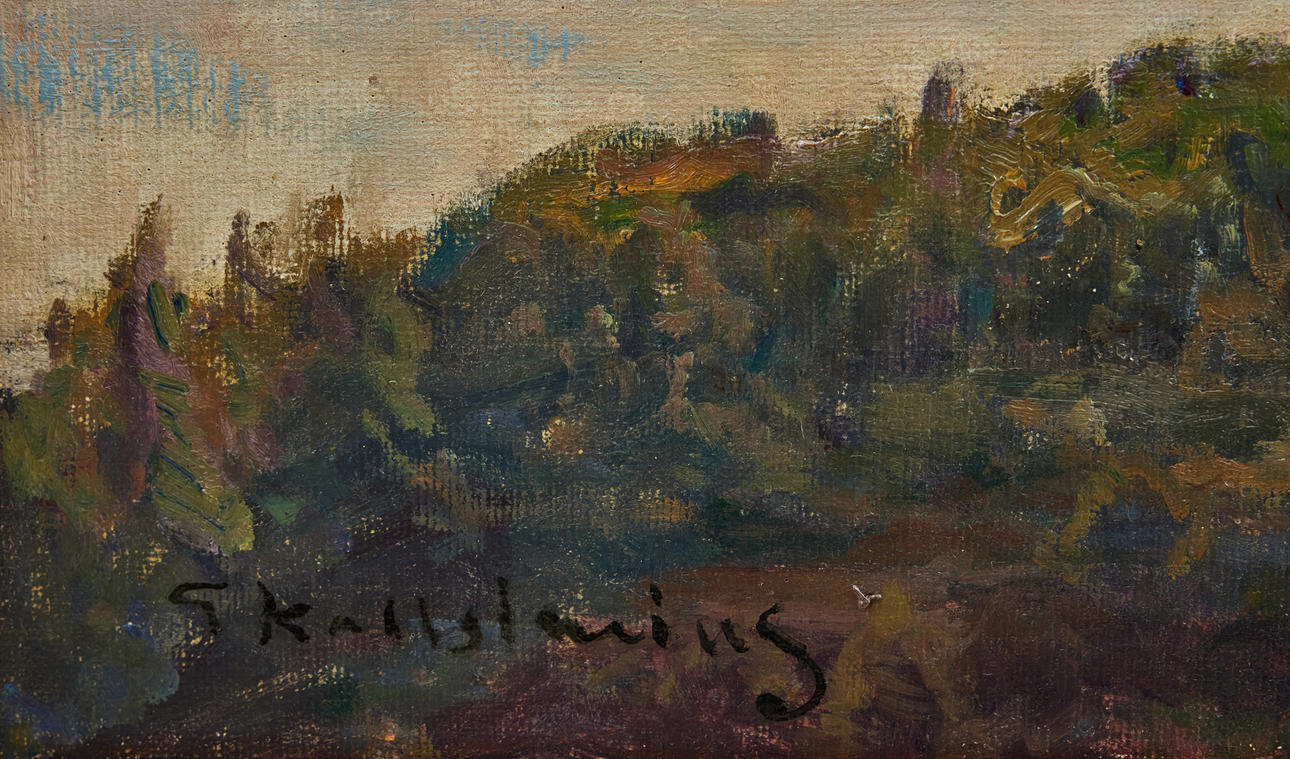
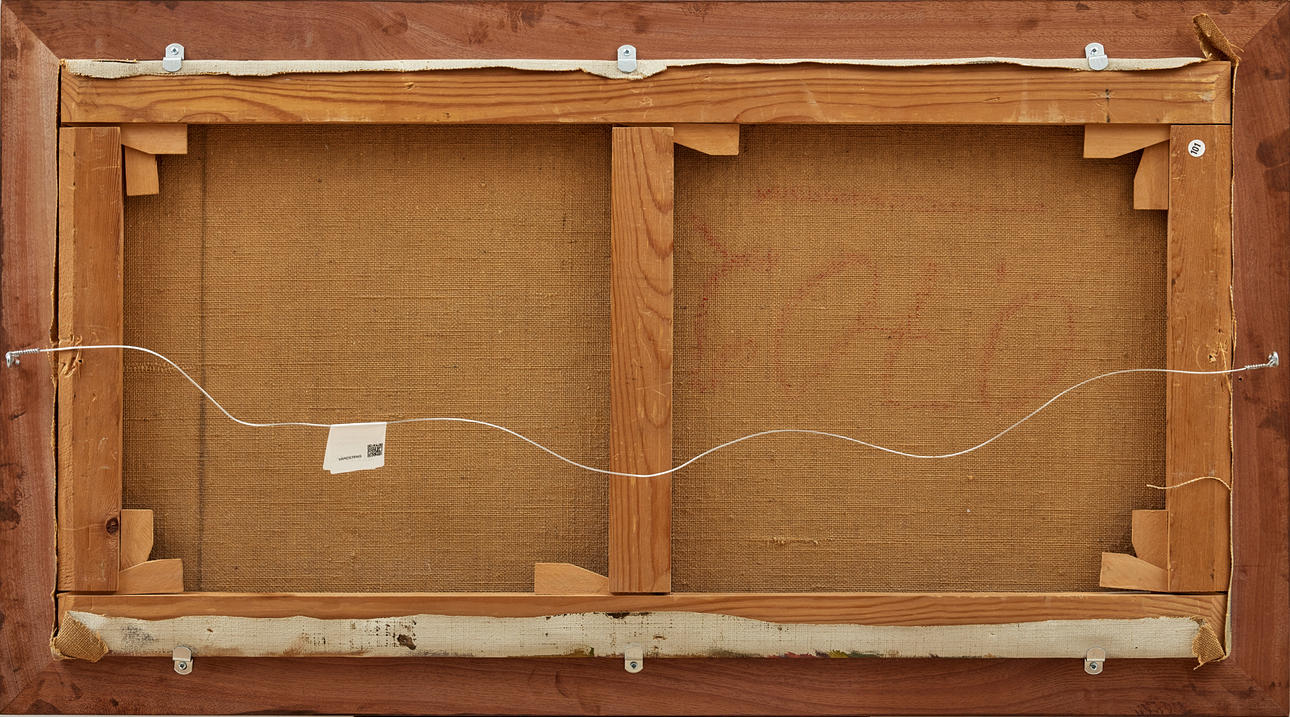
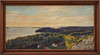
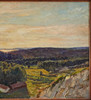
Oil on canvas, 43 x 85 cm. Signed G. Kallstenius.
PROVENANCE (Probably) Consul Gösta Hellman, Villa Flora, Norrköping (demolished 1970).
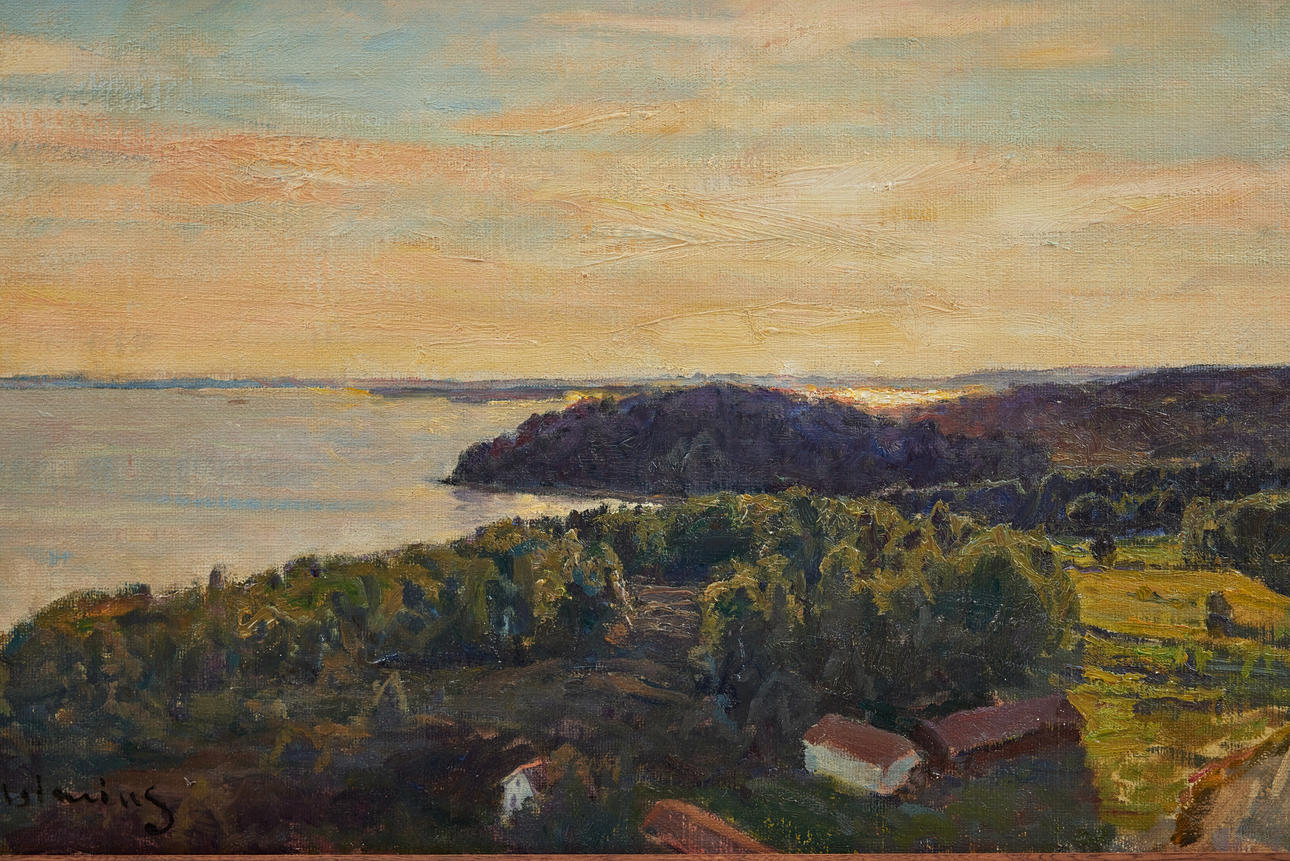
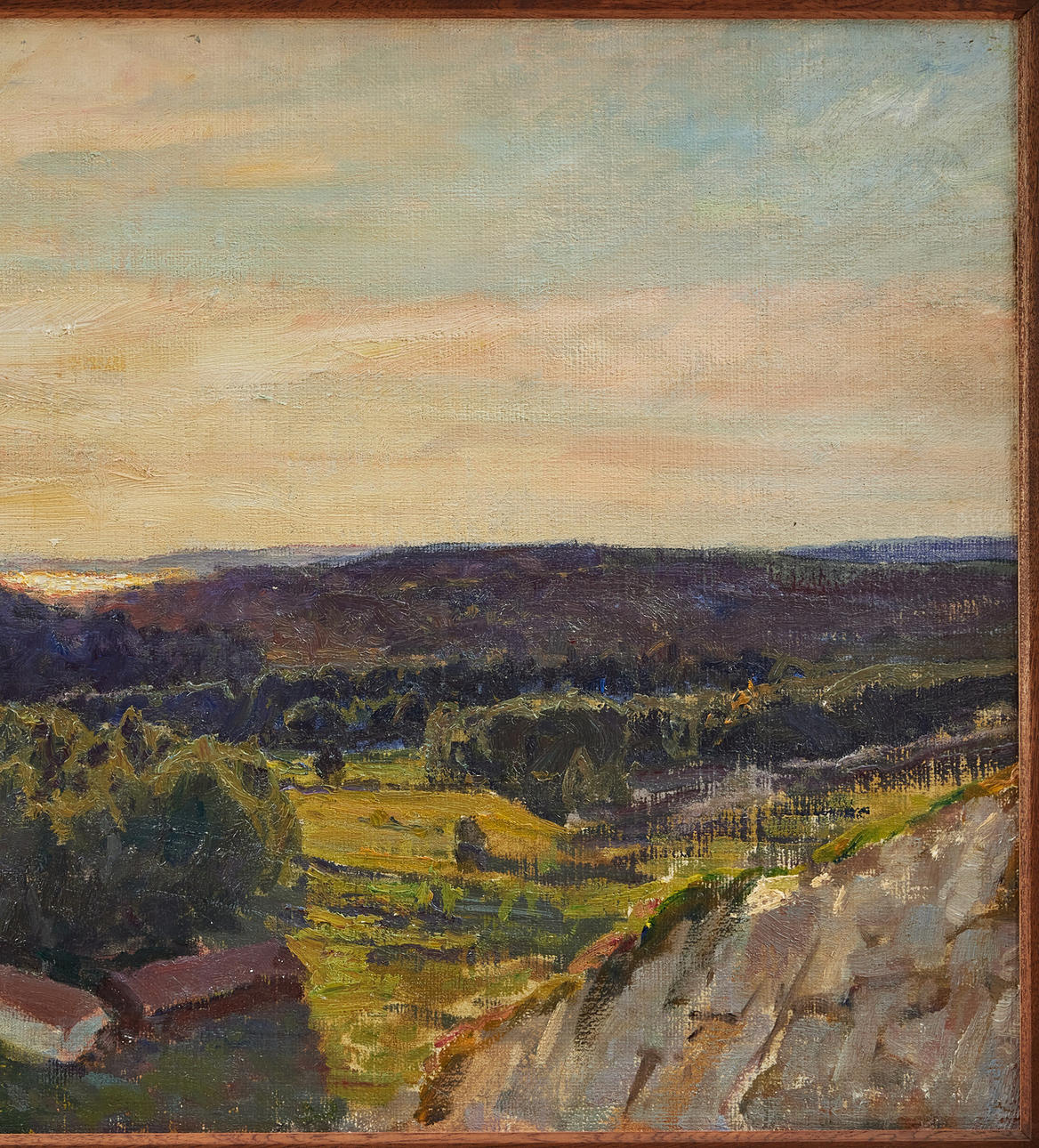
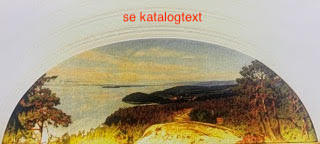
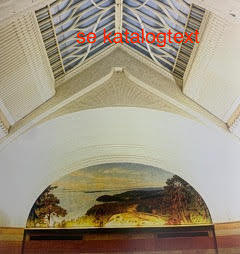
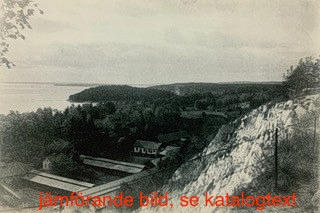
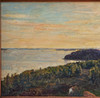
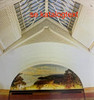
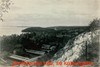
In 1915, Kallstenius was commissioned to carry out a monumental painting depicting Kolmården's marble quarry at Bråviken for Norrköping's Enskilda Bank (completed 1916). The painting is still in place in the building, even though the bank is now closed (Å. Frosterud-jägerhorn, Gottfrid Kallstenius - In the shadow of a thousand pines, 2010, pp. 121-124, illustrated). Kallstenius carried out several (at least four) studies from the marble quarry in 1915, based on a photograph he took himself (see picture).
Kolmården's marble mill was founded in the first half of the 17th century, probably by Louis De Geer. The mill was shut down around 1680 and was only resumed in 1722 by chancellor Eric Wrangel and trade councilor Gabriel Gyllengrip. The mill's work was then already known abroad. A series of different owners of the mill followed. In 1969, the marble mill Ytongbolagen was bought. The mill was closed in 1975, partly due to competition from Italy and Portugal with cheaper production. The demand for stone material for building and interior design purposes in Sweden also decreased at this time. Examples of buildings clad in charcoal marble are Drottningholm Palace, Stockholm Palace, the Royal Opera House, City Hall, National Museum, Uppsala University, as well as abroad the Opera House in Paris, Rockefeller Center, New York and UN buildings in Geneva.
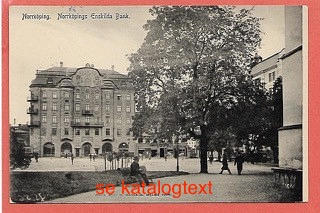
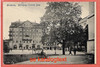
Norrköping's Enskilda Bank was founded in 1857 with headquarters in Norrköping. In 1899-1902, according to Gustav Wickman's drawings, a bank palace was built in Art Nouveau style in red sandstone. In 1927 the bank merged with Östergötland's Enskilda Bank.
Condition
For questions and condition report, please contact cecilia.berggren@auktionsverket.com or amelie.axson.johnson@auktionsverket.com.
Resale right
Artist/designer
Gottfrid Kallstenius (1861–1943)
Theme
Do you have something similar to sell? Get your items valued free of charge!
Description
Oil on canvas, 43 x 85 cm. Signed G. Kallstenius.
PROVENANCE (Probably) Consul Gösta Hellman, Villa Flora, Norrköping (demolished 1970).
In 1915, Kallstenius was commissioned to carry out a monumental painting depicting Kolmården's marble quarry at Bråviken for Norrköping's Enskilda Bank (completed 1916). The painting is still in place in the building, even though the bank is now closed (Å. Frosterud-jägerhorn, Gottfrid Kallstenius - In the shadow of a thousand pines, 2010, pp. 121-124, illustrated). Kallstenius carried out several (at least four) studies from the marble quarry in 1915, based on a photograph he took himself (see picture).
Kolmården's marble mill was founded in the first half of the 17th century, probably by Louis De Geer. The mill was shut down around 1680 and was only resumed in 1722 by chancellor Eric Wrangel and trade councilor Gabriel Gyllengrip. The mill's work was then already known abroad. A series of different owners of the mill followed. In 1969, the marble mill Ytongbolagen was bought. The mill was closed in 1975, partly due to competition from Italy and Portugal with cheaper production. The demand for stone material for building and interior design purposes in Sweden also decreased at this time. Examples of buildings clad in charcoal marble are Drottningholm Palace, Stockholm Palace, the Royal Opera House, City Hall, National Museum, Uppsala University, as well as abroad the Opera House in Paris, Rockefeller Center, New York and UN buildings in Geneva.
Norrköping's Enskilda Bank was founded in 1857 with headquarters in Norrköping. In 1899-1902, according to Gustav Wickman's drawings, a bank palace was built in Art Nouveau style in red sandstone. In 1927 the bank merged with Östergötland's Enskilda Bank.
Condition
For questions and condition report, please contact cecilia.berggren@auktionsverket.com or amelie.axson.johnson@auktionsverket.com.
Resale right
Artist/designer
Gottfrid Kallstenius (1861–1943)
Theme
Do you have something similar to sell? Get your items valued free of charge!