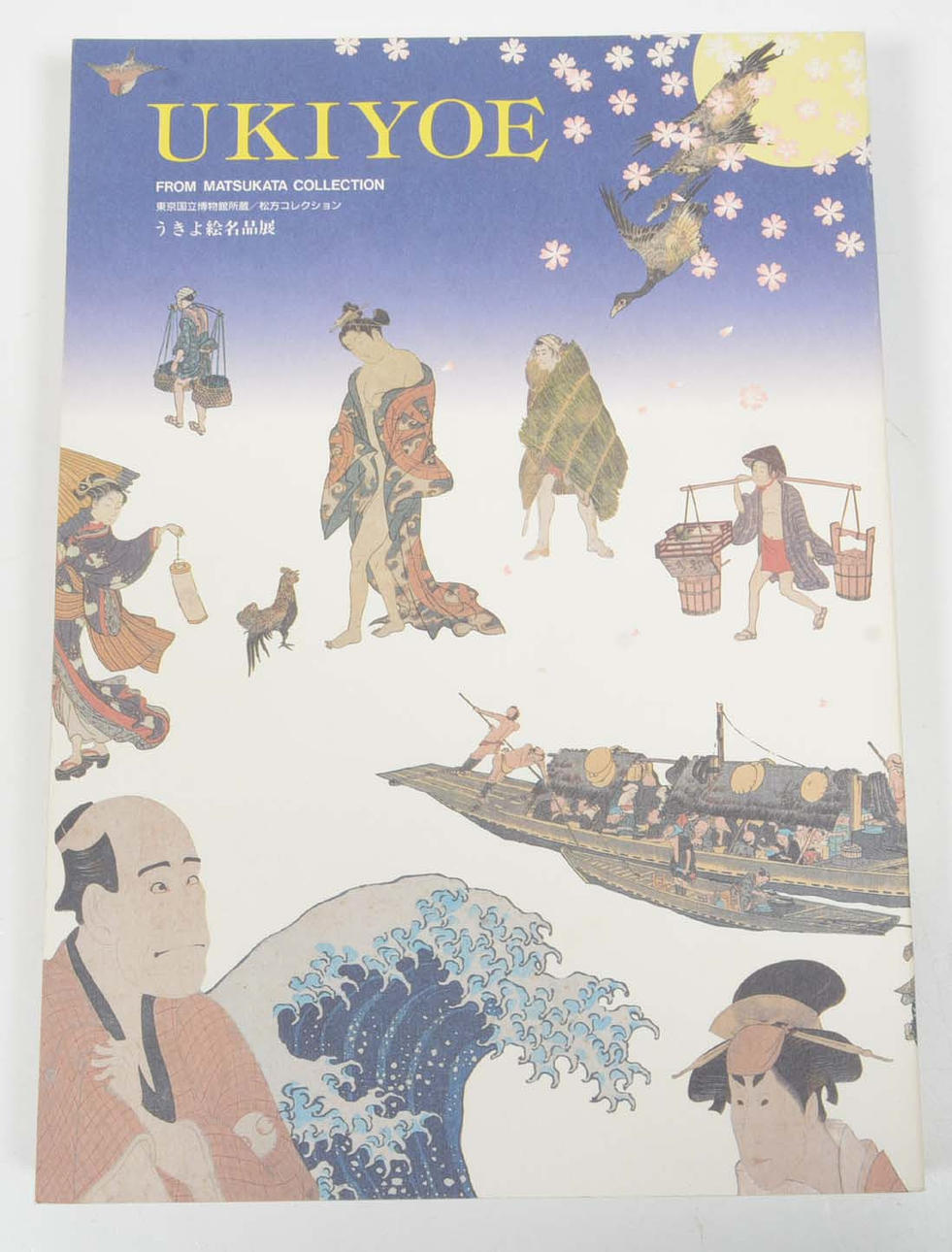
Ukiyoe - from the Matsukata Collection.
This auction is closed, but maybe you like the following items?

Images
Description
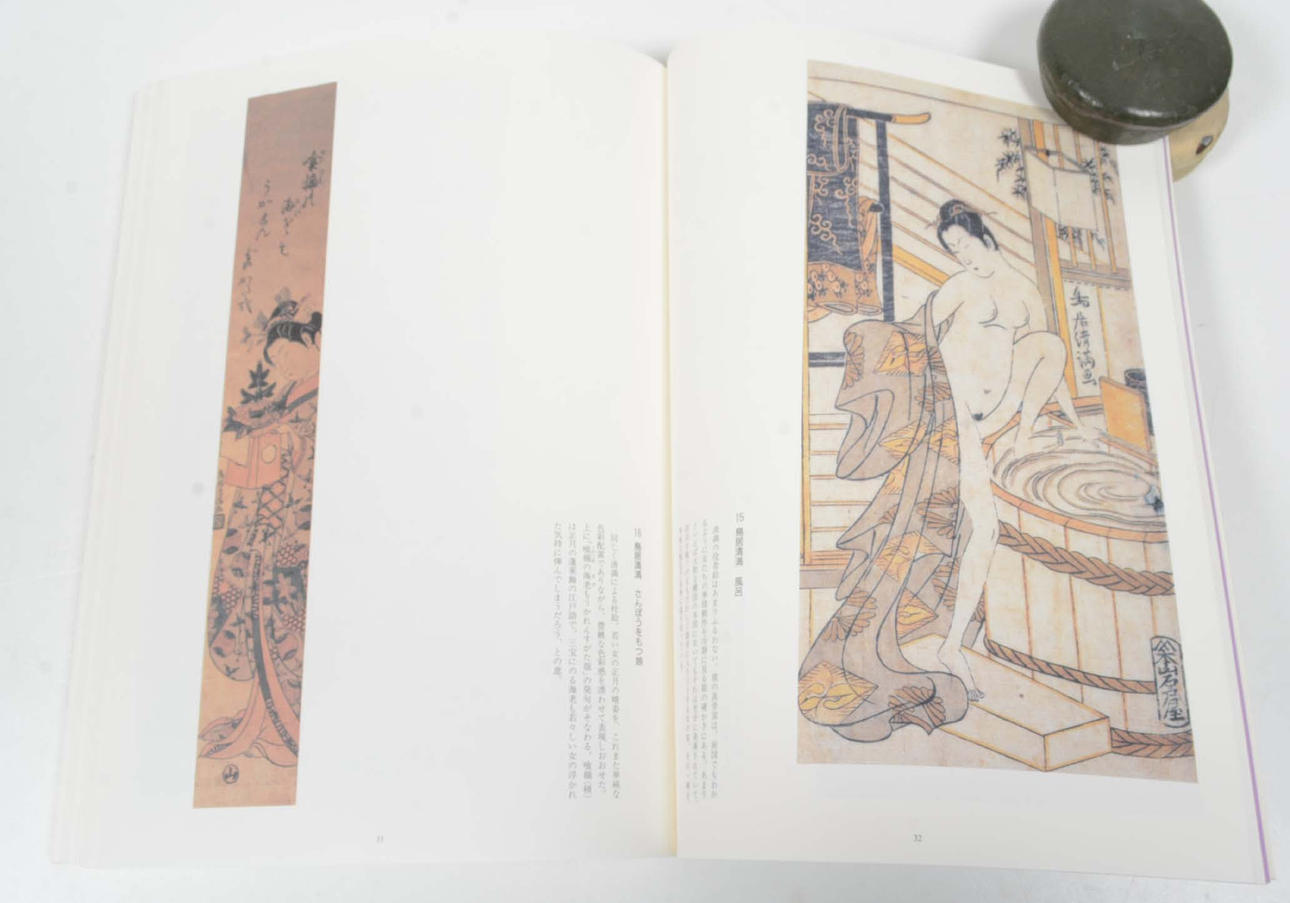
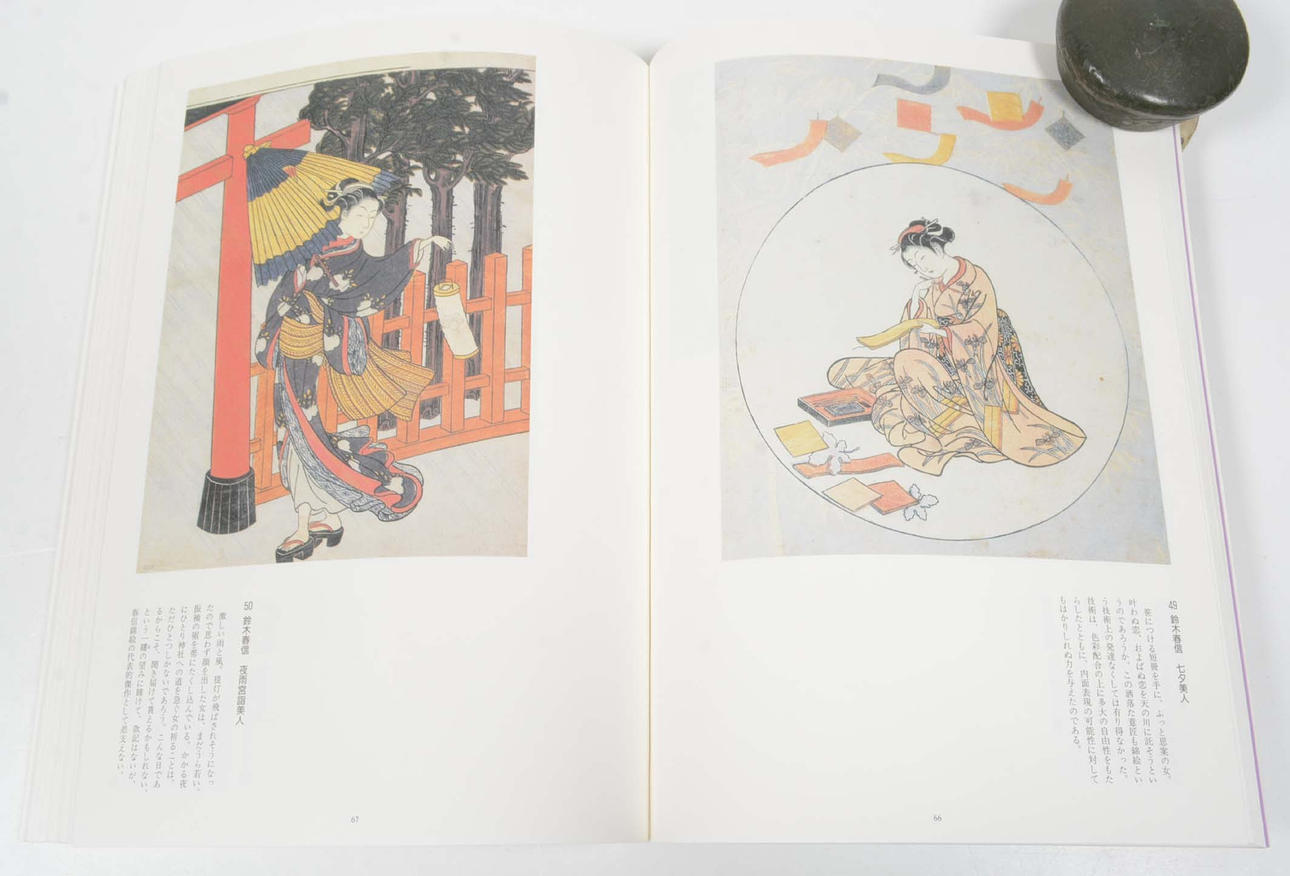
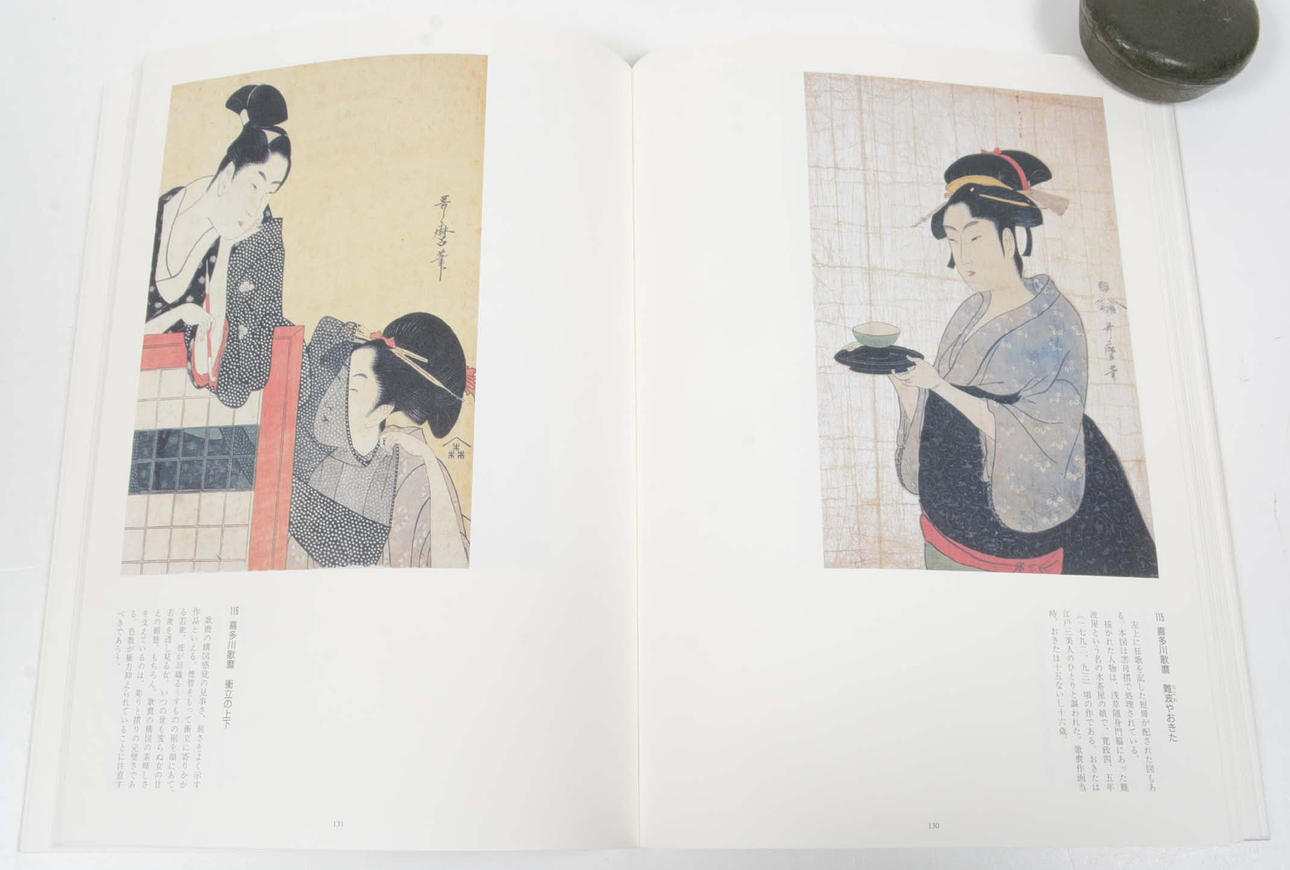
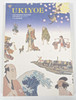
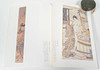
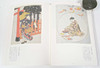
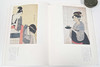
Kyoto Shinbunsha. Japan, 1991. 1st ed. 288 pages with color illustrations. Japanese text with small introduction and captions in English at the end.
"Catalogue for the special exhibition held at the Kyoto National Museum, April 16 - May 12, 1991.; "Ukiyo-e is a style of art which was born, nursed and let to its golden age within the Edo period. Undoubtedly, ukiyo-e can be called a product of the Edo period. As is well known, the Tokyo National Museum is keeping an enormous number of ukiyo-e prints of which 'the Matsukata collection of ukiyo-e prints' is the nucleus. Not only Japanese but also the ukiyo-e enthusiasts around the world know that the collection of more than 8,000 ukiyo-e prints, which the prominent businessman Kojiro Matsukata purchased from the jewelry dealer Henri Vever in Paris is excellent both in quality and quantity. For this special exhibition 282 ukiyo-e prints were carefully selected from the Matsukata collection in order to display the history of ukiyo-e prints from their earliest days to the end of the Edo period.".
Condition
Traces of use.
Do you have something similar to sell? Get your items valued free of charge!
Description
Kyoto Shinbunsha. Japan, 1991. 1st ed. 288 pages with color illustrations. Japanese text with small introduction and captions in English at the end.
"Catalogue for the special exhibition held at the Kyoto National Museum, April 16 - May 12, 1991.; "Ukiyo-e is a style of art which was born, nursed and let to its golden age within the Edo period. Undoubtedly, ukiyo-e can be called a product of the Edo period. As is well known, the Tokyo National Museum is keeping an enormous number of ukiyo-e prints of which 'the Matsukata collection of ukiyo-e prints' is the nucleus. Not only Japanese but also the ukiyo-e enthusiasts around the world know that the collection of more than 8,000 ukiyo-e prints, which the prominent businessman Kojiro Matsukata purchased from the jewelry dealer Henri Vever in Paris is excellent both in quality and quantity. For this special exhibition 282 ukiyo-e prints were carefully selected from the Matsukata collection in order to display the history of ukiyo-e prints from their earliest days to the end of the Edo period.".
Condition
Traces of use.
Do you have something similar to sell? Get your items valued free of charge!