IKEBANA WITH AN ORIGINAL ARTWORK BY THE AUTHOR.
This auction is closed, but maybe you like the following items?

Images
Description
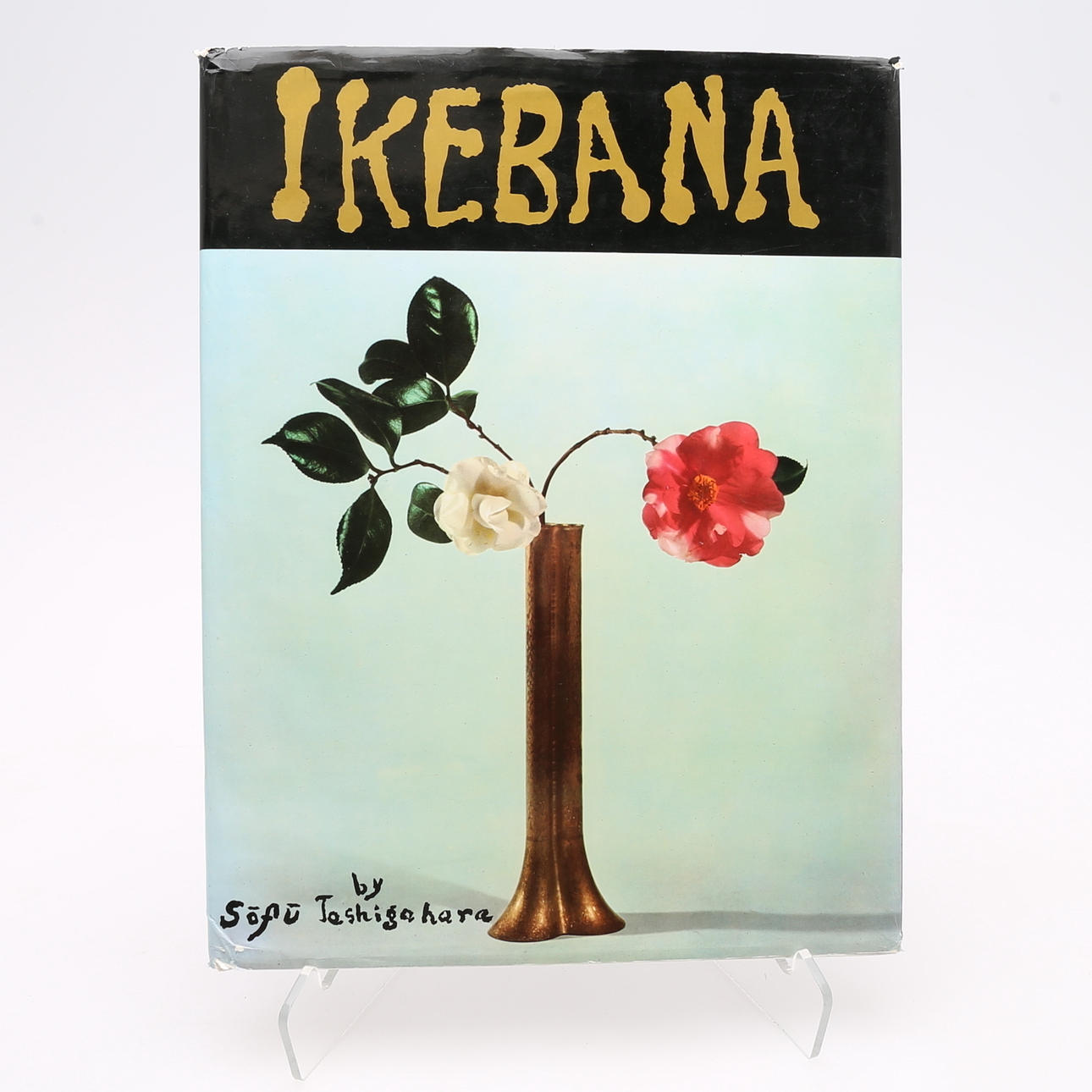
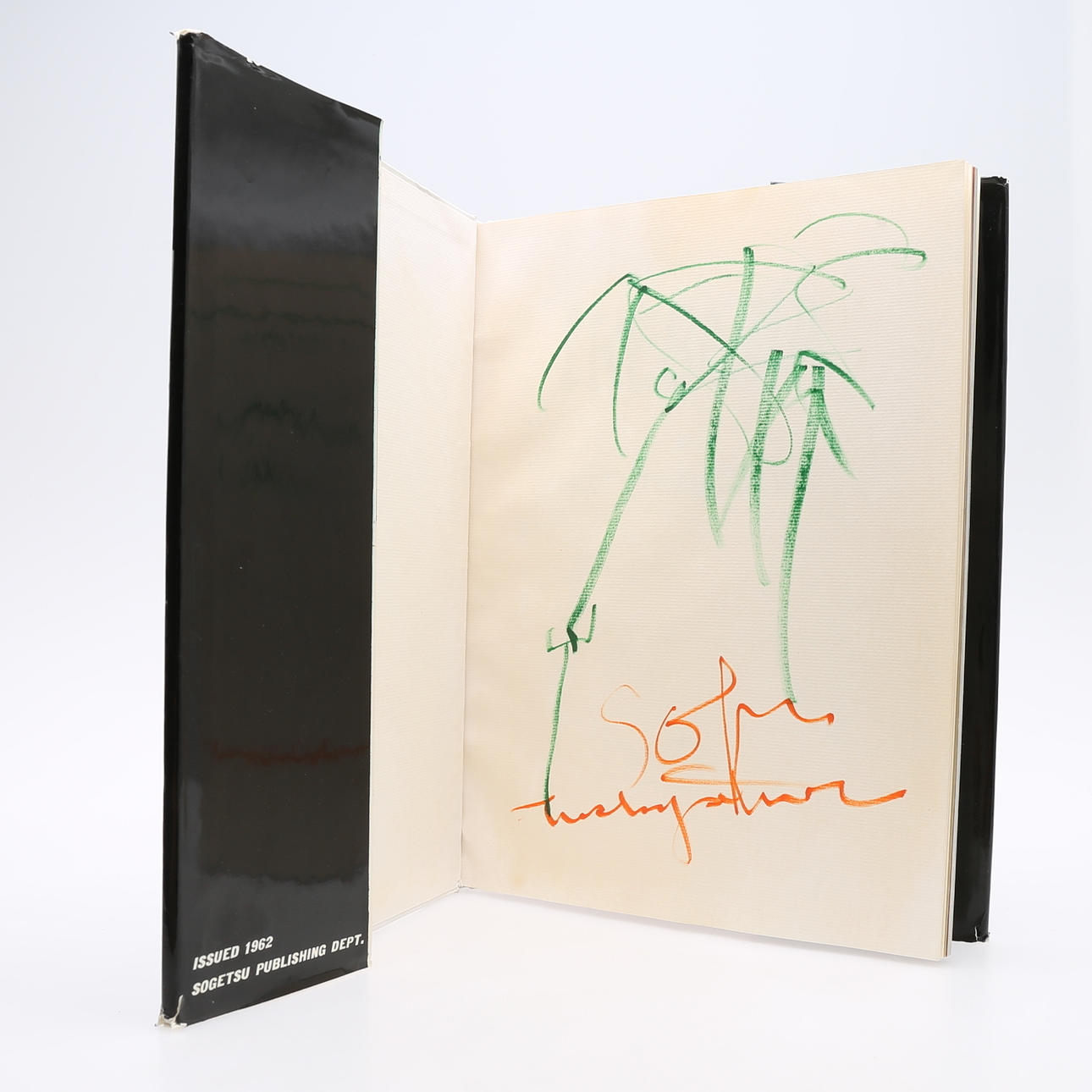
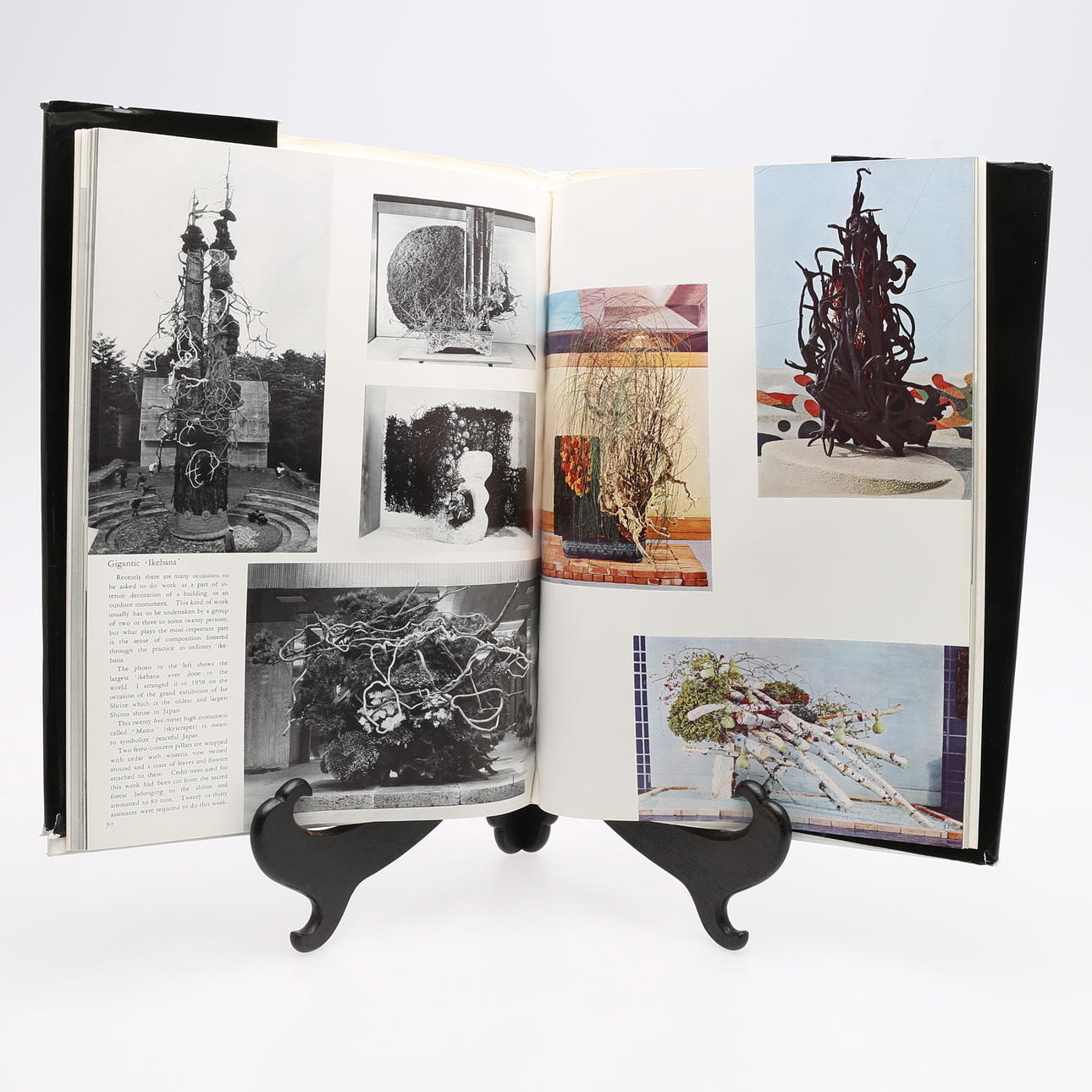
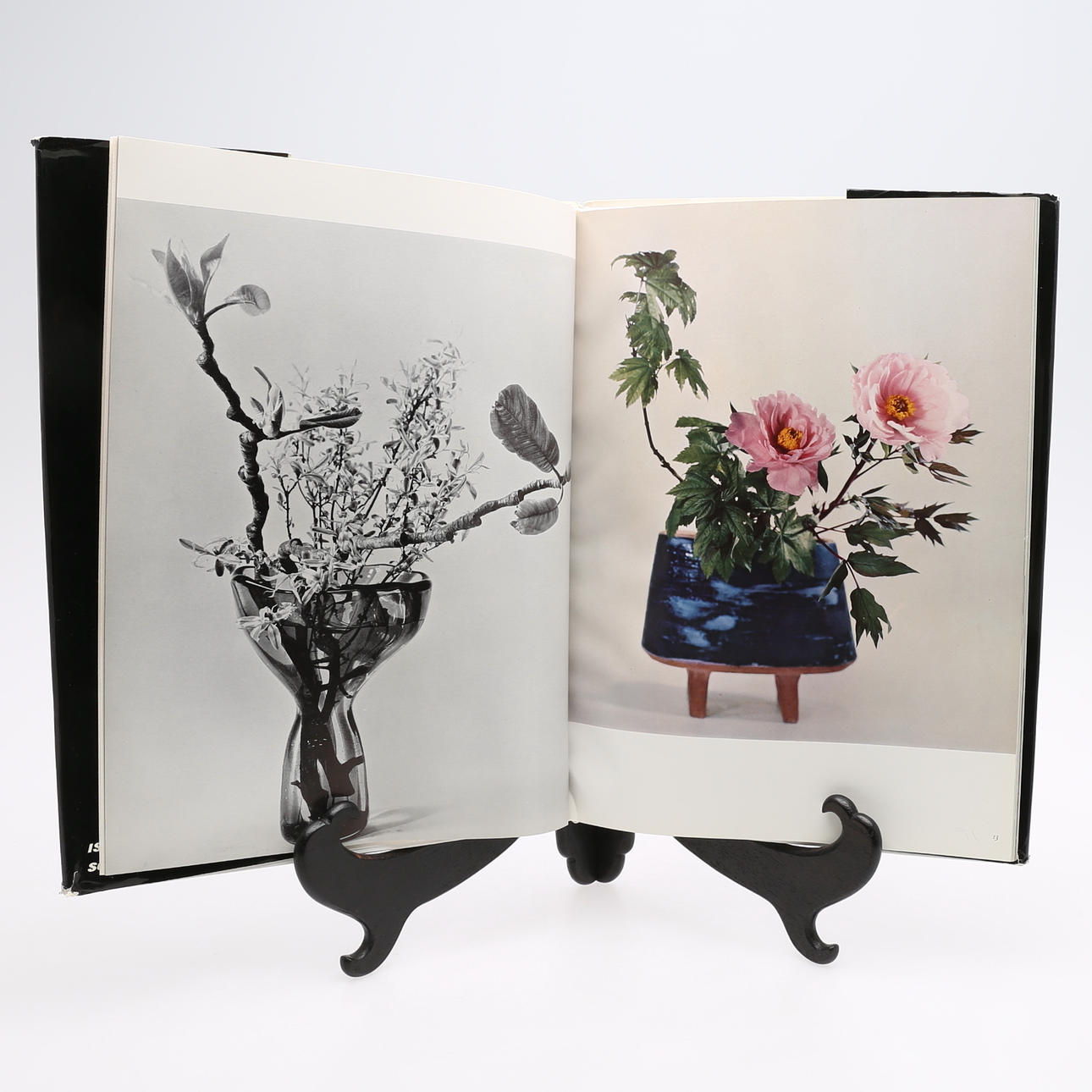
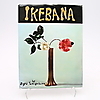
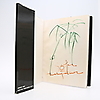
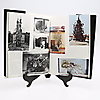
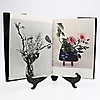
Teshigahara, Sofu. Ikebana. Sogetsukau, Tokyo, 1962. Folio in publisher's white cloth binding with gilt text on front cover and in an illustrated dust jacket. This copy with a full-page signed drawing in chalk or watercolor by the author. The drawing in green and the signature in orange. Illustrated throughout in color and black and white with floral arrangements on glossy paper. 64 p. , (III).
Ikebana is called the traditional Japanese art of arranging flowers. Practitioners of ikebana work with color combinations, beautiful, clean lines and the aesthetic interaction between vase, flowers, leaves and stems.
The art of Ikebana springs from the ancient Buddhist ritual ceremony of placing flowers next to Buddha statues in temples, which began in the sixth century AD. Over time, the art form was taken over by samurai and courtiers, and eventually women were also allowed to practice ikebana. It became, along with the tea ceremony and calligraphy, the art forms that women had to learn in preparation for marriage.
In the practice of ikebana there is a large portion of meditation. The work with the arrangement takes place in silence and ikebana is associated with spiritual calm, with the seasons and with the transience of the living. Studies in ikebana take place according to old tradition through teaching from master to student. Becoming a master of ikebana requires many years of study. Source Wikipedia.
Condition
The dust jacket with corner wear. A good copy.
Do you have something similar to sell? Get your items valued free of charge!
Description
Teshigahara, Sofu. Ikebana. Sogetsukau, Tokyo, 1962. Folio in publisher's white cloth binding with gilt text on front cover and in an illustrated dust jacket. This copy with a full-page signed drawing in chalk or watercolor by the author. The drawing in green and the signature in orange. Illustrated throughout in color and black and white with floral arrangements on glossy paper. 64 p. , (III).
Ikebana is called the traditional Japanese art of arranging flowers. Practitioners of ikebana work with color combinations, beautiful, clean lines and the aesthetic interaction between vase, flowers, leaves and stems.
The art of Ikebana springs from the ancient Buddhist ritual ceremony of placing flowers next to Buddha statues in temples, which began in the sixth century AD. Over time, the art form was taken over by samurai and courtiers, and eventually women were also allowed to practice ikebana. It became, along with the tea ceremony and calligraphy, the art forms that women had to learn in preparation for marriage.
In the practice of ikebana there is a large portion of meditation. The work with the arrangement takes place in silence and ikebana is associated with spiritual calm, with the seasons and with the transience of the living. Studies in ikebana take place according to old tradition through teaching from master to student. Becoming a master of ikebana requires many years of study. Source Wikipedia.
Condition
The dust jacket with corner wear. A good copy.
Do you have something similar to sell? Get your items valued free of charge!