Eduard Wiiralt was an Estonian printmaker celebrated for his technically refined and psychologically charged works in etching, drypoint, and woodcut. Born in 1898 in Saint Petersburg and raised in Estonia, Wiiralt studied at the Tallinn School of Applied Art and later at the Pallas Art School in Tartu. He also spent time at the Dresden Academy of Art before settling in Paris, where he lived and worked for extended periods and where his subject matter and style were profoundly influenced.
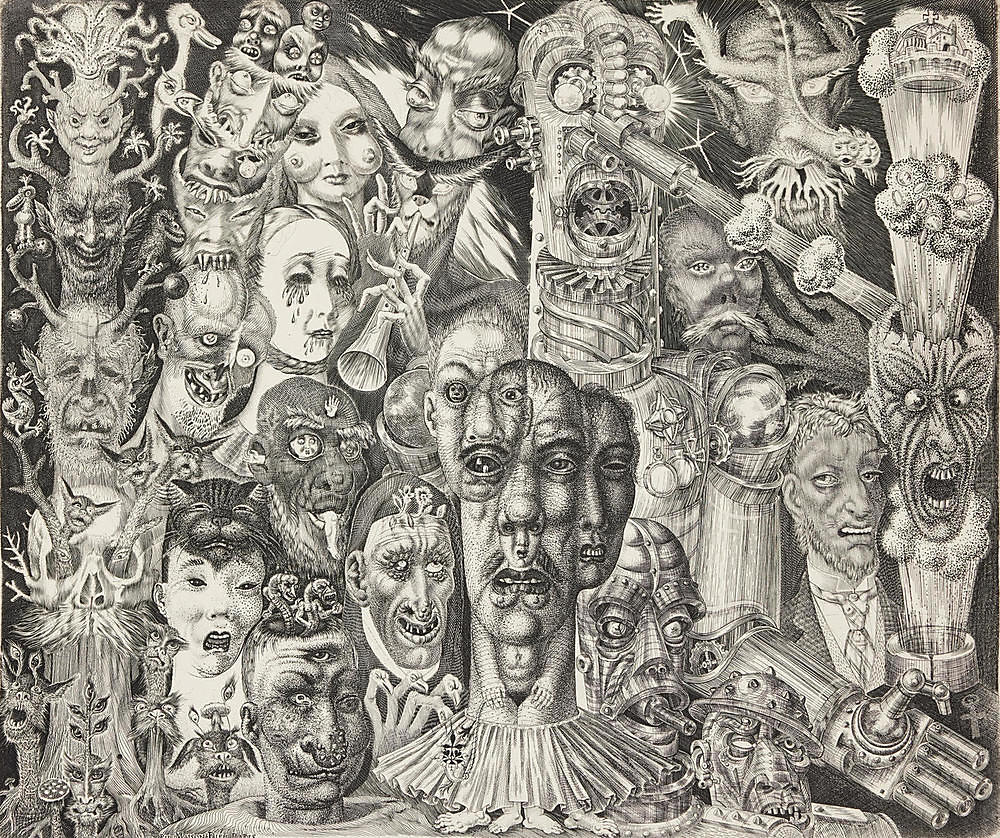
“Põrgu”, clubbed for 43 889 GBP at Stockholms Auktionsverk.
Dark Imagery and Precise Technique
Wiiralt’s most iconic works explore themes of existential anxiety, social alienation, and human suffering, often through dramatic chiaroscuro and meticulous linework. His 1932 masterpiece Inferno stands as a stark depiction of psychological torment, widely regarded as one of the greatest Estonian artworks of the 20th century. While Wiiralt is best known for his darker motifs, his oeuvre also includes tender portraits, serene landscapes, and images of animals, revealing the breadth of his artistic range.
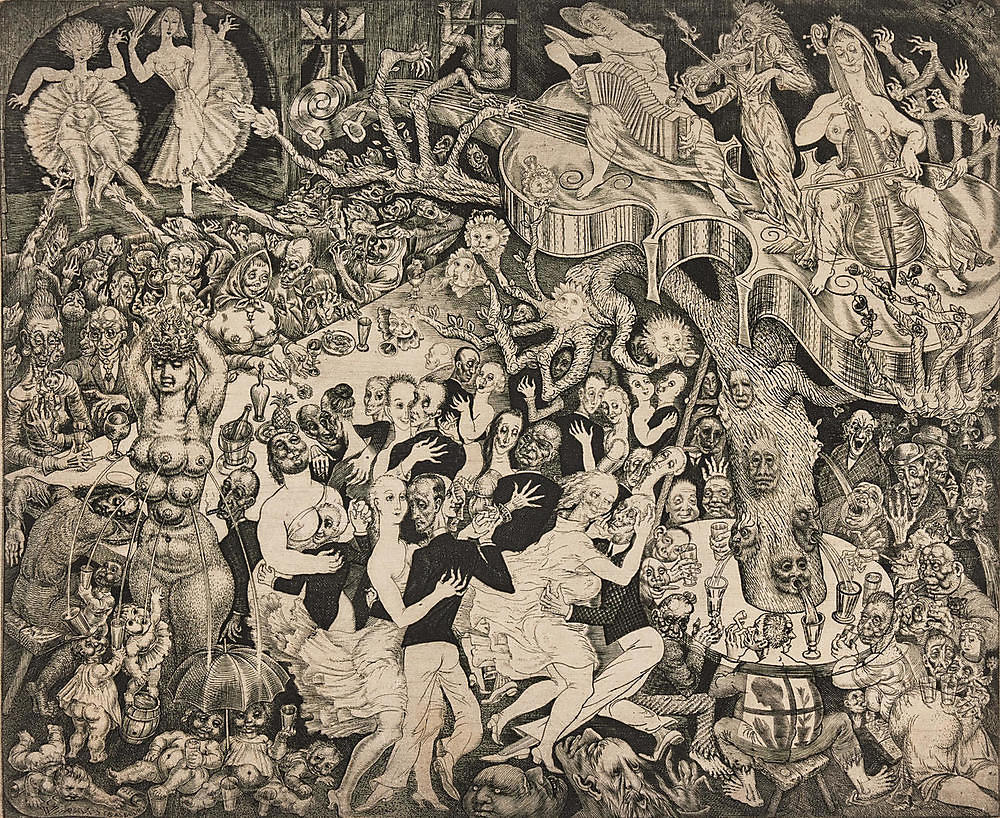
“Kabaree”, clubbed for 29 365 GBP at Stockholms Auktionsverk.
International Recognition
Throughout his career, Eduard Wiiralt exhibited in Paris, Berlin, Stockholm, and Tallinn, gaining international acclaim. His prints are represented in numerous public collections, most notably the Art Museum of Estonia. In 1937, he was awarded a gold medal at the International Graphic Exhibition in Vienna. Today, Wiiralt is considered a central figure in Estonian art history and a master of early 20th-century European printmaking.