Ulrika Pasch was born in Stockholm into an artistic family. Her father, Lorens Pasch the older, was a painter, and her brother, Lorens Pasch the Younger, would become one of the leading portraitists of the era. In a period when women had limited opportunities for formal artistic training, Ulrika learned her craft within the family workshop, mastering drawing, composition, and the techniques of oil painting. Her early exposure to both Swedish and continental artistic trends gave her a solid foundation, and her skill quickly earned her recognition among Stockholm’s cultural elite.
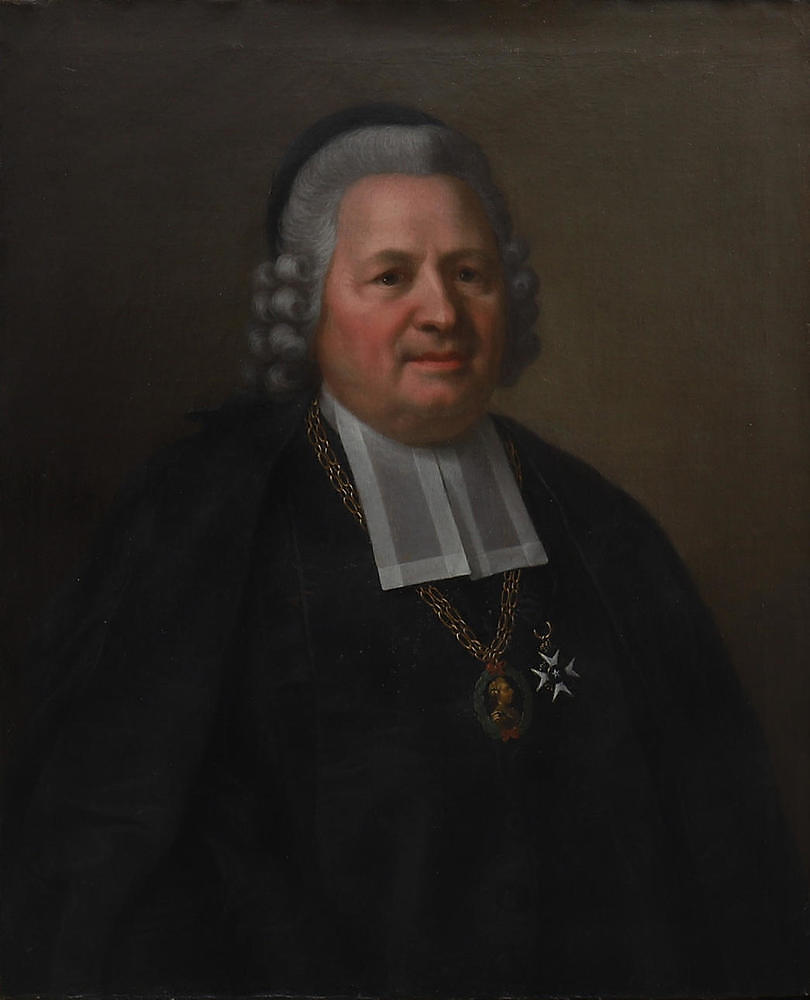
Portrait of Peter Abraham Nensén, clubbed for 1 707 GBP at Crafoord Auktioner Lund.
Portraiture and the Art of Miniature Painting
Pasch excelled in both large-scale portraiture and the delicate art of miniatures. Her portraits displayed clarity of line, careful modelling of features, and an understated elegance in clothing and accessories, reflecting both the status of her sitters and the refined taste of the late Rococo period. The miniatures, painted on ivory or vellum, revealed her precision and delicacy of touch, qualities that brought her numerous commissions from members of the aristocracy and the royal court. While her work followed the conventions of the day, she infused it with a quiet individuality that made her portraits stand out in a competitive field.
Pioneer and Lasting Influence
In 1773, Ulrika Pasch achieved a rare milestone for a woman of her time — election as a full member of the Royal Swedish Academy of Fine Arts. This appointment not only validated her professional status but also set a precedent for future generations of female artists. Today, her paintings are preserved in the collections of the Nationalmuseum in Stockholm and other institutions, where they are admired for their craftsmanship and historical significance. Pasch’s career stands as a testament to talent, perseverance, and the breaking of gender barriers in the art world of 18th-century Sweden.